

Argentina Drink Guide
From the high-altitude Malbec vineyards of Mendoza to the Torrontés terraces of Cafayate, the fernet-scented bar notables of Buenos Aires and the wild-juniper craft gins of Patagonia — Argentina's drinking culture is as vast and varied as the country itself.
Argentina produces more Malbec than any country on earth — and Mendoza alone accounts for 70% of national wine production. But the real discovery for most visitors is altitude. Wine at 900 metres tastes different; at 1,700 metres it tastes like nothing else. The Valle de Uco's cool mineral precision, the Calchaquí Valleys' extraordinary Torrontés aromatics, the structured elegance of Luján de Cuyo Malbec — these are wines that belong in conversation with the world's best.
Off the wine trail, Buenos Aires has a drinks culture entirely its own: fernet con coca is the national drink, bar notables serve café con leche at zinc counters unchanged since the 1930s, and a new generation of craft brewers and Patagonian distillers has emerged to add another layer entirely. Here are the places worth visiting in person.
This guide contains information about alcoholic beverages and is intended for adults of legal drinking age in their country.
Wine — Bodegas & Vineyards
Argentina's wine revolution happened quietly, at altitude. Malbec was brought from France in 1853 — it thrived in the dry, high-altitude climate of Mendoza in ways it never did in Bordeaux. Today it is Argentina's defining contribution to the world of wine — and the vineyards that produce it are among the most spectacular on earth.
Mendoza — Luján de Cuyo & Valle de Uco
Mendoza sits in the rain shadow of the Andes, between 600 and 1,500 metres above sea level. Two sub-zones define the finest wines: Luján de Cuyo, south of Mendoza city, produces the region's most complex and historically significant Malbecs; Valle de Uco, further south at higher altitudes, adds mineral freshness and precision that is redefining what Argentine wine can be. The Andes loom over both — they are the irrigation source, the weather barrier, and the reason this wine exists at all.
Key grapes: Malbec · Cabernet Sauvignon · Bonarda · Chardonnay · Viognier

Catena Zapata
Agrelo, Luján de Cuyo, Mendoza
The most iconic winery in Argentina — a Mayan pyramid rising above the Mendoza vineyards, framed by snow-capped Andes. Founded by Italian immigrant Nicola Catena in 1902, Catena Zapata has earned more 100-point wine scores than any other South American producer and defined what high-altitude Argentine Malbec can achieve. The pyramid building houses four single-vineyard Malbec collections and a library of vintages dating to the 1960s. The Catena Pyramid Visit (75 min) includes vineyard tour, barrel tasting and three wines; the Renaissance of Malbec experience (2 hours) goes deeper into vineyard and winemaking philosophy. A pilgrimage for any serious wine lover visiting South America.
⏱ Tue–Sat 9:00–16:30 · 💰 Tastings by appointment · 📍 Calle Cobos, Agrelo, Luján de Cuyo · Book well in advance
Visit Catena Zapata → Opening hours & booking → Book a tour →
Achával Ferrer
Perdriel, Luján de Cuyo, Mendoza
One of Argentina's most celebrated wineries — founded in 1998 by Santiago Achaval and Italian partners with a philosophy borrowed from the Old World: low yields, hand-harvesting, minimal intervention and single-vineyard expression. Their Malbec Finca Altamira received 99 Parker points in 2011 — at the time the highest score ever given to a South American wine. The winery produces three single-vineyard Malbecs (Altamira, Bella Vista, Mirador), a red blend (Quimera) and a rare sweet Malbec (Dolce). Guided tours pair two or three wines with local charcuterie and cheese; the winery sits 30 minutes from Mendoza city in the Perdriel sub-zone, surrounded by some of the oldest Malbec vines in the region.
⏱ Mon–Fri 8:00–17:00, Sat 9:30–12:30 · 📍 JF Cobos 2601, Perdriel, Mendoza · Book in advance
Visit Achával Ferrer →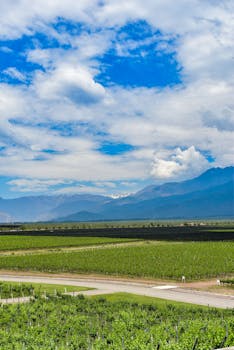
Zuccardi Valle de Uco
Paraje Altamira, San Carlos, Valle de Uco
Voted Best Vineyard in South America — and frequently in the world — by the prestigious World's Best Vineyards ranking since 2019. Bodega Zuccardi sits at 1,100 metres in the Valle de Uco, built entirely from natural local materials (stone, sand and concrete) and integrated into the mountain landscape. The philosophy is soil-first: different plots produce distinctly different wines, and the portfolio maps Valle de Uco terroir with extraordinary granularity. The Piedra Infinita restaurant has earned Michelin recognition and serves 4–9 course menus paired with estate wines. Tours run Wednesday to Sunday; the combination of outstanding wine, remarkable architecture and one of the finest restaurant experiences in South America makes this an unmissable destination.
⏱ Wed–Sun 9:30–17:00 · 📍 Paraje Altamira, San Carlos, Valle de Uco · Reservations required
Visit Zuccardi → Opening hours & booking → Book a tour →Cafayate, Salta — The High-Altitude Wines
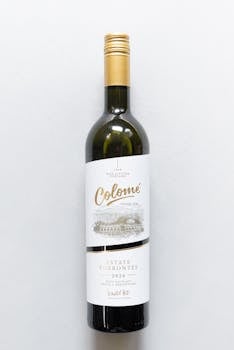
Cafayate, in the Calchaquí Valleys of Salta province, lies at 1,700 metres above sea level — and vineyards further into the valley push to 3,111 metres, the highest in the world. Intense Andean sun, cold nights and low humidity produce wines of extraordinary aromatic richness. The signature grape is Torrontés: Argentina's only 100% native white grape, intensely perfumed, bone dry, and unlike anything grown anywhere else on earth. The approach road from Salta through the Quebrada de las Conchas — a canyon of multicoloured rock formations — is one of the great drives in South America.
Key grapes: Torrontés (native) · Malbec · Cabernet Sauvignon · Tannat
Bodega El Esteco
Cafayate, Salta
The oldest continuously operating winery in Cafayate — founded in 1892 by French brothers at 1,700 metres in the Calchaquí Valleys. El Esteco cultivates some of the region's most extraordinary old vineyards, including 70-year-old Torrontés and Criolla vines that produce wines of startling concentration and complexity. The Don David Reserva range has won medals at the Sommeliers Choice Awards. Alongside standard tours, El Esteco offers horse-riding vineyard tours on Saturday mornings (10:00), and the atmospheric Noches Mágicas sunset experiences (Wed–Sun, October to Easter). The on-site Patios de Cafayate Wine Hotel — a 17th-century colonial estate — is the finest place to sleep in the valley.
⏱ Daily from 9:30 · 📍 Rutas 40 & 33, Cafayate, Salta (1,700 m) · Horse tours Sat 10:00
Visit El Esteco →
Piattelli Vineyards
Cafayate, Salta
A modern winery in the ancient Calchaquí Valleys — founded in 2013 at 1,700 metres, with a design philosophy that respects both the landscape and the minimal-intervention approach that this altitude demands. Piattelli practices gravitational winemaking throughout: no pumps, no forcing, just gravity and patience. The estate produces Torrontés, Malbec, Cabernet Sauvignon and Tannat from single blocks selected for their altitude and sun exposure. The on-site Piattelli Wine Resort offers accommodation for those spending more than a day in the valley. Wine tastings and vineyard tours are available by appointment; the dramatic canyon scenery and the quietness of the high-altitude valley make this one of the great wine destinations in South America.
⏱ By appointment · 📍 Ruta Provincial 2, Cafayate, Salta (1,700 m altitude)
Visit Piattelli → Visit Piattelli →🍷 Practical Wine Tips
- Argentine wine labels show variety first, appellation second — look for sub-labels like “Luján de Cuyo” and “Valle de Uco” for Mendoza's finest single-zone expressions
- Altitude matters more than anything: Valle de Uco Malbecs and Cafayate Torrontés achieve freshness and aromatic complexity that lower-altitude wines cannot replicate — always ask which zone the grapes came from
- Catena Zapata and Zuccardi require advance booking; many smaller bodegas in Luján de Cuyo accept walk-ins — but harvest season (March–April) is very busy, book several weeks ahead
- Harvest (vendimia) season in Mendoza runs March–April; the Fiesta Nacional de la Vendimia is the world's largest wine harvest festival — book accommodation months in advance
- Torrontés from Cafayate should be served very cold (7–9°C) and drunk young — within 2–3 years of vintage for peak aromatics; it loses its defining perfume with age
- The road from Salta to Cafayate through the Quebrada de las Conchas is one of South America's great drives — plan 3 hours each way and stop for the rock formations
Wine Bars & Bar Notables
Buenos Aires has two distinct wine bar traditions: the bar notable — officially declared heritage establishments that have served wine, coffee and vermut at unchanged counters for a century or more — and the new wave of natural wine bars that have emerged since 2015. Both are essential.

Los Galgos
Av. Callao 501, Congreso, Buenos Aires
One of Buenos Aires' most celebrated bar notables — a historically significant establishment that was stripped and left abandoned in the early 2000s before being beautifully restored and reopened in 2015 by Julián Díaz and Flor Capella. The restoration preserved the original 1930s Slovenian hand-carved oak wall panels, the original bar and the aged photographs; what changed was the quality of the drinks. Los Galgos is now the centre of Buenos Aires' vermut revival: house aperitifs, carefully composed cocktails and a vermut list that takes the Sunday aperitivo ritual seriously. One of the great places to drink in the city at any hour — but particularly good at noon on a Sunday with olives and nowhere to be.
⏱ Mon–Fri 8:30–midnight, Sat from 9:00 · 📍 Av. Callao 501, Congreso · Vermut best served at noon
Visit Los Galgos →
Vico Wine Bar
Villa Crespo, Buenos Aires
Buenos Aires' most innovative wine bar — over 100 Argentine wine labels served by the glass through Italian high-tech Enomatic dispensers, curated by head sommelier Pablo Colina. The format is unique: all wines are available in pour sizes from 60 ml to a full glass, allowing systematic exploration of Argentina's regions without committing to a bottle. The list is biased towards boutique producers, high-altitude expressions and Patagonian varieties that rarely appear on conventional wine lists. The Villa Crespo location — at the edge of Palermo — is sleek and unhurried; the knowledgeable staff make it accessible for visitors who want to understand Argentine wine quickly and drink well in the process.
⏱ Tue–Sun from 18:00 · 📍 Villa Crespo / Palermo, Buenos Aires · Wine flights and single pours available
Visit Vico Wine Bar →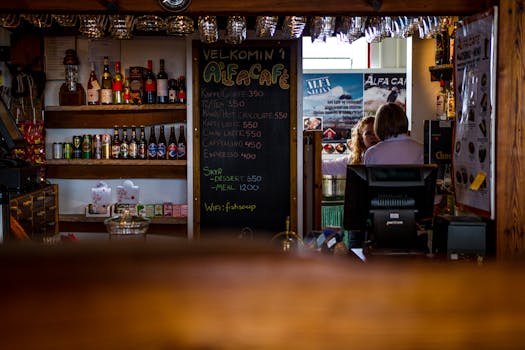
Las Patriotas Vilardo
Paunero 2880, Palermo Botánico, Buenos Aires
One of Buenos Aires' most distinctive wine bars — a glamorous, dimly-lit room accessed via a winding staircase, named in honour of Argentine women patriots, with décor that mixes 19th-century armchairs, floor-to-ceiling velvet curtains and an extraordinary back wall displaying organic, low-intervention and biodynamic wines. A collaboration between Tato Giovannoni's Las Patriotas project and the Club Vilardo team, it draws a creative, well-travelled crowd that knows the difference between a skin-contact Torrontés and a conventionally made one. Live jazz on Tuesday and Wednesday evenings. Won the Best Tapa 2024 award at Buenos Aires Wine Week for their Ajo Blanco (white gazpacho). One of the best wine bars in South America.
⏱ Tue from 19:00, Wed–Sat from noon & 19:00 · 📍 Paunero 2880, Palermo Botánico · Jazz Tue & Wed evenings
Reviews & info →Know Your Argentine Wine
Argentina's wine classification system is less formal than France or Italy — but altitude, sub-appellation and producer track record matter far more than any official designation. Here is what to look for before visiting a bodega.
Argentine wine regions are still developing their appellation system. The quality of the producer — and the altitude of the vineyard — currently matters far more than any official classification on the label. Focus on sub-regions: Luján de Cuyo and Valle de Uco for Mendoza reds; Calchaquí Valleys for Salta whites. When in doubt, ask which zone the grapes came from — the answer will tell you everything.
Spirits, Fernet & Patagonian Gin
Argentina's spirits culture begins and ends with fernet. Fernet-Branca has been produced in Buenos Aires since 1925 — and Argentines consume more than 75% of global production. Alongside fernet, a new generation of Patagonian craft distillers has emerged, using wild native botanicals from the Andes to produce gins that are winning global awards.
Buenos Aires, El Bolón & Patagonia
Three of Argentina's most important spirits addresses — from the factory that supplies the national drink to two Patagonian craft distilleries using wild native botanicals harvested from the Andes.
Key spirits: Fernet · Patagonian gin · Craft spirits · Aguardiente de uva · Vermut

Fernet-Branca
Buenos Aires Distillery
No other spirit defines a country the way fernet defines Argentina. The Italian amaro Fernet-Branca was formulated in Milan in 1845 — made from 27 herbs and botanicals from four continents, aged in oak barrels for a minimum of 12 months. A Buenos Aires production facility was established in 1925 and expanded into a major factory in 2000; today Argentina produces and consumes more than 75% of all fernet made globally. The local version uses Argentine sugar cane distillate, local chamomile and underground river water — the taste is distinctly its own. Served mixed with Coca-Cola in a 1:3 ratio (the fernandito), it is the ubiquitous drink at every asado, house party, football match and night out. Accept it when offered. There is no polite alternative.
⏱ Universally available across Argentina · 📍 Buenos Aires production · Canonical serve: 1 part fernet, 3 parts Coca-Cola, plenty of ice
About Fernet-Branca →
Bosque Gin
El Bolón, Patagonia
In 2022, Bosque Gin won the World's Best Contemporary Gin at the World Gin Awards — the first Argentine gin to claim this title. Made in El Bolón, in the Andean Patagonian foothills of Chubut province, Bosque uses wild Patagonian juniper hand-harvested by local communities from the slopes around Lago Puelo, combined with cardamom, coriander, orange blossom and lemon verbena. The distillery holds B Corporation certification for its commitment to community and environmental sustainability, with active programmes to regenerate Patagonian forests. Three gin expressions are produced: Bosque Nativo, Alta Montaña and Refugios. Curated tasting experiences are available through partner venues in Buenos Aires, including the Park Hyatt's Palacio Duhau and Las Balsas in Villa La Angostura.
⏱ Experiences at partner venues across Argentina · 📍 Production in El Bolón, Chubut · B Corp certified
Visit Bosque Gin →
Last Hope Distillery
Patagonia
One of Patagonia's pioneering craft distilleries — producing gin with a strict focus on native and regional botanicals that reflect where they are made. Last Hope Patagonian Dry Gin uses 12 botanicals in total, with three growing natively in Patagonia: lemon verbena (cedrón), Winter's bark pepper (canelo) and maqui berries, plus juniper and nine further botanicals from further afield. The distillation takes place in a hand-made copper pot still; the resulting gin has a distinctly herbal, clean character that reflects Patagonia's wild landscapes rather than the Mediterranean flavour profile of European gins. Available across Argentina and exported internationally — a benchmark for what Patagonian terroir can produce in a glass.
⏱ Available across Argentina · 📍 Patagonia production · 12 botanicals, 3 native Patagonian
Visit Last Hope →Argentine Spirits — What to Know
Beyond fernet and the new Patagonian gin scene, Argentina has a handful of other spirits traditions worth knowing before you visit.
Argentina's bar culture distinguishes between the boliche (nightclub, late-night, loud) and the bar notable (heritage café-bar, open from morning, quiet and layered with history). Both serve fernet; only the bar notable serves it alongside a cortado and a copy of Borges. Both are worth visiting — on the same night, in that order.
Craft Beer — Breweries & Taprooms
Argentina's craft beer revolution began in Patagonia — in the mountain towns of Bariloche and El Bolón, where German and Central European immigrant traditions created a brewing culture long before Buenos Aires caught on. Today, Buenos Aires has a thriving scene of microbreweries and taprooms; Bariloche remains the spiritual home of the tradition.
Buenos Aires & Patagonia
Three of Argentina's most important craft beer addresses — from the country's pioneering craft brewery network to Buenos Aires' most creative brewpub and Bariloche's most celebrated mountain taproom.
Styles to look for: IPA · Lager · Stout · Saison · Sour · Barrel-aged

Cervecería Antares
Mar del Plata / Buenos Aires (40+ locations)
The brewery that started Argentina's craft beer revolution. Founded in Mar del Plata in 1998 as a home-brewing project, Antares opened its first brewpub on the coast and then expanded — relentlessly — to become South America's largest craft beer production plant, now producing over one million litres monthly. With more than 40 locations across 15 Argentine provinces, Antares is where most Argentines had their first craft beer: their Kolsch, IPA and Playa Grande lager are consistently reliable across the entire network. The Mar del Plata original remains the spiritual home; the multiple Buenos Aires taprooms (including Palermo, Recoleta and San Telmo) are the most convenient for city visitors. Factory tours are available at Fábrica 12 de Octubre in Mar del Plata.
⏱ 40+ locations nationwide · 📍 Multiple Buenos Aires locations; factory at 12 de Octubre 7749, Mar del Plata
Visit Antares →
Strange Brewing
Delgado 658, Colegiales, Buenos Aires
One of Buenos Aires' most creative and atmospheric brewpubs — a mid-sized craft brewery in the Colegiales neighbourhood with visible barrels, foeders and fermentation tanks that create exactly the right kind of conversation between strangers who share a long table. Strange produces a deliberately adventurous range: New England IPAs, farmhouse saisons, sour ales aged in wine barrels and rotating experimental releases that keep the list permanently interesting. Self-distributed nationally in Argentina and available in the EU; ranked #10 in Buenos Aires' 50 best places to go out. The combination of quality, atmosphere and beer that actually surprises makes Strange one of the best places to drink in the city — and one of the most Argentine experiences a visitor can have at a bar that is genuinely local.
⏱ Daily from noon · 📍 Delgado 658, Colegiales, Buenos Aires · Barrels & foeders on display
Visit Strange Brewing →
Cervecería Berlina
Av. Bustillo 11750, Bariloche, Patagonia
The iconic craft brewery of Patagonian Argentina — founded in Bariloche in 2004 by brothers Guido, Franco and Bruno Ferrari, who trained at Berlin's VLB brewing institute before returning to produce beer under Bavarian purity laws: only water, malt, hops and yeast. Berlina was recognised as Argentina's Best Brewery in 2017 and is credited with producing the country's first IPA and first nitrogen-injected stout in bottles. The original brewpub at Av. Bustillo 11750 sits on the edge of Nahuel Huapi lake with a deck overlooking the water; the Colonia Suiza production facility has a tap room with 18 taps, a bar inside a recycled shipping container, a stone fireplace and live music at weekends. Worth the journey from Bariloche even for non-craft beer drinkers.
⏱ Daily from 12:30 · 📍 Av. Bustillo 11750, Bariloche & Colonia Suiza taproom · Lake Nahuel Huapi views
Visit Cervecería Berlina →Coffee Culture & the Bar Notable
In Buenos Aires, coffee culture lives in the bar notable — officially recognised heritage establishments that have served café con leche and philosophical arguments at the same marble counters since the 19th century. The city has more declared bar notables than any city outside Europe, and spending an hour in one is a form of time travel.

Café Tortoni
Av. de Mayo 825, Monserrat, Buenos Aires
Buenos Aires' oldest café and one of the most storied in the world — open since 1858 on the Avenida de Mayo, in an Art Nouveau building designed by architect Alejandro Christophersen in 1898, with gilded ceilings, marble tables, dark wood boiserie and stained glass that have barely changed in a century. Jorge Luis Borges, Federico García Lorca, Julio Cortázar, Carlos Gardel and Arthur Rubinstein all came here; Gardel's table — where he sat away from admirers — is marked by a plaque in the main room. Selected by UCityGuides as one of the ten most beautiful cafés in the world. The basement hosts jazz and tango performances most evenings. Go for the cortado and stay for the atmosphere.
⏱ Daily 8:00–21:00 · ☕ Cortado, café con leche, medialunas · 📍 Av. de Mayo 825, Monserrat · Tango in basement evenings
Visit Café Tortoni →
La Biela
Av. Presidente Quintana 596, Recoleta, Buenos Aires
The great terrace café of Recoleta — named after the connecting rod (biela) that Argentine racing driver Beto Mieres snapped at this corner in the 1950s, leaving him stranded and in need of coffee. Declared a Bar Notable and a Place of Cultural Interest by the city legislature in 1999; its terrace looks across to the entrance of the Recoleta Cemetery, the Pilar church and Plaza Francia in one of Buenos Aires' most beautiful streetscapes. Jorge Luis Borges and Adolfo Bioy Casares came here regularly — a life-size statue of Borges stands outside; so did Cortázar, Vargas Llosa, Mick Jagger and Robert De Niro. A full kitchen runs from 8am until 1am; the café con leche with medialunas is the classic start, the bife de chorizo with fries the classic end.
⏱ Daily 8:00–1:00 · ☕ Café con leche, medialunas, bife de chorizo · 📍 Av. Pres. Manuel Quintana 600, Recoleta · Borges's corner table inside
Visit La Biela →
Bar El Federal
Carlos Calvo 599, San Telmo, Buenos Aires
Buenos Aires' oldest surviving bar — founded in 1864 in the San Telmo neighbourhood as a pulpería (general store), later converted into a bar-restaurant that has not changed its essential character since the early 20th century. The interior is extraordinary: original hand-carved wooden bar with arched design, original limestone mosaics, vintage advertisements, stained glass and a cast-iron cash register that no longer rings but still stands. Declared a “Site of Cultural Interest” by the city legislature in 2004 and a member of Los Notables — a group of five heritage establishments that host literary discussions and musical events. The cortado is simple and strong; the lomo completo sandwich is the classic order; the fernet con coca is, as always, inevitable.
⏱ Sun–Thu 8:00–2:00, Fri–Sat 8:00–4:00 · ☕ Cortado, fernet, picada · 📍 Carlos Calvo 599, San Telmo · Buenos Aires' oldest bar
Reviews & info →Planning Your Wine Trip
Two practical questions every Argentine wine trip runs into.
Compare rental cars in Argentina →
Find hotels in Mendoza → · Find hotels in Salta → · Find hotels in Buenos Aires →
💡 Good to Know
- ☕ A cortado in Buenos Aires is espresso with a small amount of warm milk, served in a glass. The café con leche (half coffee, half hot milk with a medialuna croissant) is the morning ritual. Both are typically consumed standing at a zinc bar counter and cost very little
- 🍷 Harvest season in Mendoza (March–April) is extraordinary — visit during vendimia for festival atmosphere, vineyard access and direct winery sales at cellar-door prices. Book accommodation in Mendoza city months in advance
- 🍷 A table at Zuccardi's Piedra Infinita restaurant in Valle de Uco is one of the most sought-after culinary experiences in South America — book several months in advance at piedrainfinita.meitre.com
- 🍺 Argentina's craft beer scene has an identity increasingly distinct from European styles — Patagonian juniper, native herbs and local malt create a flavour profile shaped by the Andes rather than Bavaria. Worth exploring at any good craft taproom
- 🎸 ¡Salud! (sah-lood) is cheers in Spanish — in Argentina you must make eye contact when you raise a glass; failure to do so is believed to bring seven years of bad luck (and some Argentines are entirely serious about this)
- ☕ Buenos Aires has over 70 officially declared bar notables — heritage cafés and bars protected by the city government. Most are open from early morning; the best time is mid-morning for café con leche and medialunas, or Sunday noon for vermut con todo
- 🍷 Fernet con coca is not optional. Accept it at every asado, house party and night out — it is Argentina's universal social lubricant, and refusing it politely requires more effort than just drinking it