This is your destination guide for Argentina.
This is your destination guide for Mendoza
📍 Part of ArgentinaMalbec at altitude, the Andes on the skyline, and Aconcagua you watch rather than climb.
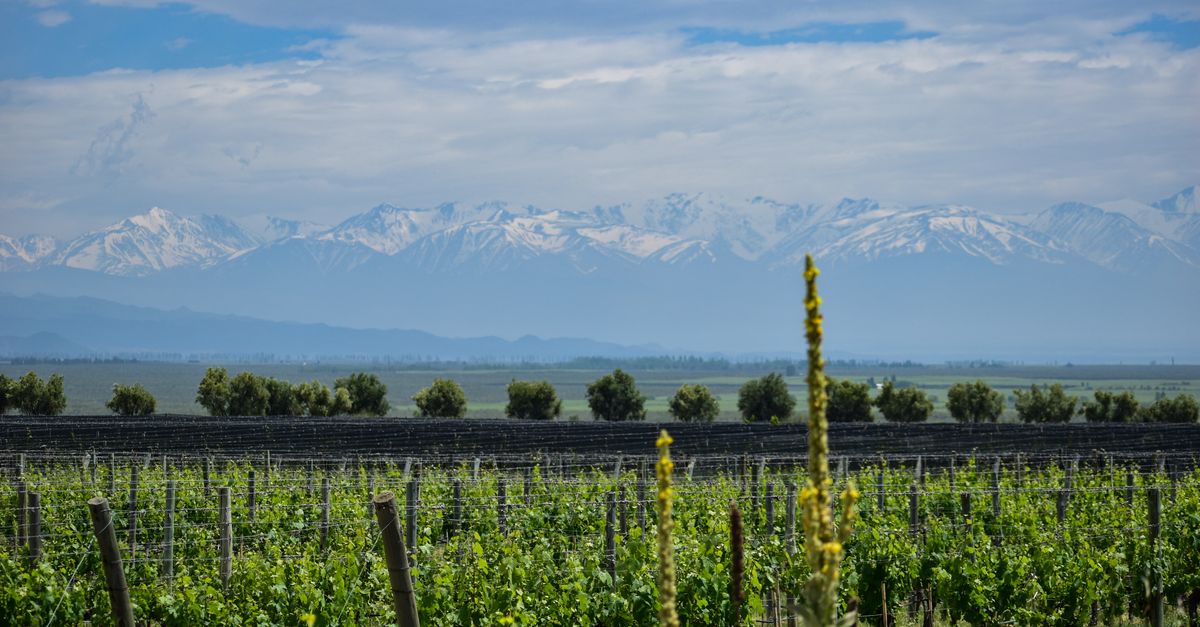

The reality: Mendoza is a desert. It rains less than nine inches a year and the sun is out most days — yet you're standing in a sea of vines, because every drop of water comes off the Andes as snowmelt, channelled through ditches dug centuries ago. To the west the mountains don't roll up gently. They stand like a wall, and behind the first ridge sits Aconcagua at 6,961 metres, the highest point in the Americas.
That's the split personality of the place. Mendoza is Argentina's wine capital — roughly two-thirds of the country's wine comes from here, and the Malbec grown at altitude in Luján de Cuyo and the Uco Valley is as good as New World red gets. It's also the staging post for the Andes: trekkers, climbers and rafters all pass through. Most visitors only do the first half. They taste for three days and fly out without ever driving the hour west to where the real mountains start.
Do both. Give the wine two days — one in Maipú and Luján de Cuyo near the city, one out in Uco where the vines climb past 1,500 metres — and give the Andes one. Hire a driver for the tasting days, because the bodegas are spread out and you can't pour Malbec all afternoon and drive yourself home. Book the Uco wineries ahead. Then point the car at Ruta 7 and watch the desert turn into rock and snow.
Three regions, three days if you're thorough — and they don't taste the same. Mendoza grows roughly two-thirds of Argentina's wine, almost all of it irrigated by Andean snowmelt in a desert that barely rains.
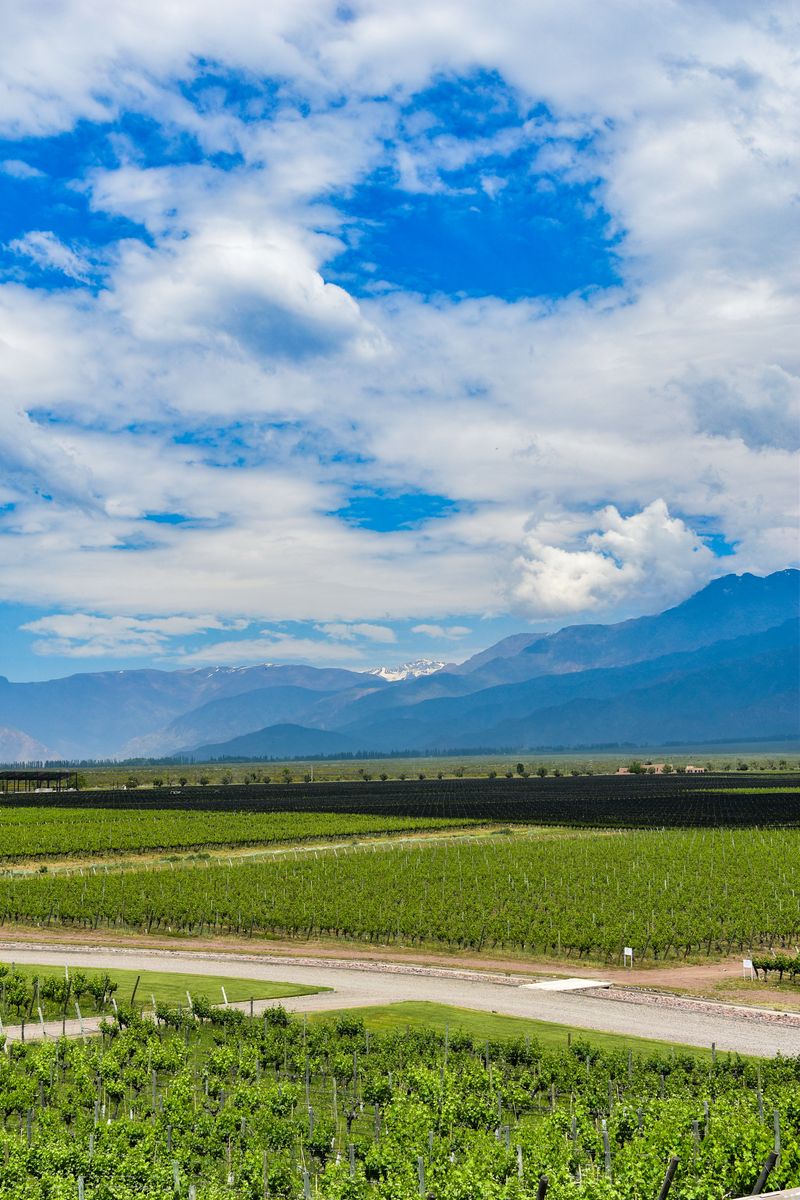
Maipú — 15–20 minutes from the city, the historic and flattest zone, and the one place you can sensibly cycle between cellars. Old names like Trapiche and Bodega López, plus olive groves (Mendoza presses oil as well as wine). The most walk-in-friendly and the cheapest of the three.
Luján de Cuyo — the cradle of Malbec and Argentina's first protected appellation. Old vines and the glossy estates: Catena Zapata, whose winery is built like a Mayan pyramid and runs the research on high-altitude Malbec, with Achaval-Ferrer and Norton close by. Reserve the big names.
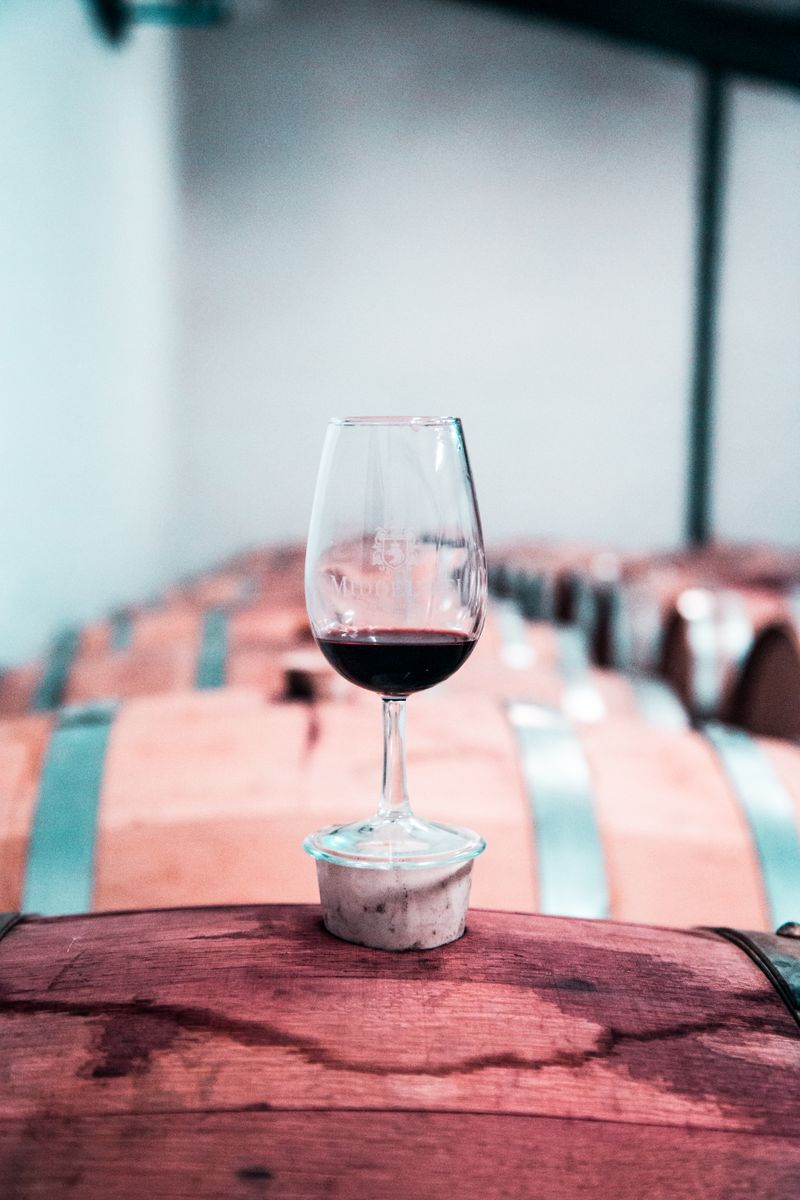
Uco Valley — an hour to ninety minutes south-west, and the highest of the lot: vines from 900 to over 1,500 metres, cold nights, mineral wines. The modern showpieces are here — Zuccardi Valle de Uco, Salentein with its cross-shaped underground cellar, the chalky soils of Gualtallary. Give it a full day, and reserve everything — most Uco bodegas don't take walk-ins.
A standard tasting flight runs $10–25; a sit-down tasting lunch at a top Uco estate $60–120. Worth knowing before you measure it against home.
West out of the city, Ruta 7 climbs into the mountains and the desert turns to rock. This is the half of Mendoza most wine tourists never see.
Potrerillos — a turquoise reservoir an hour from town, and the put-in for white-water rafting on the Río Mendoza.
Puente del Inca — a natural ochre arch over a hot spring, with the ruins of an old spa underneath. Strange, and worth the stop.
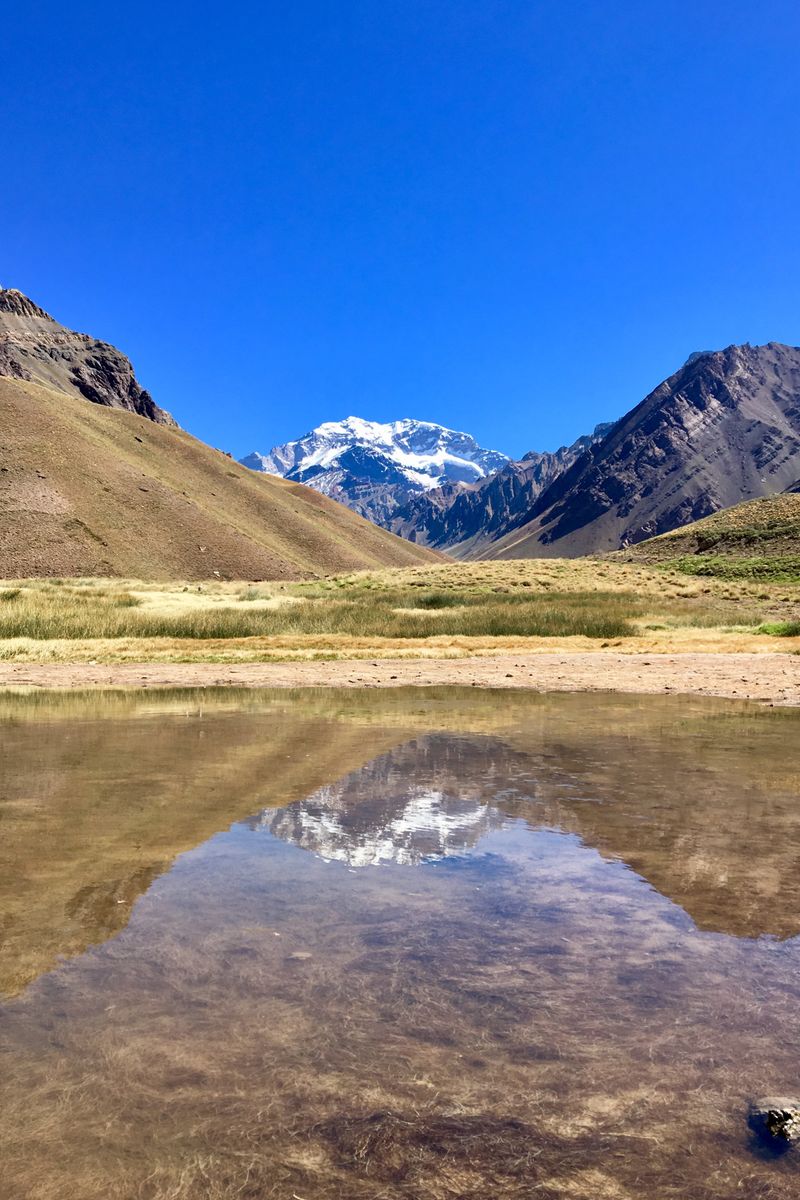
Aconcagua Provincial Park — from the Horcones entrance, a two-hour walk to Laguna de Horcones gives you the classic view of the south face, on a cheap day-visit permit with no mountaineering involved.
Cristo Redentor — a statue at 3,800 metres on the Chile border, reachable only in summer when the high road is clear of snow.
Be honest with yourself about the summit. Reaching the top of Aconcagua is an 18–20 day expedition with a permit costing roughly USD 800–1,000 in high season, bought in person in Mendoza city, in a window that runs mid-November to April. Most people who say they "did Aconcagua" walked to the lagoon and looked up.
Pick a base for what you want to do. The city is pleasant; the vines and the mountains are the reason you came.
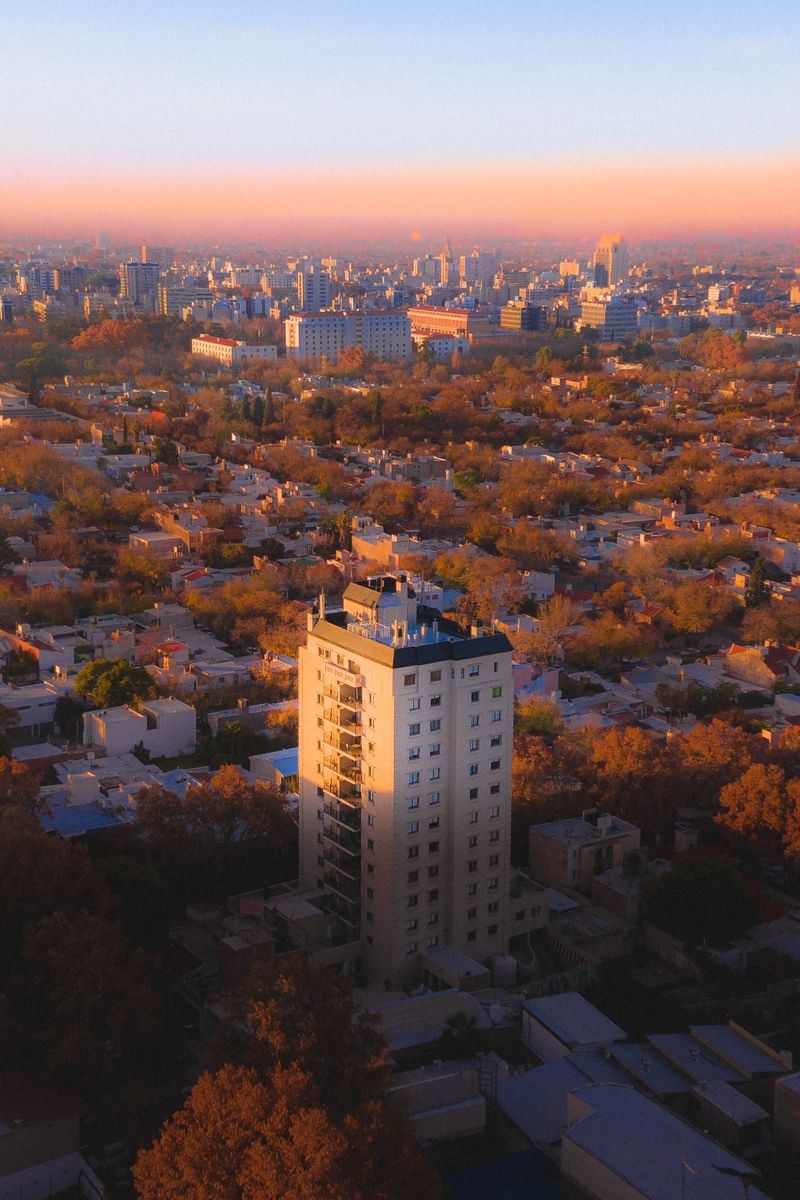
Mendoza city — low-rise and tree-lined, with irrigation channels (acequias) running along every street, a big leafy park on its western edge, and Plaza Independencia at the centre. Pleasant and walkable, not the reason you flew here.
Chacras de Coria — a leafy old suburb 20 minutes south with the better restaurants and a Sunday antiques fair. A calmer base within reach of the Maipú and Luján bodegas.
Tupungato & Tunuyán — the Uco bases: small and quiet, for waking up surrounded by vines with the Andes through the window.
San Rafael — 230 km south, and really a separate trip. Its own wineries, lower prices, and the Cañón del Atuel for rafting and kayaking.
For people who want more than a tasting room.
The mountains that water the vines are also a playground — rivers off the snowmelt, foothills to ride, and a couple of ski hills within reach in winter.
Asado is the religion here, and the wine is poured to match it.
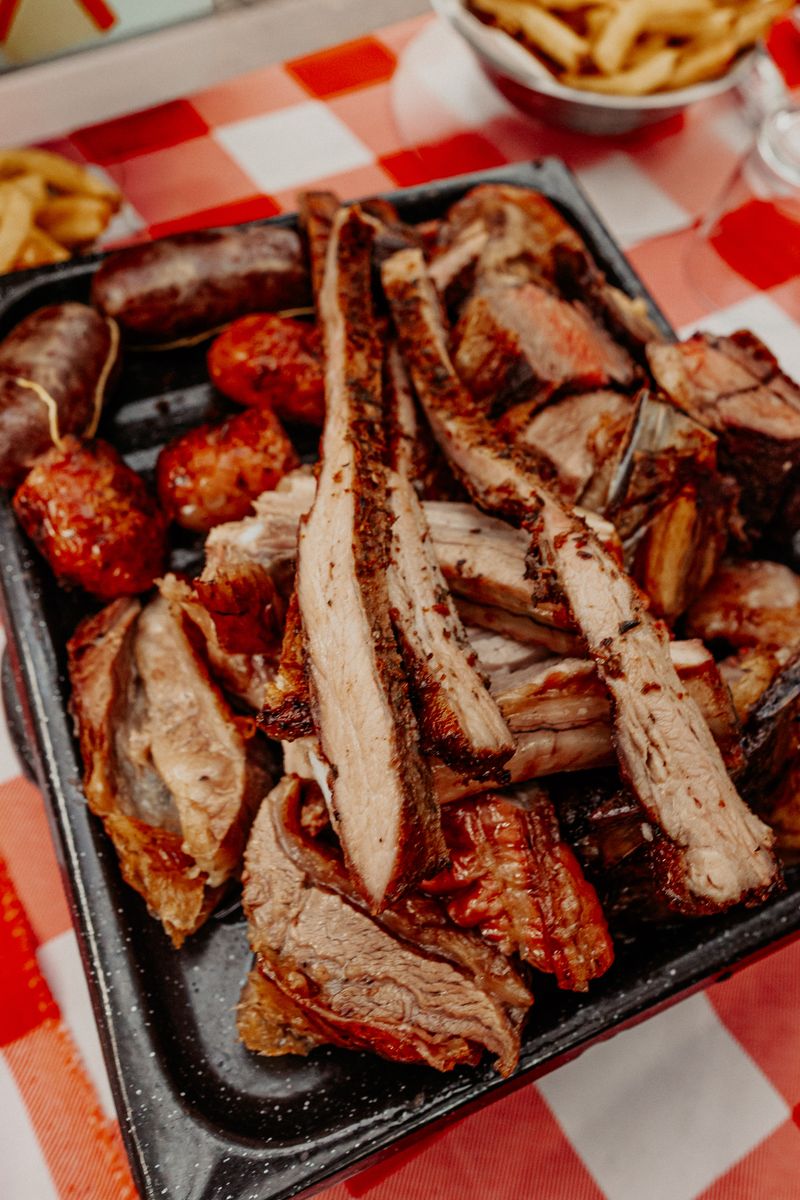
Asado — provoleta (grilled cheese) first, then chorizo, then ribs and a thick bife. Lunch can run for hours; that's the point.
Empanadas mendocinas — baked rather than fried, usually with an olive tucked inside.
Olive oil — Maipú presses some of Argentina's best, sold straight from the mill.
Trout from the mountain rivers, humita and locro in the cold months, alfajores and dulce de leche for after.
Where to eat: the bodega restaurants are the real draw. Piedra Infinita at Zuccardi (Michelin-listed) and Casa Vigil (the El Enemigo project) are the names people fly in for; Siete Fuegos, Francis Mallmann's open-fire kitchen at The Vines in Uco, is the splurge. In town, Anna Bistró and María Antonieta do it well without the drive. Book the destination restaurants well ahead.
March is the harvest, and the first week brings Vendimia — the grape-harvest festival, with a parade and a stage spectacle in the city's Greek theatre. It's the moment, but it's hot and booked solid; reserve months ahead.
October–November and late February–April are the sweet spot: warm days, vines green or turning gold, fewer crowds. This is where you want to be.
December–February — hot (32°C and up), bright, long days. Bodegas are busy and the sun at altitude is fierce. Drink water, wear a hat.
June–August — cold nights, frost, snow on the Andes, and ski season. Some Uco lodges go quiet, the Cristo Redentor high road closes, and the pass to Chile can shut in heavy snow.
Fly in to Mendoza (El Plumerillo, MDZ). From Buenos Aires it's about 1h45 in the air or 13–14 hours by overnight bus.
Rent a car for the Andes day and town-hopping. But for tasting days, hire a driver or join a tour — drink-driving checks are real, and the estates are too far apart to walk between. Uco is an hour-plus each way, so plan two or three wineries with lunch, not a marathon.
Bikes only really work in Maipú, where the cellars sit close together on flat roads. If you'd rather not drive at all, the hop-on Wine Bus loops the nearer regions.
Each base has a different feel — and Mendoza is small enough to day-trip from most of them.
Mendoza city or Chacras de Coria — restaurants on the doorstep, easy reach of Maipú and Luján. The best first base.
Luján de Cuyo — sleep among the vines, 30 minutes from town, next to the glossy bodegas.
Uco Valley — the splurge: vineyard lodges with the Andes through the window (The Vines, Casa de Uco, Casa Antucura). You'll want a car.
San Rafael — cheaper and quieter, down south, with its own wineries and the Atuel canyon.
Mendoza is the rare wine destination that's also a bargain. A tasting flight that runs $60–100 in Napa is $10–25 here, and a Michelin-listed bodega lunch costs less than a chain steakhouse back home. The catch is the peso, not the price.
Prices in 2026 US dollars, quoted in USD on purpose because the peso moves too fast to print. Pay by card for the MEP rate; carry a little cash for tips and small stops.
Go if you want the best Malbec on earth at sane prices, the highest peak in the Americas on your skyline, and asado lunches that swallow the afternoon — and you'll happily hire a driver to do it properly. Skip if you don't drink, won't plan ahead, or expected the Andes to be a backdrop you can scramble up on a whim.
Found this useful? Share it.
Still planning?
We don't stop at "here's the country." Real places to stay, what to do, apps that matter, even how to find someone to travel with — plus guides for whatever vibe you're after, from beach days to wine country to slow weekends. All up top. Spin for somewhere new when you're done with this one.