This is your destination guide for Argentina.
This is your destination guide for Ushuaia
📍 Part of ArgentinaOld prison town, Antarctic gateway, and the park where the Pan-American Highway runs out of continent.
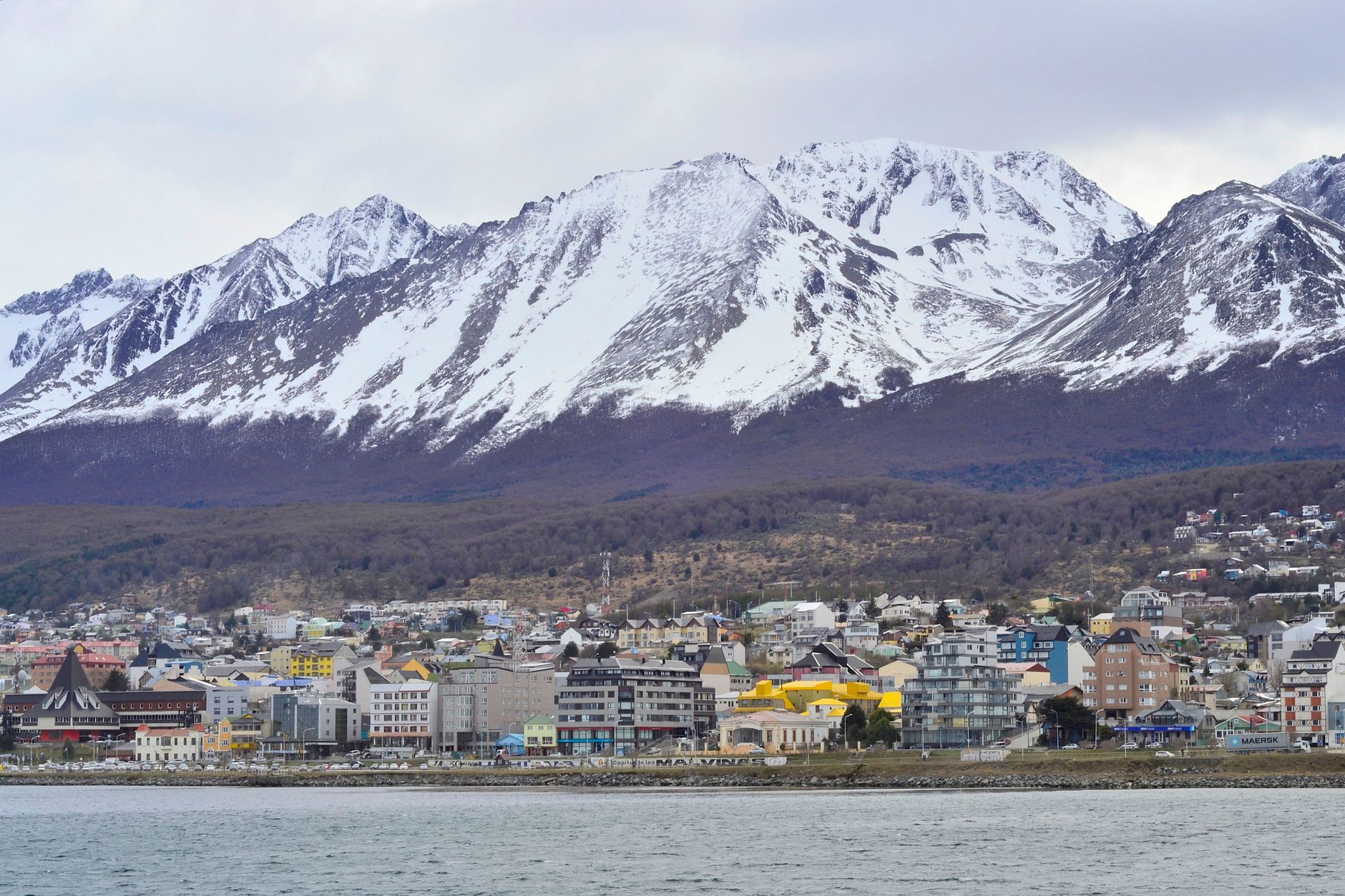

The reality: You fly in low over the Beagle Channel, the Martial Mountains drop straight to the water, and the town climbs the slope in tin-roofed rows. Every second sign says fin del mundo — end of the world. Ushuaia sits at 54° south, and it is the southernmost place on the planet that calls itself a city.
It is two places at once. One is a real frontier: a penal colony built the town, convicts logged these forests, and the wilderness around it — the national park, the channel, the peaks — is real, not staged. The other is a tourism machine: Antarctic ships at the pier, cruise passengers by the thousand, and a souvenir street selling the same stuffed penguin in forty sizes. Both are true at the same time.
You don't come here to lie on a beach. You come to sail the channel, walk the park to the point where the continent runs out, ride the old prison train if you must, eat king crab, and — if your budget and your calendar line up — sail for Antarctica. Three days covers the town and the park. The seventh continent is a separate conversation, and a separate bank balance.
Argentina's only national park with a sea coast, 12 km west of town on Ruta 3. Foreigners pay about US$40 at the gate (cash is easiest), charged October to April and free the rest of the year. It is small, but it has the one thing nowhere else has: the exact spot where the road, and the continent, stop.
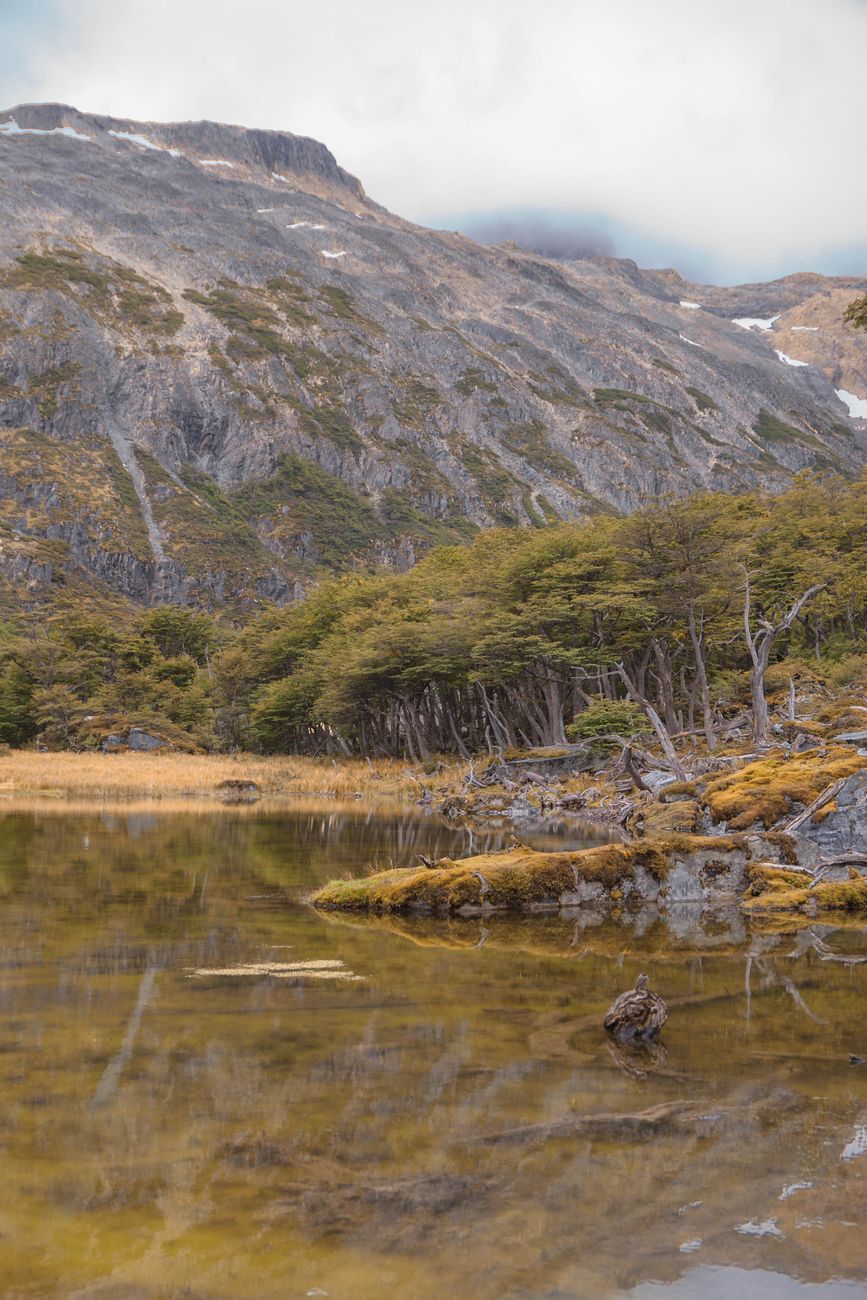
Bahía Lapataia — the end of Ruta 3 and of the Pan-American Highway. The sign here is the photo everyone takes; the road simply stops at the water. A short boardwalk loops through peat bog and lenga forest.
Lago Acigami (still marked Lago Roca on older maps) — a lake shared with Chile. From the Alakush visitor centre it is a flat walk to the shore, with the border running through the water itself.
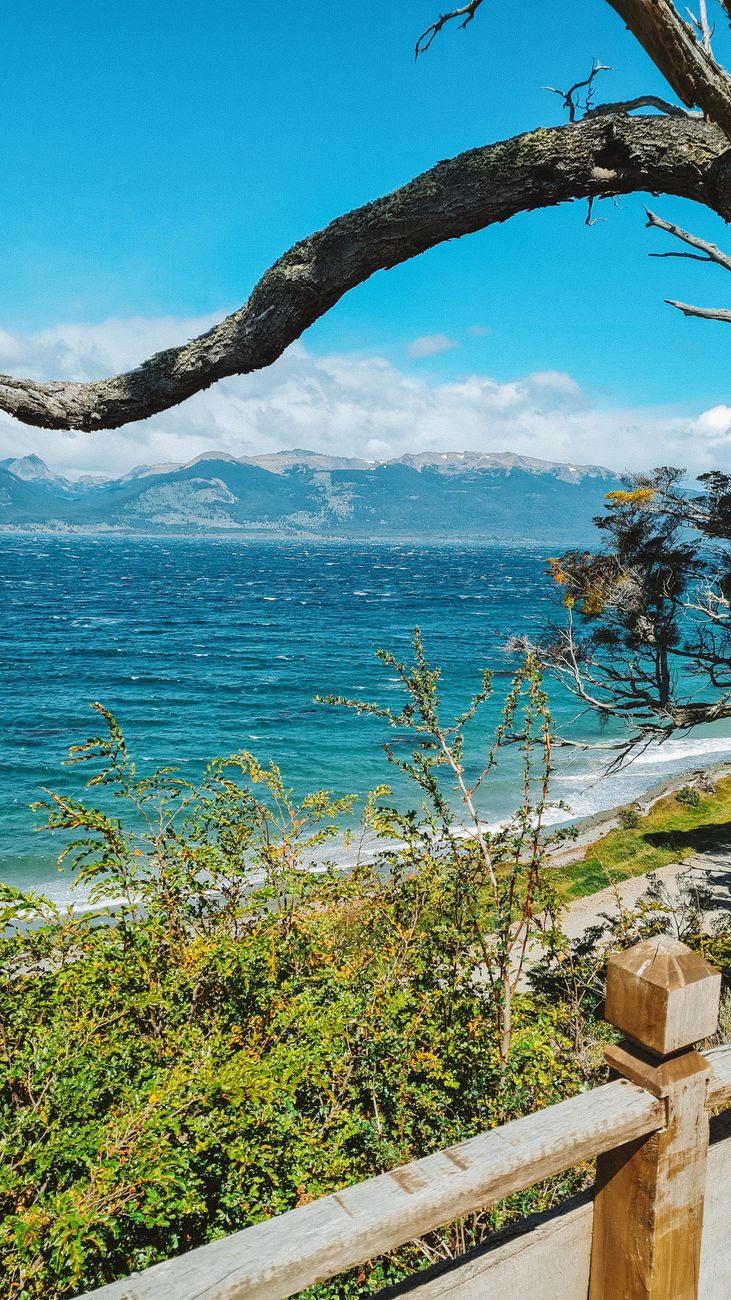
Senda Costera — the coastal trail along the Beagle Channel, about 8 km and mostly flat. The best half-day walk in the park: forest on one side, water on the other.
Cerro Guanaco — the hard climb, roughly 970 m up over a full day, with views to Chile's Darwin Range from the top. Closed in winter for avalanche risk. Only attempt it in good weather, with hours to spare.
The beavers — Canadian beavers were introduced in the 1940s and never left. You'll see drowned trees and dams, especially near La Castorera. They're an invasive problem, not a cute extra.
One town, not a string of villages — and its main sight is its own dark history.
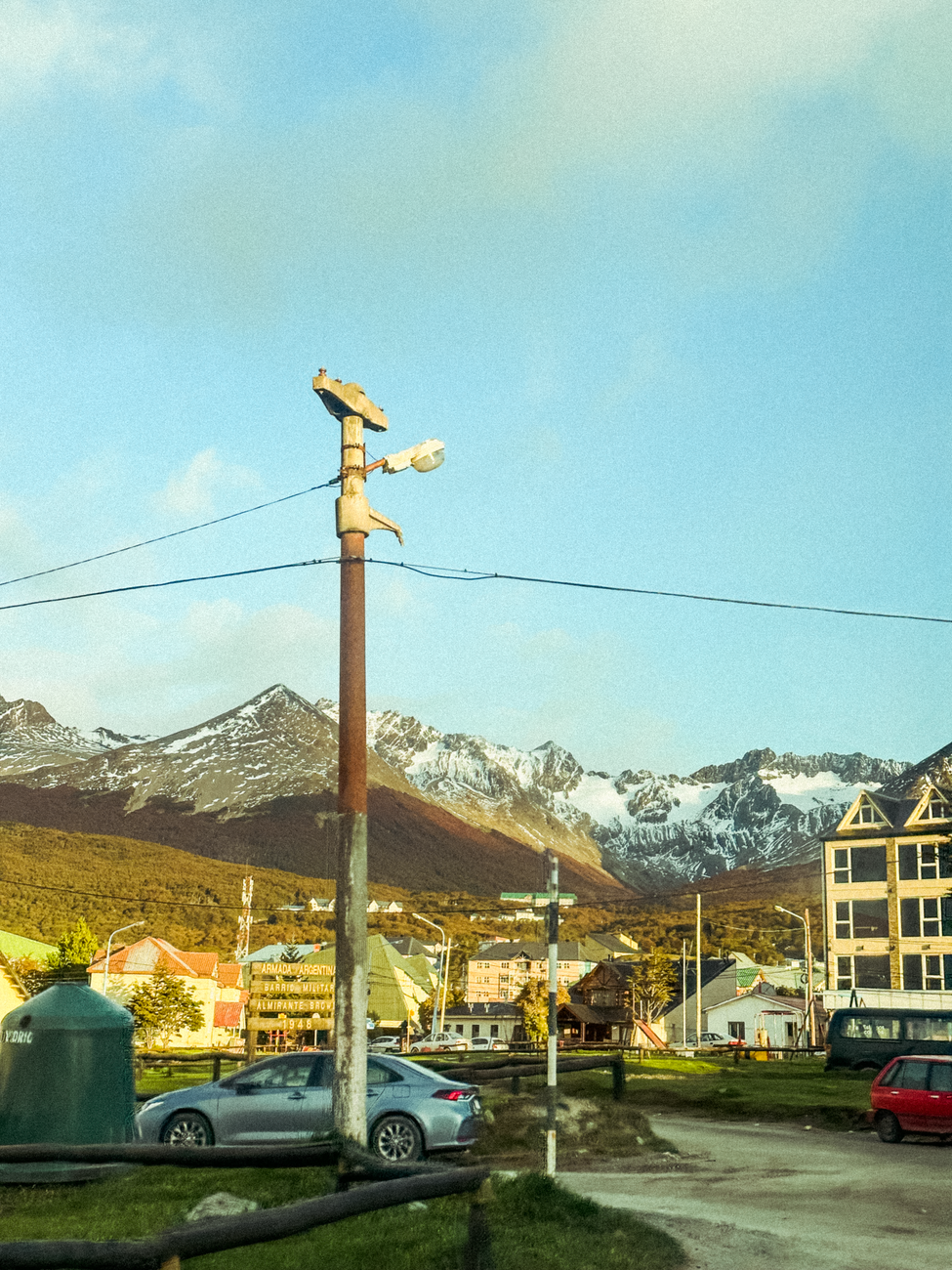
Museo Marítimo y del Presidio — the old prison. Ushuaia exists because Argentina built a penal colony here in 1902 and used the prisoners to settle the bottom of the country. The cell blocks are now the best museum in town; give it half a day.
Avenida San Martín — the main street: outdoor gear, chocolate shops, lamb restaurants, and the souvenir gauntlet. Good for an evening, though you'll be offered a stuffed penguin roughly every ten metres.
Cerro Martial — the mountain above town, about 7 km up, with the best view over Ushuaia and the channel. You walk up to it: the old chairlift closed in 2011 and a new one is being built (the first tower went up in February 2026), but it isn't running yet. Treat Martial as the town's lookout, not a glacier trek.
The waterfront — where the Antarctic ships and cruise liners tie up, and where the "Ushuaia — fin del mundo" sign waits for your photo.
The channel that Darwin's ship, HMS Beagle, gave its name to.
It's the reason most visitors fill a whole day here, and the boats leave straight from the town pier. Pick the trip by how close you want to get to the wildlife.
This is the thing Ushuaia is most famous for, and the thing most visitors don't actually do. About nine in ten Antarctic voyages on Earth leave from this pier. Here's the honest version.
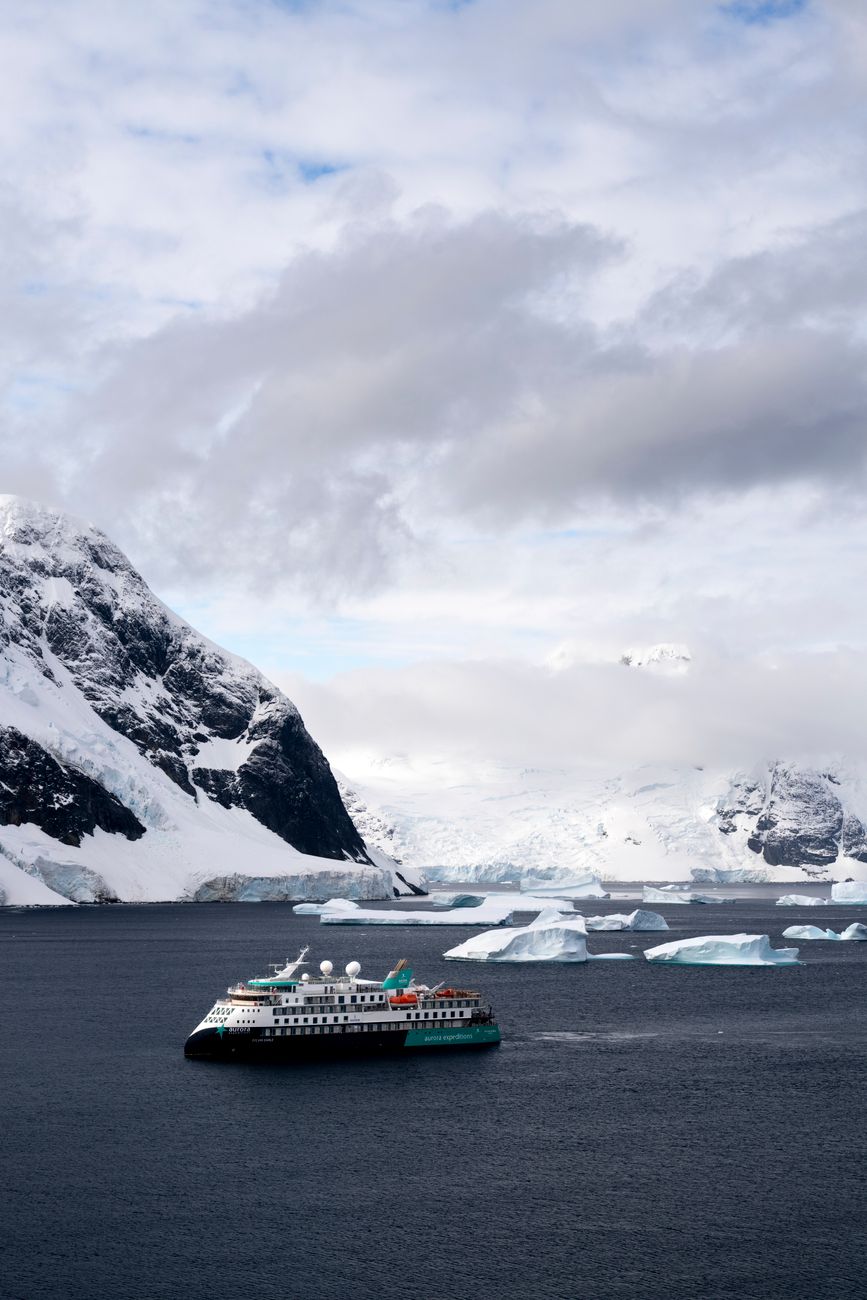
The classic crossing — 10 to 11 days, round trip from Ushuaia. Two days each way across the Drake Passage (rough enough to have earned its own nickname, the "Drake shake"), then four or five days on the Antarctic Peninsula among icebergs, penguins, and whales. Prices start around US$8,000 and realistically run US$10,000–15,000 and up.
The fly-cruise — fly the Drake instead of sailing it: a two-hour flight from Punta Arenas in Chile to King George Island, where the ship is waiting. It saves four days and a lot of seasickness, and costs more — often US$16,000 and up.
The season — late November to March only. December and January are the peak, with the longest days.
The honest part — this is a once-in-a-lifetime, plan-a-year-ahead, serious-money trip. Most people who stand on the Ushuaia waterfront looking at the ships do not get on one. There's no shame in sailing the Beagle Channel instead and saving Antarctica for later.
This is cold-water, end-of-the-world food: crab from the channel, lamb from the steppe, fish from the south Atlantic.
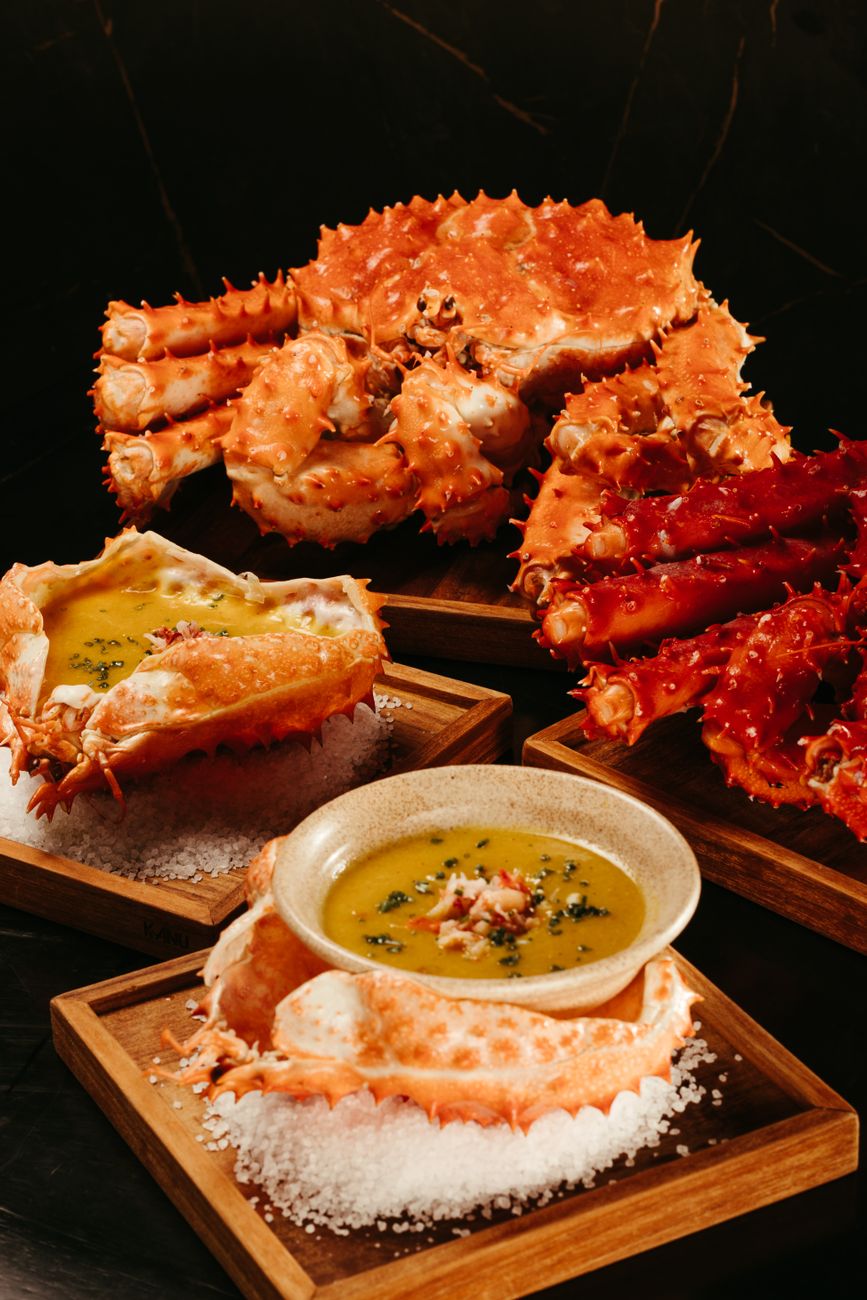
Centolla — southern king crab, pulled from the Beagle Channel. Sweet, firm, cold-water meat, served simply with butter or baked with cheese as centolla a la parmesana. This is the dish to eat here, and the one Ushuaia does better than anywhere.
Cordero fueguino — Patagonian lamb, splayed on an iron cross and roasted slowly over a fire (al palo). Several asado restaurants in town do it; it's the local Sunday meal.
Merluza negra — Patagonian toothfish, the local white fish, usually pan-fried. Less famous than the crab, just as good.
To drink — skip the wine-list debate here and try the local craft beer (Cerveza Beagle and Fuegian are both brewed in town), or a hot chocolate after a cold day on the water.
November to March is the main season. Warmest (about 9–14°C), longest days, and everything open: the park trails, the Beagle boats, the penguins, and the Antarctic ships. December to February is the busy peak — and when the cruise crowds are largest.
October and April are the shoulder. Quieter, with penguins arriving or leaving and the first or last Antarctic sailings. Cooler, but you share the park with fewer people.
June to October is snow season. Cerro Castor, 26 km from town, is the southernmost ski resort in the world and runs roughly June to October. Days are short and dark this far south, so it's skiing paired with early sunsets.
Any month, the weather changes fast. You can get sun, rain, and wind in a single afternoon, and the wind almost never fully stops. Pack layers whatever the date on your ticket.
Getting here, you fly. Ushuaia's airport (USH, Malvinas Argentinas) is the southernmost in the country, about 3.5 hours from Buenos Aires with Aerolíneas Argentinas, JetSMART, or Flybondi. There are also direct flights to El Calafate if you're combining the two.
In town — Ushuaia is small and walkable. You won't need a car for the centre, the port, or the museum.
Out of town — the park, Estancia Harberton, and Cerro Castor all sit outside the city. Reach them by organised tour, taxi, or rental car. A car is handy for the park and the drive north along Ruta 3 toward Lago Fagnano, but it isn't essential if you tour.
One thing to remember — this is the end of the road. Ushuaia is a dead end by land; you arrive and leave by plane, or you drive back up Ruta 3 the way you came, with a Chilean ferry crossing in between.
It's one town, so it's less about which village and more about how high up the hill and how close to the port you want to be.
The centre — walking distance to San Martín, the restaurants, the museum, and the pier. Best if you're here for the town and day tours.
Up the hillside — toward the Martial road. Quieter, with views over the channel, but you'll need a taxi or car to get up and down.
Near the port — convenient if you're embarking on an Antarctic ship and want to roll out of bed onto the dock.
Lodges toward the park or Harberton — remote and scenic, good with a car and a few nights, less good if you want dinner in town.
Cabañas and hosterías — the budget end, scattered around the edges of town.
Ushuaia is the most expensive base in our Argentina pages — pricier than Bariloche, Salta, or Mendoza. It's the end of the supply line, almost everything is shipped or flown in, and a steady stream of cruise and expedition travellers keeps prices firm.
Prices in 2026 euros. Argentina's peso moves with inflation, so treat these as a guide, not a quote. Antarctica is on another scale entirely — budget US$8,000–15,000 and up.
Go if you want the real end of the road — Tierra del Fuego's coastal trails, a Beagle Channel crossing to walk among penguins, king crab to warm up after, and the busiest doorstep to Antarctica on the planet. Skip if you need guaranteed warmth, came only for a cheap Antarctic ticket, or expected a quiet frontier instead of a working cruise port.
Found this useful? Share it.
Still planning?
We don't stop at "here's the country." Real places to stay, what to do, apps that matter, even how to find someone to travel with — plus guides for whatever vibe you're after, from beach days to wine country to slow weekends. All up top. Spin for somewhere new when you're done with this one.