This is your destination guide for Brazil.
This is your destination guide for Chapada dos Veadeiros
📍 Part of BrazilCanyons, waterfalls and quartz rock on Brazil's savanna plateau — start every day early.
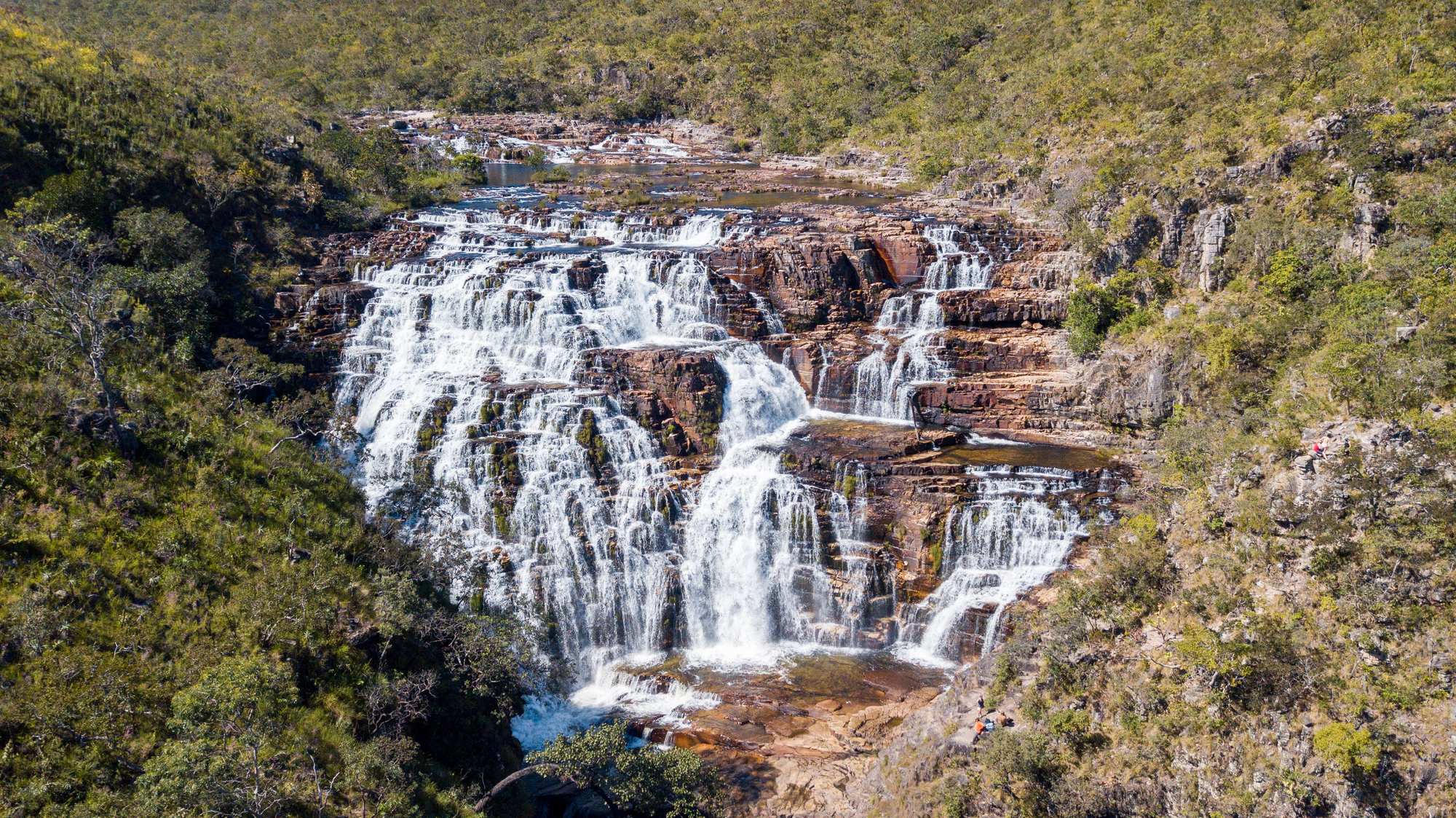

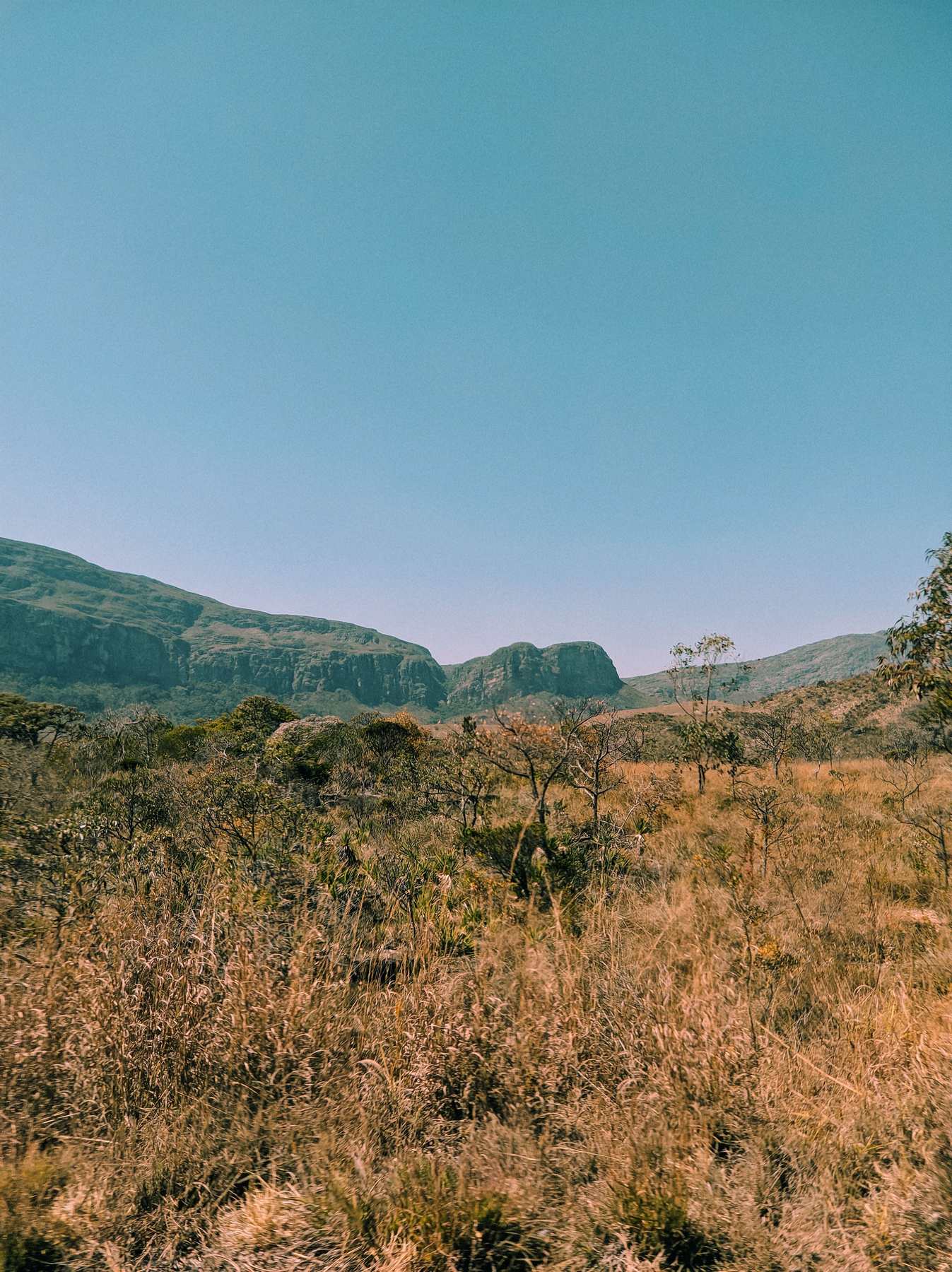
The reality: A few hours north of Brasília, the road climbs onto a high plateau of grass, rock and twisted trees. This is the Cerrado — Brazil's tropical savanna — and Chapada dos Veadeiros is one of the best places to see it. Rivers cut canyons through quartz rock and drop off cliffs as waterfalls.
The national park dates from 1961, and in 2001 UNESCO listed it as a World Heritage Site, together with Emas National Park. Around it sit two very different bases: tiny São Jorge, a village born from crystal mining, and Alto Paraíso de Goiás, the bigger town about 35 km away.
You come here to walk. Most trails are long, hot and rewarding. Give it four days at least, and start every one early.
Two long day trails cover the classic sights, and you walk most of them in full sun.
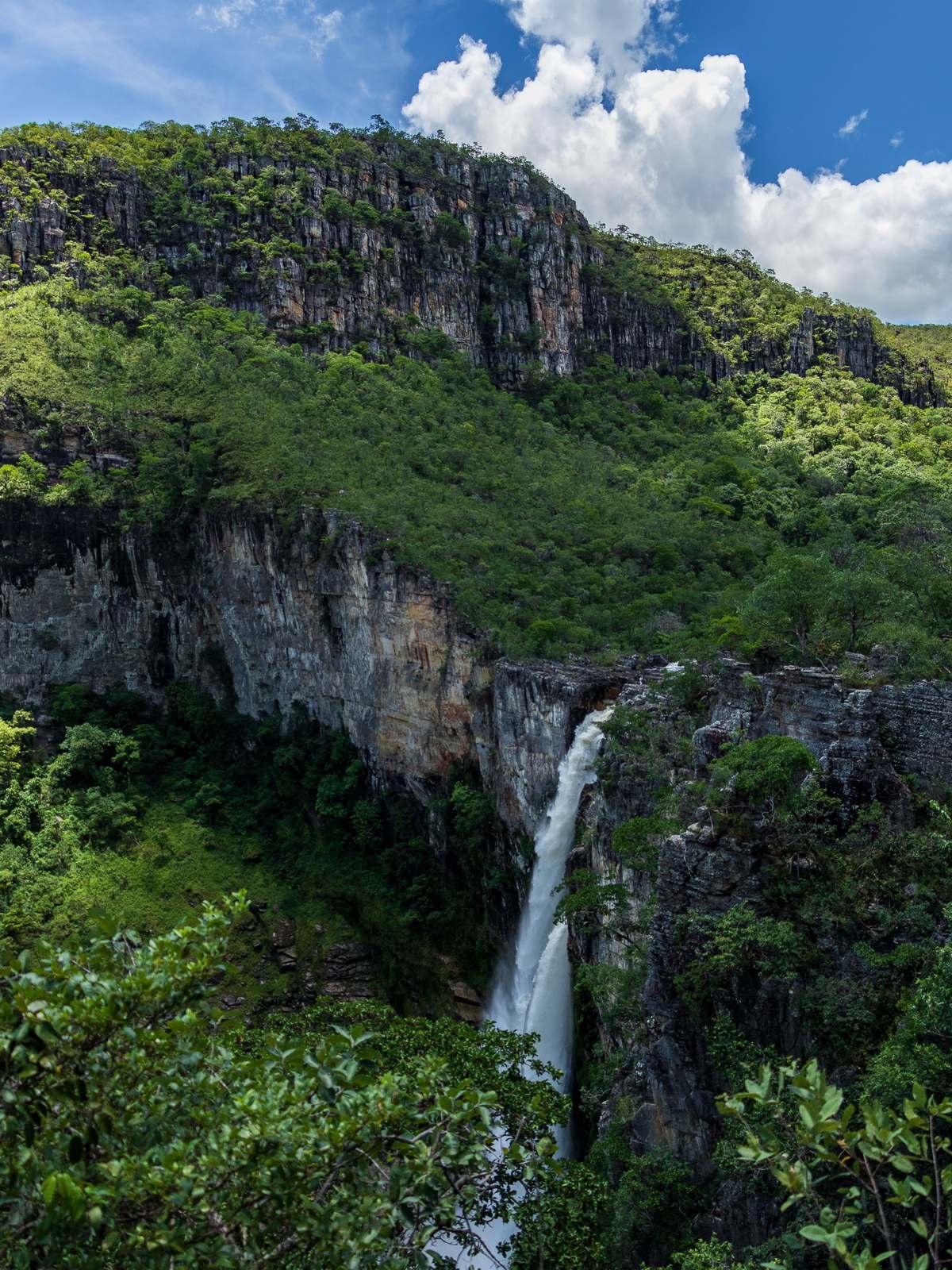
Saltos do Rio Preto — the park's two big waterfalls on the Rio Preto, about 120 and 80 metres high. A long day out — most people's highlight.
Cânions & Cariocas — the other classic: narrow river canyons and the Cariocas waterfall, about 12 km there and back. A good first day.
Tickets — buy them online in advance, and check the opening hours before you go.
Bring — at least two litres of water each, a hat, sunscreen and food. There's no shop on the trails.
Some of the best places aren't in the national park at all.
Some of the region's best water sits on controlled-access land or community territory, with its own rules.
Two bases about 35 km apart. Pick by what you want from your evenings.

São Jorge — a village that grew from a quartz-crystal mining camp in the middle of the 20th century. Dirt streets, small pousadas and restaurants, and the park close by.
At night — step away from the main street and look up.
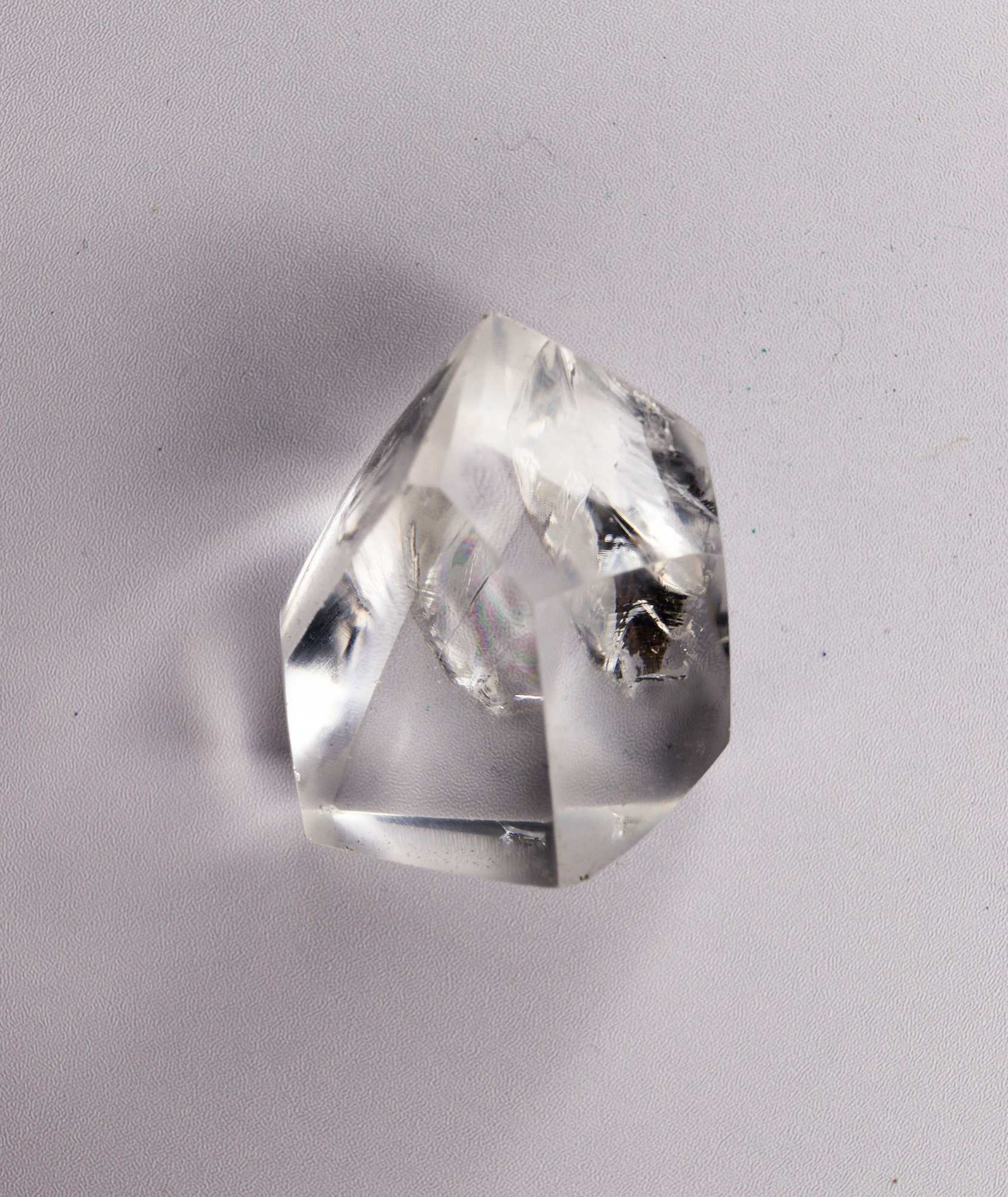
The crystal years — quartz from the plateau was mined for decades for industry. The mines are long closed, but the rock still glitters along the trails.
Alto Paraíso de Goiás — the bigger town, with banks, supermarkets and more places to eat. The practical base if you have a car.
Goiás cooking is hearty farm food, and one Cerrado fruit runs through it.

Pequi — a yellow Cerrado fruit with a strong smell and a strong taste. Love it or hate it. Ask how to eat it before your first bite.
Galinhada — chicken and rice cooked together in one pot, often with pequi. The Goiás comfort dish.
May to September — the dry season. Clear skies, warm days, cold nights and the safest rivers.
October to April — the rainy season. The waterfalls are full and the Cerrado turns green, but flash floods are a real danger, most of all from December to March. Walk early and stay flexible.
Fly to Brasília. From there it's about 220–230 km, around three hours by road, to Alto Paraíso. A car makes everything easier.
Rent a car — the trails, farms and Cavalcante are spread out, and many access roads are dirt. Without a car, use local agencies and pousada transfers.
Guides — required for Kalunga sites like Santa Bárbara, and useful anywhere you'd like the story behind the rock.
Compare rental cars →Most people split their stay or pick one base and drive.
São Jorge — for walking straight into the park and starry nights. Rustic and small.
Alto Paraíso de Goiás — for more choice, shops and food, and a central spot for driving.
Cavalcante — for Santa Bárbara and the northern waterfalls. Quieter and further out.
A farm pousada — for silence and your own waterfall, if you have a car.
Food and beds cost about what they do elsewhere in Brazil. Park tickets, guides and private-land entrances add up over a week.
Approximate prices in Brazilian reais, based on Numbeo's averages for Brazil (November 2026). Carry some cash — not every farm entrance takes cards.
Go if you want long walks across Brazil's savanna to canyons and cold waterfall pools, with early starts and starry nights. Skip if you want wildlife up close, or if hot, shadeless trails sound like punishment.
Found this useful? Share it.
One new way to travel. Every Thursday.
Not deals or destinations — methods. House sitting, night trains, repositioning cruises, and what each one really costs.
Ever thought of travelling this way?
Overnight Ferries
Sleep on a ship that has to cross anyway. A two-berth cabin with a shower for less than a hotel room — and you wake up in another country.
Read article →Campervan Relocations
Rental companies need their vans driven back. Four berths, a kitchen and a shower for about a euro a night — and a country you would never have picked.
Read article →Work Exchange
A few hours a day at a hostel, a guesthouse or a family home, and the bed is yours — in a town with a metro at the end of the street. Our son did it in South America and stayed ten years.
Read article →👇 Tap one, or just type