
City Break Brazil
Your complete guide to Rio, São Paulo, Salvador and Brazilian urban culture
The metro doors open. You step into Baixo Augusta, São Paulo. Neon signs, street art, music bleeding from every doorway. It's 11pm. The night is just starting.
Brazilian cities pulse with energy foreign to Nordic capitals. Rio brings beaches and mountains colliding with urban sprawl. São Paulo offers world-class dining and art. Salvador delivers Afro-Brazilian soul.
Each city has distinct character—Rio is beauty and chaos, São Paulo is culture and grit, Salvador is history and rhythm. Choose based on what you want: beaches or museums, samba or food, colonial streets or modern art.
Best seasons: March-May and September-November. Summer (December-February) brings crowds and peak prices.
Rio de Janeiro—beauty and beach culture
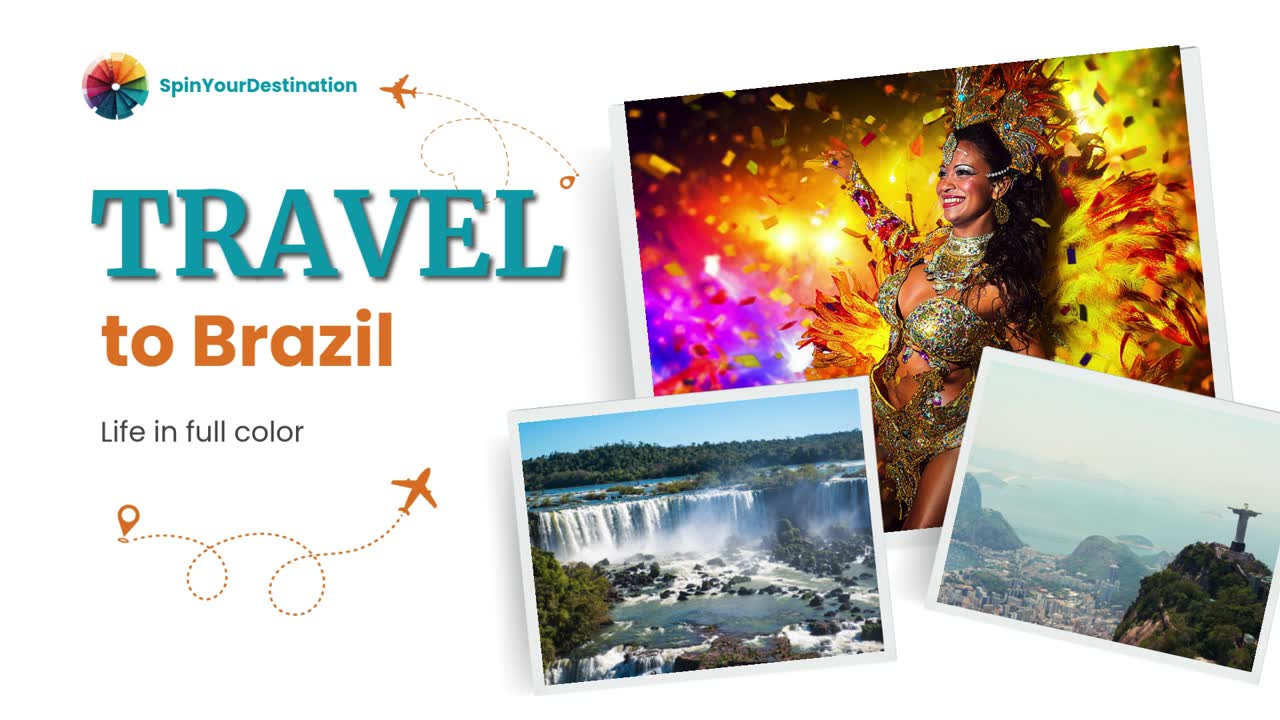
Rio spreads between jungle mountains and Atlantic beaches. Christ statue above. Sugar Loaf rising from harbor. Copacabana and Ipanema defining beachfront urban living.
Santa Teresa neighborhood brings bohemian vibes—colonial houses, art studios, yellow tram (bondinho), hillside views. Arty, walkable, charming.
Lapa is nightlife central—samba clubs, Selarón Steps, colonial arches. Fridays and Saturdays explode with music, caipirinhas, dancing crowds.
Centro (downtown) holds history—colonial churches, Municipal Theatre, Confeitaria Colombo (1894 café). Weekdays busy, weekends empty.
Rio combines natural beauty with urban culture. But safety matters—favelas visible everywhere, some areas avoid at night. Use Uber, stay aware, enjoy the energy.
São Paulo—culture and culinary capital
São Paulo is Brazil's largest city (12 million). No beaches. No obvious beauty. But culture, food, nightlife rival anywhere globally.
Vila Madalena brings street art, independent galleries, bars. Bohemian neighborhood. Beco do Batman (Batman's Alley) explodes with graffiti.
Paulista Avenue is the main drag—MASP museum (art on stilts), Trianon Park, shopping, protests, everything. Central artery.
Food scene is world-class—ranked #5 globally. Michelin stars (D.O.M., Maní, Evvai), innovative chefs, 12,000+ restaurants. Every cuisine exists here.
São Paulo is expensive, chaotic, and rewarding. Less tourist-friendly than Rio. More authentic. Paulistanos (locals) work hard, play hard, eat exceptionally well.
Salvador—Afro-Brazilian cultural heart
Salvador was Brazil's first capital (1549-1763). Pelourinho historic district is UNESCO-listed—colonial buildings in bright colors, cobblestone streets, Baroque churches.
Afro-Brazilian culture strongest here—candomblé religion, capoeira, music, festivals. Igreja de Nosso Senhor do Bonfim draws pilgrims. Ribbon-tying tradition.
Lavagem do Bonfim (January) and Festa de Iemanjá (February) are massive street celebrations. Drums, dancing, religious processions.
Beaches exist (Barra, Rio Vermelho) but Salvador is cultural city, not beach city. Stay for history, music, Afro-Brazilian soul.
Safety concerns—Pelourinho safe during day, sketchy at night. Taxi/Uber recommended after dark. Salvador grittier than Rio but culturally richer.
Urban Brazilian lifestyle
Brazilian cities run on different rhythms—late dinners (8-10pm), late nights (clubs open 11pm-6am), late mornings (nothing before 9am).
Football is religion—Maracanã (Rio), Morumbi (São Paulo), Arena Fonte Nova (Salvador). Match tickets R$50-300. Electric atmosphere. Go if possible.
Street food everywhere—acarajé (Salvador), pastel (fried pastries), açaí bowls (Amazon origin, now national). Cheap, delicious, culturally authentic.
Public transport variable—São Paulo metro excellent, Rio metro limited, Salvador buses confusing. Uber/99 apps safest for tourists.
Safety awareness essential—don't flash phones, jewelry. Avoid favelas without guides. Use official taxis/apps. Brazilian cities are amazing but require street smarts.
🌟 Top City Experiences
🏛️ Pelourinho, Salvador
UNESCO colonial district. Colorful buildings, cobblestones, Baroque churches. Afro-Brazilian culture epicenter. Capoeira shows, street parties. Free to wander. Day visits safest. More info →
🍽️ São Paulo Food Scene
World's #5 restaurant scene. Michelin stars, innovative chefs, 12,000+ restaurants. D.O.M., Maní, Evvai. Every cuisine. Book ahead for top spots. More info →
🌅 Santa Teresa, Rio
Bohemian hillside neighborhood. Yellow tram, colonial houses, art studios, views. Walkable, charming, authentic Rio. Day visit from beaches. More info →
🎶 Lapa Samba Clubs
Rio's nightlife heart. Live samba, dancing, caipirinhas. Carioca da Gema, Rio Scenarium. Fridays and Saturdays best. Cover around R$40-80. More info →
🎨 Maracanã Stadium Tour
Legendary football stadium. Match tickets R$50-300. Stadium tours on non-match days. Essential for football fans. Electric atmosphere during games. More info →
🎨 Vila Madalena Street Art
São Paulo's bohemian district. Beco do Batman graffiti alley, independent galleries, bars. Artistic energy. Free walking tours available. More info →
💡 Insider Tips
- 🔒 Don't flash phones, jewelry in cities—theft opportunistic. Use phone discreetly. Keep valuables at hotel. Uber/99 safer than walking at night.
- 🍺 Nightlife starts late—clubs 11pm-6am. Dinner 8-10pm. Adjust schedule. Nothing happens before 9pm. Brazilians are night owls.
- 🚌 São Paulo metro excellent, Rio metro limited. Download Moovit app for public transport. Uber/99 essential after dark for safety.
- 🍽️ São Paulo has 12,000+ restaurants—research before going. Michelin spots book weeks ahead. Street food (pastel, coxinha) cheap and delicious.
- 📅 Avoid Carnival and New Year unless that's the point—prices triple, cities chaotic. Shoulder seasons (March-May, Sept-Nov) better value and weather.