This is your destination guide for Brazil.
This is your destination guide for Jalapão
📍 Part of BrazilOrange dunes, springs you can't sink in, and five days of sand tracks in central Brazil.
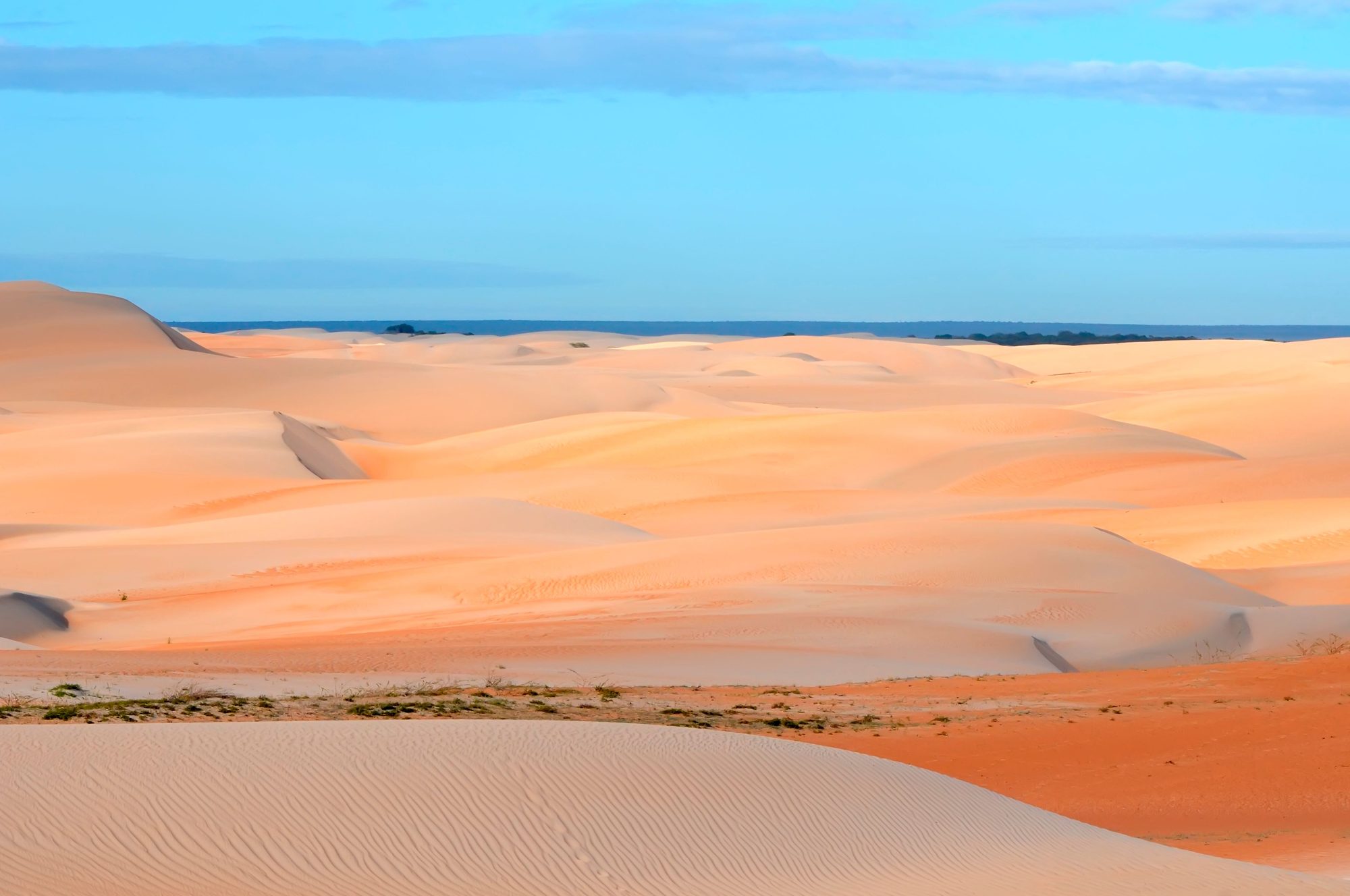

The reality: Jalapão is a huge, almost empty stretch of savanna in the state of Tocantins, in the middle of Brazil. Few towns, few paved roads, and a lot of sand. Then, out of nowhere, orange dunes, crystal-clear springs and wide waterfalls.
The heart of it is the Jalapão State Park, created in 2001. Around it lie the small towns of Mateiros, Ponte Alta do Tocantins and São Félix do Tocantins — the only places with beds, food and fuel.
This is not a place you pass through. You commit to it: most visitors join a multi-day 4x4 trip from Palmas, the state capital, about 300 km away. That's the right call for almost everyone.
The thing nobody believes until they try it. A fervedouro is a small, clear spring where water pushes up through the sand so hard that you float — stand up straight and you bob like a cork.
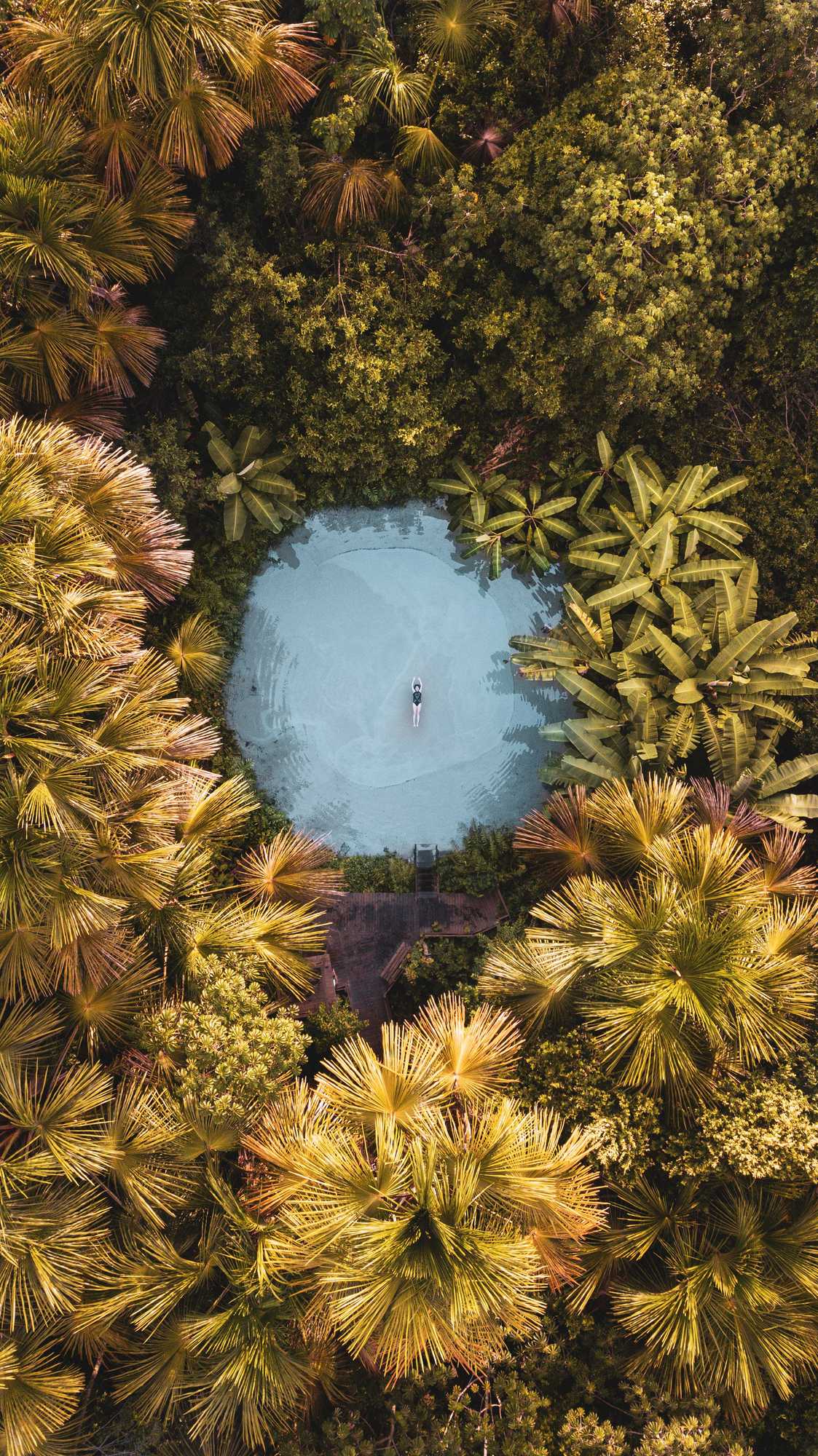
How it works — only a few people go in at a time, often six to ten. When it's busy, your turn in the water is short, around ten minutes. You'll likely wait in the shade. It's worth it.
No sunscreen, no repellent — the water is so clear that any cream shows up as a film on the surface, and it harms the spring. Put it on after, not before.
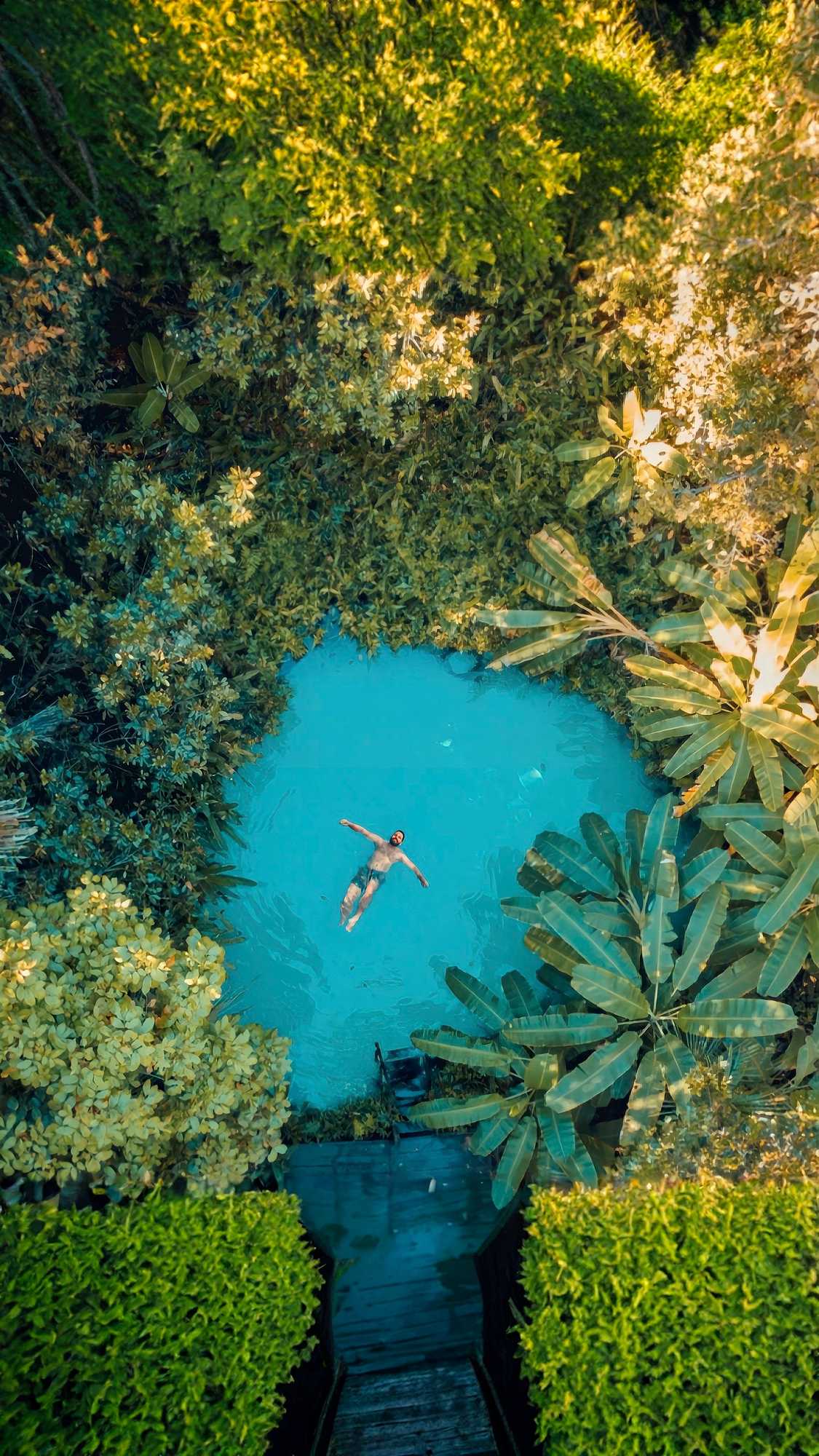
Which ones — there are several around Mateiros and São Félix, and tours usually visit two or three. Each one looks different, and each sets its own limits.
Don't dive — kicking down to the bottom stirs up the sand and breaks the effect for everyone after you. Float, laugh, get out.
The big sights are far apart. These are the ones worth the drive.
Jalapão is Cerrado — Brazil's tropical savanna. Golden grass, twisted trees, flat-topped hills. The surprises sit in between.
The towns are small and practical. Their best export is something you can't find anywhere else.
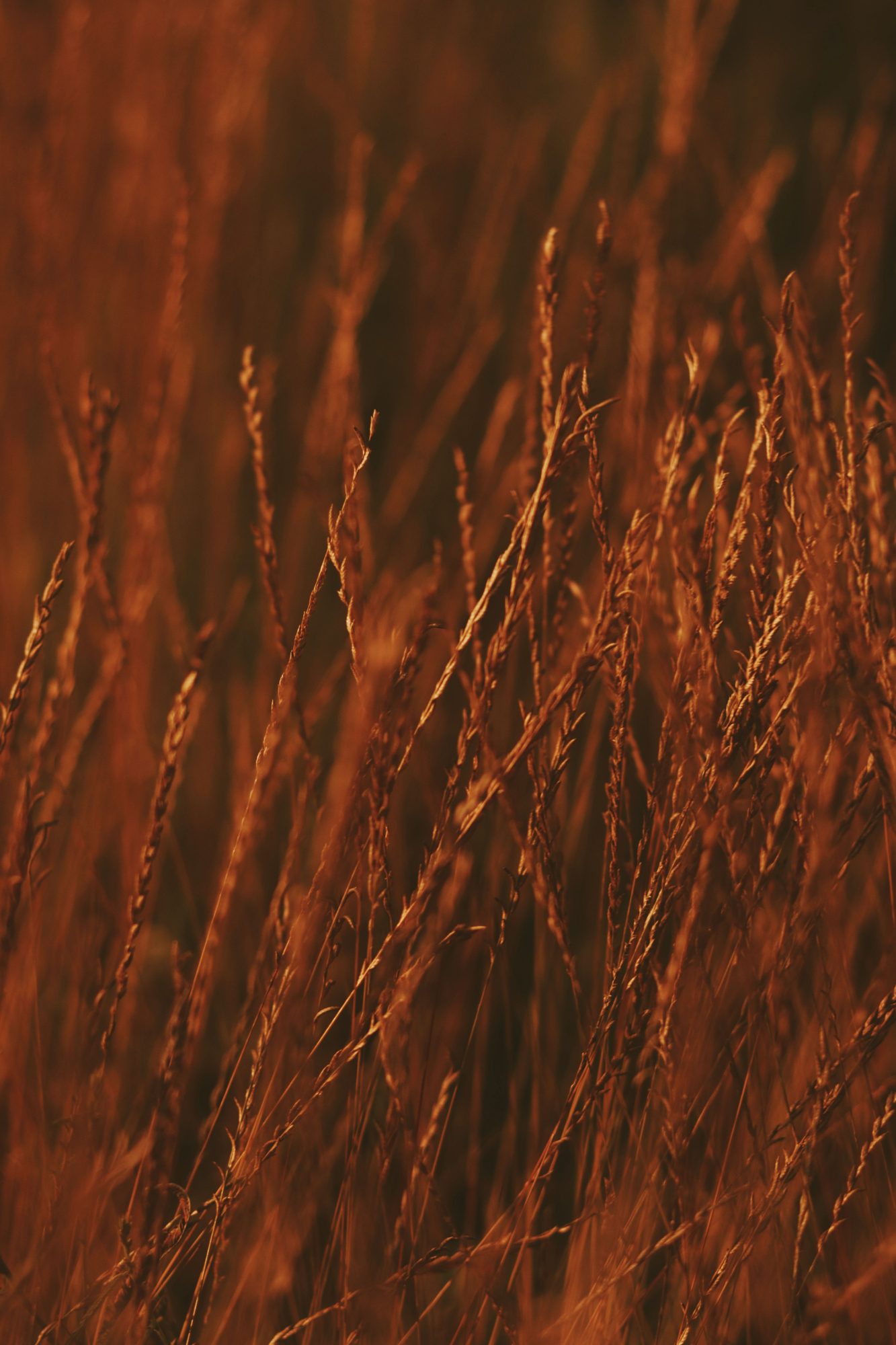
Capim dourado — "golden grass", a plant whose stems shine like metal. Local artisans weave it into bowls, bags, earrings and bracelets.
Buy from the makers — Mateiros is known for its golden-grass craft. Harvesting the grass is only allowed from 20 September to 20 November, so buy the finished craft — never pick it yourself.

Mateiros — the closest town to the dunes and the springs, and the most common overnight stop. Basic, friendly, with simple pousadas.
Ponte Alta do Tocantins — the first town in from Palmas, where the paved road ends. São Félix do Tocantins — small, quiet, and close to several fervedouros.
Simple, filling country cooking. On a tour, most meals are included and served at the pousada or a farm along the way.

Rice, beans and farofa — toasted cassava flour, on every plate. Add chicken, beef or river fish and that's dinner.
Snacks — buy water, fruit and biscuits in Palmas or the towns before each long day. Shops are few and far apart.
May to September — the dry season. The sand tracks are firmer, the skies clear and the springs at their clearest. Brazilian school holidays in July are busy.
October to April — the rainy season. Greener, fewer people, but sand tracks can turn to mud or flood. Expect delays.
Late in the dry season — it gets very hot and dusty, and wildfires are a risk in the Cerrado. Carry more water than you think.
Fly to Palmas. It's the capital of Tocantins, and tours start and end here.
Take a 4x4 tour. From Palmas the road is paved as far as Ponte Alta, then it's about 160 km of dirt and sand to Mateiros. A guided trip with a driver who knows sand is how most people do it.
Self-drive — only in a real 4x4, only with experience of sand driving, and only with offline maps and fuel planned ahead. Fill up in every town.
Compare rental cars →Tours book the beds for you. If you go on your own, book ahead — there aren't many.
Mateiros — the best base for the dunes, the ridge and the springs.
Ponte Alta do Tocantins — handy for the first and last night, and for Pedra Furada.
São Félix do Tocantins — small and calm, near several fervedouros.
Palmas — a night before and after, to rest and stock up.
Jalapão is not cheap Brazil. Food is cheap — but the 4x4, the driver and the long distances make the tour the biggest cost of the trip by far.
Approximate prices in Brazilian reais, based on Numbeo's averages for Brazil (November 2026). In the small towns, coffee and beer are often simpler — and cheaper.
Go if you want orange dunes, springs you can't sink in and five dusty days far from anything — on a 4x4 tour from Palmas. Skip if you want to drive yourself in a normal car, or if a signal every night is non-negotiable.
Found this useful? Share it.
One new way to travel. Every Thursday.
Not deals or destinations — methods. House sitting, night trains, repositioning cruises, and what each one really costs.
Ever thought of travelling this way?
Farm Stays
A few hours’ work a day on a farm, and a bed and dinner at the family table in return. Pick grapes in Portugal in September and again in New Zealand in March.
Read article →Repositioning Cruises
Twice a year cruise ships change oceans, and the crossing is sold cheap to fill the cabins. Two weeks across the Atlantic, six days of open sea, and a whole continent at the end of a one-way ticket.
Read article →Home Exchange
Live in someone’s home while they live in yours, and nobody pays rent. Your ordinary flat is somebody else’s month abroad — and points mean the dates don’t even have to match.
Read article →👇 Tap one, or just type