This is your destination guide for Brazil.
This is your destination guide for Chapada Diamantina
📍 Part of BrazilTea-coloured rivers, blue caves and a valley you walk into — Bahia's old diamond country.
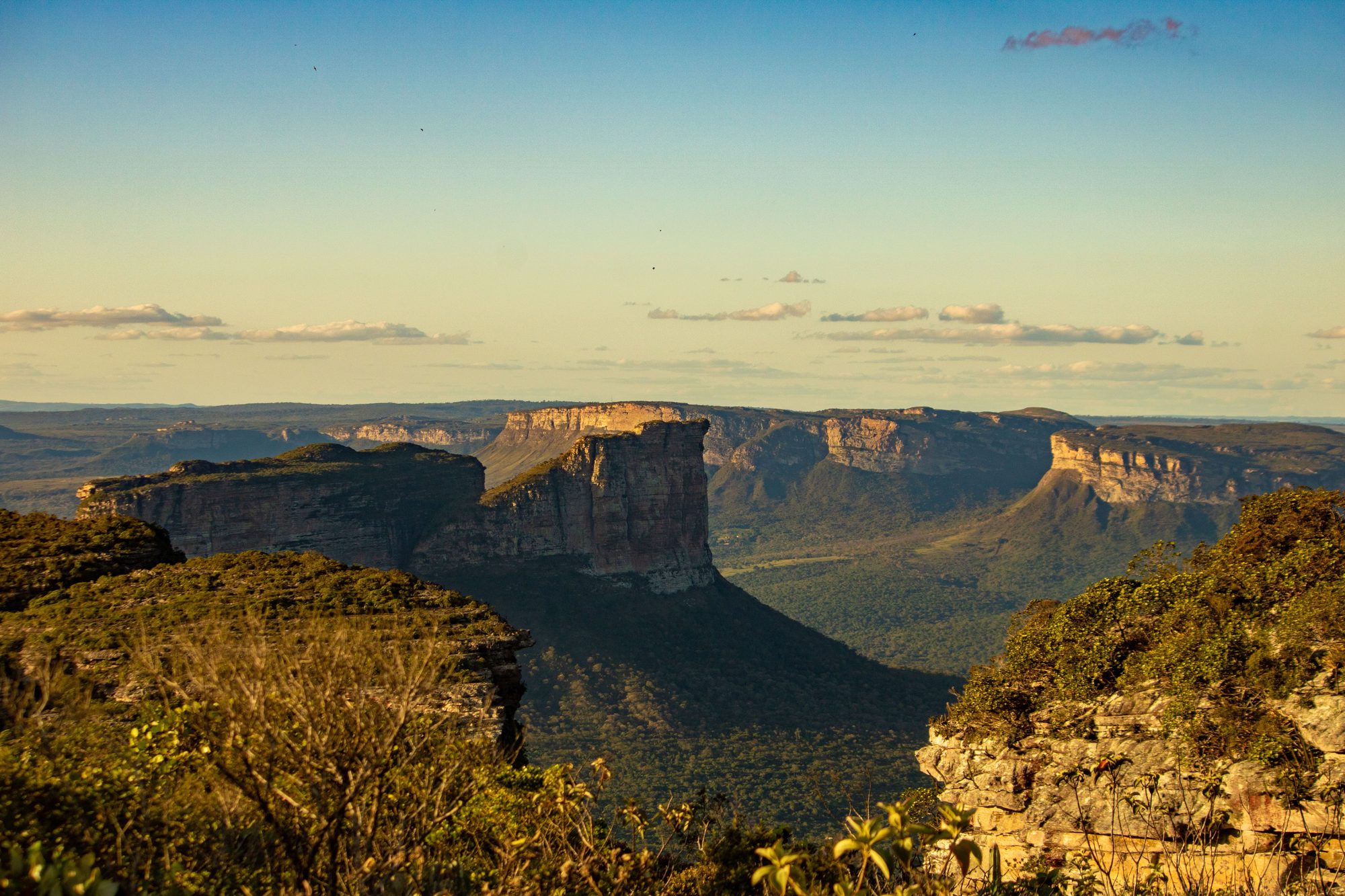

The reality: In the middle of Bahia's dry interior, the land suddenly stands up. Flat-topped mountains, deep green valleys, rivers the colour of strong tea, and waterfalls dropping off sandstone cliffs. This is Chapada Diamantina — and since 1985 a big part of it has been a national park.
The name is a clue. In the 19th century this was diamond country, and towns like Lençóis grew fast around the mines. The diamonds ran out. The stone houses, the miners' trails and the rivers stayed.
The mistake is treating it as a two-day side trip from Salvador. The distances are long and the best walks take a full day — or several. Give it five days at least, split between two bases, and leave a gap for one longer trek.
Two bases, two moods. Lençóis is the old diamond town with the most choice. The Capão valley, on the other side of the park, is greener, slower and closer to the big waterfall.
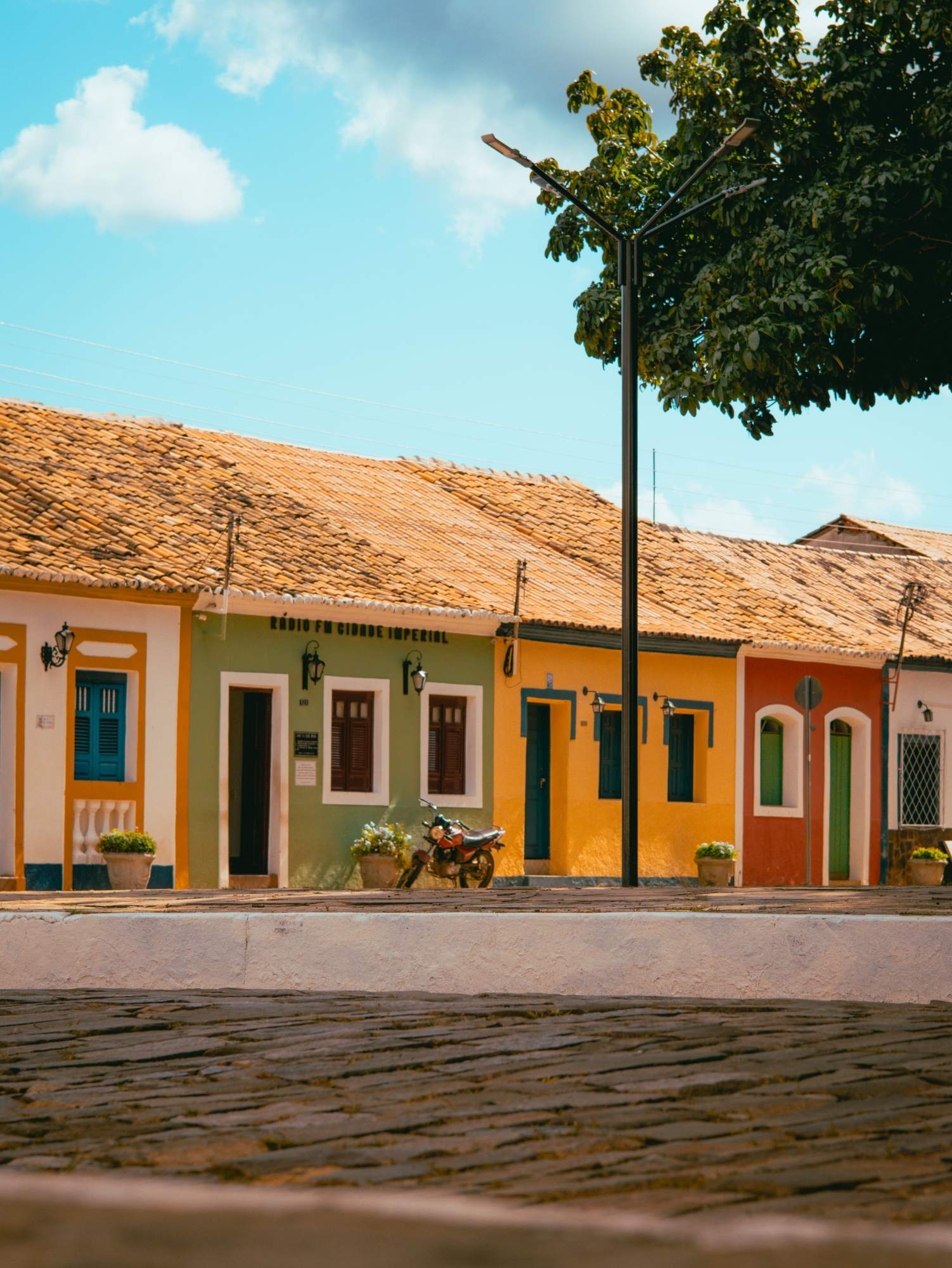
Lençóis — cobbled streets, pastel houses and a river running through town. The historic centre is a protected heritage site, and the evenings are the best of it, when the restaurants put their tables out on the squares.
The diamond years — the town boomed in the 19th century on the diamond trade, and around 570 of its old buildings have been protected since 1973. Walk the side streets for the miners' houses, not just the squares.
Vale do Capão — dirt roads, small pousadas, vegetarian cafés and a lot of people who came for a week and stayed for ten years.
Morro do Pai Inácio — the flat-topped hill with the view most people know from photos of the Chapada. Go for sunset and bring a torch for the way down.
The Chapada's two big draws — and the timing that makes them work.
The water here does two very different things. On the plateau it falls off cliffs. Underground, it fills limestone caves with water so clear it looks like it isn't there.
The day hikes are good. The multi-day treks are why people talk about this place for years afterwards.
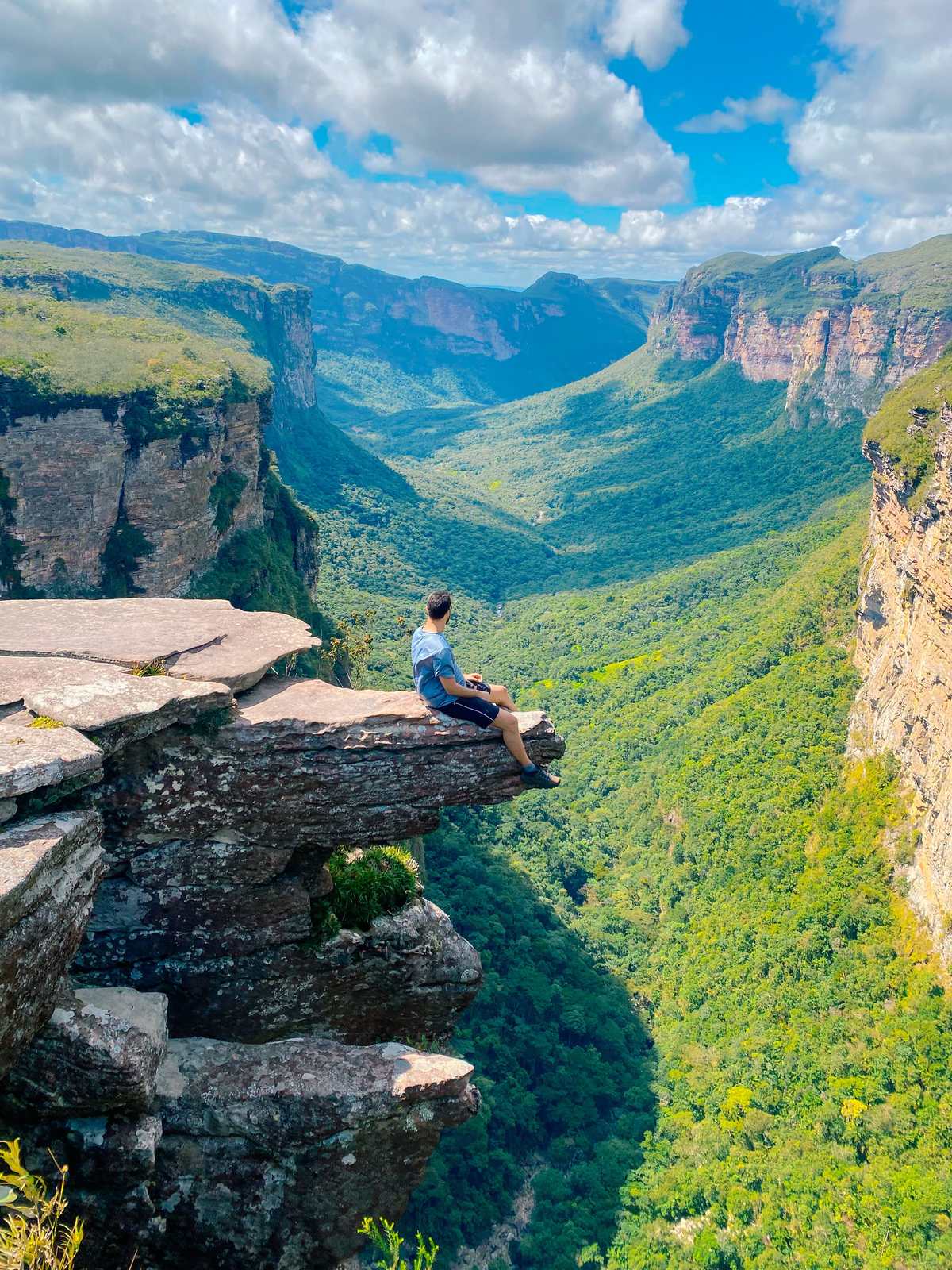
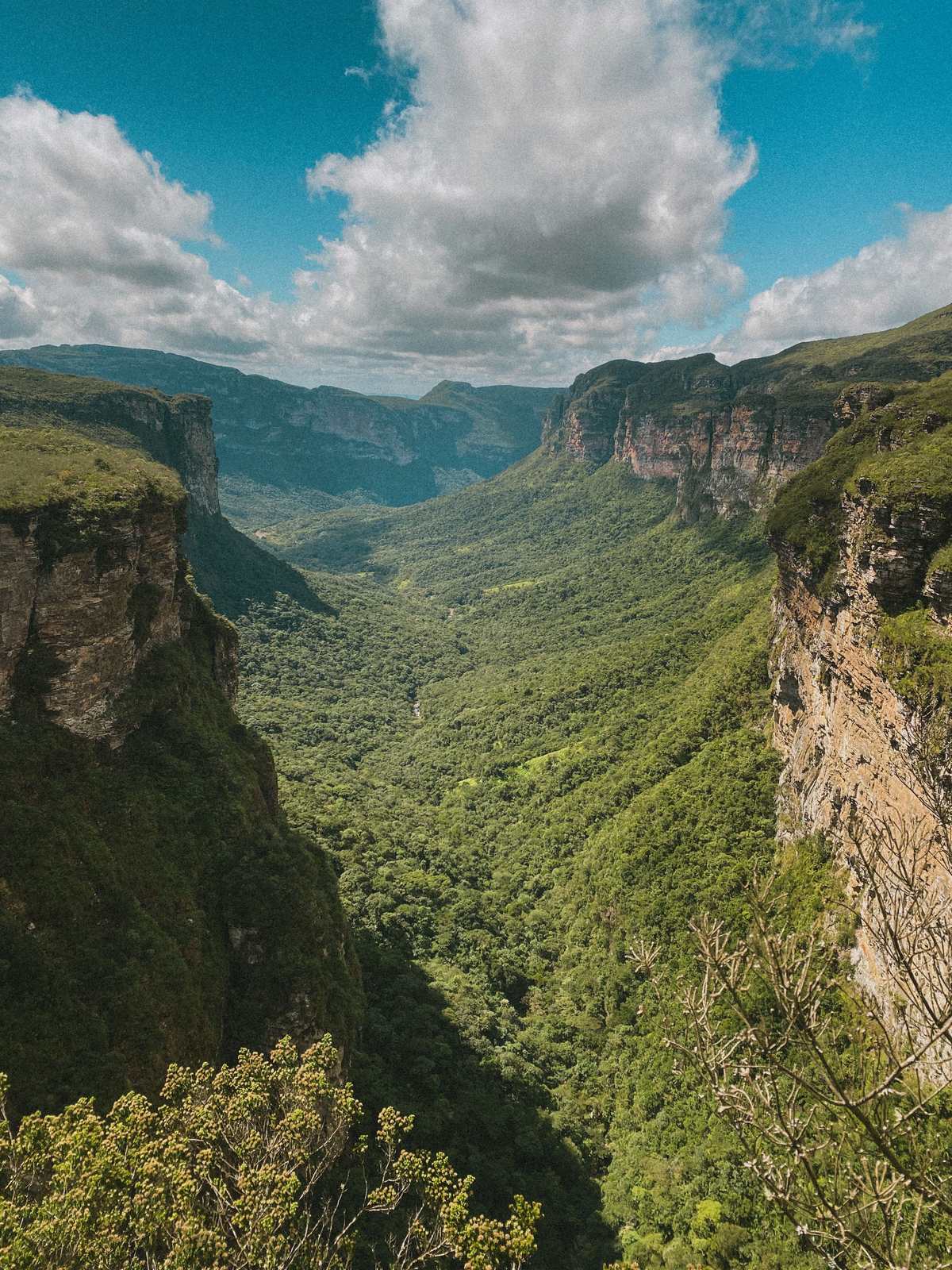
Vale do Pati — a valley you walk into. The families who live there put trekkers up in their houses. A classic route links Capão and Pati in four to five days. You walk all day and arrive somewhere with a hot meal and a bed.
Take a guide — the trails split and fade, and a local guide also sorts the beds and the meals. This is not a place to wing it.
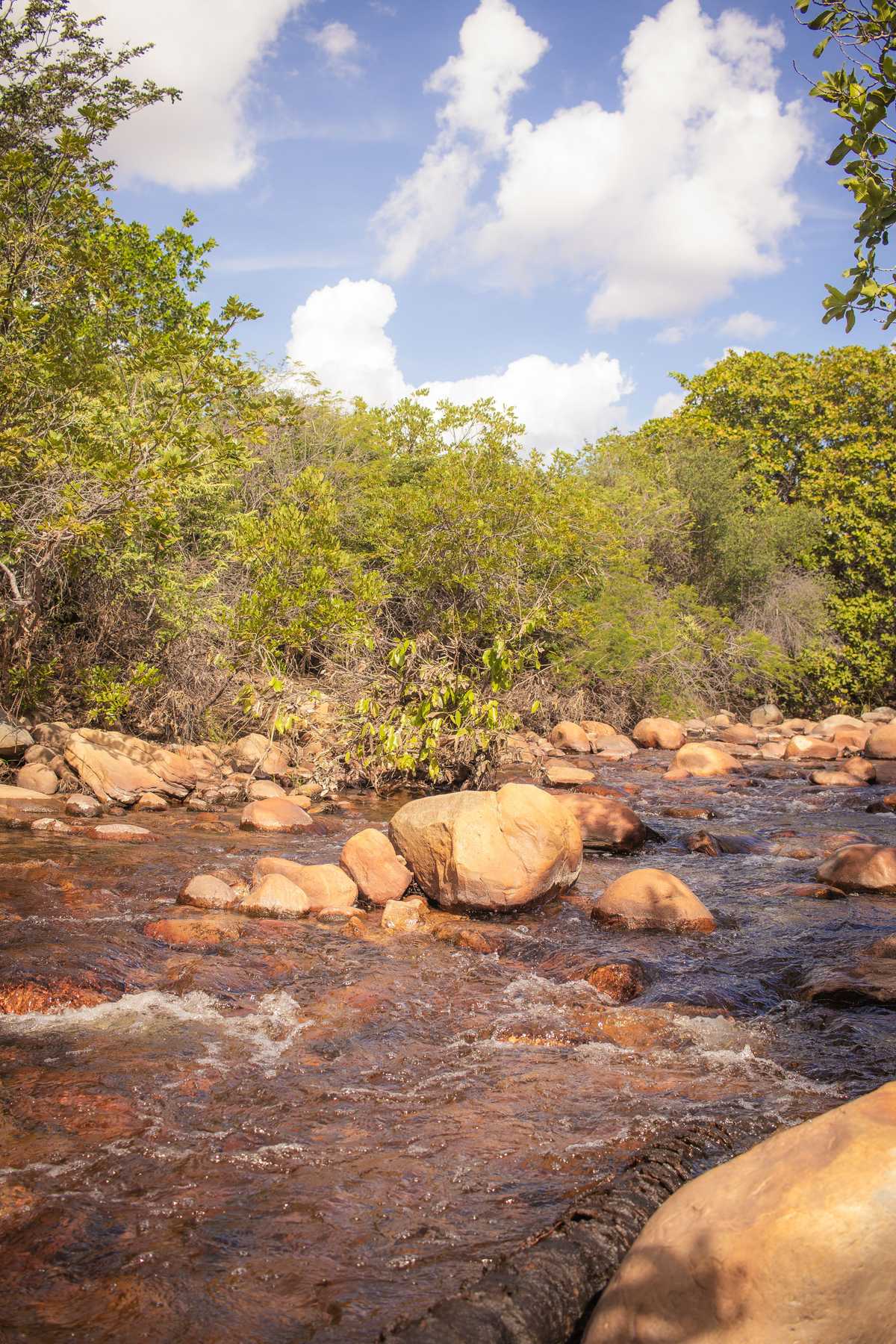
Tea-coloured water — the rivers here run dark red-brown. In the sun, the pools glow copper.
Fumaça on foot — the walk to the top of the big waterfall is about 6 km each way from the Capão valley. Start early and take more water than you think.
This is the Bahian interior, not the coast. Less coconut and seafood, more dried beef, cassava and beans — food made for people who walked all day.

Carne de sol — salted, sun-dried beef, served with fried or boiled cassava (aipim) and a pot of beans. The default dinner after a long hike.
Prato feito — the set lunch at a simple restaurant: rice, beans, meat, salad, farofa. Cheap, filling and nearly the same everywhere.
Cachaça from Abaíra — the area around Abaíra, in the south of the Chapada, is known for its cachaça. Try it straight, slowly, before you try it in a caipirinha.
April to October — the dry season, and the best for trekking. Clear trails, safer river crossings and cool nights.
November to March — the rainy season. The waterfalls are at their fullest, but trails get muddy and rivers can rise in an hour. Plan flexible days.
The blue caves — the sunbeam reaches the water roughly from April to September. Plan them for a sunny day in that window.
Brazilian holidays — Christmas to Carnival and July are busy with Brazilian visitors. Book beds early for those weeks.
Getting there — most people come from Salvador, about six hours by road to Lençóis, with daily buses. Lençóis also has a small airport with flights from Salvador. Check current schedules before you plan around one.
Car or tours. The sights are spread over a huge area, and many roads are dirt. Either rent a car, or base yourself in Lençóis and join day tours with a local agency — which often includes the guide you'd need anyway.
Guides — required at some sites and smart at most others. Hire them in Lençóis or Capão, through your pousada or a local agency.
Compare rental cars →Split your nights. The park is too big for one base.
Lençóis — for the most choice, the restaurants and the easiest day tours. Start here.
Vale do Capão — for Fumaça, quiet and green hills. Small pousadas, slow evenings.
Mucugê — a quieter old town in the south, handy for the southern waterfalls.
Vale do Pati — only on a trek, in local family houses. Your guide books it.
Food and beds are cheap by Brazilian standards. Guides, tours and car hire are where the money goes — budget for them from the start.
Approximate prices in Brazilian reais, based on Numbeo's averages for Brazil (November 2026). Restaurants in Lençóis' centre charge more.
Go if you want red rivers, blue caves and a trek where the day ends in a local family's house — with five days, not two. Skip if you need a beach, or if paying a guide feels like a rip-off rather than the price of getting it right.
Found this useful? Share it.
One new way to travel. Every Thursday.
Not deals or destinations — methods. House sitting, night trains, repositioning cruises, and what each one really costs.
Ever thought of travelling this way?
Overnight Ferries
Sleep on a ship that has to cross anyway. A two-berth cabin with a shower for less than a hotel room — and you wake up in another country.
Read article →Campervan Relocations
Rental companies need their vans driven back. Four berths, a kitchen and a shower for about a euro a night — and a country you would never have picked.
Read article →Work Exchange
A few hours a day at a hostel, a guesthouse or a family home, and the bed is yours — in a town with a metro at the end of the street. Our son did it in South America and stayed ten years.
Read article →👇 Tap one, or just type