

Croatia Drink Guide
From sun-warmed Dalmatian wine to barrel-aged rakija and Zagreb's craft beer revolution — Croatia drinks with character.
Croatia has been making wine since 500 BC. With 130+ indigenous grape varieties, a thriving rakija tradition, and a fast-growing craft beer scene — this is one of Europe's most underrated drink destinations. Here are the places worth visiting in person.
This guide contains information about alcoholic beverages and is intended for adults of legal drinking age in their country.
Wine — Vineyards & Cellars
Four wine regions, 130+ indigenous grapes, and some of the oldest vineyards in Europe. Croatia is the birthplace of Zinfandel.
Istria
Croatia's northwestern peninsula — often called 'the new Tuscany' without the crowds. Known for exceptional Malvazija whites, bold Teran reds, and a growing reputation for orange wines and biodynamic production. Many estates pair tastings with Istrian truffles and olive oil.
Key grapes: Malvazija Istarska · Teran · Muškat
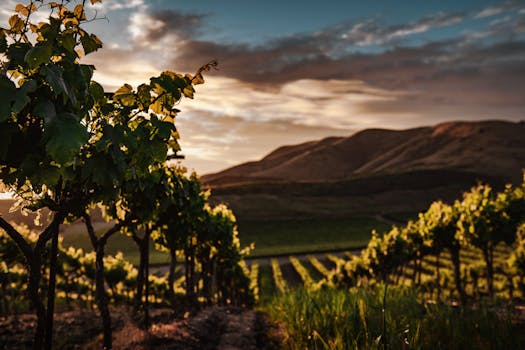
Kozlović Winery
Momjan, Istria
One of Istria's most acclaimed estates. Beautiful stone tasting room with panoramic vineyard views. Their Malvazija Santa Lucia is a benchmark wine.
⏱ Tastings by appointment · 💰 From €15/person · 📍 Near Buje, 20 min from Umag
Visit Kozlović → Reviews and book →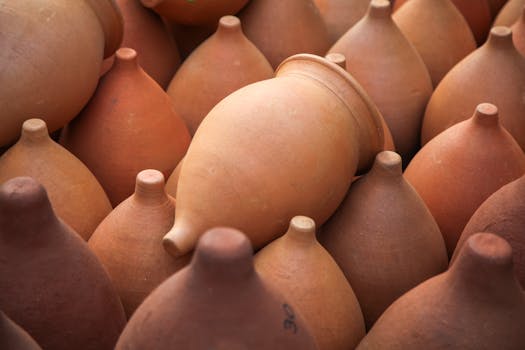
Kabola Winery
Momjan, Istria
Amphora wine pioneer. A family estate that ages wines in clay vessels buried underground — a method dating back thousands of years. Unique tasting experience.
⏱ Open daily in summer · 💰 From €12/person
Visit Kabola → Reviews and book →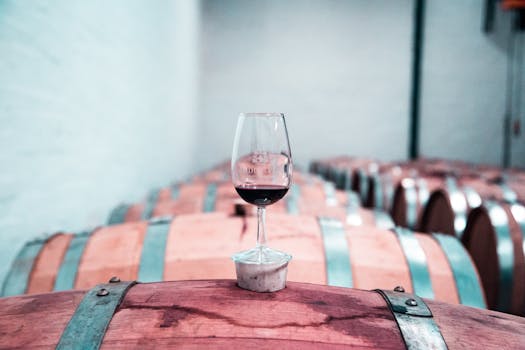
Roxanich Wine & Heritage Hotel
Motovun, Istria
Winery meets boutique hotel near the famous hilltop town of Motovun. Known for bold, unfiltered orange wines and extended maceration whites.
⏱ Tastings & overnight stays · 📍 Walking distance to Motovun
Visit Roxanich → Reviews and book →Dalmatia & Pelješac Peninsula
The Adriatic coast and its islands — home to Croatia's finest reds. The Pelješac Peninsula alone has 250 wineries, with cliffside vineyards producing powerful Plavac Mali. Many tasting rooms are in family homes — intimate and unforgettable.
Key grapes: Plavac Mali · Pošip · Grk · Babić · Bogdanuša
Korta Katarina
Orebić, Pelješac
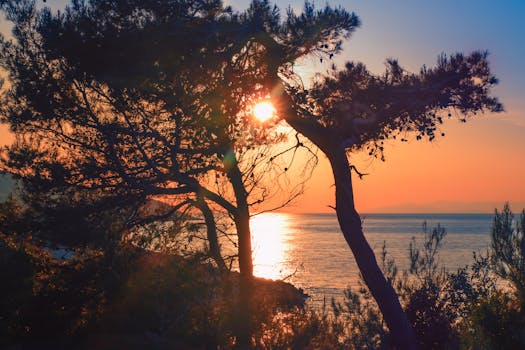
World-class estate with stunning sea views. Combine a winery tour with an extended tasting and five-course meal paired with their wines. Book ahead as this fills up fast.
⏱ Reservation required · 💰 Tasting + meal from €50 · 📍 Southern tip of Pelješac
Visit Korta Katarina → Reviews and book →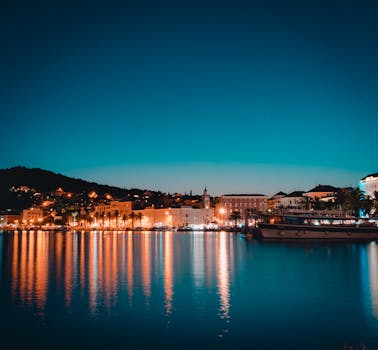
Stina Winery
Bol, Brač Island
Right on the waterfront in Bol — the town famous for Zlatni Rat beach. Award-winning wines, farm-to-table food, and behind-the-scenes cellar tours.
⏱ Open daily in season · 📍 Bol harbor, Brač
Visit Stina → Reviews and book →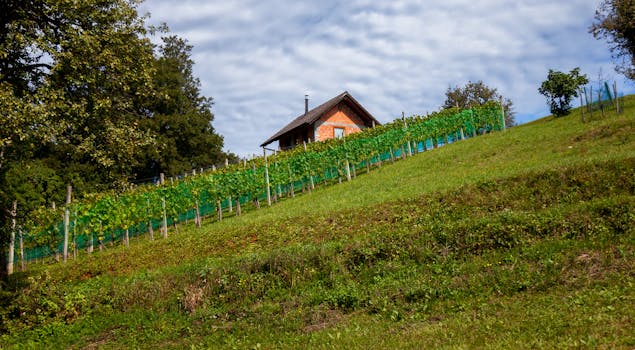
Matuško Winery
Potomje, Pelješac
Deep in the Dingač wine region — Croatia's most famous red wine appellation. The cellar is carved into the hillside. Their Dingač is legendary.
⏱ Drop-in or by appointment · 💰 Tastings from €10
Visit Matuško → Reviews and book →Zagreb Uplands & Plešivica
Known as 'Croatia's Champagne region' — the rolling hills just outside Zagreb are home to 40+ wineries specialising in sparkling wines. Green hills, small family estates, and easy day trips from the capital.
Key grapes: Škrlet · Graševina · Portugizac · Pušipel
Korak Winery
Plešivica, Near Zagreb
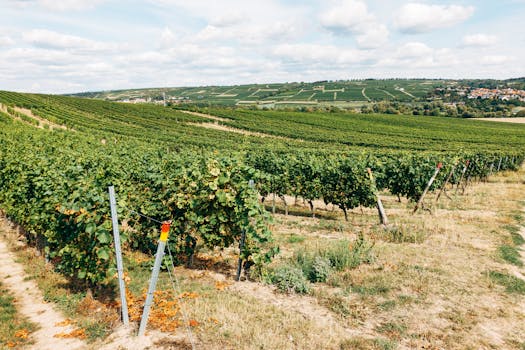
Croatia's top sparkling wine estate — with a Michelin-starred restaurant on the property. A perfect day trip from Zagreb combining exceptional wine and fine dining.
⏱ Reservation essential · 📍 30 min from Zagreb centre
Visit Korak → Reviews and book →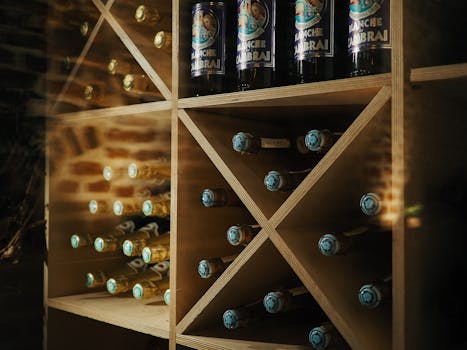
Šember Winery
Plešivica, Near Zagreb
Boutique estate known for elegant sparkling wines made in the traditional method. Intimate tastings with the winemaker in a beautiful hillside setting.
⏱ By appointment
Visit Šember → Reviews and book →Slavonia & the Danube
Croatia's continental east — the country's largest wine producing region. Famous for crisp Graševina whites and historic cellars. Off the beaten tourist path, this is where to find authentic, uncrowded wine experiences.
Key grapes: Graševina · Traminac · Frankovka
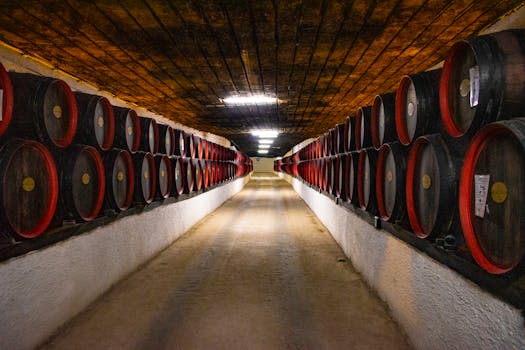
Iločki Podrumi
Ilok, Slavonia
One of Europe's oldest wine cellars — producing wine since 1450. Famous for Traminac, a fragrant white that was served at Queen Elizabeth II's coronation.
⏱ Tours & tastings daily · 📍 On the Danube border with Serbia
Visit Iločki Podrumi → Reviews and book →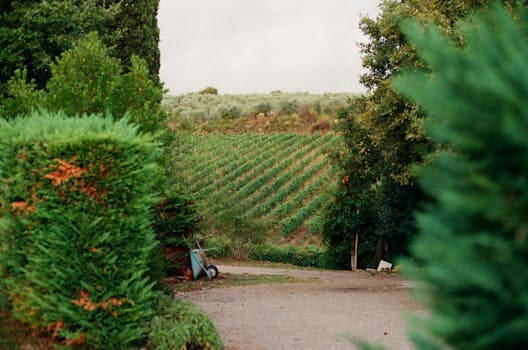
Josić Winery
Baranja, Slavonia
Set inside traditional hillside cellars called gatori — with an upscale restaurant. The most renowned estate in the Baranja region, famous for Graševina and highly local cuisine.
⏱ Restaurant & tastings
Visit Josić → Reviews and book →🍷 Practical Wine Tips
- Most wineries are small and family-run — always call or email ahead to book a tasting
- Many estates pair tastings with local cheese, prosciutto and olive oil (especially in Istria)
- Some smaller wineries are cash-only — bring euros
- Prices are very reasonable: expect €10–25 per person for a full tasting
- Buy direct — many Croatian wines are produced in tiny quantities and never exported
Wine Bars & Tasting Rooms
Not visiting a vineyard? These bars specialise in Croatian wines — the best way to explore without leaving the city.
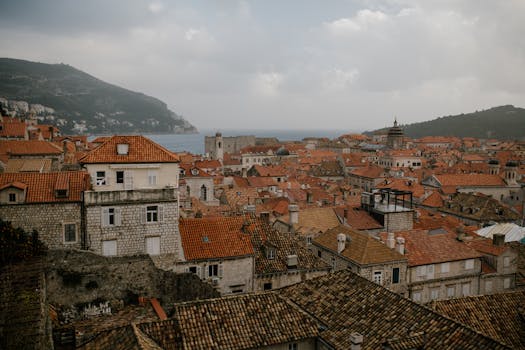
D'Vino Wine Bar
Dubrovnik Old Town
One of Dubrovnik's most loved wine bars — tucked inside the old city walls in a narrow stone street. Relaxed and unpretentious, with knowledgeable staff who genuinely love talking about Croatian wine. 60+ wines by the glass, focused almost entirely on local producers. The perfect place to start or end an evening in the old town — and far better value than most places inside the walls.
Visit D'Vino → Reviews and book →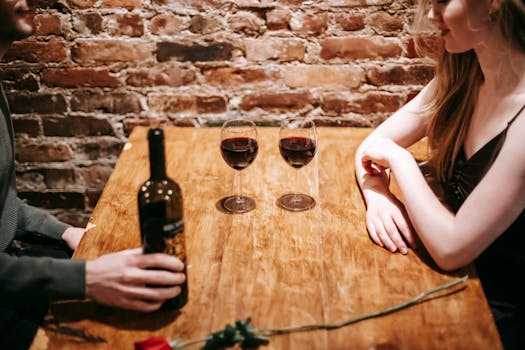
MoNIKa's Wine Bar
Split
One of Split's most celebrated wine bars — a warm, intimate spot just off the main promenade. Owner-led wine tastings with 7 wines and tapas pairings, some wines made by the owner himself. Knowledgeable, passionate staff who make every visit feel personal. Booking ahead is recommended.
Visit MoNIKa's → Reviews and book →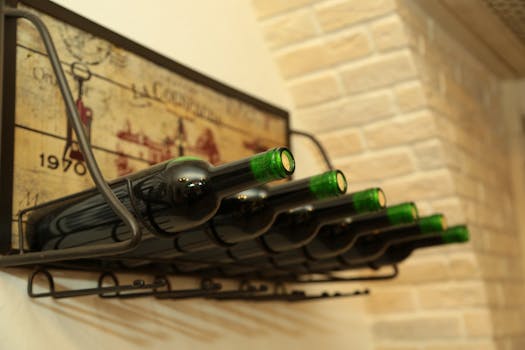
Bornstein Wine Bar & Shop
Kaptol, Zagreb
Croatia's oldest private wine cellar — tucked in a courtyard near Zagreb Cathedral. What started as Yugoslavia's first wine shop 30 years ago is now one of Zagreb's most beloved wine experiences. Guided tastings in English, led by passionate owners Doris and Ivan. Croatian wines paired with local cheeses and charcuterie in a beautifully atmospheric vaulted cellar. Possibly the best wine education you can get in a single evening.
Visit Bornstein → Reviews and book →Know Your Wine
When you visit a Croatian winery, you might notice words like organic, biodynamic or natural on their labels. Here's what they actually mean.
Conventional wine
Mass-produced with synthetic pesticides and additives. The most common type globally — and covers a huge range of quality levels.
Organic wine
No synthetic pesticides. Certified by official bodies. Still may contain added sulfites. Many Croatian family estates are moving in this direction.
Biodynamic wine
Goes beyond organic — treats the vineyard as a complete ecosystem, following lunar cycles and using only natural preparations. Certified by Demeter. Generally very low chemical residues.
Natural wine
Minimal intervention from vineyard to bottle. Wild fermentation, no additives, little or no sulfites. Not officially certified but a growing movement toward wines that truly express where they come from. Istria in particular has become a hotspot for natural wine producers.
Recent research suggests conventional wines worldwide may contain elevated levels of persistent chemicals from pesticide use. Those seeking a cleaner glass may prefer organic, biodynamic or natural producers — many of whom welcome visitors for tastings.
Rakija — Croatia's Spirit
Fruit brandy distilled from plums, grapes, figs, and herbs. Every family has their own recipe. Refusing a glass is almost impossible — and you won't want to.
Distilleries & Producers
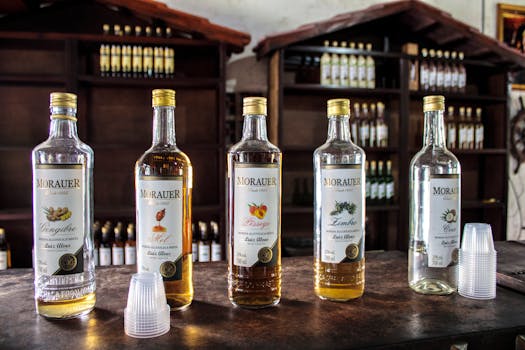
Rakija isn't just a drink in Croatia — it's a symbol of hospitality. You'll be offered a shot at restaurants, guesthouses, and family homes. The main varieties are šljivovica (plum), lozovača (grape), travarica (herbal), medica (honey), and orahovac (walnut). Most production is small-scale and homemade, but a handful of premium distilleries welcome visitors.
Aura Distillery
Buzet, Istria
Premium rakija and brandies infused with Istrian truffles, honey, and wild herbs. A modern take on the tradition with beautiful packaging — perfect for gifts.
⏱ Shop & tastings available · 📍 Historic cellar, Buzet
Visit Aura → Reviews and book →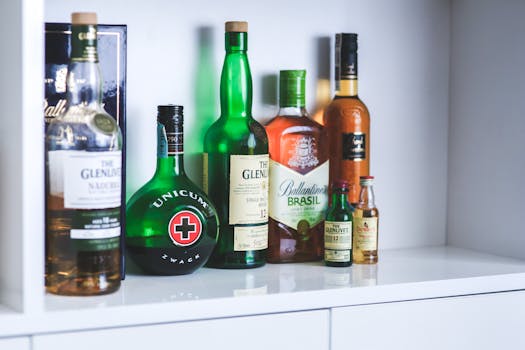
Maraska
Zadar
The historic producer of Maraschino — a unique cherry liqueur with origins dating to the 16th century. Zadar's most famous export. Look for it in bars and shops throughout the city.
📍 Products available across Zadar
Visit Maraska → Reviews and book →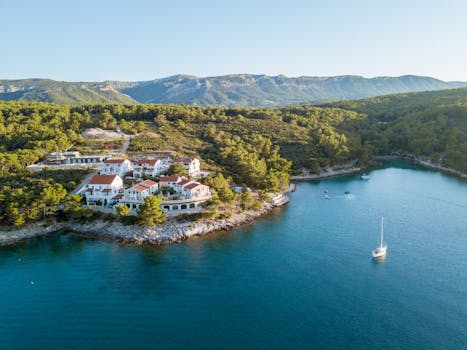
Bibich Winery & Distillery
Plastovo, Near Skradin
Known for both wine and cherry brandy. A creative producer combining tradition with modern techniques. Their tasting room near Krka National Park is worth a detour.
⏱ By appointment · 📍 Near Krka waterfalls
Visit Bibich → Reviews and book →🥃 Rakija Types to Try
- Šljivovica — Plum brandy, the bold classic. Strong and smoky.
- Lozovača — Grape brandy, clean and aromatic.
- Travarica — Herbal rakija infused with wild herbs. Softer and more complex.
- Medica — Honey rakija, sweeter and perfect for beginners.
- Orahovac — Walnut rakija, rich and dark. Often served as a digestif.
- Maraschino — Zadar's famous cherry liqueur. A category of its own.
Craft Beer — Breweries & Taprooms
Zagreb is the beer capital, but craft breweries are popping up across the country. Croatia's scene is young, creative, and welcoming.
Zagreb
Most of Croatia's craft breweries are based in or around the capital. Many have taprooms and offer tours. A craft beer crawl through Zagreb is an excellent way to spend an afternoon.
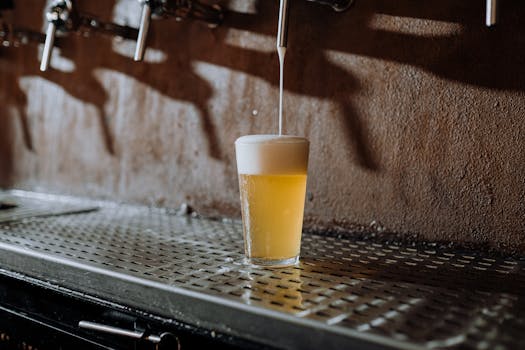
Zmajska Pivovara
Zagreb
Croatia's first craft brewery — opened in 2014 and rated the 9th best new brewery in the world out of 3,800. Seasonal small-batch beers and year-round favorites. The taproom is a must.
⏱ Taproom open daily · 🍺 Try: IPA, Porter, seasonal specials
Visit Zmajska → Reviews and book →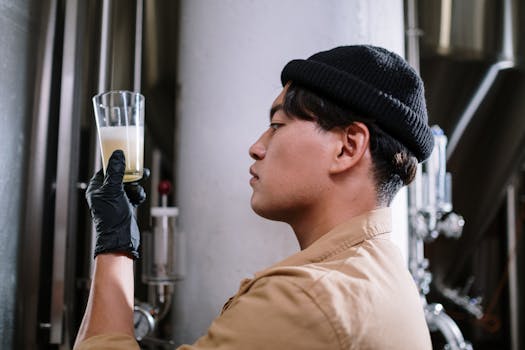
The Garden Brewery
Zagreb
A spacious brewery with a large outdoor beer garden — feels like the breweries you'd find in Portland or Berlin. Voted best brewery in the EU. Great selection of house beers plus guest taps.
⏱ Open daily, tours available
Visit The Garden → Reviews and book →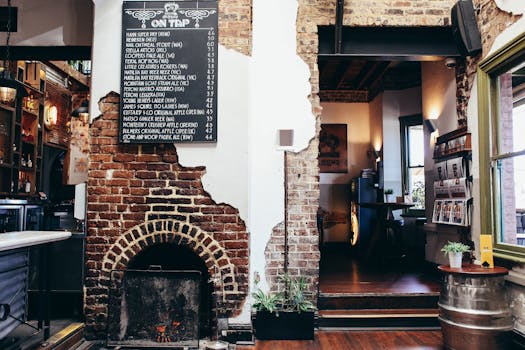
Medvedgrad Brewery
Zagreb
Croatia's largest craft brewery — brewing since before craft beer was trendy. Multiple pub locations across Zagreb. Their dark lager Grička Vještica is iconic.
⏱ Multiple locations · 🍺 Try: Grička Vještica (dark lager)
Visit Medvedgrad → Reviews and book →Beyond Zagreb
San Servolo
Buje, Istria
A craft brewery in the heart of wine country — bringing hoppy beers to Istria. Their beers pair surprisingly well with the region's truffles and seafood.
Visit San Servolo → Reviews and book →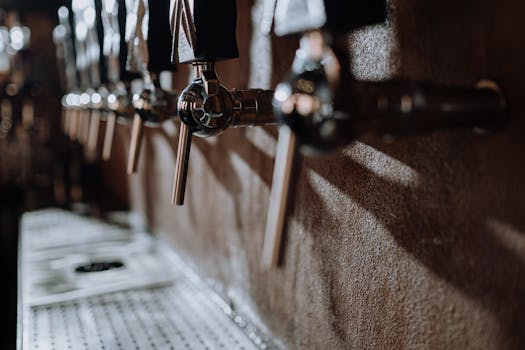
Brlog Brewery
Zadar
A co-op brewery with a shop, tasting room, and beer garden just outside Zadar's Old Town. Great stop between beach and dinner.
Visit Brlog → Reviews and book →Coffee Culture
In Croatia, coffee is never to-go. It's an hour at a pavement café, a conversation that starts over espresso and ends when you're ready. The Dalmatian concept of fjaka — blissful, unhurried doing-nothing — was made for this.
Tkalčićeva Street
Zagreb
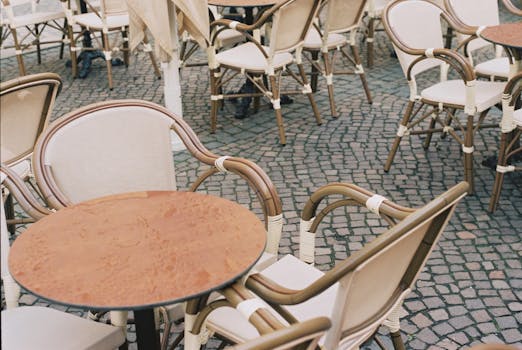
Zagreb's most famous café street — a long cobbled pedestrian strip lined with terrace bars. On Saturday mornings the ritual of špica takes over: dress up, show up, order a coffee, and watch the world go by.
☕ Open from early morning · 📍 Gornji grad, Zagreb
Reviews and book →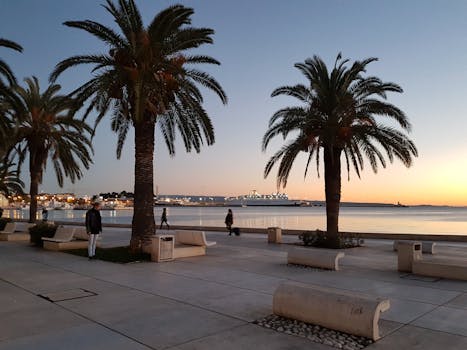
Riva Promenade
Split
Split's waterfront promenade stretches along the old harbour — lined with café terraces facing the Adriatic. Order an espresso, watch the ferries come and go, and take your time. There is nowhere else you need to be.
☕ Open all day · 📍 Old Town waterfront, Split
Reviews and book →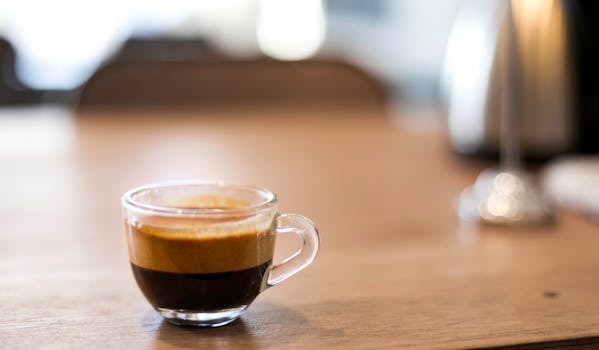
Stradun Cafés
Dubrovnik
Dubrovnik's famous limestone promenade is lined with café terraces that are somehow worth the tourist premium. Order a coffee, watch the crowd, and remind yourself you're sitting on one of Europe's most beautiful streets.
☕ All day · 📍 Old Town, Dubrovnik
Stradoon Café → Café Festival →💡 Good to Know
- 🥃 Rakija is strong — usually 40–60% alcohol. Sip, don't shoot.
- 🥂 "Živjeli!" (zhee-vye-lee) is cheers in Croatian — use it every time.
- 🍷 House wine (kućno vino) in local konobas is often excellent — around €2–3 per glass.
- 🍺 Beer (pivo) costs around €2–3 in most bars; craft beer around €4–6.
- ☕ Coffee culture means you will never be rushed — order, sit, enjoy, repeat.
- 🌿 Many wineries in Istria and Dalmatia welcome walk-in visitors for tastings.