

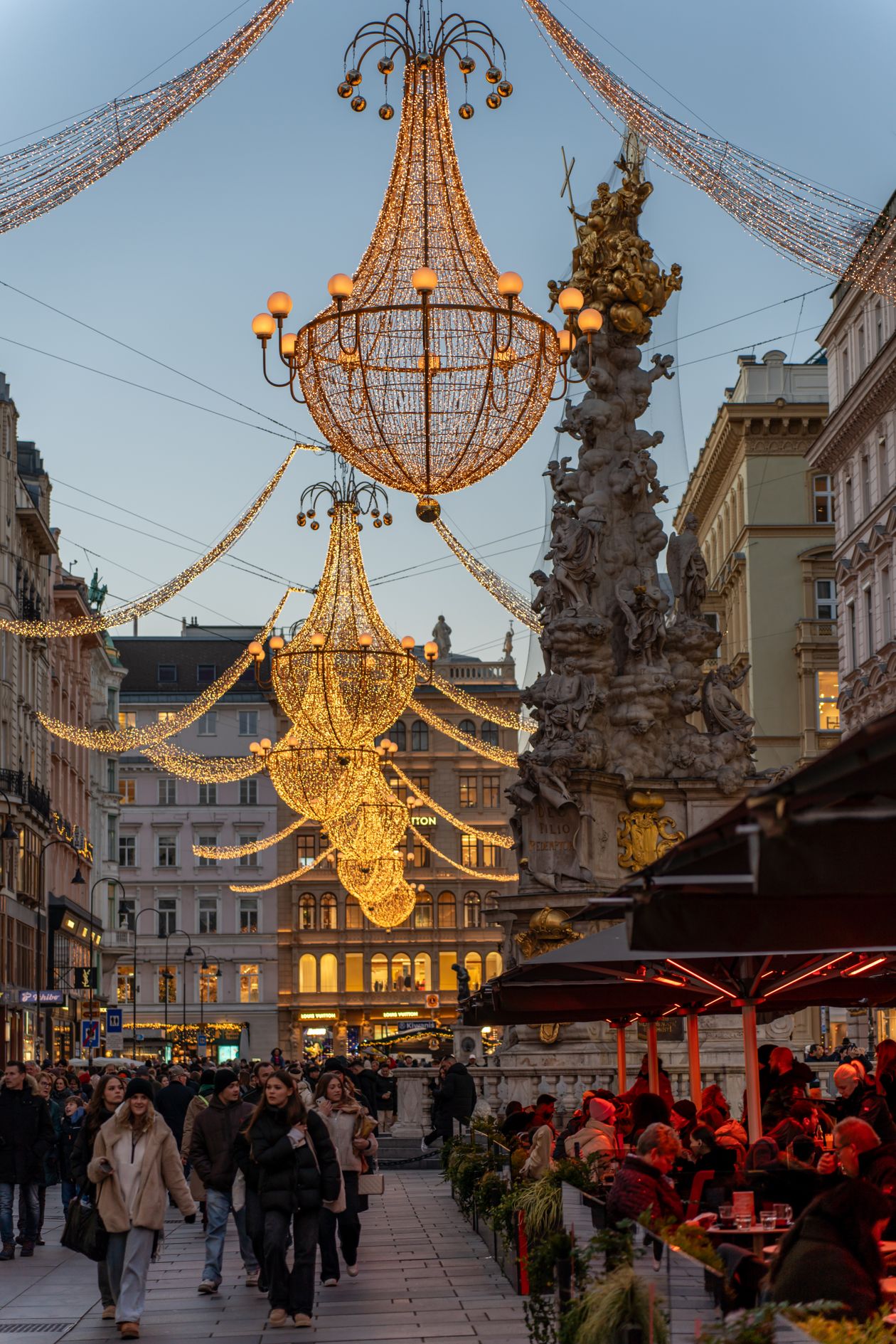
Vienna was the Habsburg Empire's capital for 600 years. That legacy shows everywhere—palaces, museums, opera houses, grand boulevards.
Schönbrunn Palace is Austria's most visited attraction. 1,441 rooms. Imperial ceremonial halls open for tours. The gardens are free and massive. The world's oldest zoo sits next door, established in 1752.
The Hofburg Imperial Palace downtown houses the Spanish Riding School where Lipizzaner stallions perform. The imperial jewels sit in the treasury. Chapel choirs sing on Sundays.
Stephansdom cathedral dominates the city center. Gothic architecture. Climb the tower for rooftop views across Vienna's historic core.
Vienna's coffeehouses earned UNESCO cultural heritage status in 2011. Café Frauenhuber is the oldest—Mozart and Beethoven performed here. Order a Melange (coffee with milk), sit for hours, read newspapers. That's how it's done.
Salzburg sits beneath Festung Hohensalzburg, a 900-year-old fortress perched on a cliff. It's one of Europe's largest and best-preserved medieval castles. The funicular climbs up. Views stretch across the old town and surrounding mountains.
Mozart was born on Getreidegasse in 1756. His birthplace is now one of the world's most popular museums. The narrow street is lined with wrought-iron shop signs and baroque buildings.
Schloss Hellbrunn, a 17th-century summer palace just outside town, features trick fountains that spray unsuspecting visitors. It's whimsical, unexpected, and hosts Christmas markets in December.
The Sound of Music filmed here. Mondsee Cathedral hosted the wedding scene. Tours visit filming locations. Austrians find this amusing—the film was never popular locally.
Salzburg's old town is compact, walkable, and UNESCO-listed. Cafés spill onto squares. Church spires punctuate the skyline. It's postcard Austria.
Innsbruck sits in a valley surrounded by peaks. Cable cars climb from the old town to over 2,000 meters in minutes. The Nordkettenbahnen offers views reaching Austria's highest peak, Grossglockner (3,798m), on clear days.
The city hosted Winter Olympics twice—1964 and 1976. Skiing, hiking, and climbing define the culture here. The old town features the Goldenes Dachl (Golden Roof) with gleaming copper tiles, the Hofburg palace, and pastel-colored medieval buildings.
Hallstatt is Austria's most photographed village. Pastel houses reflect in a glacial lake. Mountains rise behind. It's a UNESCO World Heritage site. The Salzwelten salt mine—world's oldest at 7,000 years—still operates.
The Grossglockner High Alpine Road is a 48km mountain drive through Hohe Tauern National Park. Hairpin bends. Waterfalls. Jewel-colored alpine lakes. Views of Grossglockner itself. It's one of Europe's most scenic drives.
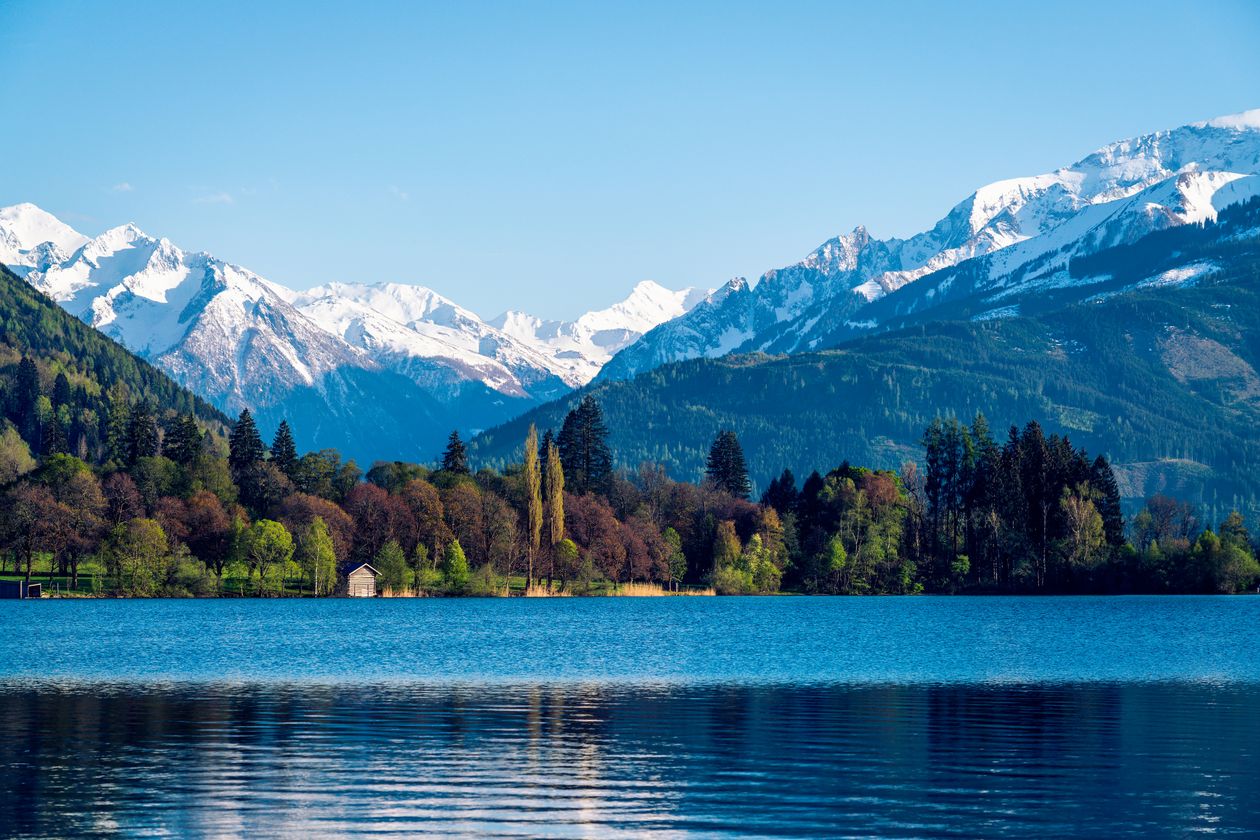
Zell am See offers a pristine blue lake surrounded by glaciated peaks. Summer brings hiking. Winter brings skiing. The Pinzgauer Spaziergang is a memorable day hike with panoramic views.
ÖBB trains connect Vienna, Salzburg, and Innsbruck in 2-3 hours. They're punctual, comfortable, and scenic. Book Sparschiene tickets early for fares from €9.90.
Vienna's public transport is excellent. Buy a week pass for unlimited trams, U-Bahn, and buses. The Vienna City Card adds museum discounts.
Heuriger wine taverns serve local wine and simple food. They're cheaper than restaurants and authentically Viennese. Look for a pine branch above the door—that signals they're open.
Wiener Schnitzel at lunch costs €8-12. The same dish at dinner runs €18-25. Lunch menus (Mittagsmenü) offer the best value.
Free concerts happen regularly. Karlskirche and Stadtpark bandstand host performances. Classical music is everywhere—this is Mozart, Beethoven, and Strauss's home turf.