

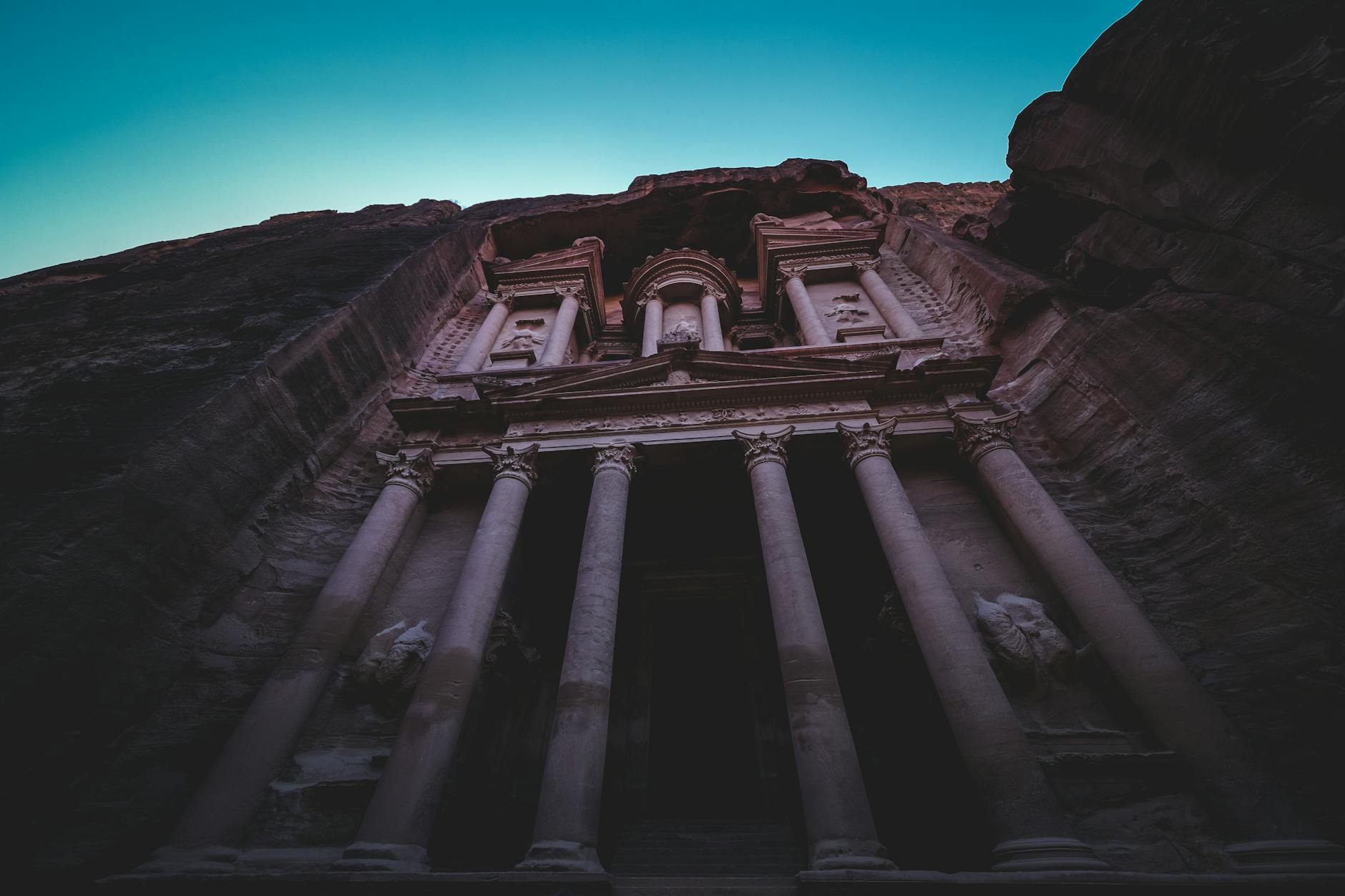
Petra is Jordan's crown jewel. A UNESCO World Heritage Site. One of the New Seven Wonders of the World. And it's vast—much bigger than most expect.
The Siq leads you in—a narrow canyon cutting through sandstone cliffs. The walk takes 20-30 minutes. Then the Treasury appears. It's the iconic shot. Cameras come out immediately.
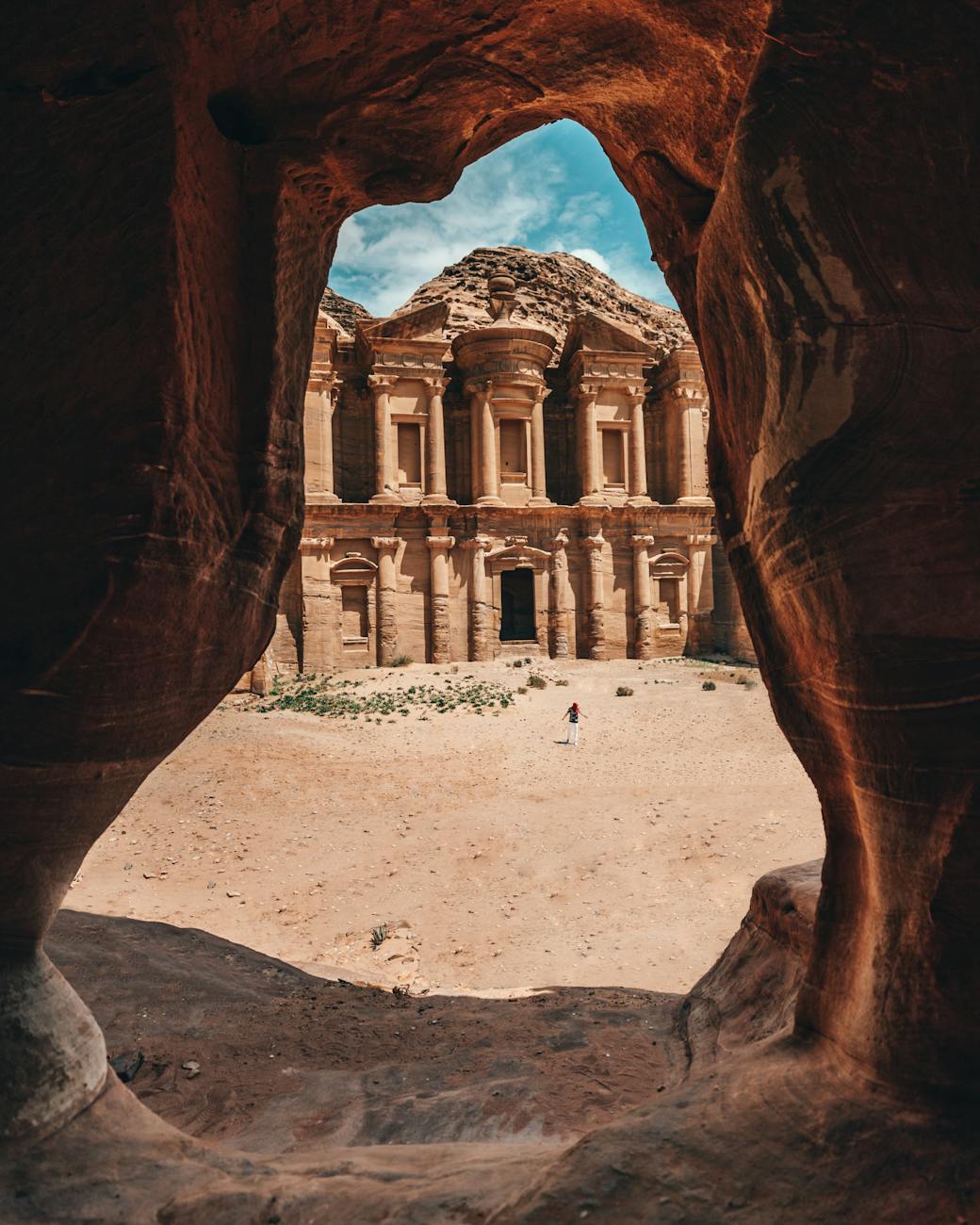
But Petra extends far beyond. The Street of Facades holds dozens of carved tombs. The Roman Theater seats 3,000. The Monastery sits high on a hill—another massive carved facade reached by 800 rock-cut steps.
Entry costs 50 JD (about $70 USD) for a one-day ticket, 55 JD for two days. It's pricey. It's also worth it. Most visitors need a full day to see the major sites. Serious explorers take two or three.
Start early. Summer heat (March-October) can be intense. Bring water, sun protection, and comfortable shoes. You'll walk 10+ kilometers easily.
Wadi Rum is Jordan's desert. Red sand. Massive sandstone mountains. Rock bridges. Canyons. It's otherworldly—they filmed The Martian here.
Most visitors take a 4x4 jeep tour (3-4 hours) through the desert, visiting natural arches, ancient inscriptions, and stunning viewpoints. Then they stay overnight in a Bedouin camp.
The camps range from basic (shared tents, communal bathrooms) to comfortable (private tents with bathrooms). Prices run 25-40 JD per person per night, including dinner and breakfast. Meals are traditional Bedouin—often cooked in underground ovens.
The night sky is extraordinary. No light pollution. The Milky Way stretches clearly overhead. Many camps offer "sleep under the stars" options where you just lie on mattresses in the open desert.
Wadi Rum sits between Petra (1.5-2 hours north) and Aqaba on the Red Sea (1 hour south). Most people visit as part of a south Jordan circuit.
Amman is Jordan's capital. Modern, sprawling, built mostly in the 20th century across seven hills. It's not as tourist-focused as Petra, but it's where real Jordanian life happens.
The Citadel sits on the highest hill—Jebel Al Qala'a. Roman, Byzantine, and early Islamic ruins occupy the site, including the Temple of Hercules and Umayyad Palace. Views across Amman are excellent from here.
Downtown (Al-Balad) brings busy markets, the Roman Theater (magnificently restored from the 2nd century), and local street food. Rainbow Street in Jabal Amman offers cafés, restaurants, and a more contemporary vibe.
The Jordan Museum in Ras al-'Ayn presents the country's history beautifully. The Dead Sea Scrolls are housed here—fragments of the oldest biblical manuscripts known.
Amman works well as a base. Day trips reach Jerash (Roman ruins), Madaba (Byzantine mosaics), the Dead Sea, and Mount Nebo.
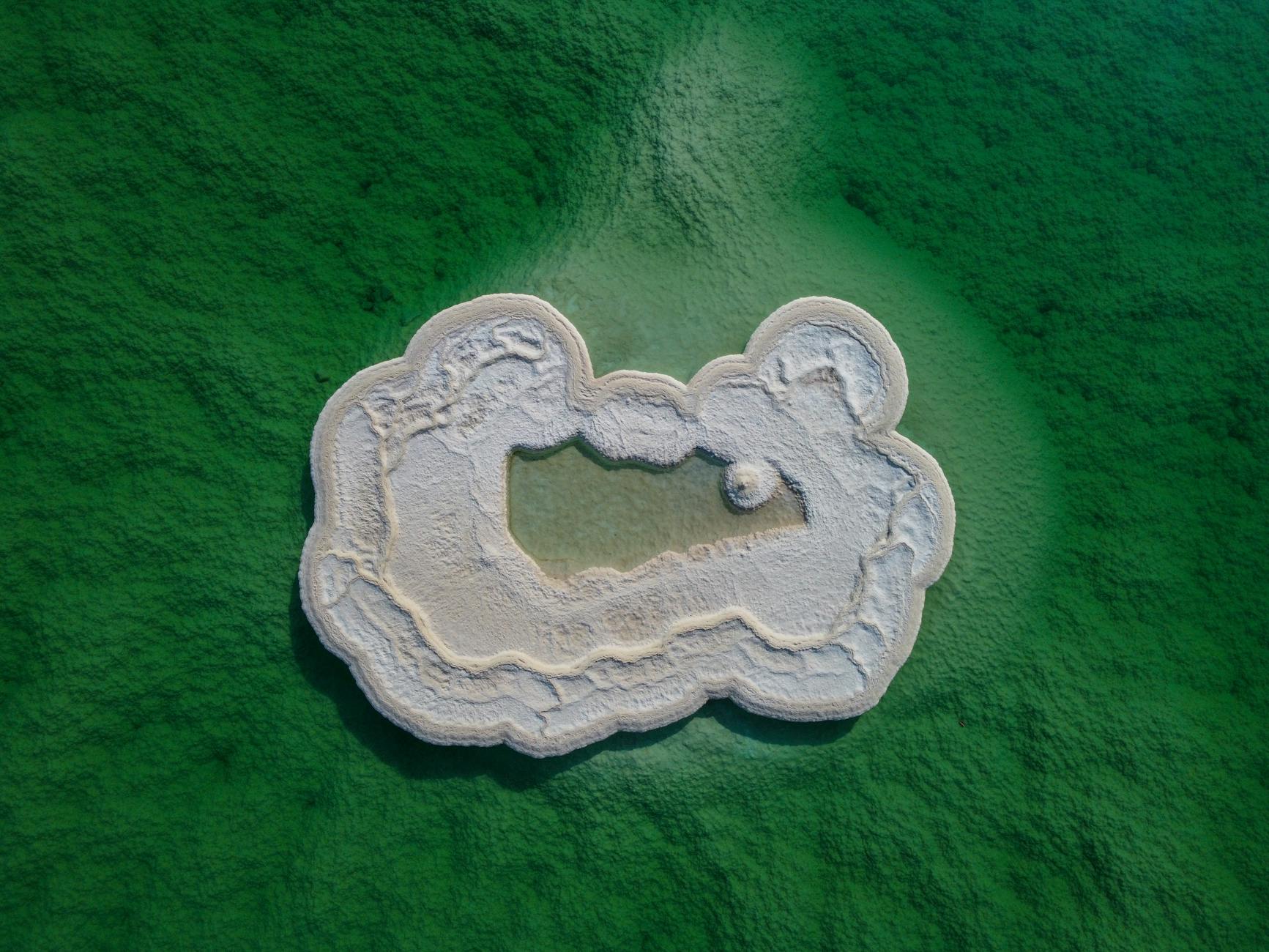
The Dead Sea is the lowest point on Earth—430 meters below sea level. The water is 34% salt (compared to 3% for regular ocean). You float without trying. It's bizarre and fun.
The mud is mineral-rich. People smear it everywhere, let it dry in the sun, then rinse in the salty water. Resorts line the shore—some let day visitors use pools and beach access for a fee.
The water stings if you have any cuts or scrapes. Don't splash it in your eyes. Don't shave the morning you visit. The salt finds everything.
The Dead Sea sits 45 minutes from Amman. Most people visit for a few hours or stay overnight at a resort. It's surreal and worth experiencing once.