
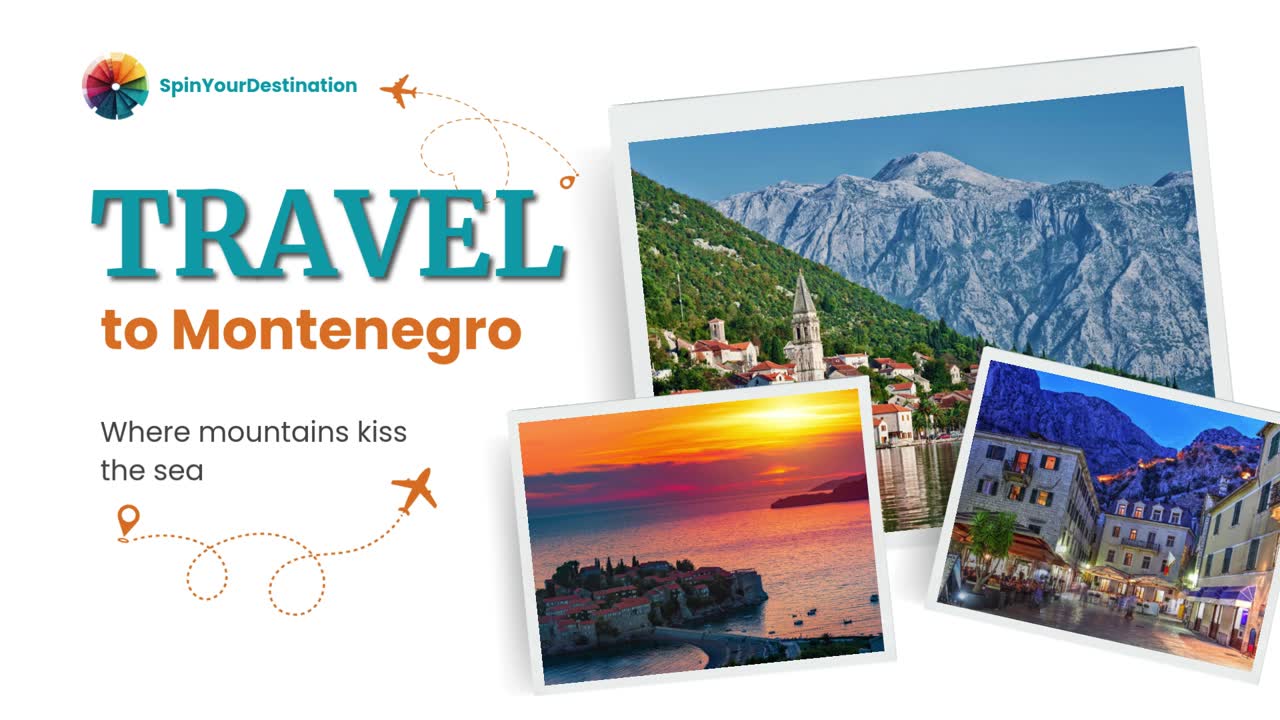

The Bay of Kotor looks like a Norwegian fjord. But it's the Adriatic. UNESCO-listed. Dramatic cliffs drop straight into blue water.
Kotor Old Town sits protected by medieval walls built between the 9th and 14th centuries. The fortifications climb the mountain—1,350 steps up to San Giovanni Fortress. The view from the top: the entire bay laid out below.
Perast sits further along the bay. Baroque architecture. Waterfront palaces. Just offshore, Gospa od Škrpjela—Our Lady of the Rocks—an artificial island built in 1452 with a church on top.
A new cable car opened in 2023, climbing 4,300 feet to Mount Lovćen and the world's highest mausoleum at 5,500 feet. The view: 360 degrees across the bay and mountains.
The drive up is memorable too—25 hairpin bends through Lovćen National Park. Count them if you dare.

Durmitor National Park is UNESCO-listed wilderness. High altitude—1,475 to 2,500 meters. Limestone peaks. 18 glacial lakes called "Mountain Eyes." The Tara Canyon cutting through the middle.
Žabljak is the base at 1,450 meters—the highest town in the Balkans. Even in August, nights drop to 10°C. Pack layers.
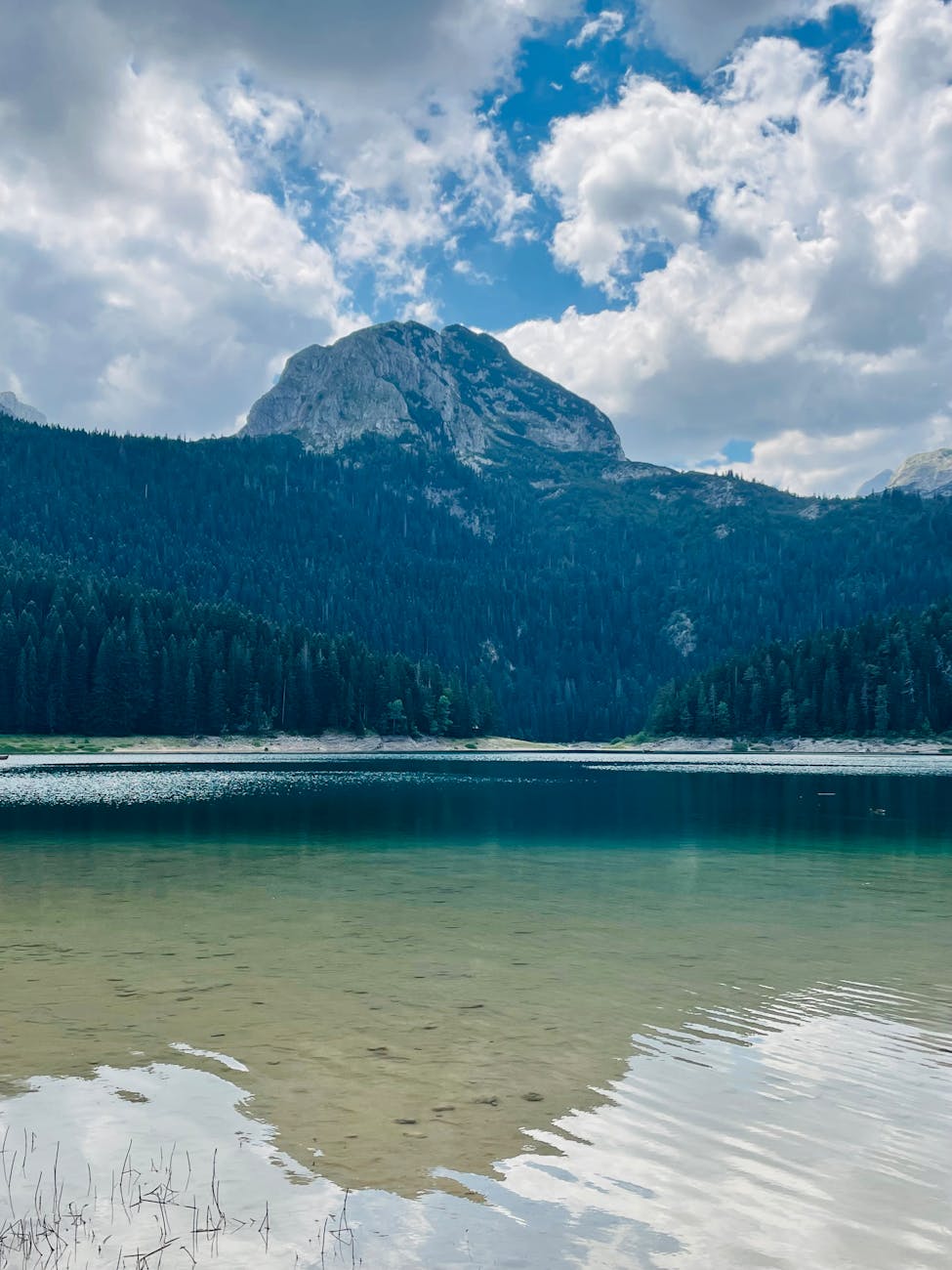
Black Lake (Crno Jezero) is a 15-minute walk from town. Best visited early morning or late afternoon before the crowds arrive. The water reflects the surrounding peaks perfectly on calm days.
Bobotov Kuk is the highest peak at 2,523 meters. Serious hikers go for the summit. Everyone else enjoys the 85km Ring Road loop by car or bike.
The Tara River runs 42 miles through Europe's deepest gorge. Rafting season runs June to October. Entry to the park costs €5 per person per day.
Budva is Montenegro's most-visited destination. Called "the Montenegrin Miami" for its nightlife. But the Old Town (Stari Grad) brings history.
Venetian fortifications surround the medieval core. The Citadel sits at the highest point with views across the Adriatic. Below, churches date back centuries—the Church of Santa Maria in Punta from 840 AD.
The beaches are the draw for many. Sveti Nikola island—locals call it "Hawaii"—sits just offshore. Nearly 2km long with clear water and fallow deer wandering the interior.
Ploče Beach, about 10km west, offers a quieter alternative. Pebbles instead of sand. Scrub-covered peninsula. Less crowded than the town beaches.
Budva works as a base for both beach days and cultural exploration. Mountains rise just behind the coast. You can hike in the morning and swim in the afternoon.