
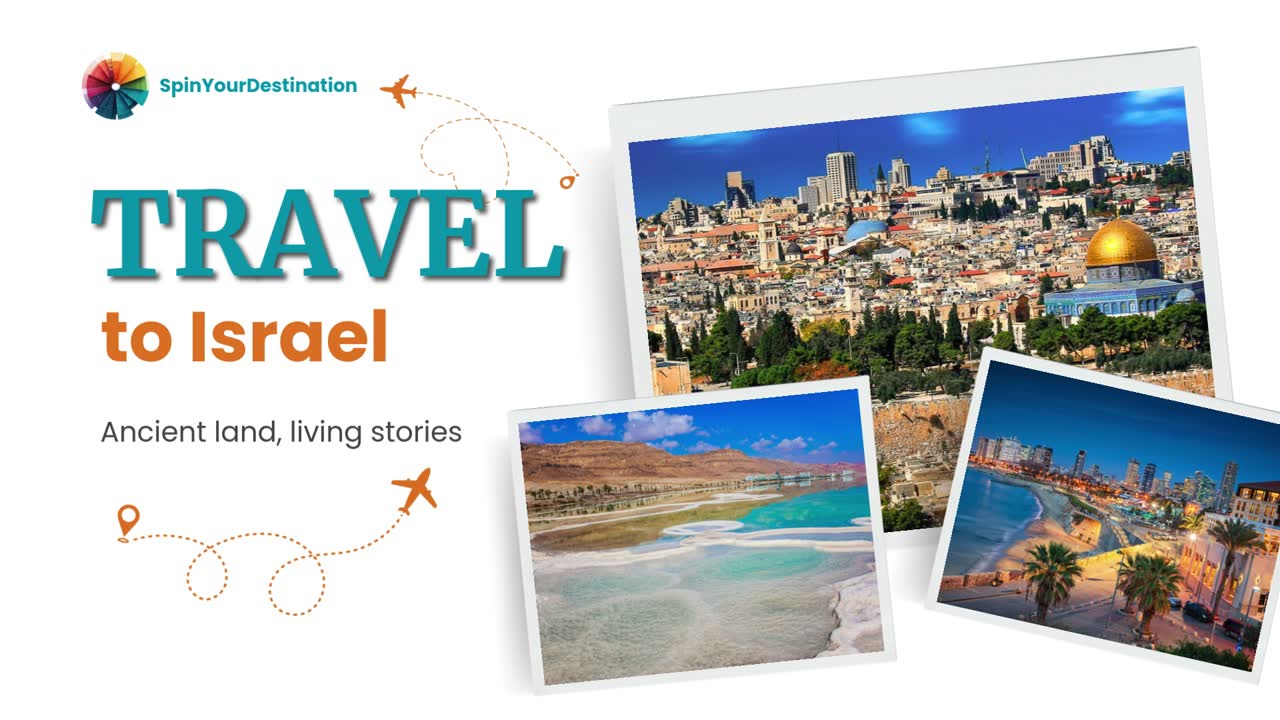
Israel Drink Guide
From the volcanic vineyards of the Golan Heights to arak turning milky in a Tel Aviv bar, award-winning desert wines in the Negev and a world-champion single malt in Jaffa — Israel pours far more than you expect.
The bottle opens and anise rises first — clear arak hitting ice and water until the glass clouds white. Around the table: hummus, grilled fish, pickles, flatbread. This is the Levant in a glass, and in Israel it sits alongside a wine revolution that barely existed forty years ago.
Baron Edmond de Rothschild planted the modern industry in the 1880s; the Golan Heights Winery rewrote it in the 1980s with New World technique on ancient volcanic soil. Today more than 350 wineries stretch from the Galilee to the Negev — including an official Negev appellation for desert wines grown where biblical vintners worked three millennia ago. Craft beer, boutique whisky and gin distilleries have followed with characteristic Israeli boldness.
Tel Aviv's wine bars now rival any Mediterranean capital. Jerusalem's markets pour arak beside microbrews. Here are the producers, bars and distilleries worth visiting in person.
This guide contains information about alcoholic beverages and is intended for adults of legal drinking age in their country.
Wine — Vineyards & Wineries
Israel's wine map runs north to south in a country you can cross in hours — yet the terroirs could not be more different. Cool Golan basalt, Galilee limestone, Judean Hills clay, Negev desert loess: each produces wines that score internationally and taste unmistakably of where they were grown.
Golan Heights
The revolution started here. Volcanic basalt soils, cold nights above 1,000 metres and a view across the Sea of Galilee created conditions that surprised the wine world when the first Golan vineyards were planted in 1976. Today the region hosts a wine route of boutique estates alongside the flagship winery that put Israeli wine on the global map — Gamla, Yarden and Golan labels are exported worldwide.
Key grapes: Cabernet Sauvignon · Merlot · Sauvignon Blanc · Chardonnay · Pinot Noir

Golan Heights Winery
Katzrin, Golan Heights
The winery that changed everything. Founded after the first Golan vineyards were planted in 1976, Golan Heights Winery brought modern cellar technique to Israel and proved the region could produce world-class table wine. Visitor experiences include cellar tours, vineyard jeep rides and guided tastings of the Yarden, Gamla and Golan ranges — labels that regularly earn 90+ points from international critics. The setting, above the Galilee basin on volcanic soil, is as dramatic as the wine.
⏱ Visitor centre by appointment · 📍 Katzrin, Golan Heights · 🍷 Guided tastings available
Visit Golan Heights Winery →
Pelter Winery
Ein Zivan, Northern Golan
Tal and Nir Pelter built one of Israel's most admired boutique wineries in 2002 — and added a distillery that produces arak, gin and single malt alongside the wine. Tastings happen in the production hall beside the fermentation tanks and barrels, where the connection between winemaking and distilling is literal. The Matar kosher label runs in parallel; Pelter also makes méthode champenoise sparkling wine. One of the most complete visitor experiences in the Golan.
⏱ Sun–Thu & Sat · 📍 Kibbutz Ein Zivan, northern Golan · 🍷 Wine & spirits tastings
Visit Pelter Winery →
Odem Mountain Winery
Moshav Odem, Northern Golan
At 1,060 metres, this is Israel's highest and northernmost winery — a family estate founded by Michael and Edith Alfasi in 2003 on Golan volcanic basalt. The cool mountain air and low yields produce elegant Syrah, Nebbiolo, Cabernet Sauvignon and Chardonnay with a distinct mineral edge. James Suckling has scored several vintages above 90 points. The visitor centre welcomes walk-ins for tastings with views across the northern Golan — spontaneous visits are welcome on weekdays.
⏱ Sun–Thu 10:00–17:00, Fri 10:00–16:00 · 📍 Moshav Odem, northern Golan · Walk-ins welcome
Visit Odem Mountain Winery →Galilee & Mount Carmel
The coastal hills and lower Galilee have been wine country since Rothschild's settlers arrived at Zichron Ya'akov in 1882. Carmel Winery — still the largest producer — anchors the region; family estates like Tishbi and Binyamina have grown into destinations in their own right. The visitor centre at Zichron tells the story of modern Israeli wine from its very first chapter.
Key grapes: Cabernet Sauvignon · Merlot · Shiraz · Viognier · Marawi (indigenous white)

Carmel Winery
Zichron Ya'akov, Mount Carmel
Israel's oldest and largest winery — founded when Baron Edmond de Rothschild sent French vine cuttings and winemakers to the Carmel coast in 1882. The Wine Culture Centre in historic Zichron Ya'akov combines museum, cellar tours, workshops and tastings in the original Rothschild buildings. Carmel also owns the Yatir and Vitkin boutique labels and produces Carmel Arak — one of the country's best-known anise spirits. An essential first stop for understanding how Israeli wine began.
⏱ Sun–Thu & Sat · 📍 Zichron Ya'akov, Mount Carmel · 🍷 Tours & tastings
Visit Carmel Winery →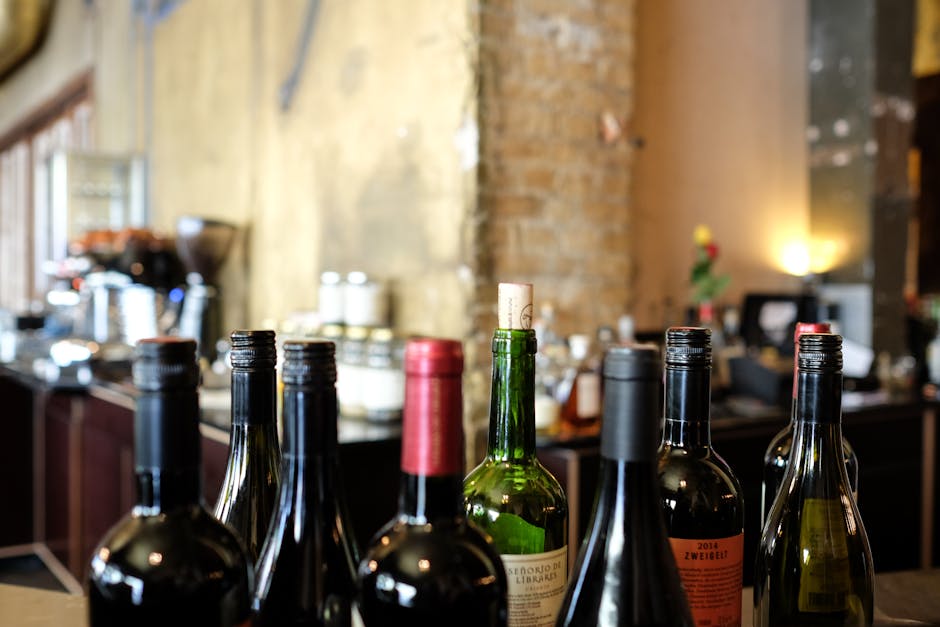
Tishbi Winery
Haharuv Junction, Lower Galilee
Five generations of the Chamiletzki family have farmed this land since arriving from Lithuania in 1882 — the poet Haim Nachman Bialik suggested the name Tishbi (“resident of Shfeya”). The visitor centre sits on the scenic road between Binyamina and Zichron Ya'akov, overlooking the winery's vineyards. Tastings, vineyard tours and the on-site restaurant make this one of the most welcoming stops in the Galilee. Their estate also produces olive oil, chocolate and the BBQ Garage spice range.
⏱ Visitor centre daily · 📍 Haharuv Junction, near Zichron Ya'akov · Restaurant on-site
Visit Tishbi Winery →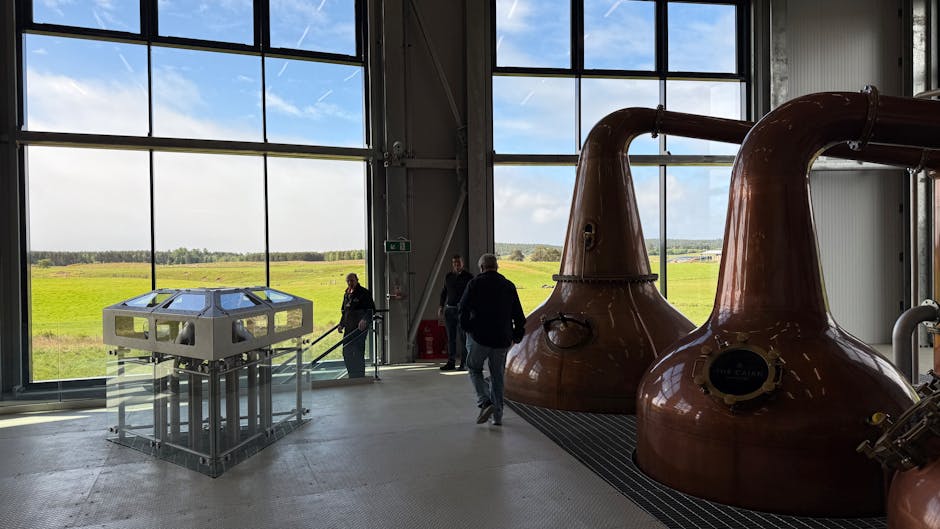
Binyamina Winery
Binyamina, Mount Carmel
Housed in a restored 1925 perfume factory that Baron Rothschild built for jasmine extraction — a Belle Époque building at the heart of the picturesque Binyamina moshava. The winery produces kosher and vegan ranges across multiple tiers, from everyday Yogev blends to the rare Cave collection aged in the estate's underground cellar. Guided tours trace 90 years of the building's history from perfume distillery to modern winery. One of the most architecturally striking visitor centres in Israel.
⏱ Sun–Thu & Sat · 📍 Binyamina moshava, Mount Carmel · 🍷 Multiple tasting routes
Visit Binyamina Winery →Negev & Judean Hills
The south is where Israeli wine gets genuinely surprising. The Negev received official appellation status as a wine region — desert loess soil, freezing nights and precision irrigation producing concentrated reds that critics compare favourably with warmer-climate classics. In the Judean Hills, boutique estates like Yatir and Psagot work limestone and clay at altitude, often within sight of ancient wine presses that prove the terroir is no newcomer.
Key grapes: Cabernet Sauvignon · Petit Verdot · Shiraz · Viognier · Marselan

Yatir Winery
Tel Arad, northeastern Negev
Built at the foot of the ancient Tel Arad fortress in the Yatir Forest — where vineyards climb to 900 metres in Israel's largest planted forest. Eran Goldwasser has been winemaker since the first vintage in 2001; Robert Parker awarded the flagship Yatir Forest blend 93 points. The extreme diurnal shift between hot days and cold desert nights creates wines of unusual concentration and freshness. Visits to the visitor centre are by appointment — combine with a trip to Masada or the Dead Sea.
⏱ By appointment · 📍 Tel Arad area, northeastern Negev · Book via winery
Visit Yatir Winery →
Psagot Winery
Psagot, Benjamin Region
A 2,500-year-old cave discovered on the estate held an ancient coin — the inspiration for the Psagot label. The winery overlooks a biblical landscape from a mountainside visitor centre that includes a café-patisserie, guided tours and a wine shop. Psagot's Edom and Peak series have won international awards; the visitor experience connects modern winemaking to a region that has produced wine for three millennia. One of the most scenically dramatic winery visits in the country.
⏱ Sun–Thu & Sat · 📍 Psagot, Judean Hills · Café & tours on-site
Visit Psagot Winery →🍷 Practical Wine Tips
- Most Israeli wineries require advance booking for tours — email or call at least a few days ahead, especially on weekends and during harvest (August–September)
- Kosher wine is widely produced but not universal: Pelter and several Golan boutiques are non-kosher; Binyamina and Yatir are kosher — check if this matters for your visit
- The Golan Wine Route connects a dozen estates within driving distance — allow a full day and designate a driver or book a guided tour
- Negev desert wines reward patience: decant bold reds from Yatir and southern estates for 30–60 minutes before drinking
- Many wineries sell bottles at cellar-door prices unavailable in retail — buy what you taste if luggage allows
- Shabbat (Friday sunset to Saturday night) closes most wineries and shops — plan tastings for Sunday through Thursday
Wine Bars & Bistros
Tel Aviv has embraced the wine bar with Mediterranean enthusiasm — neighbourhood bistros pouring Israeli boutique labels by the glass, Friday brunch rosé, and lists that move confidently between local Galilee Syrah and Slovenian orange wine. These are the rooms locals actually drink in.

Tel a Vin
Ben Gurion Blvd 39, Tel Aviv
Hidden down a small staircase off Ben Gurion Boulevard — a colourful, vintage-styled room with a green garden terrace overlooking the boulevard. The wine list spans dozens of bottles and glasses from Israel, France, Italy, Slovenia and Morocco, paired with Mediterranean-freestyle small plates from chef Idan Abni. Friday brunch and apéro hour draw a loyal local crowd; happy hour runs early evening on weekdays. One of the most characterful wine addresses in central Tel Aviv.
⏱ Sun–Thu from 18:00, Fri–Sat from 11:00 · 📍 Ben Gurion Blvd 39, Tel Aviv · Reservations recommended
Visit Tel a Vin →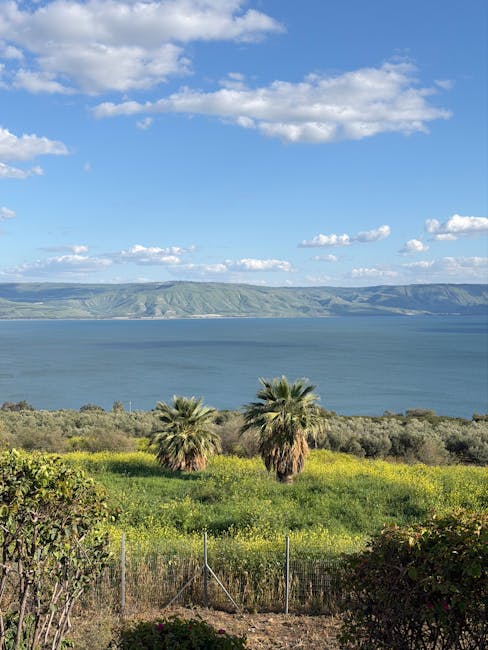
Rova Wine Bar
Dizengoff St 196, Tel Aviv
The neighbourhood wine bistro on Dizengoff — open all day from morning coffee through late evening wine. Mornings bring refill coffee and business lunch; afternoons shift to an enormous by-the-glass list and a team that knows how to guide you toward the right Israeli bottle. Happy hour on weekday evenings draws the after-work crowd. The atmosphere deliberately feels like a European escape in the middle of Tel Aviv — unpretentious, lively, and seriously focused on what's in the glass.
⏱ Daily · 📍 Dizengoff St 196, Tel Aviv · Happy hour Sun–Thu evenings
Visit Rova Wine Bar →
El Vecino
Even Gvirol St, Tel Aviv
A wine bistro at the northern end of Ibn Gvirol — from the team behind Chateau HaShual and the Zorik group. The motto is printed on the wall: “We don't compromise on the food; you don't compromise on the wine.” The list focuses on Israeli boutique producers the team visits personally, plus a wine cellar downstairs for longer tastings. Winemaker hosting evenings and chef-paired dinners run regularly. Sit at the bar, on the covered terrace overlooking Yarkon Park, or in the cellar room for a serious bottle.
⏱ Daily from evening · 📍 Ibn Gvirol, north Tel Aviv · Winemaker events regularly
Visit El Vecino →Know Your Israeli Wine
Israel's wine labels can look unfamiliar at first — but the regions and grape names follow a logic that rewards a little homework before you visit a winery.
Israel produces around 40 million bottles annually from over 350 wineries — remarkable for a country the size of Wales. The best bottles rarely reach export markets in volume; visiting in person is the surest way to taste what locals keep for themselves.
Spirits & Distilleries
Arak is the soul of the Levant — an anise spirit distilled from grapes and sipped with mezze across the eastern Mediterranean. Israel also produces award-winning single malt whisky aged in a climate that extracts angel's share faster than Scotland, plus innovative gin and beer-distilled spirits from the craft beer revolution.
Arak, Whisky & Craft Spirits
Three distinct traditions — the ancient anise ritual, a world-champion whisky distillery in Tel Aviv-Jaffa, and experimental spirits born from Israel's craft beer scene. All three are worth visiting in person.
Key spirits: Arak · Single malt whisky · Galilean brandy · Beer spirit · Craft gin

Kawar Distillery
Tsiporit Industrial Zone, Lower Galilee
Three generations of the Kawar family have distilled arak in the Galilee since Iskander Kawar set up a home still in 1949. Today the distillery produces seven arak expressions, Galilean brandy aged in French oak, vodka and wine — using Syrian anise from İskenderun and grapes from Galilee and Golan vineyards. Kawar 53 Special Edition is regarded as one of the finest premium araks in the Middle East. The Tsiporit facility includes a research laboratory and ISO-certified quality control.
⏱ Contact distillery for visits · 📍 Tsiporit, Lower Galilee · 🍸 Arak, brandy & vodka
Visit Kawar Distillery →
M&H Distillery
HaThiya St, Tel Aviv–Jaffa
Israel's first whisky distillery — founded in 2013 in a Tel Aviv-Jaffa industrial zone near the Bloomfield Stadium. In 2023, M&H (Milk & Honey) Elements Sherry Cask was named World's Best Single Malt at the World Whiskies Awards — proof that Israel's hot climate and varied cask sourcing create something genuinely new. The visitor centre offers tours of the copper stills, barrel room experiences, whisky-and-cheese pairings and cocktail workshops. Advance booking required.
⏱ Sun–Thu, tours by appointment · 📍 16 HaThiya St, Tel Aviv–Jaffa · Multiple tour formats
Visit M&H Distillery →
Malka Distillery
Emek Hefer, central Israel
A collaboration born in 2018 between Malka Brewery and Verstill Distillery — transforming Israel's beloved craft Blond Ale into a clear spirit that captures coriander, citrus and spice notes from the beer itself. The range includes Malka Clear, barrel-aged Malka Aged and Malka Gin. Each bottle carries handwritten notes tracing its origin batch. A genuinely original expression of Israel's craft drinks scene — neither beer nor whisky, but something that could only have emerged here.
⏱ Online shop · 📍 Emek Hefer · 🍸 Clear, aged & gin expressions
Visit Malka Distillery →Know Your Arak
Arak is not liqueur, not pastis, and not ouzo — though all share anise. Here is how the Israeli ritual works.
Arak consumption in Israel surged among younger drinkers in the 2000s as Middle Eastern food culture went mainstream — the spirit moved from working-class bars to restaurant tables alongside craft cocktails. It remains the most honest accompaniment to a proper Israeli mezze spread.
Craft Beer — Breweries & Taprooms
Israel came late to craft beer — then moved fast. What began as homebrew in Tel Aviv flats in the early 2010s is now a national scene of award-winning microbreweries, market taprooms and a BeerBazaar empire that stocks over 100 Israeli labels. The quality rivals anywhere in the Mediterranean.
Central Israel & the Markets
From a gold-medal brewery in Emek Hefer to the craft beer bars of Tel Aviv and Jerusalem's Machane Yehuda market — three addresses that define how Israelis drink beer today.
Styles to look for: Blonde ale · IPA · Wheat beer · Seasonal saison · Barley wine

Alexander Beer
Emek Hefer, central Israel
The only Israeli brewery to win gold at the Beer Olympics in Germany — Alexander has been brewing unpasteurised, unfiltered beer in Emek Hefer since 2010 with a declared mission to stand alongside the world's best. The visitor centre offers Friday brewery tours with six beers on tap from the tanks, cheese platters and an outdoor courtyard. The range spans Blonde, Green, IPA, wheat, saison and annual barley wine releases. Unfiltered freshness is the point — drink it here, not from a supermarket shelf.
⏱ Sun–Fri, tours Fri 10:00 & 12:00 · 📍 Emek Hefer · Book tours ahead
Visit Alexander Beer →
BeerBazaar
Tel Aviv & Jerusalem
Founded in 2013 when homebrewer Lior Weiss turned a Haifa flat hobby into Israel's craft beer revolution. BeerBazaar now runs taprooms in Tel Aviv (Carmel Market, Levinsky, Habima, Jaffa) and Jerusalem's Machane Yehuda market — each stocking over 100 Israeli microbrews on draft and in bottle, including six house brews. Beer workshops explain the local scene; Friday afternoons at the shuk locations are a Tel Aviv institution. The new visitor centre and brewery in Ben Shemen Forest between Tel Aviv and Jerusalem offers group tours and brewing workshops.
⏱ Daily, hours vary by location · 📍 Carmel Market, Levinsky & Machane Yehuda · Beer workshops available
Visit BeerBazaar →
Malka Brewery
Emek Hefer, central Israel
Named for the Hebrew word for queen — Malka has been brewing hand-crafted beer in Emek Hefer since the craft wave began, producing Blonde, Amber, IPA, wheat and seasonal releases sold nationwide. The brewery also spawned Malka Distillery (beer-to-spirit innovation) and has become one of the most recognised craft labels on Israeli shelves. The online shop ships mixed packs across the country — a good way to sample the range before visiting the Emek Hefer heartland alongside Alexander next door.
⏱ Online shop & nationwide stockists · 📍 Emek Hefer · Mixed packs available
Visit Malka Brewery →Coffee Culture & the Israeli Café
Israel runs on coffee — hafuch (foamed milk with espresso beneath), iced café ba-kerach in summer, and a café culture that treats the local branch as a second living room. From a 1933 Tel Aviv roasting house to a 1994 Jerusalem espresso bar that became a national empire, the story is deeply local.

Aroma Espresso Bar
Nationwide — founded Jerusalem
The first cup was poured on Hillel Street, Jerusalem, in 1994 — and Aroma grew into Israel's largest coffee chain with nearly 190 branches nationwide. Most products are made in-house at the Ella Valley factory complex: coffee roasted fresh, pastries baked daily in each branch, salads and spreads prepared centrally. The self-service model, playlist-curated atmosphere and consistent quality made Aroma the default Israeli café — the place you meet a friend, work an hour, or grab a hafuch before the beach.
⏱ Daily, hours vary by branch · ☕ Hafuch, iced coffee, fresh pastries · 📍 Nationwide
Visit Aroma Espresso Bar →
Café Landwer
Tel Aviv — nationwide chain
Moshe Landwer opened a coffee shop in Berlin in 1919; in 1933 the family emigrated to Tel Aviv and established the country's first coffee roasting house on Allenby Street — real coffee when most of the young state drank chicory substitutes. The Holon roasting factory still operates today; in 2004 the Café Landwer restaurant chain revived the brand with over 80 locations across Israel. Dark, aromatic Turkish-roast coffee and espresso remain the foundation — served in warm, elegant dining rooms that feel a world away from fast-coffee chains.
⏱ Daily · ☕ Turkish roast, espresso, full menu · 📍 Rabin Square, Tel Aviv & nationwide
Visit Café Landwer →
Café Café
Nationwide
One of Israel's most established café-restaurant chains — a neighbourhood institution built on the Israeli flavours people actually order: shakshuka mornings, fresh salads, grilled sandwiches and consistently good coffee throughout the day. The all-day format — breakfast, business lunch, afternoon coffee, evening glass of wine — mirrors how Israelis actually use their local café. Less international than Aroma, more sit-down than kiosk culture. A reliable window into everyday Israeli dining and drinking habits.
⏱ Daily · ☕ Coffee, breakfast & all-day menu · 📍 Branches nationwide
Visit Café Café →💡 Good to Know
- 🍸 Arak is served one part spirit to two parts water over ice — never neat. The milky louche means the anise is properly emulsified; if it stays clear, add more water
- 🍷 Israeli wine is often excellent value at the winery — retail markups in Tel Aviv restaurants can be steep; buy bottles at the cellar door when you can
- 🍺 Friday afternoons at Carmel Market and Machane Yehuda are peak craft beer hours — arrive before noon on Friday if you want a seat at BeerBazaar without a queue
- ☕ Order a hafuch (literally “upside down”) for Israel's signature coffee — steamed milk with espresso poured beneath the foam, the opposite of a latte
- 🎉 L'chaim! (luh-HAH-yim) is cheers in Hebrew — make eye contact when you clink; beseder means “all good” when the arak arrives
- 🚫 Shabbat closes most wineries, shops and public transport from Friday sunset to Saturday night — plan vineyard visits for Sunday through Thursday
- 🌈 The legal drinking age in Israel is 18 — ID checks are common at bars and festivals; carry passport or photo ID if you look young