
🌟 What to Do & Local Tips
Explore experiences and tips to get the most from your trip in Israel
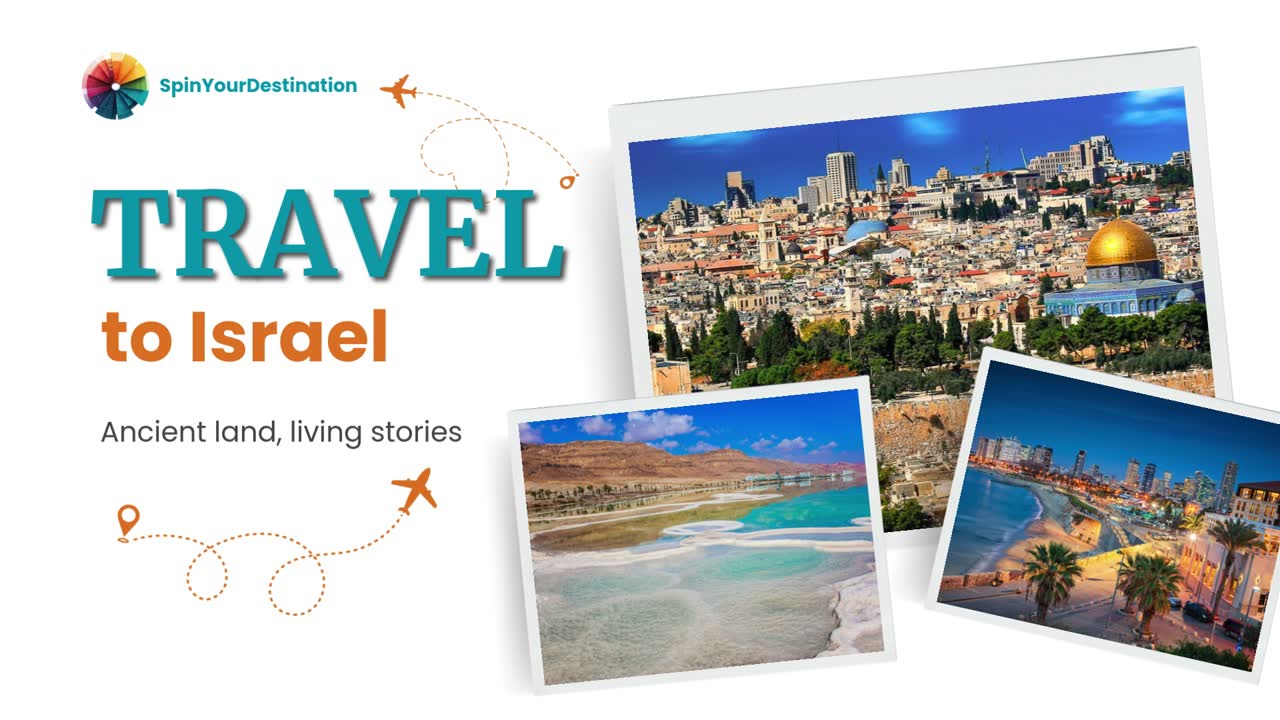
Israel delivers layers of history in a compact space. Jerusalem's Old City—three religions, one square kilometer. Dead Sea floating. Mediterranean beaches in Tel Aviv. Masada's desert fortress. Galilee's green hills.
This is where ancient and modern collide. Western Wall prayers. Tel Aviv nightlife. Bedouin hospitality. Biblical sites everywhere. Markets selling everything. The security situation creates intensity—it's part of Israel.
Israel's activities concentrate on history, religion, and beach life. Very diverse for its size. Very complicated. Fascinating.
📍 Book Activities & Experiences
Jerusalem Old City Walking Tour
Guided tour through four quarters—Jewish, Muslim, Christian, Armenian. Western Wall, Via Dolorosa, Church of Holy Sepulchre, Temple Mount. Around ₪150-250 (~$50-80). 3-4 hours. Essential for understanding Jerusalem's complexity. Book through GetYourGuide or Viator.
More info →Dead Sea Float & Masada Sunrise
Early morning hike up Masada fortress (or cable car), then Dead Sea floating and mud. Full-day tour from Jerusalem or Tel Aviv around ₪280-400 (~$90-130). Includes transport, entrance fees. Bring towel, swimsuit, water. Book ahead.
More info →Tel Aviv Food Tour
Taste Israeli street food—hummus, falafel, shakshuka, sabich, halva. Carmel Market and Jaffa. Around ₪250-350 (~$80-110). 3-4 hours. Essential for understanding Israeli food culture beyond tourist restaurants.
More info →Bethlehem & Hebron Day Trip
Visit Palestinian territories—Church of Nativity, Manger Square, Hebron's old city. Political and historical significance. Around ₪200-300 (~$65-95). Sensitive areas—use reputable tour operator. Checkpoint delays possible.
More info →⭐ Top Experiences in Israel
⭐ Western Wall (Kotel)
Judaism's holiest site. Place prayer notes in wall cracks. Men and women separate sections. Free. Respectful clothing required. Powerful atmosphere regardless of beliefs.
Book tour⭐ Dead Sea floating
Float effortlessly in 34% salt water. Coat yourself in mineral mud. Ein Bokek resort beaches around ₪50 entrance (~$16). Bring water shoes—salt crystals sharp. Shower immediately after.
Book experience⭐ Masada fortress
King Herod's desert palace, 2,000 years old. Hike Snake Path at sunrise or cable car. UNESCO site. Around ₪30 entrance + ₪78 cable car (~$30 total). Views spectacular. Bring water.
Book tickets⭐ Tel Aviv beaches
13 Mediterranean beaches—Gordon, Frishmann, Hilton, Banana. Free entry. Volleyball, surfing, swimming. Beachfront promenade perfect for biking, walking. Best March-November.
Beach info⭐ Church of Holy Sepulchre
Marks Jesus's crucifixion and burial site (Christian belief). Six denominations share control. Intense atmosphere—incense, chanting, pilgrims. Free entry. Respectful clothing. Essential Jerusalem site.
Book tour⭐ Baha'i Gardens Haifa
19 terraces cascading down Mount Carmel. Gold dome, manicured gardens, Mediterranean views. Free entry to gardens, shrine requires booking. One hour visit. Stunning symmetry.
Official site⭐ Yad Vashem Holocaust Museum
Israel's official Holocaust memorial. Powerful, emotional, essential. 2-4 hours needed. Free entry. Outside Jerusalem. Not appropriate for young children. Heavy but important.
Plan visit⭐ Mahane Yehuda Market Jerusalem
Bustling food market—spices, halva, fresh produce, street food. Friday before Shabbat especially chaotic. Transforms into bar scene at night. Essential Jerusalem experience. Free to wander.
Food tour⭐ Sea of Galilee
Freshwater lake in northern Israel. Christian pilgrimage sites—Capernaum, Mount of Beatitudes, Tabgha. Swimming allowed. Tiberias base town. Peaceful contrast to Jerusalem/Tel Aviv intensity.
Book tour⭐ Carmel Market Tel Aviv
Shuk HaCarmel—fresh produce, spices, clothing, electronics. Chaotic, crowded, authentic Tel Aviv. Juice stands, street food, halva vendors. Tuesday-Thursday best days. Free entry.
Market tour⭐ Jaffa Old City
Ancient port south of Tel Aviv. Stone buildings, artists' galleries, flea market, seafood restaurants. Views over Mediterranean. Walk from Tel Aviv promenade. 2-3 hours. Free to explore.
Book walking tour⭐ Dome of the Rock
Jerusalem's golden dome—iconic landmark. Al-Aqsa Mosque on Temple Mount. Non-Muslims can visit compound (limited hours) but not enter buildings. Sensitive site—dress modestly, security checks lengthy.
Book tour⭐ Israel Museum
Houses Dead Sea Scrolls. World-class archaeology collection. Scale model of Second Temple Jerusalem. Around ₪54 (~$17). Half-day needed. Essential for historical context.
Official site⭐ Nazareth & Basilica
Largest Arab city in Israel. Basilica of Annunciation—where Christians believe angel Gabriel appeared to Mary. Old souk market. Arab Christian culture. Day trip from Galilee or Haifa.
Book tour⭐ Ein Gedi nature reserve
Oasis in Judean Desert near Dead Sea. Waterfalls, hiking trails, ibex, hyrax. Around ₪29 entrance (~$9). Bring water, wear hiking shoes. 2-4 hours. Stunning desert contrast.
Book experience⭐ Acre (Akko) old city
Crusader architecture, underground halls, Turkish baths, Arab market. UNESCO site. Coast north of Haifa. Around ₪40 combined ticket (~$13). Half-day visit. Less touristy than Jerusalem.
Book tour⭐ Eilat Red Sea diving
Coral reefs, tropical fish, warm water year-round. Diving and snorkeling. Cheaper than Egypt's Red Sea resorts. Gateway to Jordan (Petra day trips). Desert heat—best Nov-April.
Book dive⭐ Ramon Crater (Makhtesh Ramon)
Massive desert crater in Negev. Hiking, jeep tours, stargazing. Mitzpe Ramon base town. Unique geological formation. Around ₪30 visitor center (~$10). Remote, beautiful, otherworldly.
Book tour⭐ Golan Heights wineries
Israeli wine country. Boutique wineries, volcanic soil, mountain views. Wine tastings around ₪50-100 (~$16-32). Day trip from Galilee. Scenic drives, Syrian border views. Pre-book tastings.
Book wine tour⭐ Caesarea National Park
Roman ruins on Mediterranean coast. Ancient theater, aqueduct, harbor. King Herod's port city. Around ₪39 (~$12). Half-day visit. Between Tel Aviv and Haifa. Beautiful coastal setting.
Book tickets📋 Booking Tips
- Book tours early: Popular sites fill up, especially during Jewish holidays
- Check Shabbat restrictions: Many sites close Friday evening to Saturday evening
- Dress modestly: Religious sites require covered shoulders, knees
- Security delays common: Arrive early, bring passport
- Compare platforms: Prices vary significantly between booking sites
💡 Local Tips
Everything you need to know before you go
💡 Essential Info
ILS / ₪
Israeli New Shekel (1 USD = ₪3.14)
Cards widely accepted. ATMs common. Hotels often quote prices in USD. Many places accept USD cash. Change given in shekels.
Hebrew & Arabic
English widely spoken in tourist areas, Tel Aviv, Jerusalem. Less common in small towns, Palestinian areas. Hebrew right-to-left. Arabic in Arab communities.
+972
Emergency: 112 (general), 100 (police), 101 (ambulance), 102 (fire)
Excellent mobile coverage. Free wifi in hotels, cafes. Buy Israeli SIM (Pelephone, Cellcom, Partner) at airport.
No vaccines required. Routine vaccines recommended.
Tap water: Excellent—safe to drink throughout Israel. Modern healthcare system. Travel insurance strongly recommended.
🤝 Cultural Tips
💵 Tipping
Expected: 10-15% in restaurants (sometimes included as service charge). Round up for taxis. ₪5-10 per bag for porters. Tipping culture similar to US.
👋 Greetings
Formal: Handshake. Israelis direct, informal. First names quickly used.
Informal: "Shalom" (peace/hello). Arabs use "As-salamu alaykum". Loud, passionate conversations normal—not arguing.
🍽️ Dining
Etiquette: Kosher restaurants separate meat/dairy. No pork or shellfish in kosher places. Many non-kosher restaurants in Tel Aviv. Arab restaurants serve different cuisine.
Pace: Varied. Tel Aviv casual, Jerusalem more formal. Meals social. Sharing dishes common (mezze style).
⏰ Punctuality
Importance: Moderate. "Israeli time" means 10-15 minutes late acceptable socially. Business meetings start on time. Buses/trains punctual.
Social: Relaxed. Shabbat (Friday evening-Saturday evening) shuts down Jewish areas—plan accordingly.
👔 Dress Code
General: Tel Aviv very casual—shorts, t-shirts common. Jerusalem more conservative. Religious sites require modest clothing (covered shoulders/knees both genders). Dress conservatively in Arab areas.
🚨 Safety & Health
- Check travel advisories before traveling—security situation variable
- Avoid demonstrations and political gatherings
- Security checks common—allow extra time, bring passport always
- Gaza border off-limits. West Bank travel requires caution—use tours
- Jerusalem Old City safe but watch belongings in crowds
- Know location of nearest embassy or consulate
💰 Money-Saving Secrets
- Eat street food—falafel, hummus, sabich cheap and authentic
- Free sites include Western Wall, most beaches, Baha'i Gardens (exterior)
- Use public transport—Rav-Kav card offers discounts
- Shop in markets (Mahane Yehuda, Carmel) cheaper than supermarkets
- Avoid Passover, Rosh Hashanah, Yom Kippur—prices spike 50-100%
- Tap water safe and free—skip bottled water
📅 Best Time to Visit
Spring
March-May ~ 15-25°C, comfortable temperatures, flowers blooming, green landscapes
✅ Pros: Perfect weather, Passover celebrations visible, wildflowers in Galilee/Negev, not too hot for Dead Sea/desert, shoulder season prices
❌ Cons: Passover week (March/April) very expensive, crowded, many places closed. Easter crowds in Jerusalem.
Summer
June-August ~ 28-35°C coast, 35-40°C+ inland/desert, hot and dry, intense sun
✅ Pros: Beach season perfect, long days, vibrant nightlife, festivals, less religious tourism, Dead Sea less crowded
❌ Cons: Extreme heat especially Jerusalem/Dead Sea, expensive peak season, crowded beaches, uncomfortable for desert/historical sites
Autumn
September-November ~ 20-30°C, cooling down, pleasant evenings, sea still warm
✅ Pros: Excellent weather, Jewish New Year atmosphere (Rosh Hashanah/Yom Kippur), harvest season, comfortable temperatures for desert/Dead Sea
❌ Cons: High holidays (Sept-Oct) double prices, everything closes Yom Kippur (no transport, no businesses), very expensive period, need advance booking
Winter
December-February ~ 10-18°C, rain possible, Jerusalem can get cold, snow rare but possible
✅ Pros: Lowest prices, fewer tourists, pleasant for Dead Sea/desert, Christmas atmosphere in Bethlehem/Nazareth, comfortable for walking tours
❌ Cons: Rain disrupts outdoor plans, beaches cold, Mediterranean not swimmable, Jerusalem chilly, some attractions reduced hours, Christmas week crowded/expensive