
Jerusalem is unlike anywhere else. The Old City divides into four quarters—Jewish, Muslim, Christian, Armenian. Each has distinct character, architecture, and atmosphere.
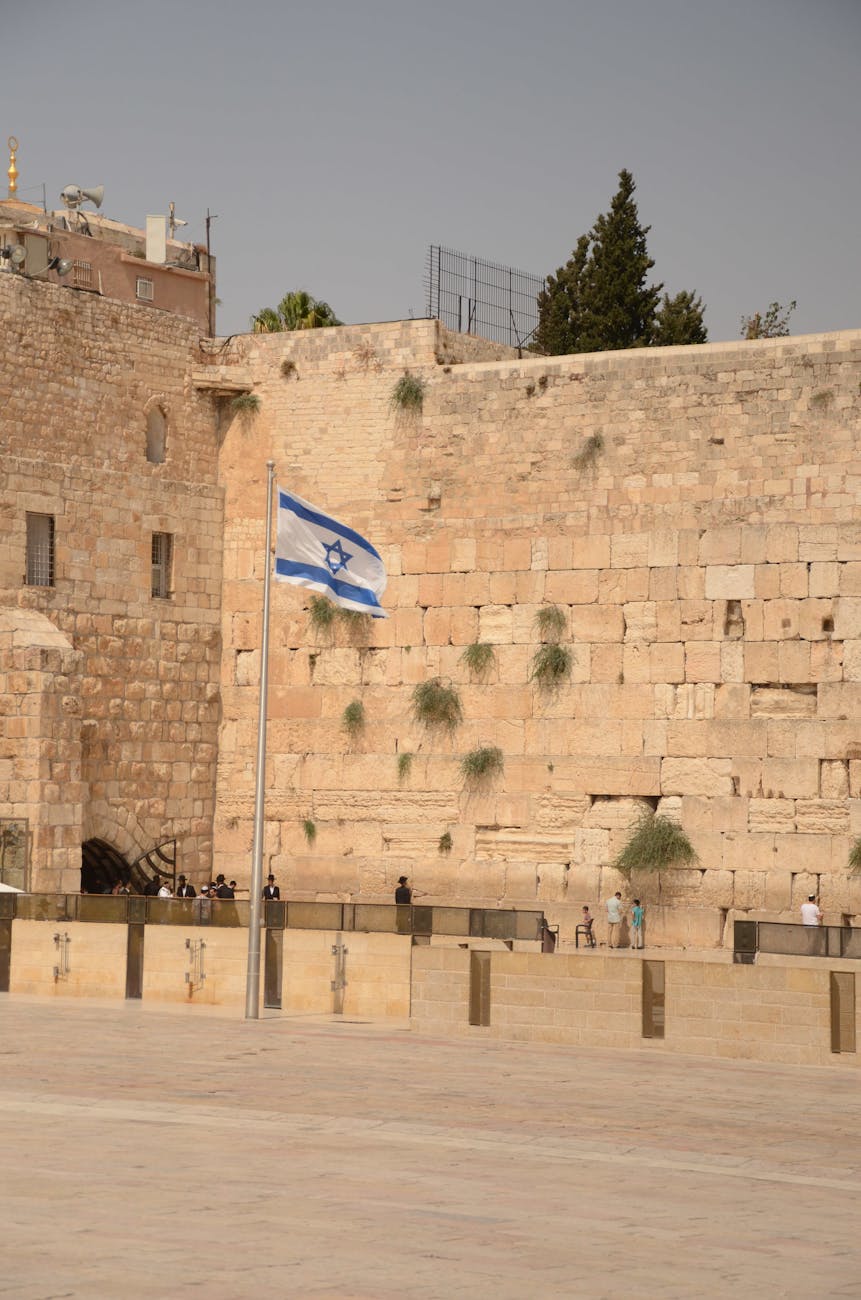
The Western Wall (Kotel) is Judaism's holiest site. People pray, place written wishes between stones, and gather for ceremonies. It's powerful regardless of your beliefs.
The Church of the Holy Sepulchre marks where Christians believe Jesus was crucified and buried. Six denominations share control. The atmosphere is intense—incense, chanting, pilgrims.
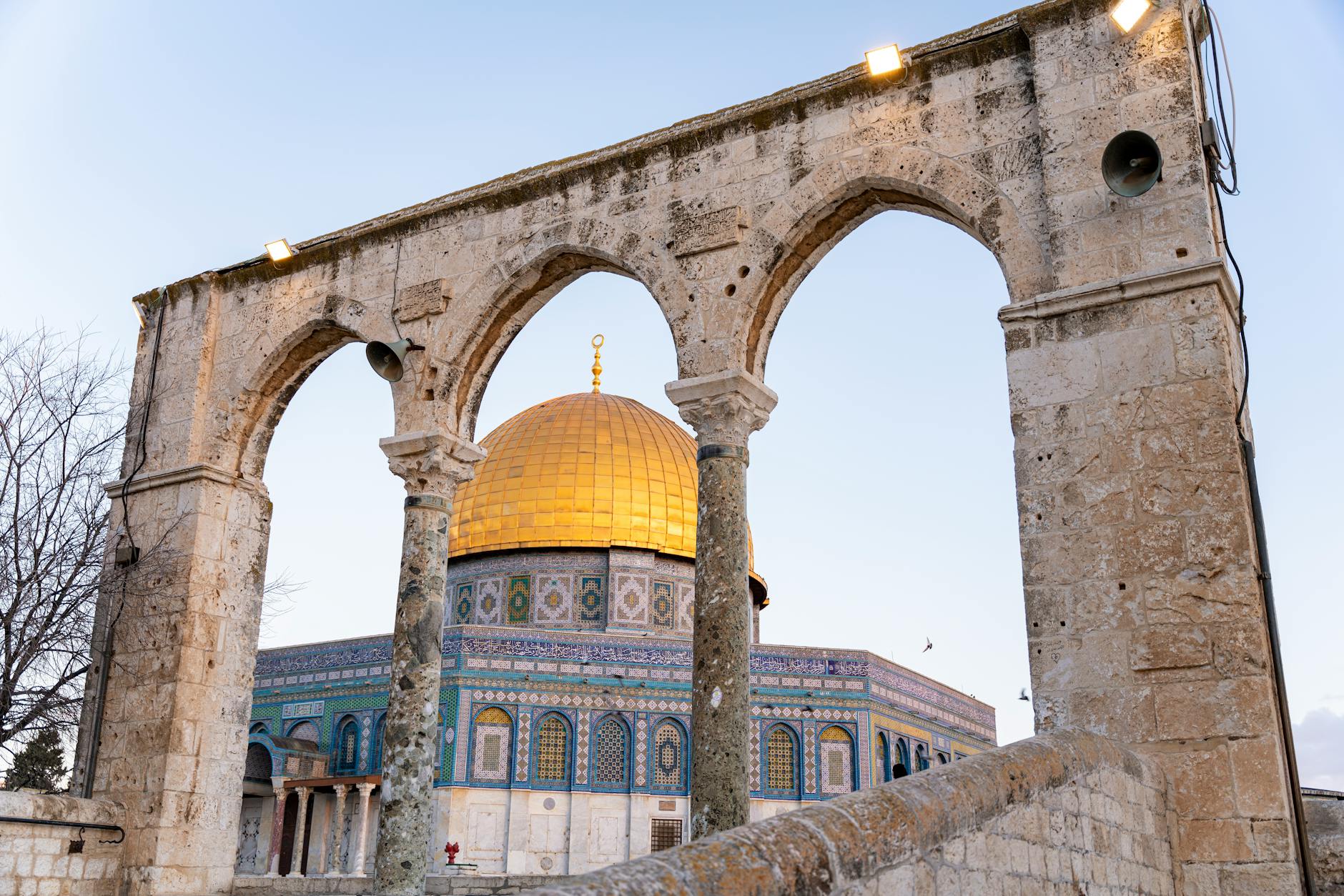
The Dome of the Rock and Al-Aqsa Mosque dominate the Temple Mount. The golden dome is Jerusalem's most recognizable landmark. Non-Muslims can visit the compound (limited hours) but not enter the buildings.
Beyond the Old City, Jerusalem sprawls across hills. The Israel Museum houses the Dead Sea Scrolls. Mahane Yehuda market pulses with food stalls, spices, and Friday shopping chaos. Modern Jerusalem coexists with ancient stones.
Tel Aviv is Jerusalem's opposite. Secular, liberal, beach-focused. The city operates 24/7—restaurants, bars, beaches never seem to close.
Thirteen beaches stretch along the Mediterranean. Each has its own character—Gordon for volleyball, Hilton for surfing and LGBTQ+ community, Frishmann for families. The beachfront promenade connects them all.
The White City contains over 4,000 Bauhaus buildings from the 1930s. UNESCO-listed. The clean lines and functional design define Tel Aviv's architecture.
Carmel Market (Shuk HaCarmel) sells everything—fresh produce, spices, halva, clothing, electronics. It's chaotic, crowded, and essential Tel Aviv.
Jaffa, the old port south of Tel Aviv, predates its modern neighbor by millennia. Stone buildings, artists' galleries, seafood restaurants, and flea markets. The contrast between ancient Jaffa and modern Tel Aviv is stark.
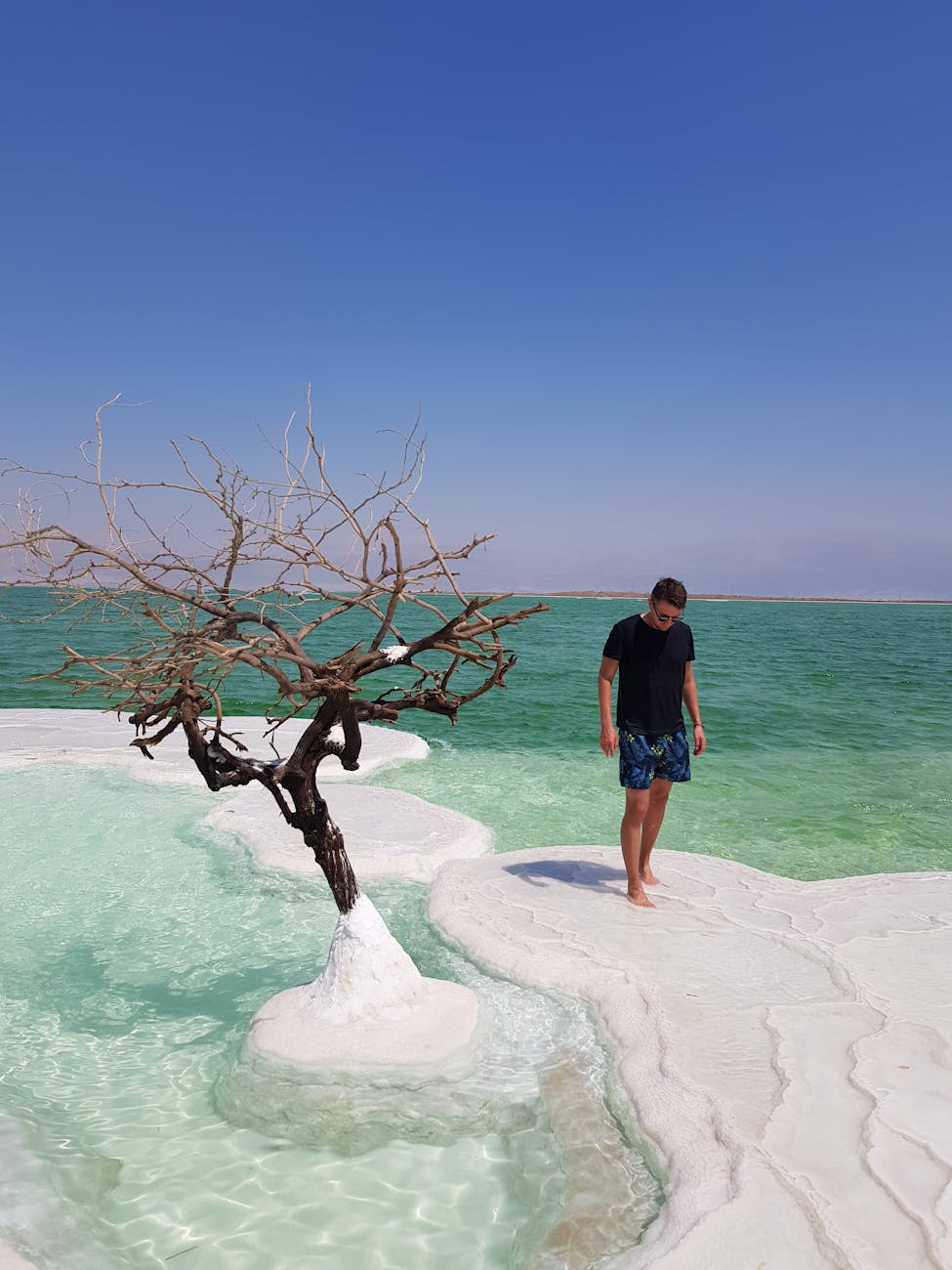
The Dead Sea is Earth's lowest point—430 meters below sea level. The water contains 34% salt (ocean water is 3.5%). You float effortlessly. It's impossible to sink.
The mineral-rich mud is famous for skin benefits. People cover themselves head to toe. It looks ridiculous. Everyone does it anyway.
Masada fortress sits on a plateau above the Dead Sea. King Herod built palaces here 2,000 years ago. You can hike the Snake Path at dawn or take the cable car. The views across the desert are spectacular.
The Dead Sea is shrinking rapidly—about one meter per year. The environmental situation is serious. Visit while it still exists at accessible levels.
Ein Gedi oasis offers a green contrast—waterfalls, hiking trails, wildlife (including ibex and hyrax). It's a nature reserve between desert and Dead Sea.
The Galilee region in northern Israel is green, hilly, and agricultural. The Sea of Galilee (actually a freshwater lake) is significant for Christian pilgrims—Jesus's ministry centered here.
Nazareth, the largest Arab city in Israel, contains the Basilica of the Annunciation. The old souk (market) sells spices, sweets, and traditional goods.
Haifa climbs up Mount Carmel. The Baha'i Gardens cascade down 19 terraces—gold dome, manicured gardens, Mediterranean views. It's stunning and free (gardens are free; shrine requires booking).
The Golan Heights in the far north offers hiking, wineries, and dramatic views into Syria and Lebanon. Mount Hermon ski resort operates in winter—yes, you can ski in Israel.
Acre (Akko) on the Mediterranean coast preserves Crusader architecture. Underground halls, Turkish baths, and a vibrant Arab market make it worth a day trip.