
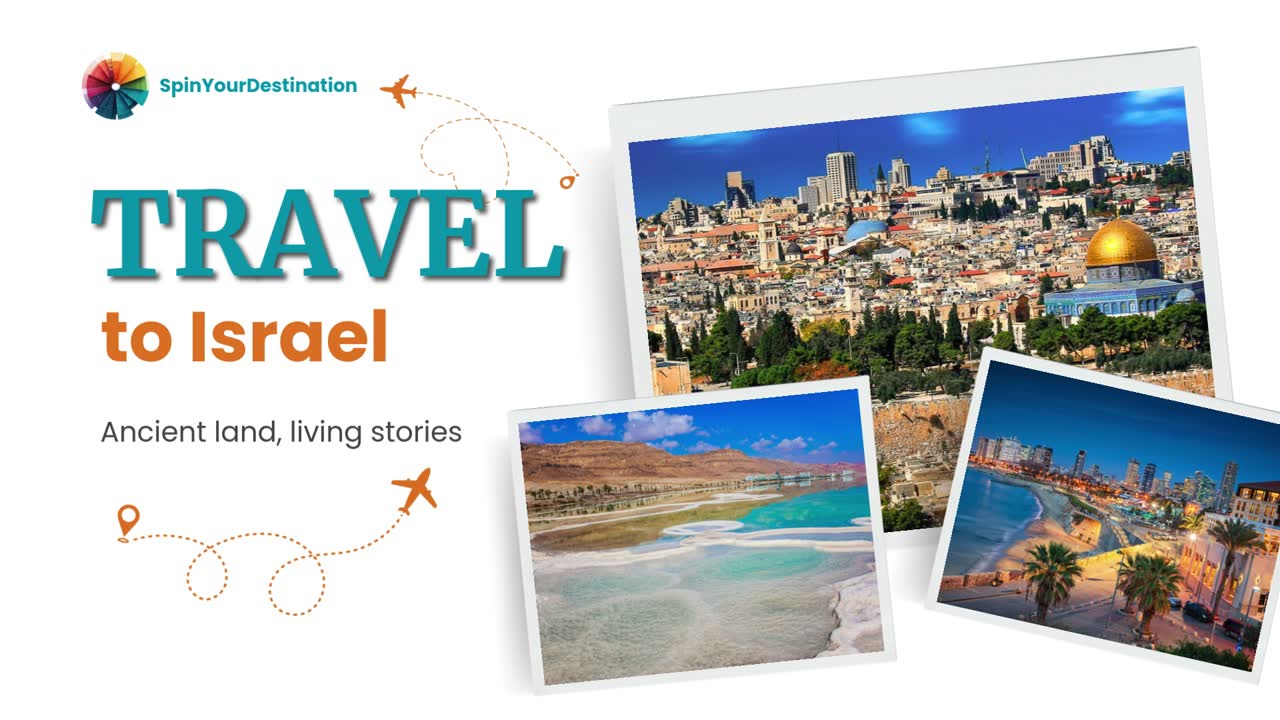
City Break Israel
Your complete guide to Tel Aviv, Jerusalem, Haifa and Israeli urban culture
Bikes everywhere. Beach volleyball at sunset. Bauhaus buildings lining Rothschild Boulevard. Tel Aviv moves fast—secular, liberal, Mediterranean. This is Israel's city energy concentrated.
Then Jerusalem. Stone walls. Ancient prayers. Modern light rail cutting through 3,000 years of history. Religious intensity meets startup culture. Ultra-Orthodox neighborhoods coexist with liberal cafes. The Old City's square kilometer contains three religions, four quarters, and more pilgrims than you imagined.
Israeli cities are intense—history weighs heavy, politics lurks everywhere, security checkpoints remind you where you are. But cafe culture thrives, markets overflow, nightlife pulses, and urban life continues regardless. Tel Aviv for beaches and parties. Jerusalem for history and religion. Haifa for calm Mediterranean balance.
Tel Aviv—24/7 beach city energy
Tel Aviv operates nonstop. Beaches at midnight. Cafes at 3am. The city doesn't sleep, especially weekends when Shabbat ends Saturday evening and nightlife explodes.
Rothschild Boulevard is the spine—Bauhaus buildings, cafes, bike lanes, startup offices. The White City's 4,000 Bauhaus buildings earned UNESCO status. Clean lines, functional design, hot climate adaptation.
Beach promenade connects 13 beaches—Gordon, Frishmann, Hilton, Banana. Each has character. Volleyball courts, surfing, swimming, promenade biking. The beach defines Tel Aviv lifestyle.
Florentin neighborhood brings young, gritty energy—street art, dive bars, vintage shops, underground culture. Hoodna Bar, vintage stores, cheap falafel. Late-night neighborhood.
Carmel Market (Shuk HaCarmel) and Levinsky spice market offer food shopping chaos. Jaffa old port south—ancient stone, artists' quarter, seafood restaurants, flea market. Walk from Tel Aviv along beach promenade.
Jerusalem—ancient stones, modern complications
Old City is one square kilometer containing Western Wall, Temple Mount, Church of Holy Sepulchre, Via Dolorosa. Four quarters—Jewish, Muslim, Christian, Armenian. Overwhelming history density.
Mahane Yehuda market transforms—daytime food shopping, nighttime bar scene. Locals call it "the Shuk." Friday before Shabbat is chaos. Thursday evening young crowd starts drinking.
Neighborhoods divide sharply—Mea Shearim ultra-Orthodox (dress modestly, no photography Shabbat), Nachlaot bohemian cafes, German Colony upscale, East Jerusalem Arab. Each feels like different city.
Modern Jerusalem has light rail (opened 2011), Mamilla Mall, tech startups. But ancient stones dominate. You can't escape history—literally built on layers of previous cities.
Mount of Olives offers panoramic views over Old City, Dome of the Rock, entire Jerusalem sprawl. Cemetery, churches, observation points. Take taxi up, walk down. Sunset spectacular.
Haifa—port city on Mount Carmel
Haifa climbs hillside—Mediterranean at bottom, Mount Carmel at top, everything between. Three cities vertically stacked.
Baha'i Gardens cascade 19 terraces—gold dome, perfect symmetry, Mediterranean views. UNESCO site. Free entry to gardens, shrine requires advance booking. Stunning engineering and horticulture.
German Colony (bottom) brings restored Templar buildings, restaurants, cafes. Wadi Nisnas (Arab neighborhood) has excellent food, authentic markets, Christmas decorations (Christian Arab community).
Haifa runs during Shabbat—only major Israeli city with buses Saturday. More liberal, quieter, less touristy than Tel Aviv/Jerusalem. Underrated city break.
Port area redeveloped recently—museums, cafes, weekend market. Stella Maris monastery on mountaintop. Cable car connects port to mountain (Carmelit underground funicular alternative—only 6 stations, uniquely steep).
Israeli urban culture—direct, intense, alive
Cafe culture defines cities—Israelis spend hours over coffee, laptop, newspaper. Table for 4 hours normal. Order hafuch (latte) or espresso, settle in, people-watch.
Shabbat changes city rhythm—Jerusalem shuts down (many restaurants, all buses, solemn atmosphere), Tel Aviv quietens briefly then explodes Saturday night, Haifa continues normally.
Direct communication style—Israelis argue loudly, gesture intensely, interrupt constantly. Not fighting, just discussing. Personal space smaller than Western comfort. Adjust expectations.
Security omnipresent—bag checks at malls, metal detectors at restaurants, armed soldiers everywhere. It's normal. Israelis unfazed. Tourists adjust within days.
Hebrew right-to-left signage confuses initially. English common in touristy areas, less so in residential neighborhoods. Google Maps essential for navigation—addresses in Hebrew unintelligible.
🌟 Top City Experiences
🏖️ Tel Aviv Beach & Bauhaus Tour
Explore White City's UNESCO Bauhaus architecture, walk Rothschild Boulevard, hit beach. Bike rental (₪40/day, ~$13) or walking tour. Design meets beach life. Book tour →
🕌 Jerusalem Old City Four Quarters
Western Wall, Temple Mount, Holy Sepulchre, Armenian Quarter. 3-4 hour walking tour essential (₪150-250, ~$48-80). Self-guided misses context. Overwhelming history. Book tour →
🌺 Baha'i Gardens—Haifa
19 terraced gardens cascading down Mount Carmel. Gold dome, perfect symmetry, free entry. UNESCO site. Tours required for shrine (book online). 1-2 hours. Stunning. Official site →
🛒 Market Food Tours—Mahane Yehuda
Jerusalem's market by day, bar scene by night. Food tastings, spice shopping, local interactions. Guided tours ₪150-200 (~$48-64). Friday morning peak shopping chaos. Book tour →
🏛️ Tel Aviv Museum of Art
Modern and contemporary art, Israeli artists, international exhibitions. Architecture impressive. Entry ₪50 (~$16). Half-day visit. Good rainy day option. Museum site →
🌃 Florentin Nightlife—Tel Aviv
Bohemian neighborhood—street art, dive bars, vintage shops. Hoodna Bar (live music), Dalida Bar, rooftop venues. Young, gritty, real Tel Aviv. Nightlife starts 11pm. Bar guide →
💡 Insider Tips
- 🚇 Get Rav-Kav card immediately—essential for buses, light rail, can't pay cash. Load at stations or kiosks. Single bus ₪5.90 (~$2), unlimited transfers 90 minutes.
- 🕌 Shabbat (Friday evening-Saturday evening) shuts Jerusalem down—many restaurants closed, no buses, markets closed. Tel Aviv quieter but alive. Plan Friday night carefully.
- 👕 Dress codes vary—Tel Aviv very casual (beach clothes acceptable), Jerusalem more conservative (cover shoulders/knees in religious areas), ultra-Orthodox neighborhoods require modest dress both genders.
- 🏖️ Tel Aviv beaches free, volleyball courts free, chair rentals available. Best beaches March-November. Gordon Beach central and social, Hilton Beach for surfing/LGBTQ+ scene.
- 🚂 Train Tel Aviv-Jerusalem takes 30 minutes (₪24, ~$8), runs frequently except Shabbat. Haifa train coastal route 1 hour from Tel Aviv (₪35, ~$11). Book Israel Railways app.