


Bridgetown sits on a natural harbour in the southwest corner of the island, and its historic core earned UNESCO World Heritage status in 2011. The nomination covers the old city and the Garrison—a British military complex that served as Caribbean headquarters for more than two centuries, and still defines the city’s character today.
The Garrison Savannah is a horse racing track that was once the parade ground for British troops. Races take place on Saturdays during the season from January to August. The Barbados Museum sits inside the old Guard House and holds the largest collection of historic cannon in the western hemisphere, alongside natural history exhibits and the island’s social history from the Arawak period through to independence in 1966.
Broad Street is the commercial spine of Bridgetown, running past duty-free shops and banks to National Heroes Square. In 2020, the square was renamed and the colonial-era statue removed. A bronze of Errol Barrow—the founder of Barbados’ independence—now stands at the centre. Bridgetown became the world’s newest republic in November 2021, with Dame Sandra Mason as its first President.
Mount Gay’s visitor centre and rum experience operates near the port. The tour costs around BBD 60 (USD 30), includes tastings of multiple expressions, and explains how Barbados’ coral limestone geology and climate create conditions for their rum. The Extra Old (XO) expression sells for BBD 80–120 locally—significantly less than the export price.
Oistins, a fishing town 5 kilometres east of Bridgetown, comes alive on Friday nights. The Oistins Fish Fry has run for decades: outdoor stalls along the waterfront serving fried flying fish (the national dish), mahi-mahi, and marlin, with Banks Beer at BBD 5 a bottle. It’s where Bajans and visitors eat together without any performance attached to it.

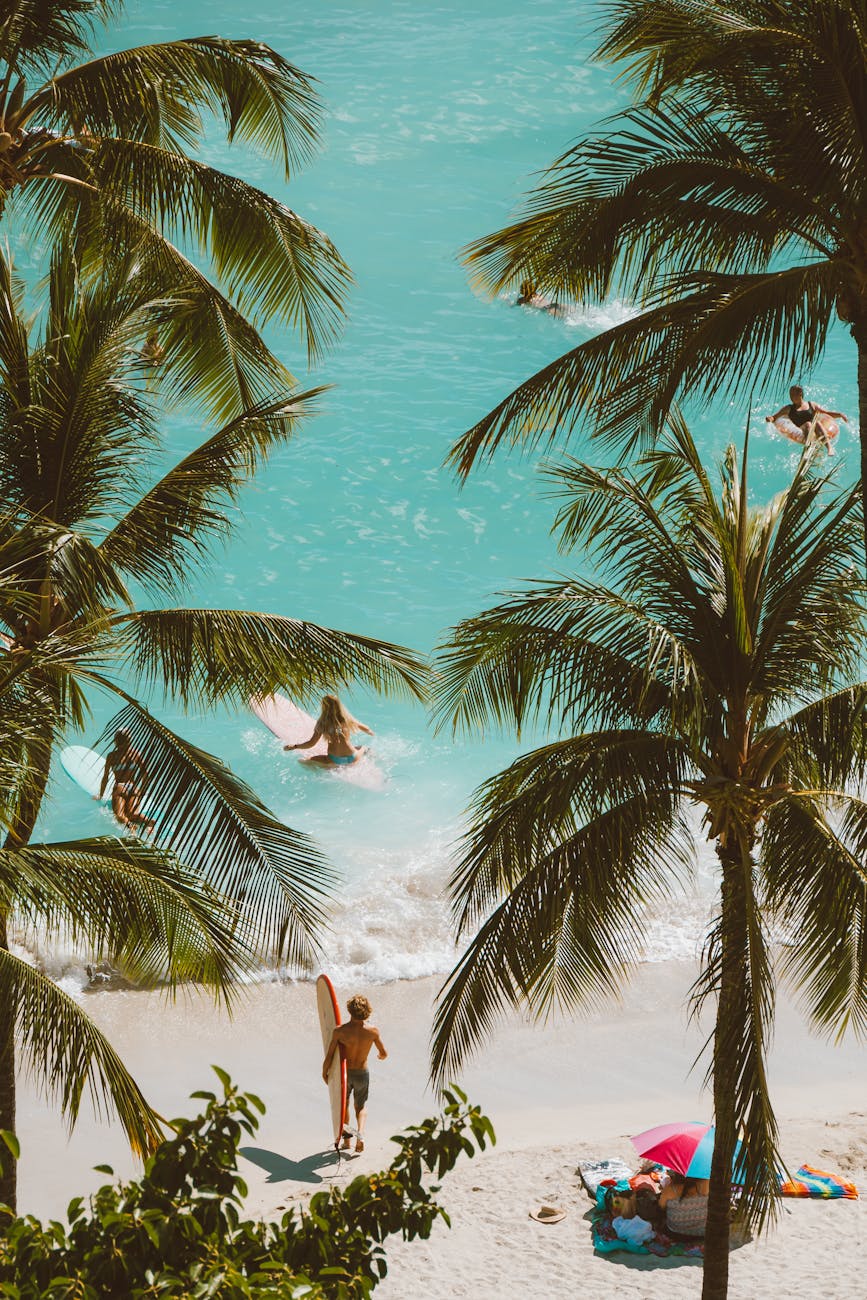
The west coast of Barbados faces the Caribbean Sea. The water is calm, clear, and shallow enough to stand 50 metres out. There are no crashing waves, no undertow, no surprises. The colour runs from pale mint near the shore to deep cobalt where the reef begins. This is why the strip from Speightstown in the north to Bridgetown in the south is called the Platinum Coast—it’s where the resorts are, where the yachts anchor, and where the sand is palest.
Holetown is the reference point for the west coast and the site of the first British settlement on Barbados, established in 1627. The town has a weekly Thursday street market, a well-stocked supermarket, and a restaurant strip that runs from local roti shops to seafood terraces facing the water. Sandy Lane hotel anchors the south end of the strip—rates start at USD 900 per night and regularly exceed USD 3,000 during peak season. Everything around it costs less.
Paynes Bay and Batts Rock Bay are two of the most accessible public beach areas on the west coast. Sun loungers and beach chairs are available for rent at BBD 30–40 per day from vendors who have worked the same patches of sand for years. The calm water makes both beaches safe for all ages and ability levels. Snorkelling directly off the beach reveals parrotfish, sergeant majors, and occasional sea turtles feeding on seagrass.
Sunset catamaran tours depart from Bridgetown and Holetown in the late afternoon, running north along the coast with a snorkelling stop at the SS Stavronikita wreck—a freighter sunk deliberately in 1978 at 40 metres depth as an artificial reef, now one of the best recreational dives in the Caribbean. Tours include a rum punch open bar and return at dusk. Prices run BBD 150–200 (USD 75–100) per person.
Speightstown, the north end of the Platinum Coast, is Barbados’ second town in everything but name. Less polished than Holetown, more lived-in. The Arlington House Museum tells the story of the island’s sugar economy and merchant history through an interactive exhibition that covers three centuries without romanticising any of it.
The east coast is a different island. The Atlantic breaks directly onto the Barbados shore here with full ocean force, and the geology shifts from coral sand to weathered boulders that jut from the sea like the backs of sleeping animals. There are no beach hotels on this side. No loungers, no rum punch vendors, no sunset catamarans. The east coast belongs to the sea and to the people who grew up beside it.
Bathsheba is the main settlement—a small fishing village below the Scotland District hills, where the cliffs rise in green layers behind the coast. The Soup Bowl, just north of Bathsheba village, is the best surf break in Barbados and one of the most technically demanding in the eastern Caribbean. The Barbados Surf Pro competition has been held here, drawing professional competitors from across the ASP circuit. Local surf schools operate out of Bathsheba and offer lessons on calmer beginner breaks to the south.
The Rock Café sits on the clifftop above the ocean and serves flying fish cutters—a roll filled with seasoned, fried flying fish—for BBD 12 (USD 6). The view extends south along the coast to the Bathsheba Pools: naturally formed rock pools at the base of the cliffs where the sea fills them at high tide and calms at low. Local families swim here on weekends. The pools are sheltered enough for careful swimming; the open ocean beyond them is not.
Andromeda Botanic Gardens sits above Bathsheba on the hillside—six acres of tropical garden established by horticulturalist Iris Bannochie in 1954, now managed by the Barbados Horticultural Society. Orchids, heliconias, bougainvillea, and cacti spread across terraced hillside with ocean views. Entry costs BBD 35 (USD 17). Open daily from 9am to 5pm.
Harrison’s Cave is 15 kilometres inland, accessible through the island’s interior. The tram tour through illuminated stalactite and stalagmite formations runs approximately 45 minutes through 2 kilometres of limestone cavern, with a stream running through the lowest chambers. Entry costs BBD 50 (USD 25). The cave temperature stays at a constant 26°C regardless of the season above ground.
Cricket in Barbados is practised with a dedication that makes the rest of the world’s enthusiasm look casual. The island of 280,000 people has produced Sir Garfield Sobers—widely regarded as the greatest all-rounder ever to play the game—and a disproportionate number of West Indies test players over the decades. The Kensington Oval in Bridgetown, rebuilt for the 2007 ICC World Cup and seating 15,000, hosts regional and international matches. A test match at Kensington is an event: the stands fill, the rum flows, and the Bajans are passionate and technically informed in equal measure.
Crop Over is the defining annual event—a harvest festival grown from the sugar plantation era that has evolved into a full Caribbean carnival. It runs from early July through to Grand Kadooment Day on the first Monday in August, when thousands of costumed revellers parade from the National Stadium through Bridgetown to Spring Garden Highway. The festival also includes calypso competitions decided in the weeks before, the Foreday Morning jump-up (a pre-dawn street party in mud and paint), and concert nights at Farley Hill National Park in the northern hills.
Rihanna—Robyn Rihanna Fenty—was born in Saint Michael parish. In 2021, the Barbados government made her an Honorary National Hero, one of eleven in the country’s history. The award was presented by the Prime Minister on the same night Barbados became a republic. Bajans discuss her with the pride and easy familiarity of somewhere that raised someone and knows it.
The best season to visit is December through April—dry, 27°C, trade winds keeping temperatures comfortable. The west coast is at its calmest and clearest. High season prices apply: hotel rates in Holetown and on the Platinum Coast are 40–60% higher than in summer, and reservations for good properties should be made months in advance. Budget options exist throughout the island—guesthouses in the interior and south coast cost BBD 150–300 (USD 75–150) per night.
Hurricane season runs June through November. Barbados sits at the southern edge of the belt and receives direct strikes less frequently than its northern neighbours—the island last took a significant direct hit from Hurricane Janet in 1955. Near-misses are more common and can bring heavy rain and disrupted travel. Travel insurance is advisable regardless of season. The island takes its weather seriously but rarely closes for long.