This is your destination guide for South Africa.
This is your destination guide for Wild Coast
📍 Part of South AfricaRondavel hills, the Hole in the Wall, and the one coast South Africa never paved over.

The reality: You turn off the N2 and the tar lasts about as long as your phone signal. Then it's gravel, cattle on the road, and rondavels — round thatched huts, painted turquoise and pink — scattered across green hills that roll straight into the Indian Ocean. There are no resort strips here. There is barely a hotel. This is the old Transkei, and it looks like nowhere else in South Africa.
That's the Wild Coast. It's the stretch the Garden Route crowds never reach, because getting here is slow and staying here is basic. No spas, no boutiques, no traffic. Instead: empty beaches, fishermen selling the morning's catch, and Xhosa villages where you sleep in a rondavel and eat with the family that runs the lodge.
Most people come for the Hole in the Wall — a cliff with the sea punched right through it — and leave talking about the five-day hike, the surf at Mdumbi, or the man who sold them a crayfish on the sand. This is also Nelson Mandela's part of the country; he grew up in these hills. Come for the coast. Stay for everything the tar road skips.
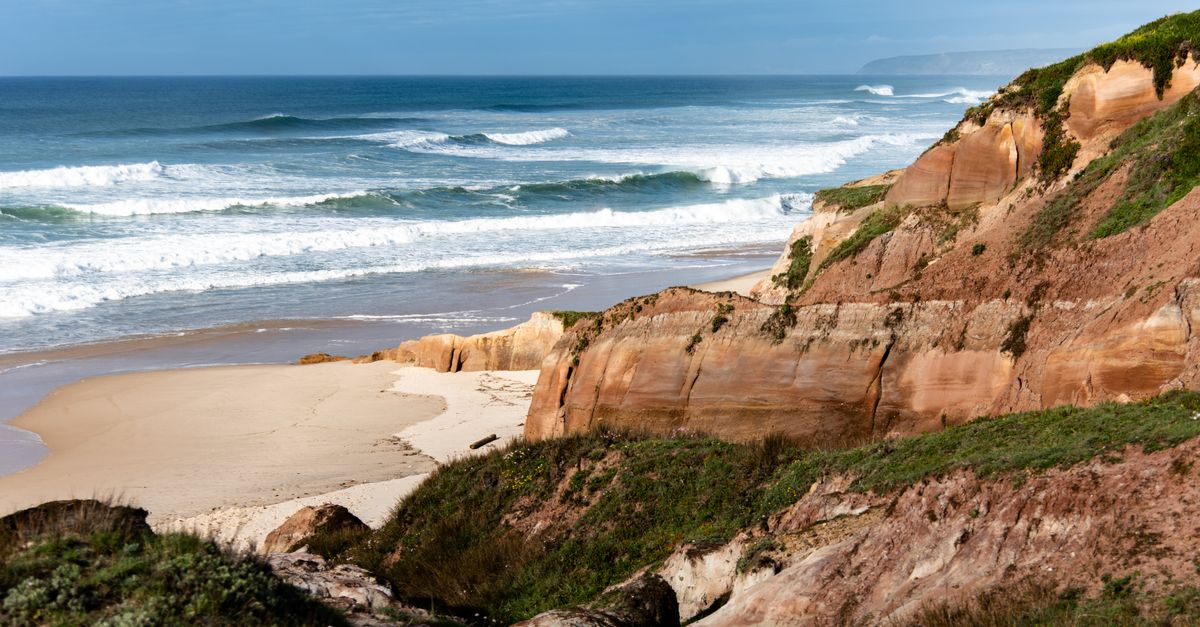
The Wild Coast is one long run of empty beach, river mouths, and cliffs with almost nothing built on it. No loungers for hire. Cattle on the sand and a fisherman or two instead.

Hole in the Wall — the one image everyone knows: a freestanding cliff with the sea cut right through the middle, a few kilometres south of Coffee Bay. Walk the clifftop above it, or scramble to the beach at low tide. The Xhosa name is esiKhaleni, "the place of sound," for the noise the waves make through the gap.
Coffee Bay — the main beach. A kilometre of sand and one of the few dependable surf breaks on the coast. Safe to swim, and one of only two places with a tarred road all the way to the sea.

Mdumbi — a river-mouth beach further up, the best surf on the Wild Coast and quieter than Coffee Bay. The backpackers here is community-owned.
Hluleka Nature Reserve — empty beaches backed by dune forest, with zebra and bushbuck wandering down to the grass. Almost nobody goes.
Mazeppa Bay and Mbotyi — further apart, harder to reach, which is exactly the point.
No cities out here. The "towns" are river-mouth villages, each doing one thing.

Port St Johns — the closest thing to a hub, where the wide Mzimvubu River cuts through two cliffs (the Gates) to the sea. A bit ramshackle, a bit wild, with a market, a few bars, and boat trips up the river.
Coffee Bay — small, backpacker-driven, the base for the Hole in the Wall and surf lessons.
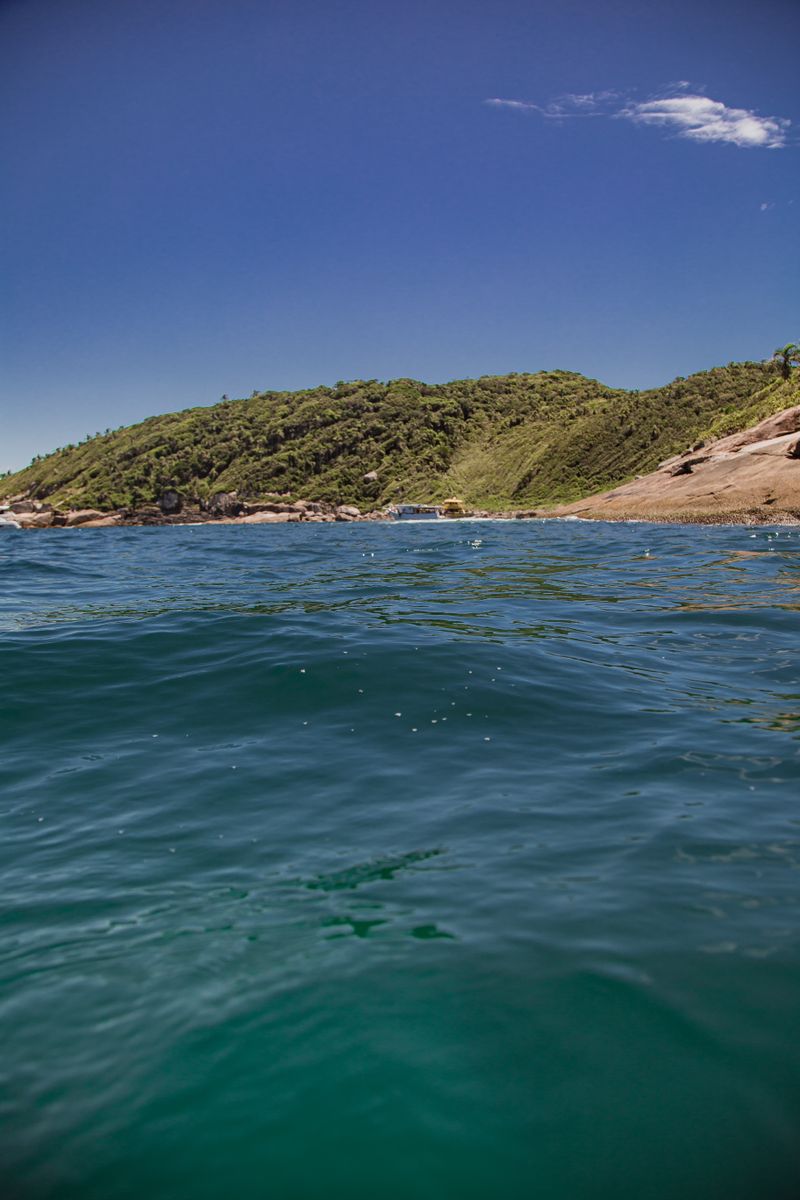
Chintsa (Cintsa) and Morgan Bay — the gentle southern gateway near East London. Easier roads, family hotels, horse riding on the beach. Where to start if the rest sounds like too much.
Bulungula — not a town, a village with an off-grid, community-owned lodge run with the local Xhosa community. Getting there is half the story.
Mthatha — the regional town and gateway: airport, supplies, fuel. Not pretty, but it's where Mandela country begins.
For people who'd rather walk a coast than lie on it.
The Wild Coast rewards effort more than money. Nothing here is packaged — you walk, paddle, or surf, usually with a local who grew up doing it.
Don't come for restaurants. Come for what the sea and the village put in front of you.
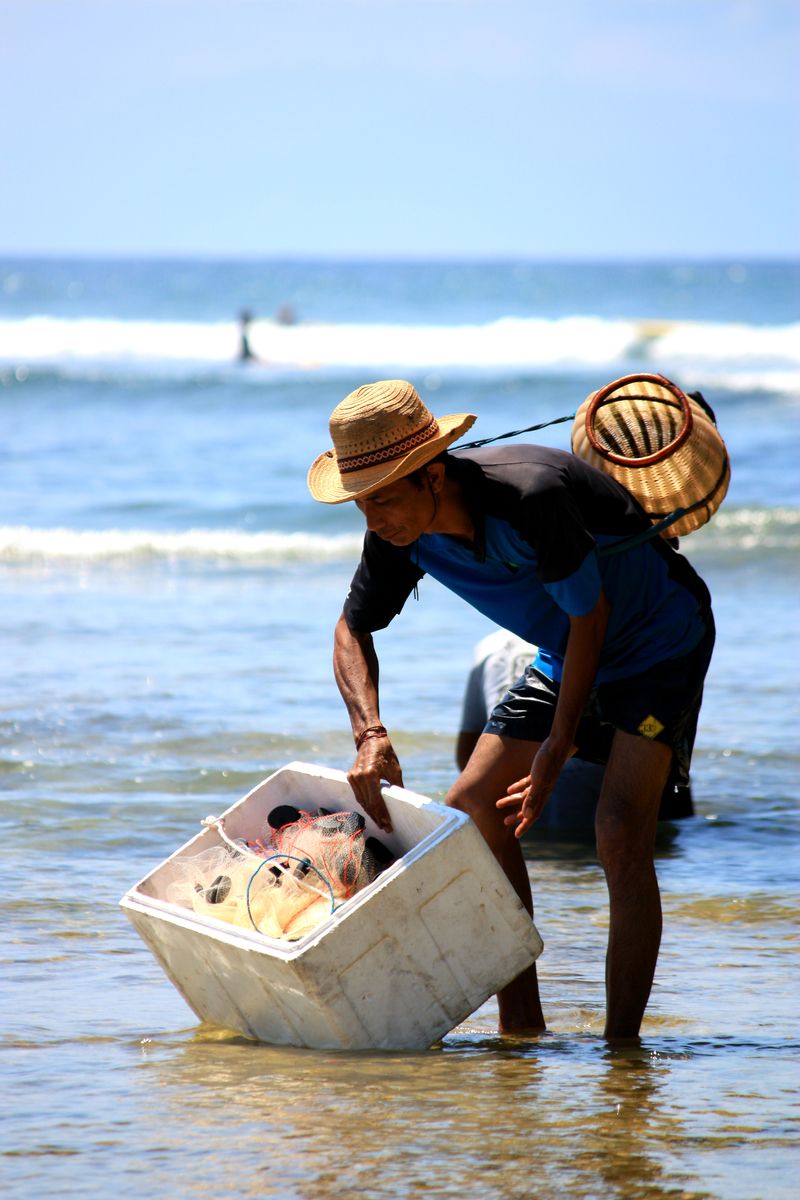
Crayfish (rock lobster) — sold off the beach by locals, grilled simply. R60–R120 and better than anything on a menu.
Fresh fish — straight off the boats, braaied over coals.
Umngqusho — samp and beans, slow-cooked. Mandela's favourite, and you'll see why.
Amasi — thick sour milk poured over pap. Umqombothi — home-brewed sorghum beer, drunk in shebeens.
Where to eat is mostly the lodge kitchen and whoever's cooking that night. Port St Johns and Coffee Bay have a handful of small places, and that's the extent of the "dining scene." It's honest food, not a menu — and that's the point of being here.
This is the Transkei — a former Xhosa homeland, and the part of South Africa that feels least changed. Nelson Mandela was born at Mvezo, grew up at Qunu, and is buried there. The Nelson Mandela Museum in Mthatha and the site at Qunu tell that story on the ground he actually walked.
Beyond Mandela, the draw is village life itself: staying in a rondavel, eating with the family that hosts you, hearing isiXhosa with its clicks, drinking in a shebeen. Community lodges like Bulungula are run with the village and put money where you're standing, not in a head office.
One note of respect: you may see young men in white clay during initiation season. This is private, not a sight. Look away, don't photograph.
April–June and September–October are the sweet spot: dry, warm days, green hills, rivers low enough to cross on foot, and few people. This is where you want to be.
December–March is summer — hot, lush, but wet (rivers up, gravel roads worse) and busy over the South African school holidays. Book ahead or stay away from the festive weeks.
June–August is winter: cooler, dry, and the season of the Sardine Run (roughly June–July), when millions of sardines move up the coast and pull dolphins, whales, sharks, and gannets in behind them — with Port St Johns on the front row. Whales pass from June into November.
Self-drive, but know what you're in for. Tar reaches the sea only at Coffee Bay and Port St Johns; everything else is gravel, potholed, and slow, shared with cattle and goats. You don't need a 4x4, but high clearance helps and you drive in daylight.
Mthatha airport has flights from Johannesburg, which saves the long drive from East London or Durban. The Baz Bus drops backpackers near Coffee Bay, and most lodges arrange transfers from the main road. There is no Uber out here. Fill up whenever you pass a working fuel station.
One to watch: the long-promised N2 Wild Coast shortcut and its Msikaba bridge keep slipping — the latest reports push completion past 2026, some as far as 2029. For now the only route is the slow inland one via Kokstad. Don't plan around the bridge.
Compare rental cars →Pick a base by how far off the grid you want to be. None of these are big — that's the coast.
Chintsa or Morgan Bay — gentlest entry. Family hotels, good roads, near East London.
Coffee Bay — backpackers and guesthouses, the Hole in the Wall on the doorstep.
Mdumbi — surf and a community-run backpackers, quieter.
Bulungula — off-grid community lodge, the real thing, not for everyone.
Port St Johns — town, estuary, the most going on.
Umngazi — the one proper river-mouth resort if you want comfort with the wildness.
The Wild Coast is South Africa's cheapest coast — backpackers and community lodges, not Garden Route resorts. What you spend extra is patience on the roads.
Prices in 2026 rand. Off-season and midweek knock a good chunk off lodging.
Go if you want the South Africa behind the postcards — empty beaches, rondavel villages, the Hole in the Wall, and a five-day hike you'll talk about for years. Skip if you need tar to your door, a spa at the end of it, or a beach you can swim without asking a local first.
Found this useful? Share it.
Still planning?
We don’t stop at “here’s the country.” Real places to stay, what to do, apps that matter, even how to find someone to travel with — plus guides for whatever vibe you’re after, from beach days to wine country to slow weekends. All up top. Spin for somewhere new when you’re done with this one.