This is your destination guide for South Africa.
This is your destination guide for Zululand
📍 Part of South AfricaTurtle beaches, the world's southernmost coral reefs, and a warm Zulu coast where hippos walk the streets after dark.


The reality: It's an hour before dark and you're on a sand track north of St Lucia, windows down, the air thick and warm and smelling of the sea. A fish eagle calls. Somewhere ahead, on a beach with no lights and no buildings, a leatherback turtle the size of a dining table is about to drag herself out of the surf to lay eggs in the dune — the same beach she hatched on, decades ago.
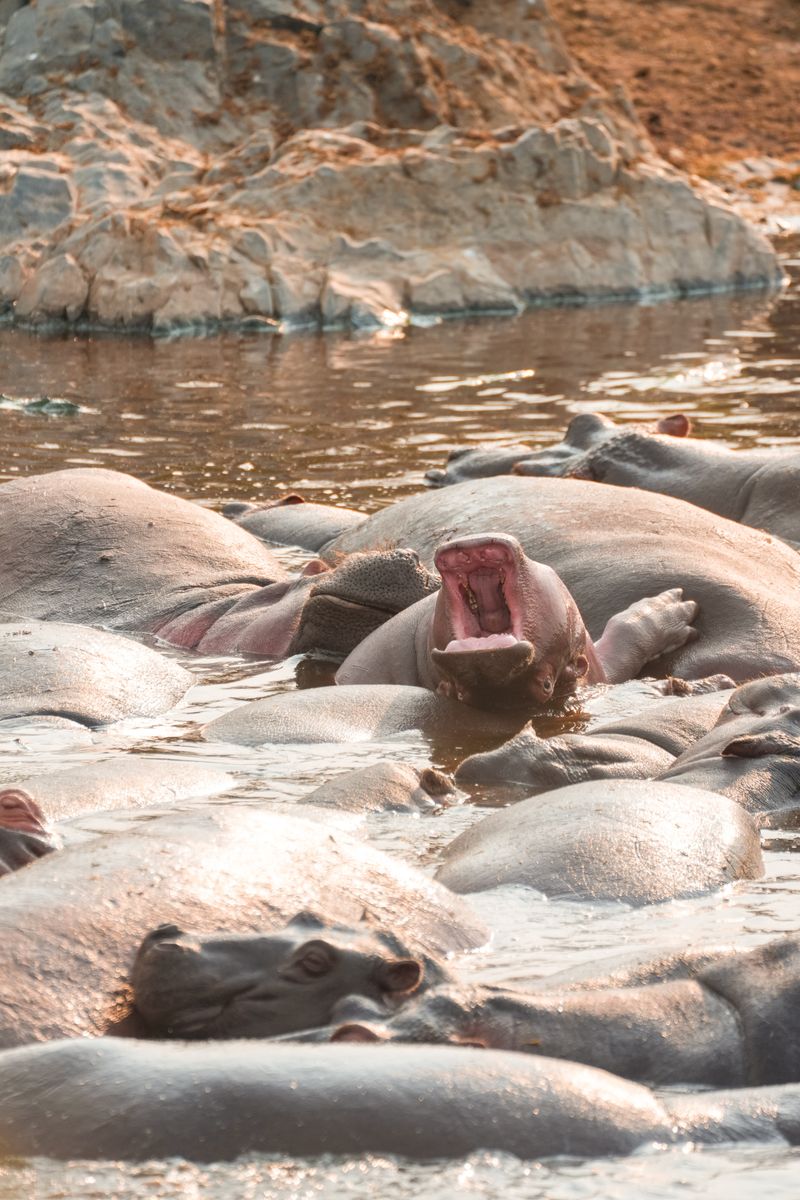
This is not the South Africa of the safari brochure. The Big Five live here — Hluhluwe-iMfolozi, just inland, is where the white rhino was pulled back from extinction — but the lions are the side trip, not the headline. The headline is the coast: iSimangaliso, a 220-kilometre run of lake, wetland, dune and reef that UNESCO listed first of anything in the country. Turtles nest on it. Whales pass it. Coral grows at the bottom of it — the southernmost reefs on the planet. And hippos walk through St Lucia at night while the locals wait for them to pass.
You'll want a car and about a week. Base in St Lucia for the estuary and the turtle beaches, drive up to Sodwana to dive, give a day or two to the rhino park, and end somewhere remote in the north where the road runs out in soft sand. It rewards people who like their nature a little unpolished — no boardwalk handrails, no guaranteed sightings, the odd malaria tablet up north. Come for that and Zululand is one of the most rewarding corners of South Africa. Come for a poolside cocktail and you've booked the wrong coast.
iSimangaliso runs for about 220 kilometres, from the St Lucia estuary in the south to the Mozambique border at Kosi Bay. Lake, swamp, dune forest, beach and coral reef, stacked side by side. It was the first place in South Africa that UNESCO put on its World Heritage list, back in 1999. Most of it has no road — which is the point.
St Lucia & the estuary — the southern gateway and the obvious base. Lake St Lucia is one of Africa's largest estuaries, with more than 800 hippos and around 1,200 crocodiles in it. Two-hour boat cruises leave from the town; you'll see both.
Cape Vidal — 32 km north of St Lucia through the Eastern Shores. The gate fee buys a slow game-viewing drive past zebra, kudu and the odd rhino on the way. A sheltered swimming beach with a reef close to shore for snorkelling at low tide. The turtle drives launch from up here.
Mission Rocks & the Eastern Shores — loop roads, bird hides and a high dune lookout. You can watch whales from the dune in winter.

Sodwana Bay — the diving capital, four hours north. The reefs sit a few hundred metres offshore and are named by distance from the launch: Two Mile, Five Mile, Seven Mile, Nine Mile. The southernmost coral reefs on the planet. More on the diving below.
Lake Sibaya — South Africa's largest natural freshwater lake, hidden behind the dunes. Quiet, full of hippos, almost no one else.
Kosi Bay & the far north — a chain of lakes and the Kosi mouth, right on the Mozambique border. Snorkel the estuary, see the centuries-old Tsonga fish traps still in use. Remote, malaria country, worth the effort if you have the days.
Zululand's settlements are small and functional — you come for what's around them, not for the towns themselves. Two are worth real time in their own right.
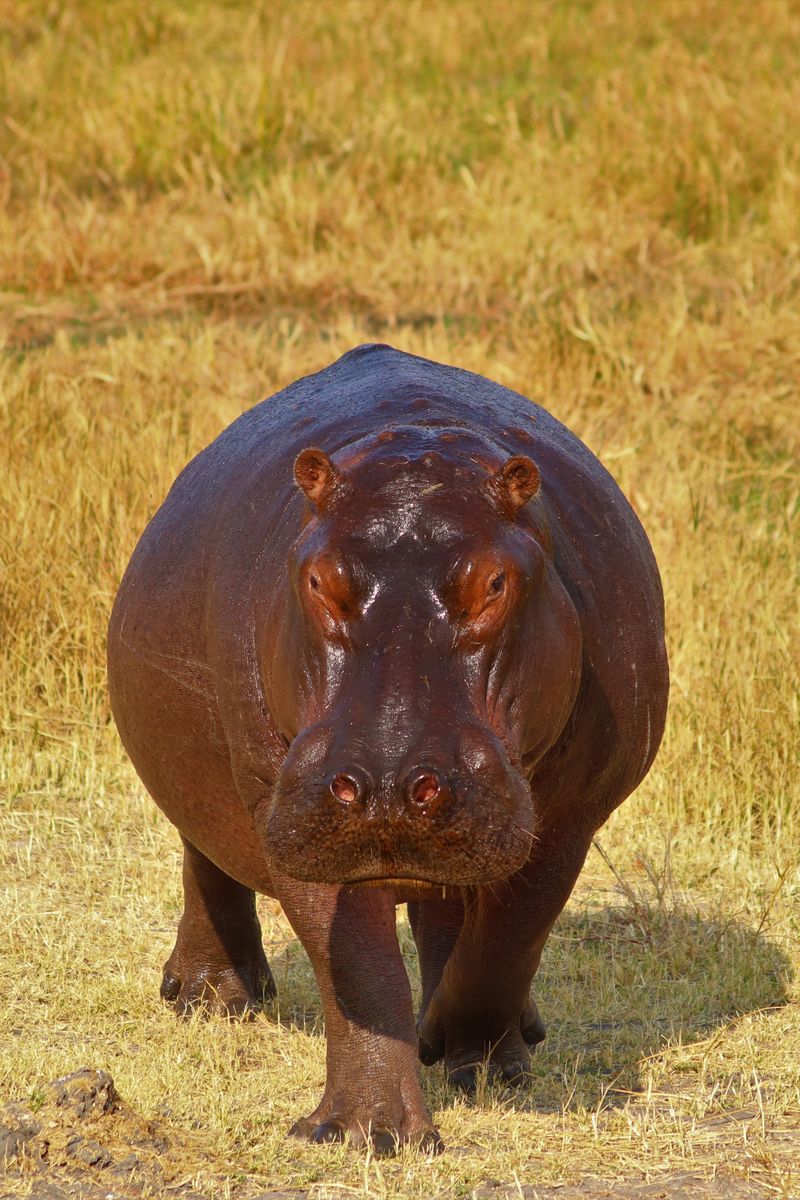
St Lucia — the one town built for visitors, and the best all-round base. A single main street, the estuary at the end of it, and hippos that graze the verges and cross the road after dark. There are warning signs, and they are not a joke. Restaurants, dive shops, tour operators, fuel. Sleep here for the south of the park.
Mtubatuba — 25 minutes inland, the working market town where you'll actually find a supermarket and a pharmacy. Not a destination; useful to know.
Hluhluwe town — a small place near the northern gate of the rhino park, an hour north of St Lucia. A handful of lodges and a petrol station. A base for the Big Five day if you don't want to sleep inside the reserve.

Eshowe — the oldest town in Zululand and the place to take the Zulu kingdom seriously. The Vukani Museum holds one of the largest collections of Zulu craft anywhere — beadwork, basketry, carving. The Dlinza Forest next door has a raised boardwalk through the canopy. Inland, green and cooler than the coast.
Ulundi & Ondini — the former royal capital. Ondini was King Cetshwayo's homestead, burned at the end of the Anglo-Zulu War in 1879; the site and the KwaZulu Cultural Museum are rebuilt and open. This is the heart of the kingdom, not a staged village.
Most of why you came is in the water — but the bush is one gate away.
This is a place where you can dive a coral reef at dawn, watch a turtle nest after dark, and look at a rhino the next morning. The hard part is the distances and the seasons, not the choice of what to do.
Zululand isn't a fine-dining region and doesn't pretend to be. What it has is fresh seafood off the Indian Ocean, the Mozambican prawn-and-peri-peri influence drifting down the coast, and Zulu home cooking if you look for it.
Shisanyama — literally "burnt meat," a braai (barbecue) you order by weight at a butchery-grill and eat with pap, a stiff maize porridge. The social Sunday meal across Zululand.
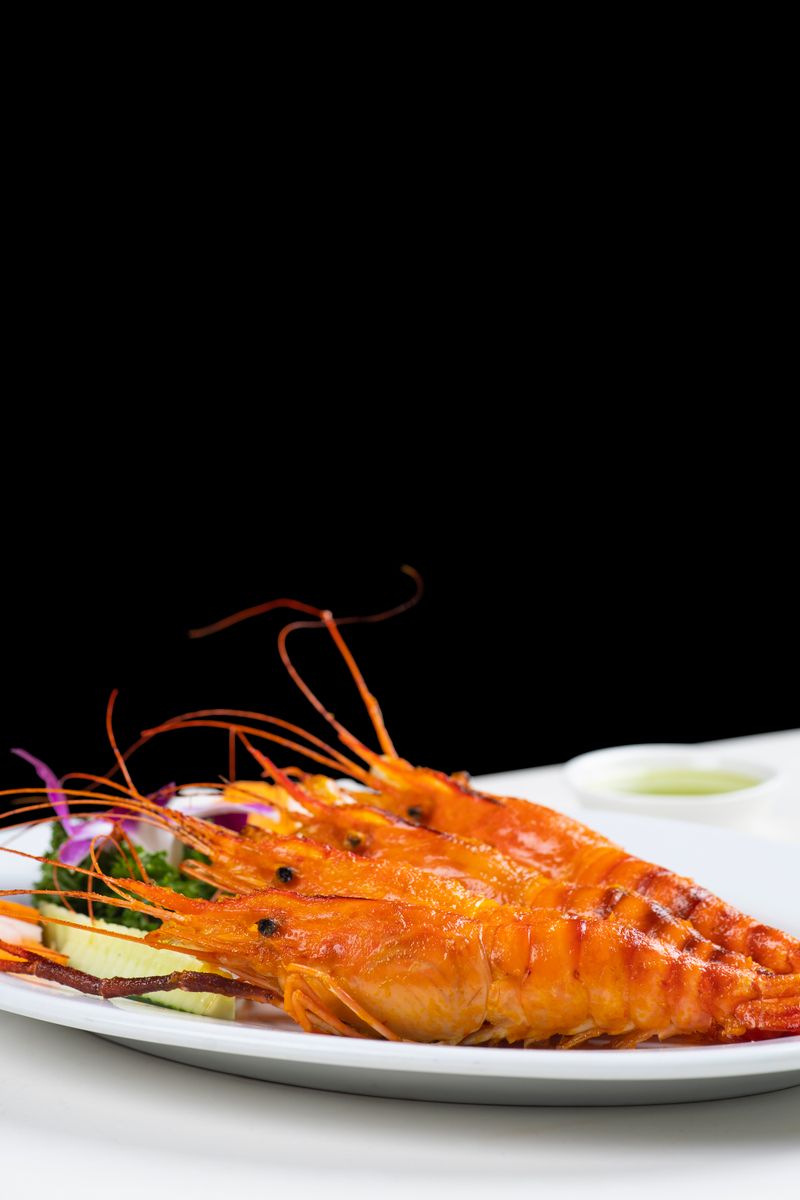
Prawns & peri-peri — the Mozambique border is close, and the grilled-prawn tradition came with it. St Lucia restaurants do prawns and line fish well and cheaply.
Amasi — thick fermented milk, the everyday Zulu staple, usually poured over pap. An acquired taste; try it once.
Umqombothi — traditional Zulu sorghum beer, sour and low in alcohol, brewed at home rather than sold in bars. More likely offered at a cultural visit than bought in a shop.
Where to eat: in St Lucia, McKenzie Street is the strip — seafood, grills, pizza and coffee, most of it casual and good value. The owner-run places change often, so ask at your lodge for the current pick. Outside St Lucia and the lodges, you're mostly self-catering, so stock up in Mtubatuba.
Zululand has two different seasons, and which one you want depends on whether you're here for the water or the wildlife.
Winter — May to September — dry, mild (22–26°C by day, cool nights), and the better all-rounder. The bush thins out so game viewing is easier, the sea is clearest for diving (visibility up to 30 metres), humpback whales pass the coast between June and November, and the malaria risk is at its lowest. The water is cooler (around 22°C) but still divable. This is the safe default.
Summer — November to March — hot and humid (30°C and up), with afternoon thunderstorms and the wettest months. But this is turtle season (nesting November to February), the water is warmest for diving (26–28°C), and the bush is green. It's also when the malaria risk is highest, especially January to April. If you come now, you come for the turtles and you take the mosquito advice seriously.
Shoulder — April and October — quieter and cheaper, and you dodge both the worst heat and the school-holiday crowds. April still has good diving visibility; October starts the turtle build-up.
One stretch to avoid for value: mid-December to mid-January, the South African school holidays. St Lucia fills up and prices roughly double.
Hire a car. There's no real alternative — public transport doesn't serve the parks, and the whole point is the distance between the coast, the bush and the far north.
The gateway is King Shaka International Airport in Durban. From there it's about 2.5 to 3 hours up the N2 to St Lucia, the same to Hluhluwe, and roughly 4 to 4.5 hours to Sodwana Bay. The N2 itself is a good tar road.
The catch is the last stretch to the northern coast. The roads into Sodwana, Mabibi and Kosi Bay turn to sand — sometimes deep, soft sand that a low two-wheel-drive hire car will bog down in. For Sodwana the main access is manageable in a normal car if you're careful; for Mabibi, Kosi Bay and the remote lodges, you want a 4x4 or a transfer arranged by the lodge. Check before you book the car.
A few practical notes: there's no fuel inside iSimangaliso, so fill up in town. Park gate times are strictly enforced — roughly 6am to 6pm in winter, 5am to 7pm in summer — and you'll be turned away or fined if you're out late. And no alcohol is allowed through the iSimangaliso gates.
Pick a base by what you're chasing. Most people split between two.
St Lucia — the all-rounder. Walk-everywhere town, the estuary, turtle tours, easy reach of the Eastern Shores and Cape Vidal. The obvious first base.
Hluhluwe town or inside the reserve — for the rhino park. Sleeping inside Hluhluwe-iMfolozi (Hilltop or Mpila camps, booked through Ezemvelo) puts you on the dawn game drive without a long approach.
Sodwana Bay — for divers. Functional dive lodges and cabins close to the launch. Not pretty, very practical.
Mabibi, Rocktail or Thonga — the empty north. A handful of lodges hidden in the dune forest, reached by 4x4 or transfer. Quiet, expensive, the best of the wild coastline.
Mkuze — inland bush, for birders and a quieter reserve away from the crowds.
Zululand is a bargain next to Mediterranean Europe or an East African beach-and-safari trip — the weak rand means your euros stretch a long way. The catch is the stacking: an iSimangaliso gate fee, a separate Hluhluwe-iMfolozi conservation fee, and a lot of petrol for the distances. The remote far-north lodges, though, charge what you'd pay anywhere in the world.
Prices in 2026 rand. The far-north lodges (Rocktail, Thonga, Mabibi) run far higher — all-inclusive territory. Park fees rise most years in December, so check current rates before you go.
Go if you want a coast that does turtles, the world's southernmost reefs, hippos in the street and a Big Five park next door — all in one week of driving. Skip if you came purely for the Big Five (that's Kruger), or you want a serviced beach resort with a cocktail menu and no sand roads.
Found this useful? Share it.
Still planning?
We don't stop at "here's the country." Real places to stay, what to do, apps that matter, even how to find someone to travel with — plus guides for whatever vibe you're after, from beach days to wine country to slow weekends. All up top. Spin for somewhere new when you're done with this one.