This is your destination guide for North Macedonia.
North Macedonia's wine heartland: vranec at the cellar door, a Roman theatre by the motorway, and a monastery you can only reach by boat.
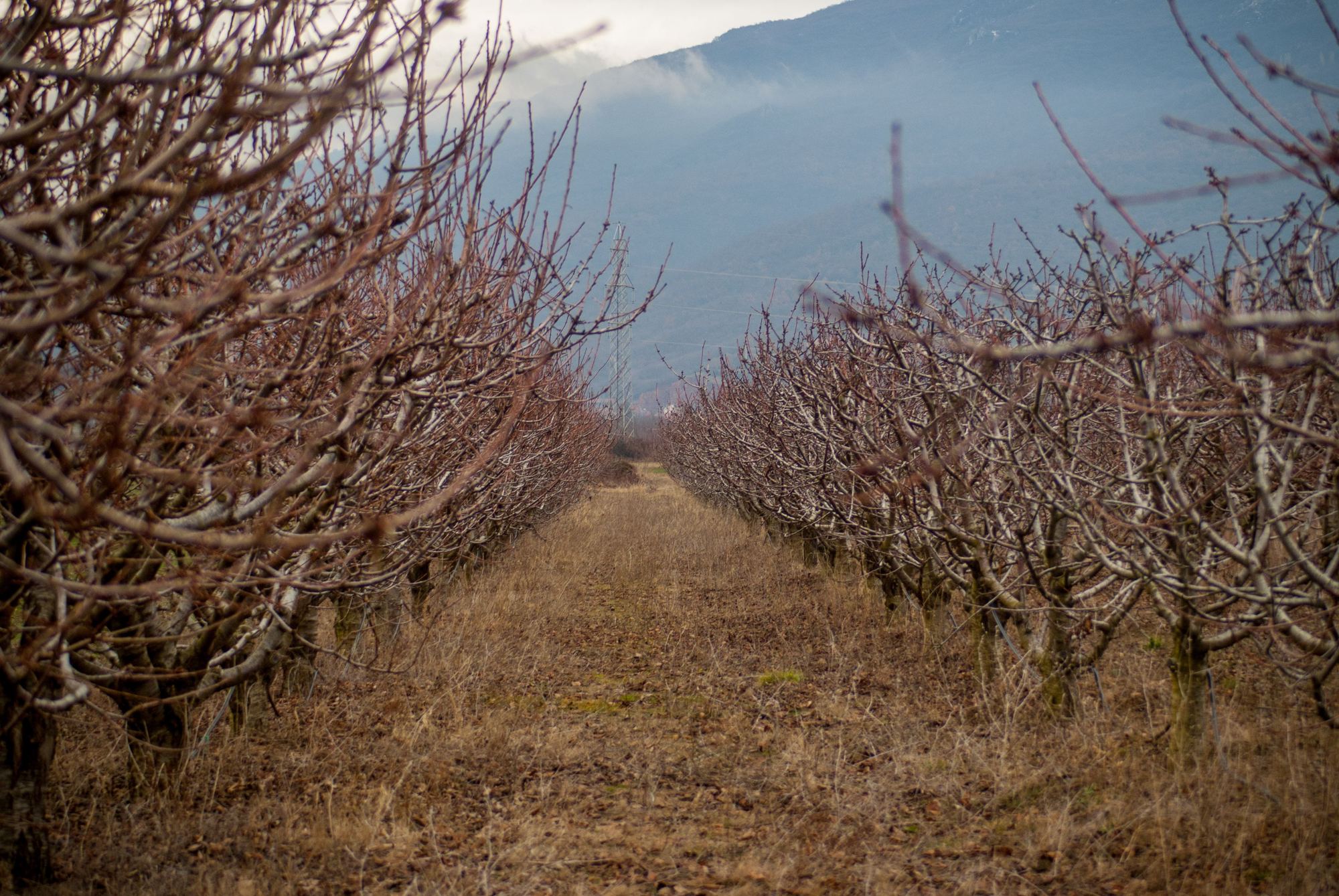

The reality: Most people see Tikveš at 120 km/h. The motorway from Skopje to Greece runs straight past the ruins of Stobi and the vineyards around Negotino, and nobody stops. That's the mistake.
This is the heart of North Macedonia's wine country. The Vardar valley region makes the large majority of the country's wine, and North Macedonia grows more vranec than any other country in the world. The big winery in Kavadarci, Tikveš, has been making wine since 1885.
Between tastings there's a Roman city with a theatre and mosaic floors, and a long reservoir in a gorge where a monastery is only reachable by boat. Taste in the morning, walk Stobi before it closes, then eat fish by the lake.
Kavadarci and Negotino sit about 10 km apart in the Tikveš plain, with vineyards on every side. Most cellars take visitors, but almost all want a booking first.
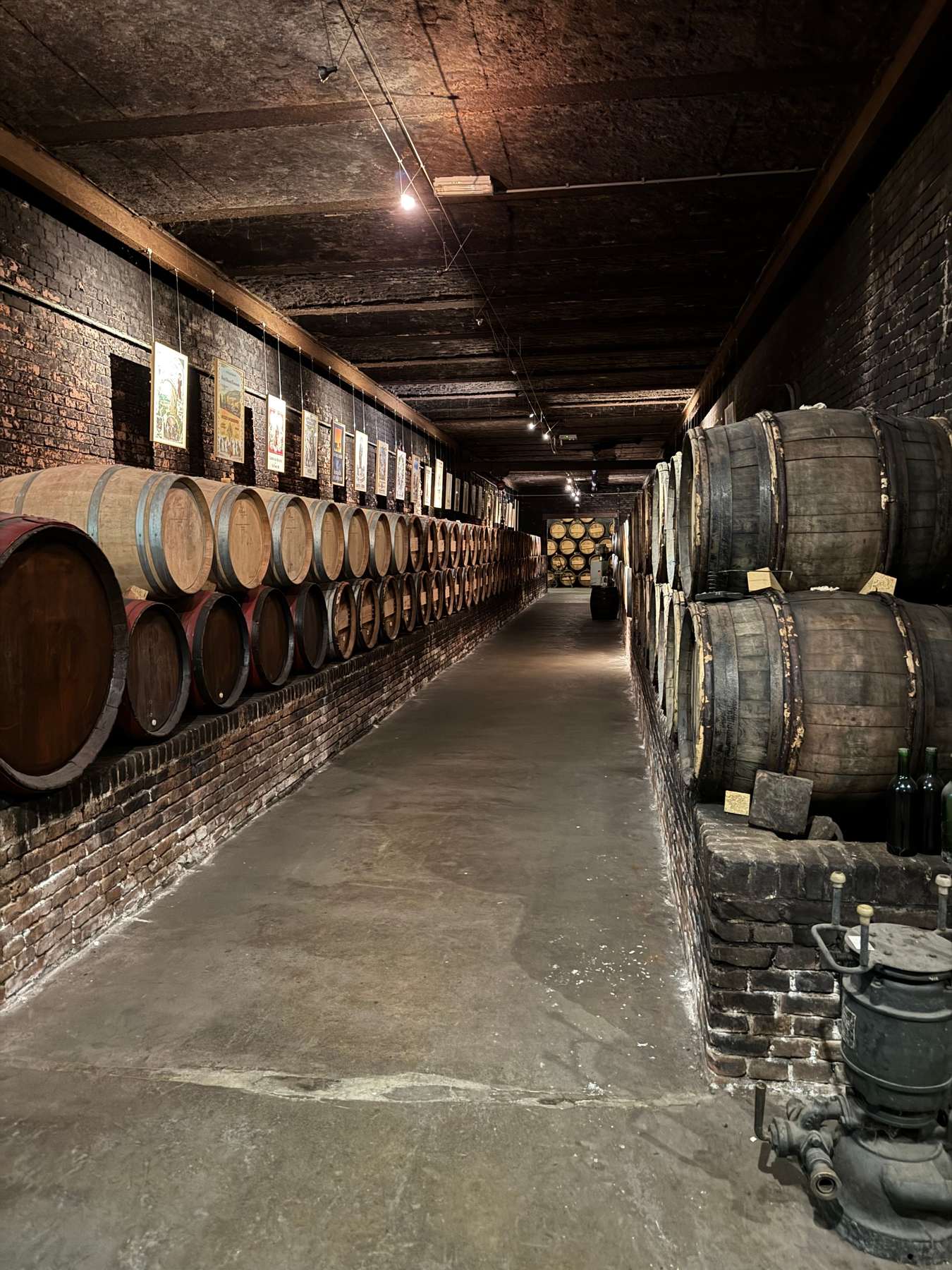
Tikveš Winery — in Kavadarci, founded in 1885 and by far the biggest name in the country: more than 15 million bottles a year. Start here for the scale, then try its single-vineyard wines from Bela Voda and Barovo to see the other end of it. Tours need booking ahead.
Bovin — just outside Negotino, founded in 1998. One of the private wineries that grew up after the big state cellars, and set up for groups.
Small family cellars — the villages around Kavadarci and Negotino are full of them. Tastings are often in the family's own house, with whoever made the wine pouring it.
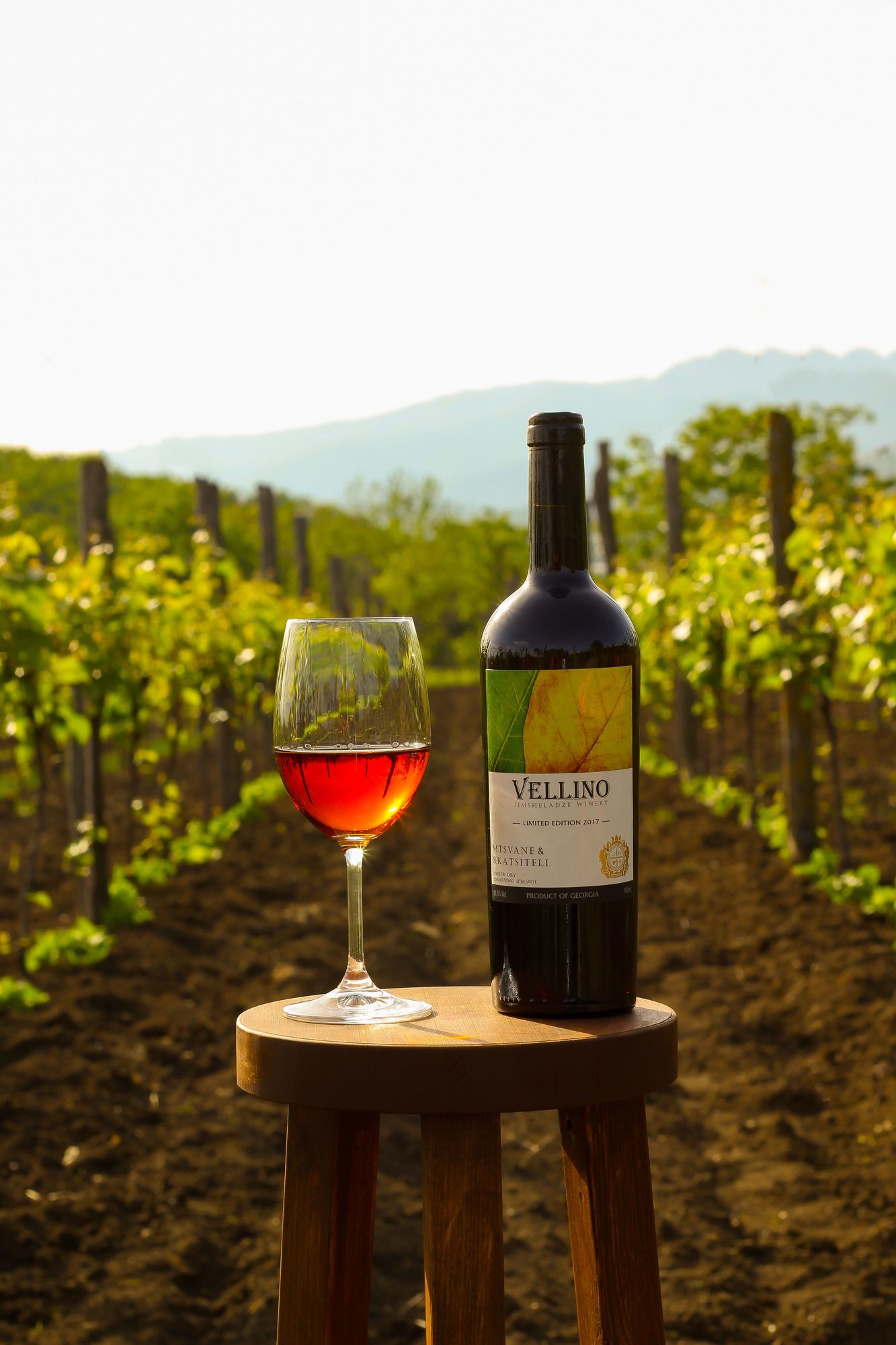
Vranec — the grape to taste. Dark, strong reds, often 14–16% alcohol. North Macedonia has more of it planted than anywhere else on earth.
Temjanika — the local name for white Muscat, and a favourite with local drinkers. Fragrant, and built for a hot afternoon.
Stanušina — a rare red you won't find at home, described as the only truly indigenous Macedonian grape in commercial production. If a winery lists it, order it.
One Roman city on the motorway, one monastery cut off by water. Do both and Tikveš stops being only about wine.
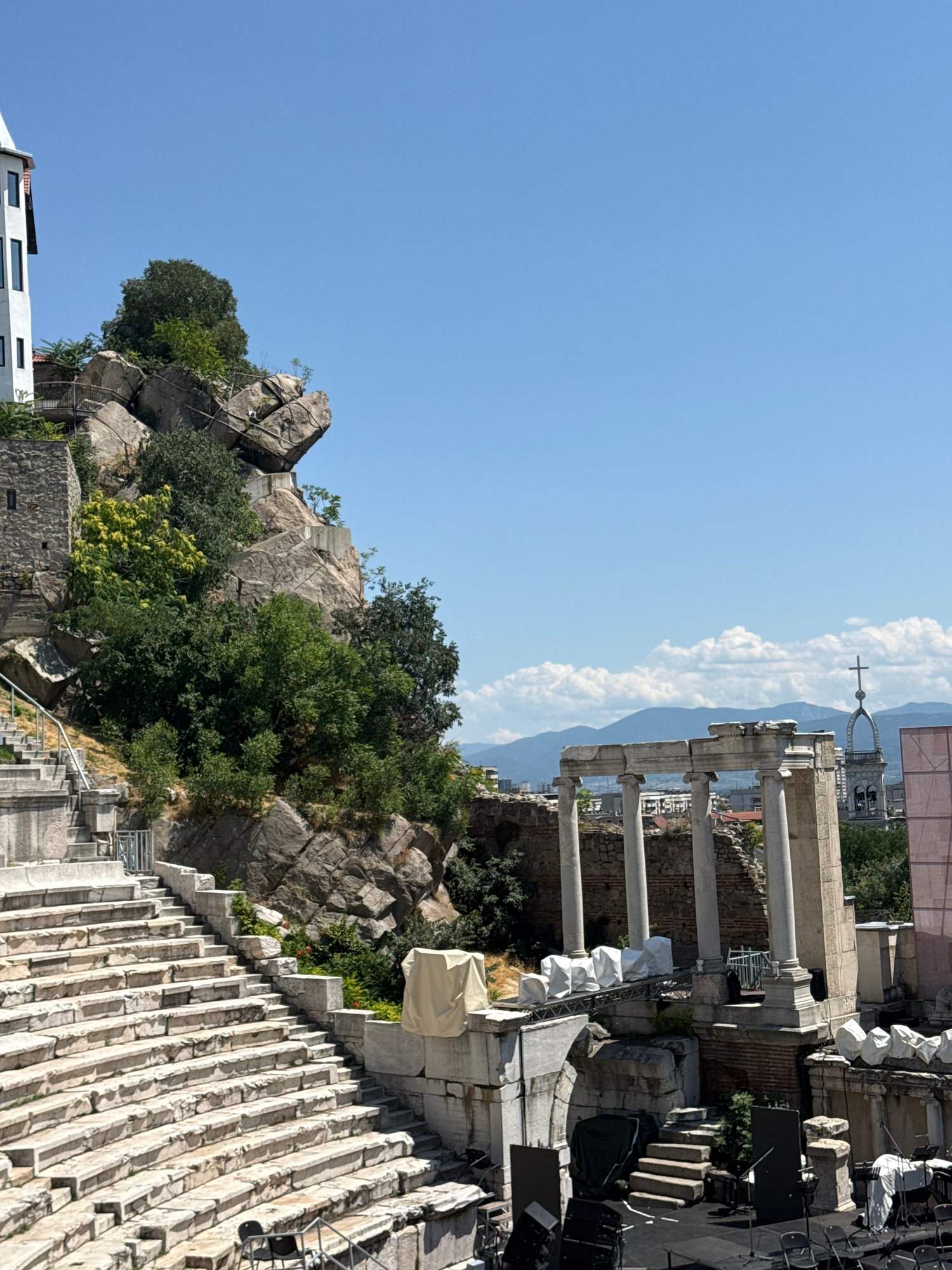
Stobi — first mentioned in 197 BC, later capital of the Roman province of Macedonia Secunda. Emperor Theodosius I stayed here in 388. Ostrogoths sacked it in 479, and an earthquake in 518 finished the job.
What to see — a 2nd-century theatre for around 7,600 people, early Christian basilicas — the Episcopal Basilica has a mosaic floor of animals and geometric patterns — a synagogue and the House of Psalms with its mosaic. Allow one to two hours.
Timing — the mosaics are covered from November to April. Open daily 08:00–16:00, last entry 15:30.
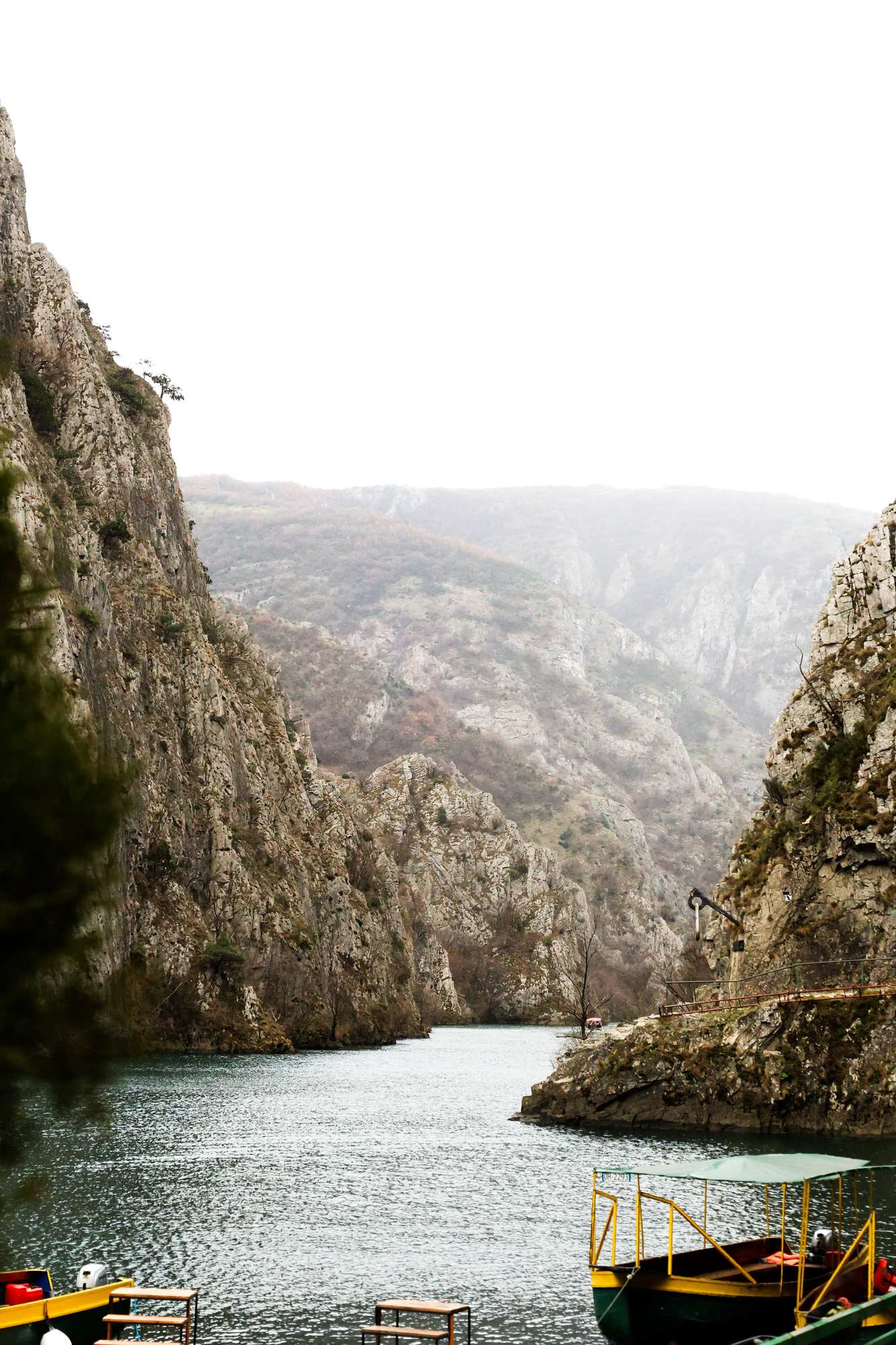
Lake Tikveš — about 10 km south of Kavadarci: a 32 km reservoir filled at the end of the 1960s. Dry hills drop into the water, and most weekend houses along the shore can only be reached by boat.
Polog Monastery (St George) — built in 1340 at the request of close relatives of the Serbian king Dušan, with narthex paintings from 1609. When the lake rose, the village around it vanished; now the only way there is by water. World Monuments Fund put it on its 2014 Watch list.
Wine country that makes you move a little between glasses.
This is a slow place, not a sporty one. The active bits are on the water and among the vines — and they all work best before the midday heat.
You eat where the wine is. The best meals here are lunches at wineries and family dinners, not restaurants in town.
Winery tables — several cellars, Tikveš included, have restaurants. Order the local plate and let them choose the glass.
Lake fish — the restaurants by Lake Tikveš serve fish from the reservoir. Eat outside and stay for the evening light.
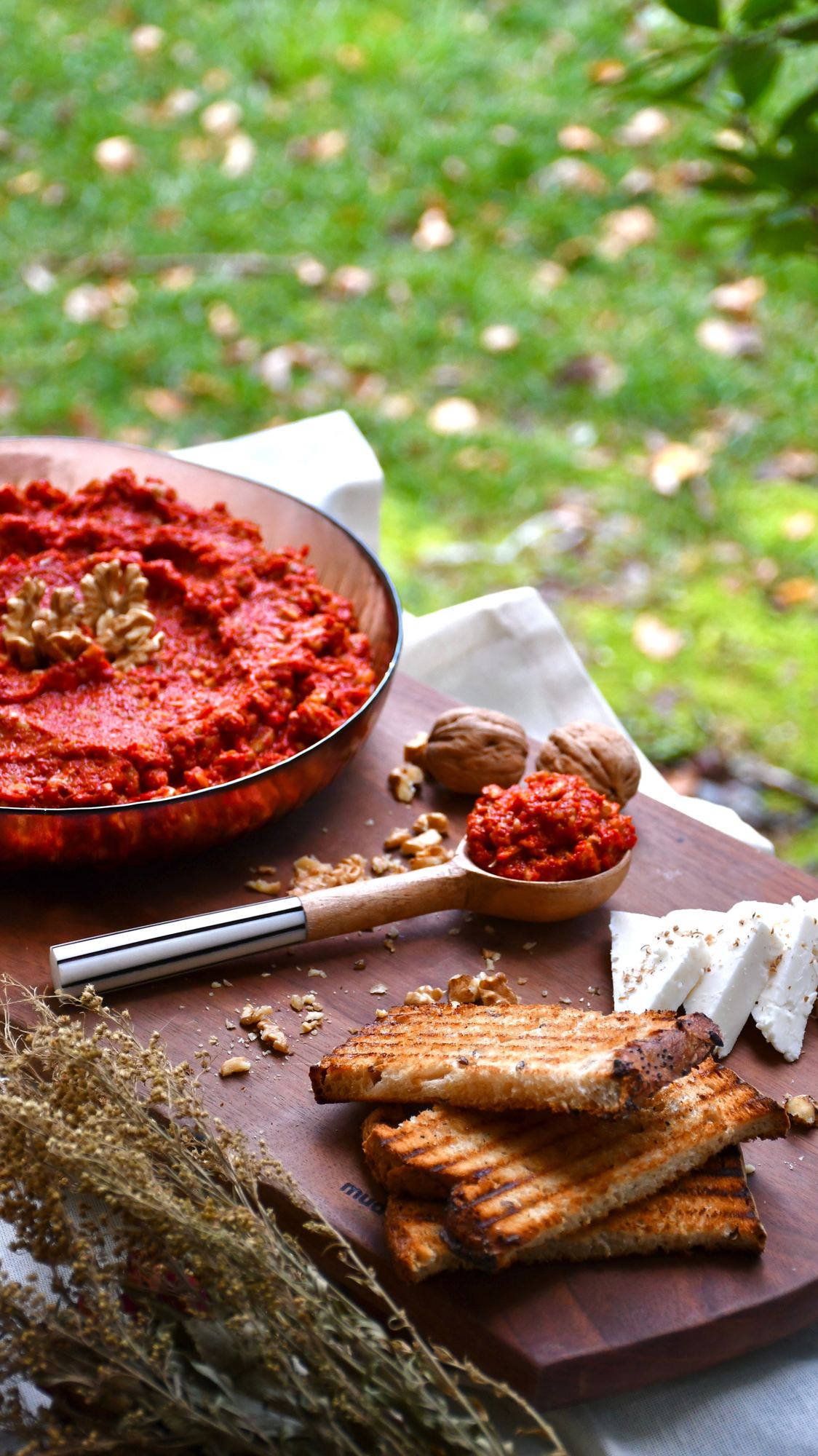
Ajvar — in autumn the region roasts red peppers for this relish, jar after jar. Harvest season smells of wine must and roasted peppers.
Where to eat: book a winery lunch, and for dinner eat at your guesthouse or by the lake. Kavadarci town has cafés and simple restaurants for the rest.
September — harvest. Grozdober in Kavadarci, grapes coming in, every cellar busy. The best month, if you book early.
May–June and October — warm, green or golden, and comfortable for Stobi and the lake. Stobi's mosaics are uncovered from May; in late autumn they go under cover again.
July–August — hot. Fine for the lake and evening tastings, hard work for ruins.
November–April — quiet, cheaper and cool. Wineries still pour, but Stobi's mosaics are covered.
Drive. Kavadarci is about 105 km south of Skopje, which has the nearest airport. The E-75 motorway runs down the Vardar valley past Stobi and Negotino.
Stobi sits right by the motorway, just north of the Negotino turn-off, with a car park at the entrance. Kavadarci and Negotino are 10 km apart.
Without a car — a couple of buses a day run from Skopje to Kavadarci (about 1 h 40 min); check current timetables. For wineries, book a tour with transport or a taxi: nobody should drive after a tasting.
Compare rental cars →Stay among the vines if you can. Town is practical; a winery is the reason you came.
Kavadarci — hotels and apartments in the main wine town. Easy for Tikveš Winery and the lake.
Winery stays — Popova Kula, in the Demir Kapija wine area south of Negotino, has a 33-room hotel among its vines. Wake up in the vineyard and skip the drive back.
Negotino — smaller, closer to Stobi and the motorway.
Tikveš is cheaper than Skopje, and a world away from Europe's famous wine regions. The bottle you'd pay a fortune for in a restaurant abroad costs little at the cellar door.
Approximate prices in Macedonian denars, based on Numbeo's figures for Kavadarci (updated September 2026). Stobi entry: MKD 300 (April–October), MKD 250 (November–March).
Go if you want vranec at the source, a Roman theatre without the crowds and a boat to a lost monastery. Skip if you need shade, nightlife or a wine route you can walk.
Found this useful? Share it.
One new way to travel. Every Thursday.
Not deals or destinations — methods. House sitting, night trains, repositioning cruises, and what each one really costs.
Ever thought of travelling this way?
Work Exchange
A few hours a day at a hostel, a guesthouse or a family home, and the bed is yours — in a town with a metro at the end of the street. Our son did it in South America and stayed ten years.
Read article →Caretaking
House sitting’s long version: a lodge, an estate or a ranch that needs someone for a whole season, and sometimes pays for it. The job is the place, not the cat.
Read article →Farm Stays
A few hours’ work a day on a farm, and a bed and dinner at the family table in return. Pick grapes in Portugal in September and again in New Zealand in March.
Read article →👇 Tap one, or just type