
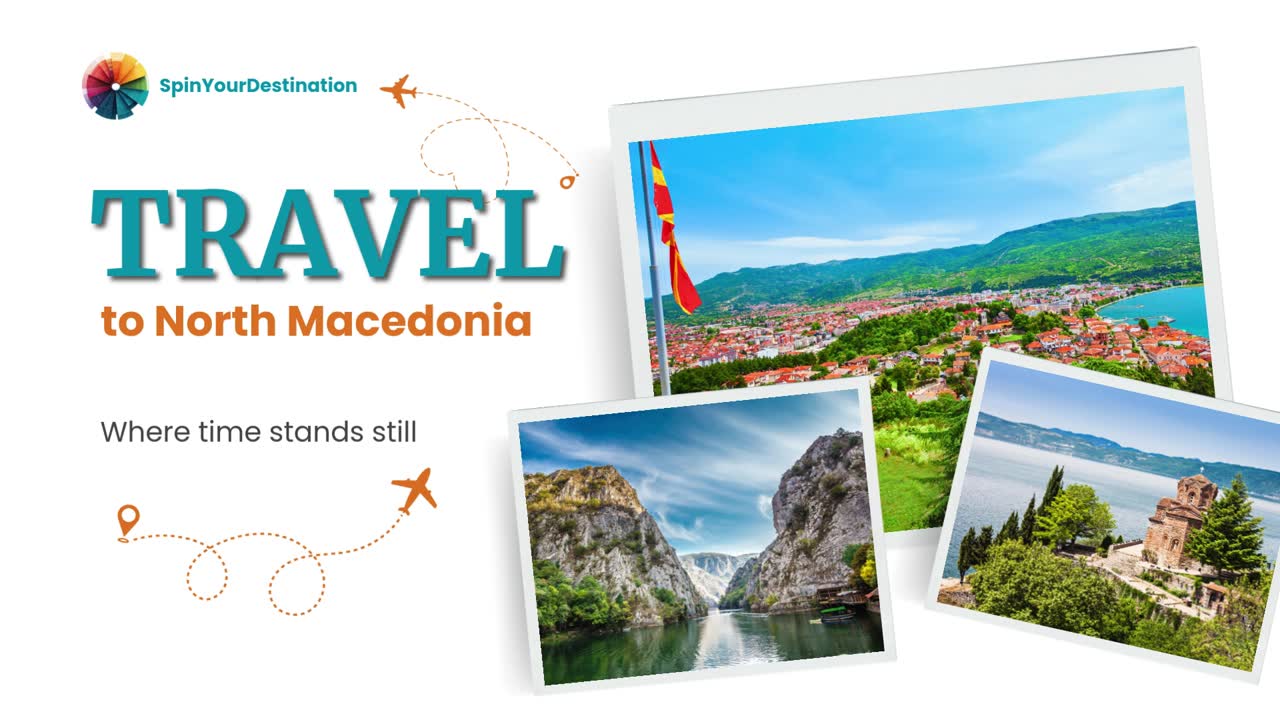
Cultural & Historical North Macedonia
Your complete guide to Byzantine churches, ancient ruins, and Macedonian heritage
Church of Saint Sophia, Ohrid. 11th-century frescoes glowing in dim light, Byzantine faces staring from plastered walls. Outside, Lake Ohrid shimmers. This church predates Michelangelo by 400 years. Three euros entry. Empty except you.
North Macedonia's history layers thick—ancient Macedon (Philip II, Alexander the Great), Roman Via Egnatia, Byzantine churches, Ottoman bazaars, Yugoslav modernism. Cultural highlights: Ohrid (UNESCO, 365 churches legend, Byzantine frescoes), Stobi (Roman ruins, 7th century BC foundations), Heraclea Lyncestis (Philip II's city, stunning mosaics), Skopje Old Bazaar (Ottoman heritage).
Best visited May-Sept (full access, warm weather). Entry fees modest (€3-5). Sites uncrowded—experience Byzantine art without tour bus crush.
Byzantine churches of Ohrid—UNESCO masterpieces
Ohrid emerged major spiritual/cultural center 9th century. Saint Clement of Ohrid founded Ohrid Literary School (AD 886), first Slavic university, spread Glagolitic/Cyrillic alphabets. Late 10th/early 11th centuries, Ohrid served as Tsar Samuel's capital, Bulgarian Patriarchate seat.
Church of Saint Sophia (11th century)—patriarchal cathedral, Byzantine painting masterpiece. 11th-13th century frescoes, emotionally expressive. €3 entry. Must-visit Ohrid. Originally built 6th-century foundations, rebuilt 10th century.
Church of Sveti Jovan at Kaneo (13th/14th century)—clifftop church, iconic postcard view, Lake Ohrid panorama. Free entry. Late Byzantine Palaiologan style—compact cross-in-square plan, brick/stone ornamentation, vivid frescoes.
Church of Saint Mary Peribleptos (1294-1295)—paintings by Michael Astrapas and Eutychios. Byzantine art peak. Side chapels/aisles added 1365. Richly painted interior. €3. Emotionally expressive Late Byzantine style.
Church of Saints Clement and Panteleimon at Plaošnik—original built before AD 916 by Saint Clement himself. Destroyed, reconstructed 2000-2002. Archaeological site, university origins, educational heritage. Spiritual Ohrid center.
Ancient ruins—Stobi and Heraclea
Stobi—ancient archaeological site, 80km from Skopje, near Gradsko. Origins 7th century BC (Paeonian settlement), annexed by Philip V of Macedon ~217 BC. Roman municipium by 69 BC, capital of Roman province Macedonia Salutaris.
Stobi features: 4th-century basilica (possibly oldest Balkans), Roman amphitheater (7600-seat capacity), temples, mosaics, synagogue foundations (ancient Jewish population). Only 20% excavated—untold treasures await. Free guides provide commentary. €3 entry.
Heraclea Lyncestis—1km south Bitola, founded Philip II of Macedon (4th century BC), named after mythological Heracles. Strategic position Via Egnatia kept it prosperous under Romans.
Heraclea ruins: Roman amphitheater (Emperor Hadrian, 20 rows), Roman baths, portico, early Christian basilicas with stunning floor mosaics (endemic trees/animals, unique depictions). 4 hectares site, 1300 m² preserved mosaics. €3 entry.
Both sites bucolic, neglected museums, but ruins themselves impressive. Worth visiting ancient history enthusiasts. Taxi from Bitola 80 MKD, 15-minute walk from stations.
Sveti Naum Monastery and Ottoman heritage
Sveti Naum Monastery—29km south Ohrid, Lake Ohrid shore, 1km from Albanian border. Founded ~905 by Saint Naum (Saints Cyril/Methodius student). Original Church of Holy Archangels (AD 900) destroyed by Ottomans 15th century, rebuilt 16th-17th centuries.
Monastery features: Byzantine-style architecture, wood-carved iconostasis (1711), 19th-century frescoes, tranquil garden with fountains/peacocks, stunning Lake Ohrid views, sandy beaches for swimming. UNESCO World Heritage Site. €3 entry.
Springs of Black Drim (St. Naum)—Lake Ohrid sources, turquoise springs, boat rental €5. Romantic, peaceful, beautiful. Combine monastery visit with nature. Restaurants, bars, hotel complex nearby.
Ottoman heritage: Skopje Old Bazaar (12th century, oldest Balkans marketplace, second-largest Ottoman bazaar after Istanbul Grand Bazaar). Mustafa Pasha Mosque (1492, white marble, blue motifs), Daut Pasha Hamam (now gallery), hans (caravanserais—Kapan An, Suli An).
Bitola Stara Čaršija—70 traditional trades operating, smaller than Skopje's, quieter, authentic. Yeni Mosque (16th century), Clock Tower (17th century). "City of Consuls" history (8 European consulates Ottoman times).
Yugoslav legacy and modern identity
1963 earthquake destroyed 80% of Skopje. Rebuilding shaped by Japanese architect Kenzo Tange—modernist/Brutalist. Many structures survive: Central Post Office, City Archives, Macedonian Opera and Ballet. Controversial among Macedonians (some admire, some dislike).
Skopje 2014 project—€500+ million renovation, added 137 statues/monuments, neoclassical buildings, fountains. Intention: give Skopje classical appeal. Result: divisive. "Warrior on Horse" (Alexander the Great, officially unnamed due to Greek naming dispute) centerpiece Macedonia Square.
Mother Teresa House—memorial museum, original childhood home location (destroyed 1963, rebuilt 2009). Born Skopje 1910. Free entry. Modern, small, informative. 30 minutes visit.
Yugoslav modernism: Museum of Contemporary Art (earthquake donated collection), Stone Bridge (15th century, connects old/new Skopje), City Museum (former train station, clock stopped 5:17 AM—earthquake moment).
Identity complex: ancient Macedon (Alexander), Byzantine (Ohrid Literary School), Ottoman (500 years rule), Yugoslav (Tito era), independent (1991). Pride mixed with regional disputes (Greece naming issue, Bulgarian history claims). Sensitive topics—approach respectfully.
🌟 Top Cultural & Historical Experiences
⛪ Church of Saint Sophia
Ohrid's Byzantine masterpiece. 11th century, patriarchal cathedral. 11th-13th century frescoes, emotionally expressive. €3 entry. Must-visit. Originally 6th-century foundations. UNESCO site. Empty, peaceful. More info →
🏛️ Heraclea Lyncestis Ruins
Ancient city founded Philip II (4th century BC). Roman amphitheater, stunning basilica mosaics (endemic trees/animals). 1km south Bitola. €3 entry. 1-2 hours. Impressive, bucolic. More info →
🏺 Stobi Archaeological Site
7th century BC origins, Roman amphitheater (7600 seats), 4th-century basilica (oldest Balkans?), mosaics, synagogue foundations. 80km from Skopje. Free guides. €3. Only 20% excavated. More info →
🕌 Skopje Old Bazaar Walk
Oldest Balkans marketplace (12th century). Second-largest Ottoman bazaar after Istanbul. Mustafa Pasha Mosque (1492), hans, craft shops. Cultural heritage site. Free. 2-3 hours. Ottoman essence. More info →
🏰 Sveti Naum Monastery
Founded ~905 by Saint Naum. Lake Ohrid shore, 29km south Ohrid. Byzantine architecture, 1711 iconostasis, peacocks, springs. UNESCO. €3. Boat to turquoise springs €5. Beautiful. More info →
⛪ Sveti Jovan at Kaneo
Iconic clifftop church, Lake Ohrid. 13th/14th century, postcard view. Free entry. Late Byzantine style, vivid frescoes. Sunset spot. 15-minute walk Ohrid port. Must-photograph. More info →
💡 Insider Tips
- 💰 Entry cheap—€3-5 most sites, some free. Ohrid churches €3 each, ruins €3, museums €2-3. Budget-friendly cultural tourism. Cash only many sites.
- 🕐 Visit timing—churches open 9am-5pm generally, some close lunch (12-2pm). Ruins open longer (8am-7pm). Summer best (full access). Winter some close.
- 📸 Photography allowed most places—no flash churches (damages frescoes). Ruins photography free. Respectful behavior churches (dress modestly, quiet).
- 🚗 Transport essential ruins—Stobi/Heraclea need car or taxi (public transport limited). Ohrid churches walkable. Sveti Naum 29km Ohrid (taxi €20-25, bus €2-3).
- 🗣️ Sensitive topics—avoid politics (naming dispute with Greece, Bulgarian history claims, Kosovo). Macedonians proud heritage, defensive political questions. Stick to culture, history, travel.