This is your destination guide for South Africa.
This is your destination guide for Cape Winelands
📍 Part of South AfricaCape Dutch manor houses, French Huguenot valleys, and world-class wine at prices that feel like a mistake.
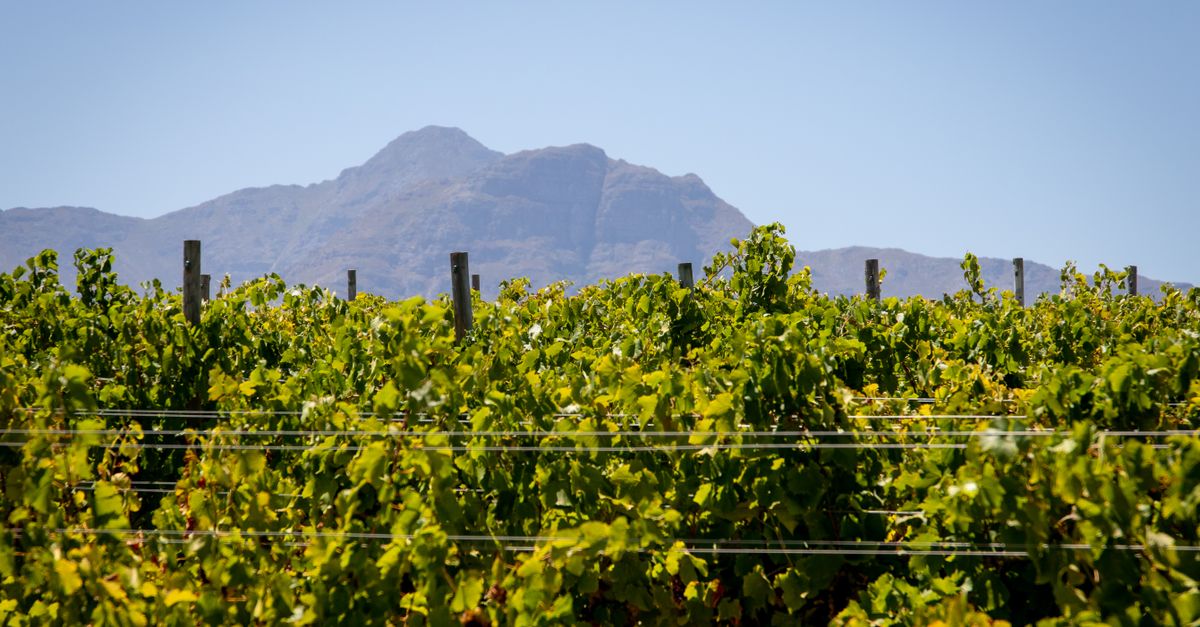

The reality: You land in Cape Town, and an hour later the city is gone. The N1 climbs out past Paarl, the mountains close in, and you reach a valley floor of vines with a whitewashed gabled farmhouse at the end of every oak avenue. Stellenbosch is a student town that happens to sit in the middle of South Africa's oldest wine route. Franschhoek, twenty minutes on, is one French-named street with more good restaurants than towns ten times its size.
Here is the part nobody tells you until the bill arrives: the wine is some of the best in the southern hemisphere, and a tasting of five of them costs less than a single glass in most of Europe. That gap is the whole trip. You can drink seriously well here without the price doing the thinking for you — Chenin Blanc older than you are, Cabernet that holds its own against Bordeaux, and Pinotage, the grape South Africa invented and the rest of the world argues about.
The catch is the driving. You cannot taste wine all day and drive yourself home — not legally, not safely. So you take the Franschhoek wine tram, hire a driver for the day, or Uber between estates. Sort that out first. Then pick a base, book one long lunch you will remember, and let the valley slow you down. Most people come for two days and wish they had booked four.
There are hundreds of estates across the Winelands. You will not see them all, and the ones with the best wine are not always the ones with the best lunch. Pick a few, taste slowly, and do not try to do Stellenbosch and Franschhoek in the same afternoon.
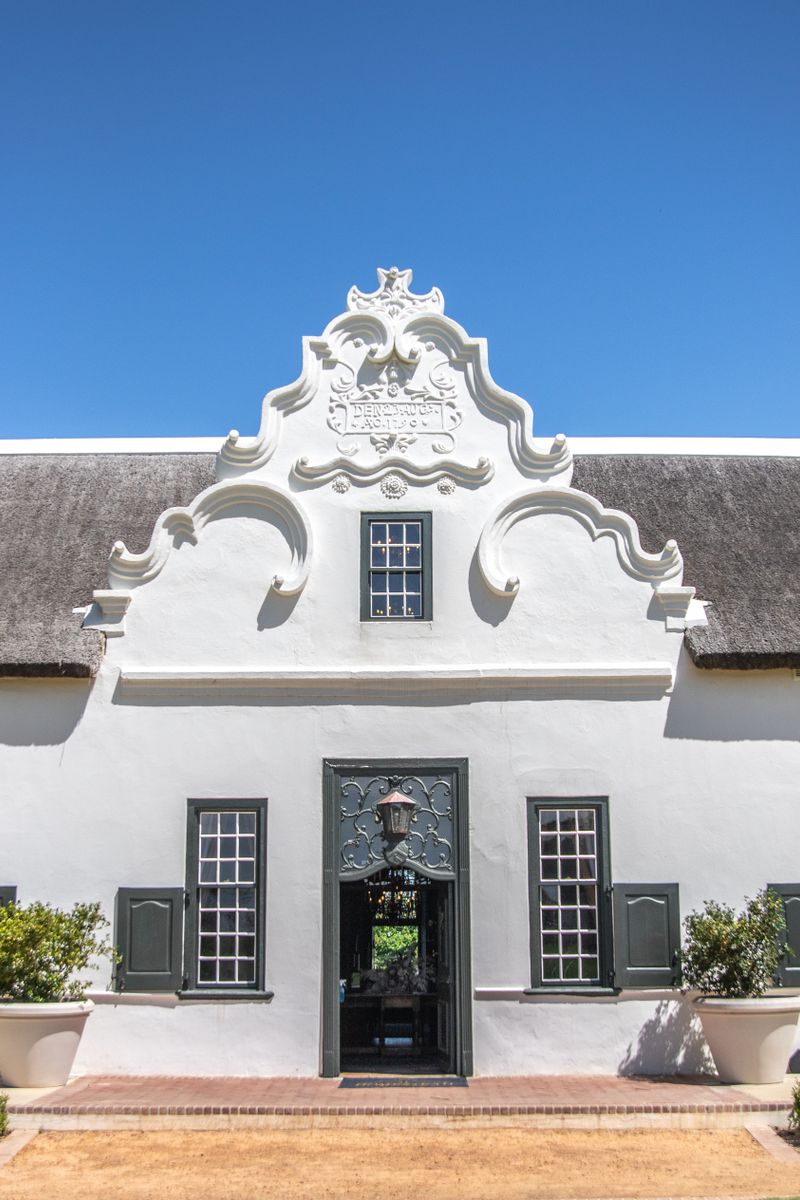
Boschendal — one of the oldest farms in the country, working since 1685. A Cape Dutch manor, formal gardens, a deli, a long lunch at The Werf, and picnics on the lawn. Touristy, yes. Still worth a morning.
Babylonstoren — a historic farm turned destination: a vast formal garden you can walk, a spa, two restaurants, and wine. Book the garden tour and go early, before the coaches.
Tokara — at the top of the Helshoogte Pass between Stellenbosch and Franschhoek. Come for the view deck and the art before you have even tasted. Their olive oil is as good as the wine.
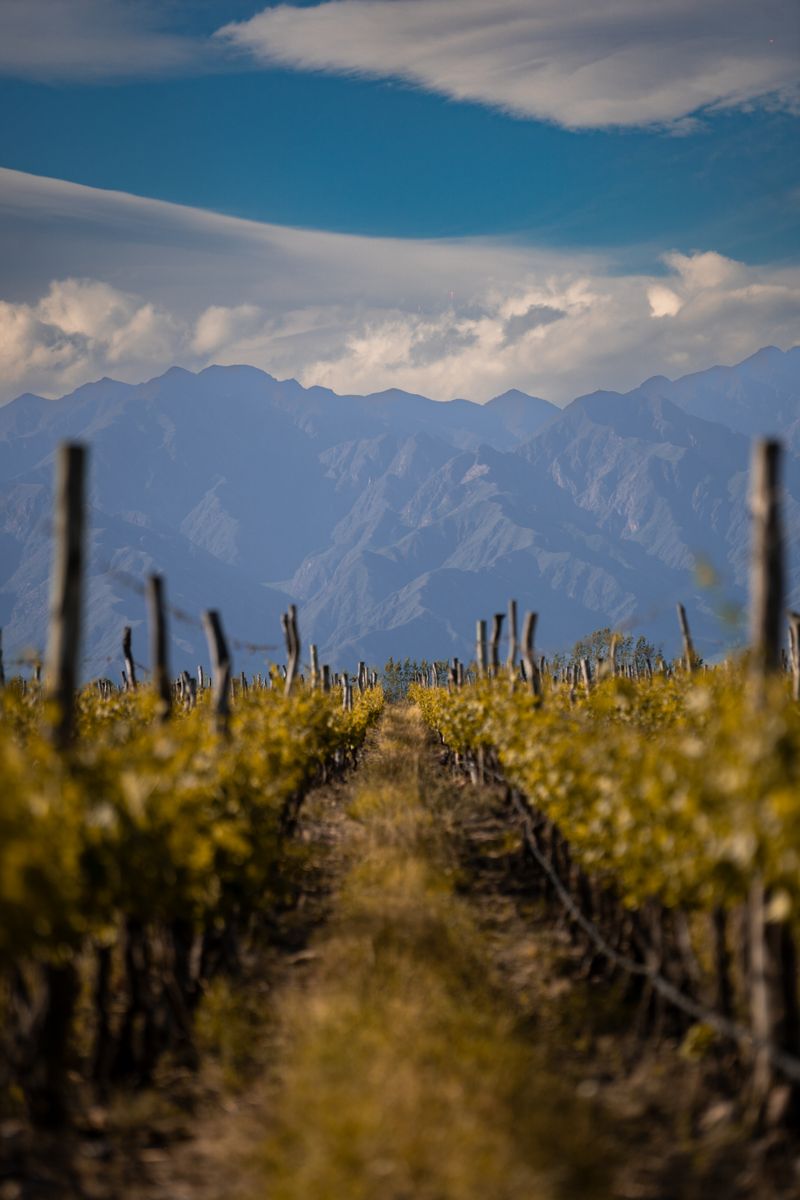
Kanonkop — Stellenbosch royalty. If you taste Pinotage once, taste it here, where the grape is taken most seriously. No frills, serious wine.
Rust en Vrede — big, structured Stellenbosch reds in an old cellar, with one of the region's best restaurants attached. Reds-only on the tasting, and proud of it.
Haute Cabrière — in Franschhoek, built into the mountainside. They open bottles of sparkling with a sabre (cap classique, the local method-champagne). A bit of theatre, and good wine under it.
Two towns anchor the Winelands, and they are not the same holiday.
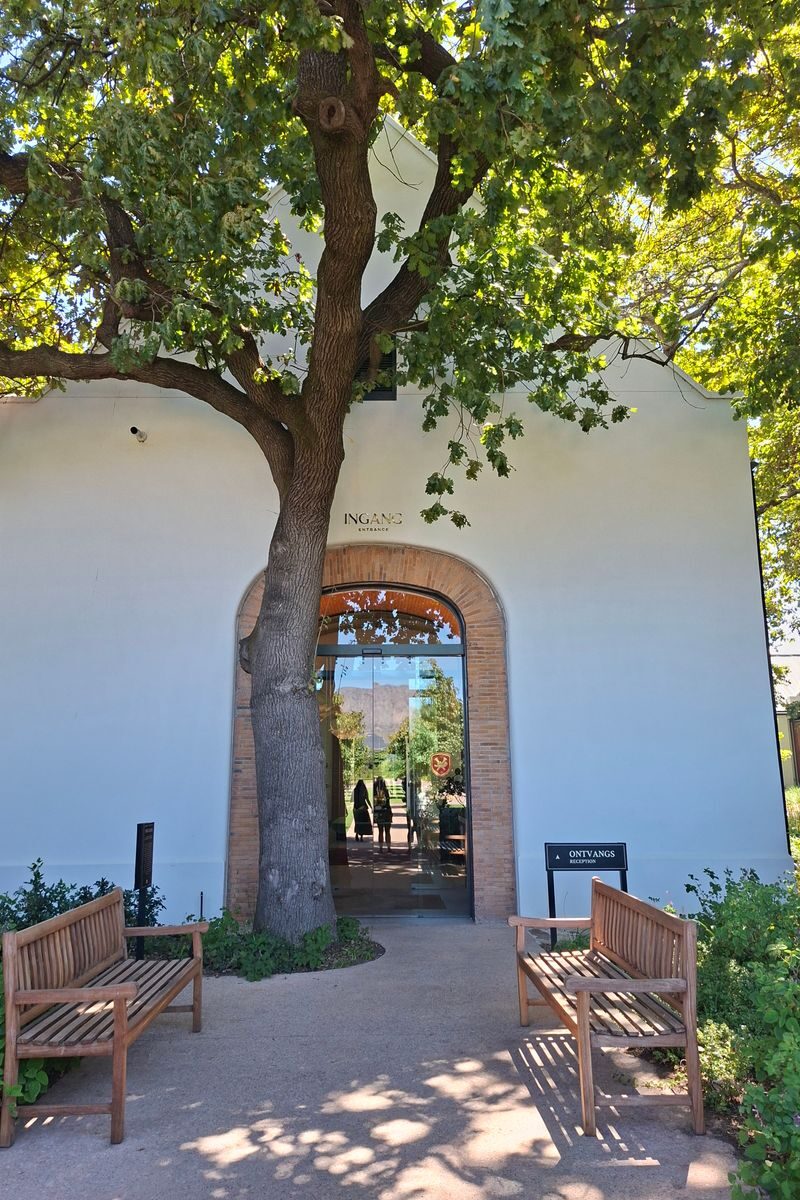
Stellenbosch — the student town. South Africa's second-oldest European settlement (1679), oak-lined streets (locals call it Eikestad, "oak city"), Cape Dutch and Georgian facades along Dorp Street, and a university that keeps it young and the bars open. The wine route around it is the oldest and biggest in the country. Base here if you want a town with a pulse after dark.
Franschhoek — "French corner," settled by Huguenot refugees in 1688 who brought the vines and the street names. One main road, the Huguenot Monument at the top of it, and enough restaurants for a village of 15,000 to call itself the country's food capital without anyone laughing. Prettier and pricier than Stellenbosch. Closes early.
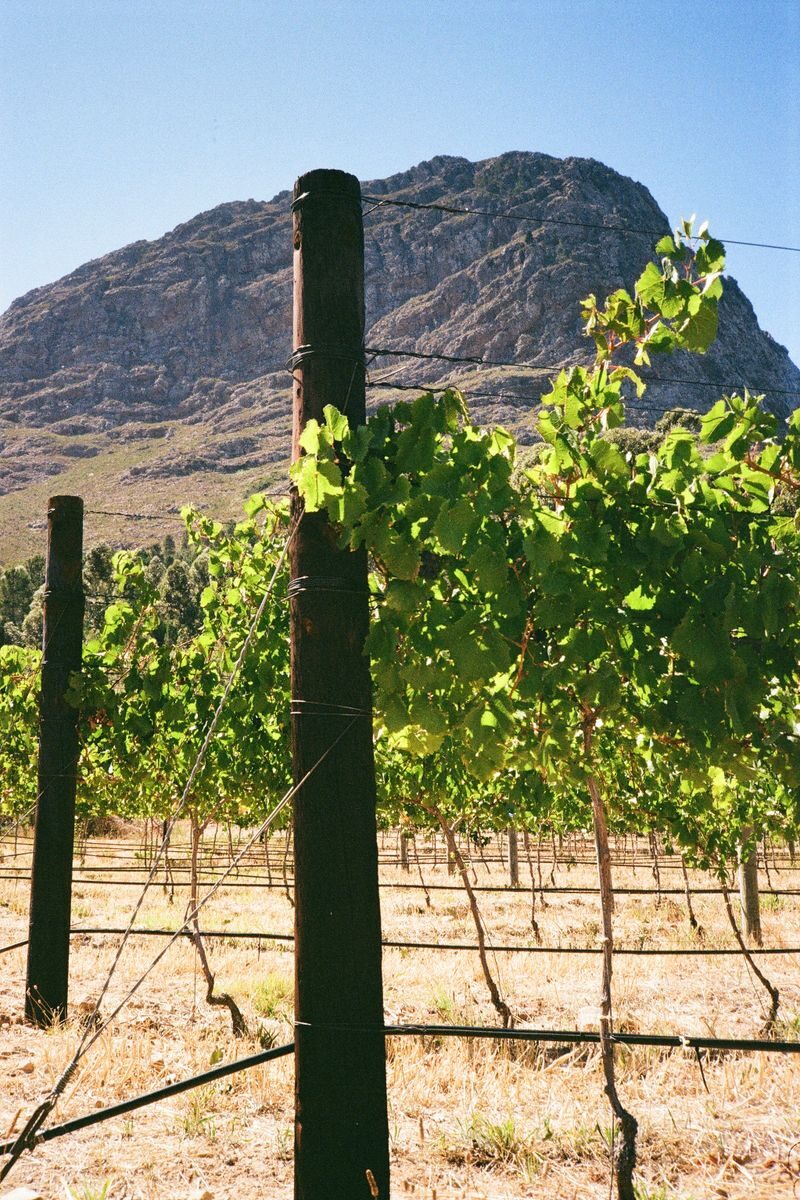
Paarl — the working town the tourists drive past, between the other two. Bigger, less polished, with the Taal Monument (a strange concrete tribute to the Afrikaans language) on the hill above it and solid estates like Fairview on its edges. Worth a stop, not a stay.
Groot Drakenstein — not a town so much as the valley between Paarl and Franschhoek. Nelson Mandela walked free from the prison here in 1990; there is a statue at the gate where he raised his fist. A sobering ten-minute stop on a day otherwise spent drinking wine, and worth making.
For people who want to move a little between the tastings, not train for anything.
The valleys are ringed by mountains that most visitors only photograph from a deckchair. You do not have to. There is enough here to fill the mornings before lunch slows everything down.
Franschhoek calls itself South Africa's food capital and, annoyingly, has the restaurants to back it up. But you do not need a tasting menu to eat well here — a farm deli and a bottle on the lawn does the job.

Chenin Blanc is the workhorse white — South Africa grows more of it than anywhere on earth, and the old-vine versions are world-class and cheap. Cabernet and the Bordeaux blends are the serious reds.
Pinotage is the local invention: bred in Stellenbosch in 1925 by crossing Pinot Noir with Cinsaut. People love it or accuse it of smelling like burnt rubber. The good ones do neither. Taste it before you decide.
Méthode Cap Classique (MCC) is the local traditional-method sparkling. Franschhoek is its heartland (Le Lude, Haute Cabrière). Cheaper than champagne, often just as good.
Where to eat: Babel at Babylonstoren and The Werf at Boschendal both do farm-to-table where the garden is fifty metres from the plate — book ahead. In Franschhoek, Reuben's is the reliable bistro (the springbok is the order), La Petite Colombe the splurge tasting menu, Protégé its relaxed younger sibling. In Stellenbosch, Overture sits on a mountainside above the vines and Rust en Vrede does the old-cellar fine-dining evening.
A proper lunch with wine runs R250–R500 a head — a fraction of the European equivalent. The tasting menus at the top end are another matter; book those as the one big spend of the trip.
Remember the hemisphere is flipped. Summer is December to February; winter is June to August; the vines turn gold around April and May.
February to April is harvest. Warm, dry, the vines heavy, the cellars busy, the valley at its most alive. The best window to come, and everyone knows it — book ahead.
December and January are peak: hot (often 30–35°C), packed, expensive, and full of weddings and Cape Town day-trippers. Lovely, but you will share every view.
October and November (spring) are the quiet sweet spot — green hills, mild days, fewer crowds, lower prices.
June to August is winter: wet, green, cold enough for a fire. Estates light the hearth, prices drop, and the valley empties. Some call it the best-kept secret. Bring a coat and a plan for rainy afternoons — a long lunch solves most of them.
You need wheels you are not driving after lunch. That is the one rule here. The drink-driving laws are strict, the farm roads home are dark, and there is no train between the estates. Your options:
The Franschhoek wine tram — a hop-on-hop-off loop of tram and open-air bus through the Franschhoek estates. A ticket is around R330 (€15); tastings are paid at each estate (R60–R150). Touristy and slightly chaotic, but the easiest way to drink your way through the valley without a designated driver. Book ahead in summer, and pick three or four estates, not eight.
A driver for the day — the tram does not run in Stellenbosch, so for that side, or for a custom route, hire a driver or a guided wine tour. Roughly R1,500–R3,000 for the day, well worth it split between four.
Uber and Bolt work in and around Stellenbosch and between many estates — often faster than the tram for a specific plan. Patchier in the deep countryside, so check before you rely on it for the ride home.
A rental car is the easy way to reach the region from the airport (45–60 minutes) and move between towns — just not on a tasting day.
Compare rental cars →Pick a base for the kind of days you want. Everything is close, but each base is a different feel.
Stellenbosch town — for a town with restaurants, bars, and life after dark. Walkable, central, good value.
Franschhoek village — for the prettier, slower, pricier version. Walk to dinner, take the tram by day.
On an estate — a room on a working wine farm (Boschendal, Babylonstoren, Mont Rochelle and dozens of smaller ones). Wake up in the vines. Best with a car.
Paarl — cheaper, more local, central to both valleys, less charm.
Cape Town, day-tripping in — doable at 45–60 minutes each way if you would rather sleep by the sea, but you miss the early-morning quiet on the farms.
The Cape Winelands are the best wine-region value on earth right now. A five-wine tasting costs less than a single glass in Europe, and a serious bottle costs what a basic one does back home. The exception is the top end — flagship tasting menus and the smartest estate hotels charge close to European prices. Everything in between is a bargain.
Prices in 2026 rand, with euro equivalents at roughly R20 to the euro — the rate moves, so treat conversions as a guide. Winter knocks 30–50% off accommodation.
Go if you want world-class wine for the price of a coffee, Cape Dutch farms with mountains behind them, and long lunches forty minutes from Cape Town. Skip if you came for safari or beaches, or if no one in your group is willing to skip the tastings and drive.
Found this useful? Share it.
Still planning?
We don’t stop at “here’s the country.” Real places to stay, what to do, apps that matter, even how to find someone to travel with — plus guides for whatever vibe you’re after, from beach days to wine country to slow weekends. All up top. Spin for somewhere new when you’re done with this one.