
Liechtenstein Drink Guide
From the Princely Pinot Noir grown in the heart of Vaduz to a 1696 vaulted cellar in Schaan with 2,400 labels — Liechtenstein drinks small, slow and serious, on a scale you can walk across in an afternoon.
You park beneath Vaduz Castle. The road climbs ten metres and the vineyard begins right there — neat rows of Pinot Noir running between stone walls, the Rhine valley spread out below, and a medieval wine press converted into a Michelin-starred restaurant at the top of the slope. This is the Herawingert, four hectares of slate and limestone in the centre of Liechtenstein’s tiny capital, owned by the Princely Family since 1712 and producing wines that quietly compete with the best of the Alpine world.
Away from the Hofkellerei, the country’s wine story is told by a handful of small estates that almost no one outside the principality knows about. In Schaanwald, Harry Zech runs the country’s only Demeter-certified biodynamic vineyard. In Eschen, Castellum and Weinbau Hoop have been quietly making Pinot Noir, Riesling-Silvaner and sparkling Sekt for two and three generations respectively. In Schaan, a 17th-century vaulted cellar holds one of the deepest wine lists in the Alpine region. And in the same town, a craft brewery that arrived only in 2007 now distills the country’s own single-malt whisky.
What follows is a curated selection — the places that consistently come up when locals talk about what to drink and where to drink it in Liechtenstein. The four wineries, the two wine bars, the brewery in Schaan, an Alpine Edelbrand house, the third-wave coffee roastery, and the September wine festival in Vaduz. There is more out there — small farm-level Schnapsbrenner, family Gasthöfe in the mountain villages, the odd hotel bar with a quiet cellar — but these are the addresses we would point a first-time visitor towards.
This guide contains information about alcoholic beverages and is intended for adults of legal drinking age in their country.
Wine — Four Estates in 160 km²
Liechtenstein has roughly 100 hectares of vineyards, four commercial estates, and a wine culture that traces back to Roman times. The country’s AOC system has been in place since 2005. Pinot Noir — or Blauburgunder, as it is called here — defines almost every red.
Vaduz — The Princely Vineyards
Two estates farm the slopes around Vaduz, the country’s capital. The princely Hofkellerei holds the famous Herawingert monopole right in the city centre; Harry Zech’s smaller, biodynamic parcels are scattered across Vaduz’s Stöckler, Abtswingert, Oberdorf and Marée sites. The two estates sit a few minutes’ drive apart and produce wines of strikingly different character.
Key varieties: Pinot Noir / Blauburgunder · Chardonnay · Riesling-Silvaner · Pinot Blanc · Merlot · Cabernet Sauvignon

Hofkellerei des Fürsten
Feldstrasse 4, Vaduz
The court winery of the Prince of Liechtenstein and the country’s most internationally recognised name. The estate farms the four-hectare Herawingert monopole in central Vaduz — 90% Pinot Noir, 10% Chardonnay on slate and limestone soils, with the warm föhn wind extending the growing season. Oenologists Natalie Ströhle and Josef Stumvoll lead a young team that has earned admission to the Austrian Traditional Wine Estates association and won acclaim from Falstaff (95+ points for the Karlsberg 1ÖTW). The Vaduz cellar door runs walk-in public tastings every weekday at 15:00 and Saturdays at 14:00 — about 90 minutes including a guided tour and four wines.
⏱ Cellar door tasting: Mon–Fri 15:00, Sat 14:00 · About 90 min · 🍷 Walk-in for groups under six · 📍 Feldstrasse 4, Vaduz · Shop hours: Mon–Fri 09:00–19:00, Sat 10:00–17:00
Visit Hofkellerei →
Harry Zech Weinbau
Vorarlbergerstrasse 5, Schaanwald
The only Demeter-certified biodynamic winery in Liechtenstein — and one of the most quietly serious wine projects in the Alpine Rhine Valley. Oenologist Harry Zech took over a one-hectare vineyard in Vaduz in 1997 and has since built the estate to 2.7 hectares across seven sites in Vaduz (Stöckler, Abtswingert, Oberdorf, Marée), Mauren (Haberwald) and Bendern (Kirchhügel). Since 2014 every parcel has been farmed under Demeter biodynamic rules; everything from 2017 onwards is certified. The range covers six organic whites, a rosé, three reds, an organic sparkling wine and three Marcs — all hand-harvested, fermented with wild yeast, and bottled without additives. Visits and tastings by appointment at the Cantina in Schaanwald.
⏱ By appointment · 🍷 Whites, reds, rosé, organic sparkling, Marcs · 📍 Vorarlbergerstrasse 5, Schaanwald · Cantina event space available for hire
Visit Harry Zech Weinbau →Eschen & The Unterland
North of the Rhine bridge at Bendern, Liechtenstein’s Unterland (Lower Country) climbs gently up the Eschnerberg — a small wooded hill with vineyards on its southern slopes. The two family estates here are smaller and quieter than the Vaduz wineries, run by single oenologists with deep roots in the village. Saturday-morning sales hours, no flash, plenty of patience.
Key varieties: Blauburgunder · Chardonnay · Pinot Blanc · Karin Sekt (traditional-method sparkling)

Weingut Castellum
Gastelun 16, Eschen
A small family estate on the southern slope of the Eschnerberg, run for over forty years by Hubert Gstöhl — federally diplomaed Winzermeister and oenologist. Castellum’s vineyards sit on south-facing terraces above the village; the wines are gentle, Alpine, food-friendly versions of the local grapes (Blauburgunder, Pinot Blanc, Chardonnay, Riesling-Silvaner) along with several sweet specialities and a small range of fruit eaux-de-vie. The estate keeps consistent Saturday-morning sales hours year-round, with longer Christmas Verkauf hours in December. Old-school direct sales from the cellar, hand-shaken in the doorway by the winemaker himself.
⏱ Every Saturday 09:00–12:00 · 🍷 December Christmas sales: Sat 09:00–17:00 · 📍 Gastelun 16, 9492 Eschen · Visits otherwise by phone arrangement
Visit Weingut Castellum →
Weinbau Hoop
Pfrundweg 12, Eschen
A small family business founded in 1988 when Annette and Arnold Hoop leased the “Zur Goldenen Boos” vineyard with 450 Blauburgunder vines. The family now farms across Liechtenstein’s Ober- and Unterland, producing AOC quality wine alongside the house signature: “Karin Sekt”, a traditional-method sparkling wine made from estate Chardonnay and Pinot Blanc. The labels are a country in miniature — each bottle’s artwork commissioned from a different Liechtensteiner artist, every release a small piece of curated country culture. Uwe Hoop runs the estate today; visits include a virtual tour of the shop and cellar before tasting through the range.
⏱ By appointment · 🍷 Wine, Sekt, liqueurs, Edelbrände · 📍 Pfrundweg 12, 9492 Eschen · Artist labels collectable in series
Visit Weinbau Hoop →The Wine Calendar — Vaduz, September
All four of the country’s wineries pour together once a year on the covered Rathausplatz in central Vaduz. The Liechtensteiner Winzerfest is an evening event — a chance to compare the entire Liechtenstein vintage in one place, alongside live music and food from a local Neufeldhof team.

Liechtensteiner Winzerfest
Rathausplatz, Vaduz
The country’s annual wine festival, held under cover on the central Rathausplatz in Vaduz on a Saturday afternoon and evening in mid-September. Every Liechtensteiner winemaker pours on the same square — Hofkellerei, Harry Zech, Castellum, Weinbau Hoop and the Triesner Winzergenossenschaft (the Triesen wine cooperative) — with food from the Neufeldhof Vaduz team and live music (typically Hans Lachinger’s accordion). For visitors interested in actually comparing the country’s wines side by side, this is the single most efficient afternoon in Liechtenstein’s calendar.
⏱ Mid-September, 15:00–22:00 · 🍷 All Liechtenstein producers under one roof · 📍 Rathausplatz Vaduz, covered open-air · Pay-as-you-go drink tokens
Visit Liechtensteiner Winzerfest →Wine Bars & Tasting Rooms
Two places — one of them inside the Princely vineyard, the other in a 1696 vaulted cellar with 2,400 labels. Both worth crossing a border for.

Restaurant Torkel
Hintergass 9, Vaduz — inside the Herawingert vineyard
A genuinely singular wine-and-dining experience — a medieval winemaking building set inside the Princely Herawingert vineyard itself, converted to a restaurant in the 1960s and now run by chef Ivo Berger and his team. The dining room is dominated by Europe’s largest single-piece wooden wine press (the original Torkel, hand-carved centuries ago); the conservatory walls fold back in summer so guests dine effectively in the vines, with views down the Rhine Valley. One Michelin star and 16 Gault et Millau points for a contemporary take on Alpine classic cuisine — and a wine cellar of around 850 labels, including every current Hofkellerei bottling, that is regularly held up as one of the best in the region.
⏱ Tue–Fri lunch & dinner, Sat dinner only · Closed Sun & Mon · 🍷 ~850 labels, sommelier service · 📍 Hintergass 9, Vaduz · Reservations essential
Visit Restaurant Torkel →
WY Weinbar
Landstrasse 26, Schaan — in the Ritter Weine cellar
A 122-square-metre wine bar carved into a vaulted Gewölbekeller built in 1696, directly next door to Ritter Weine — a Schaan wine merchant with more than 125 years of history. The list runs to over 2,400 positions — everyday drinking wines, classics from Burgundy and Bordeaux, plus a rotating cellar of rare bottles that appear and disappear without warning. Sommelier Daniel Tröster runs the open-bottle programme; the “Raum Stefan” tasting room (up to ten guests) hosts regular sommelier-led dégustations throughout the year. The bar opens late Thursday through Saturday only — a deliberate choice that keeps the place small and properly looked after.
⏱ Thu 17:00–23:00, Fri–Sat 17:00–24:00 · 🍻 2,400+ wines, around 30 by the glass · 📍 Landstrasse 26, Schaan · Reservations: +423 784 94 94
Visit WY Weinbar →🍻 Wine Bar Tips
- 🍷 Torkel and WY Weinbar between them cover Liechtenstein’s entire on-trade fine-wine scene. Reserve both, on different evenings — the dress codes and atmospheres are very different (Torkel: tablecloth fine dining; WY: relaxed cellar)
- 🍷 WY Weinbar opens only Thursday to Saturday from 17:00. Plan accordingly — the closed Sunday–Wednesday catches out a lot of visitors who arrive in town hoping to walk in
- 🍷 For Liechtenstein wine specifically, ask for a Hofkellerei Herawingert Pinot Noir at one bar and a Harry Zech “Primus Haberwald” at the other — the country’s two best reds side-by-side, made within ten kilometres of each other
- 🍷 The Raum Stefan dégustations at WY Weinbar are bookable by email (wy(at)weinbar.li) and frequently focus on a single region or producer for a small group — one of the best wine-education evenings in the Alps
Know Your Liechtenstein Wine
Liechtenstein is one of the world’s smallest wine-producing countries — about 100 hectares total — but it has a working appellation system, a clear grape identity, and a handful of distinct site names worth recognising on a label.
The Liechtenstein wine quality law (Weinqualitätsverordnung) was introduced in May 2005 and grants AOC status to wines from registered vineyards in the Principality. Look for the AOC stamp on the label — it guarantees the wine comes from a defined Liechtenstein parcel and meets minimum quality criteria. Lower-tier wines are labelled simply as “Wein” without origin protection.
Pinot Noir, called Blauburgunder locally, is far and away Liechtenstein’s defining variety. The Herawingert monopole and the steep south-facing parcels in Vaduz, Schaan and the Eschnerberg all favour it. Style is closer to a precise Swiss or Austrian Pinot than to Burgundy: medium-bodied, cool-climate, mineral, with cherry and plum fruit and a long, refined finish. The Hofkellerei’s Herawingert Grosse Reserve is the country’s flagship red.
Liechtenstein has no equivalent of a French Premier or Grand Cru, but a small number of vineyard names function as informal first-growths. Herawingert (Vaduz, Hofkellerei monopole) is the country’s most famous parcel — slate and limestone, south-west exposure, 1,000 years of viticulture. Stöckler, Abtswingert, Oberdorf, Marée (all Vaduz, Harry Zech) and Haberwald (Mauren) appear on top-tier Harry Zech labels.
Beyond Pinot Noir, the country grows Chardonnay (Hofkellerei, Castellum, Weinbau Hoop), Riesling-Silvaner (the Swiss name for Müller-Thurgau, the dominant Alpine white), Pinot Blanc, and small plantings of newer disease-resistant varieties like Muscaris and Johanniter at Harry Zech. Sparkling wine is a Liechtenstein speciality in its own quiet way — the Hofkellerei’s F.L. Premier Brut and Liesecco Frizzante and Weinbau Hoop’s “Karin Sekt” are all made by the traditional method.
Harry Zech is the country’s only Demeter-certified estate. Look for the small Demeter logo on the back label — from the 2017 vintage onwards every Harry Zech bottle qualifies. The wines are made with wild yeast, minimum sulphur, no additives, and longer skin contact than the Liechtenstein norm — a different style of wine to the polished Hofkellerei flagships.
A note on the climate: Liechtenstein sits at 47°N latitude — the same line as Burgundy — but at 460–500 metres above sea level. The Alpine föhn wind funnels down the Rhine valley and adds an unusual ripening warmth in autumn, which is why a marginal climate this far north can produce serious Pinot Noir. The same wind also makes early-spring frost a constant worry — the entire Liechtensteiner Winzerfest tradition started as a celebration of a vintage having made it through to harvest.
Spirits — Alpine Edelbrand & Liechtenstein Whisky
Fruit brandies are the Alpine norm, but the Principality has also — quietly — produced its own single malt whisky since 2015. Two very different houses, both small, both worth seeking out.
Edelbrand & Single Malt
Liechtenstein sits squarely inside the central-European Edelbrand zone: clear, dry, unsweetened fruit brandies distilled from apples, pears, plums, cherries and pomace. The country’s biggest contemporary spirits story is Liechtensteiner Single Malt Whisky — produced not by a dedicated distillery but by the country’s only brewery, using Alpine water and slow-aged barrels.
Styles: Edelbrand (fruit brandy) · Williamsbrand (William pear) · Marillenbrand (apricot) · Single Malt Whisky · Marc (grape pomace)

Edelbrand Horst Meier
Liechtenstein
A small Liechtenstein-based Edelbrenner producing over twenty different fruit eaux-de-vie, specialities and rarities from hand-selected ripe fruit. Everything is distilled by hand in a gentle mash-and-double-distillation process designed to preserve the aroma of the underlying fruit — the philosophy is purist: no additives, no flavourings, no sugar, just the fruit and the spirit. The catalogue covers everything from the classic Williamsbirne (William pear) and Apfelbrand to plum, cherry, quince and small experimental runs from heritage orchard varieties recovered during recent local fruit-tree surveys. Direct sales from the producer — one of the most genuinely artisanal spirit projects in the country.
🍸 20+ Edelbrände, rarities & specialities · Hand-distilled, no additives, no sugar · 📍 Liechtenstein · Direct sales via the producer
Visit Edelbrand Horst Meier →
Liechtensteiner Single Malt Whisky
Liechtensteiner Brauhaus, Schaan
The country’s only single malt whisky — produced in tiny batches at the Liechtensteiner Brauhaus in Schaan from local Alpine water and barley, then aged in oak and bottled at full strength. The full 50 cl release sells out almost as soon as it’s announced and has built a quiet cult following among Alpine whisky drinkers; the 5 cl miniature is the practical way for visitors to taste it without committing to a full bottle. Available exclusively through the brewery’s Braumarkt shop alongside the brewery’s house gins, fruit brandies and a curated selection of regional spirits — the kind of single-shelf country’s-best collection you wouldn’t find anywhere else.
🍸 0.5 L bottle & 5 cl miniature · Hand-bottled, limited release · 📍 Braumarkt, Im alten Riet 156, Schaan · Braumarkt: Tue–Thu 13:15–18:00, Fri 10:00–18:00, Sat 09:00–13:00
Visit the Brauhaus Shop →Beer — The Country’s One Brewery
From 1921 to 2007, Liechtenstein had no brewery of its own — an unusual gap for a German-speaking country. The Liechtensteiner Brauhaus changed that, and now brews everything from a clean Helles to award-winning craft beers and a country-only single malt whisky.
Schaan — Brauhaus & Braustube
The Liechtensteiner Brauhaus opened in 2007 in the industrial quarter of Schaan and has since become a quiet point of national pride — medalling at the Swiss Beer Award (gold for the Alpen Pale Ale in 2026, silver for the Pils), branching into craft “Club Bier” releases, and adding its own single-malt whisky to the range. The Braumarkt, brewery tours and Braustube restaurant are all in the same Schaan complex.

Liechtensteiner Brauhaus
Im alten Riet 156, Schaan
A small, ambitious craft brewery that ended Liechtenstein’s 86-year gap without a local brewery when it opened in 2007. The everyday range includes the Alpagold lager (a re-interpreted Helles), the Liechtensteiner Pils (silver at the Swiss Beer Award 2026), the Brauhaus Naturtrüab unfiltered wheat-style and the Weiza non-alcoholic wheat beer. The craft “Club Bier” line stretches into more experimental territory: the 02 Alpen Pale Ale won gold at the 2026 Swiss Beer Award. Public brewery tours run Tue–Fri at 18:00 and Sat at 14:00; an optional Sat-only “Braukurs” lets a group of 10–15 brew their own batch with the head brewer.
⏱ Tours Tue–Fri 18:00, Sat 14:00 · 🍺 Brewery tour + tasting; full-day Braukurs available · 📍 Im alten Riet 156, Schaan · Booking via the brewery contact form
Visit Liechtensteiner Brauhaus →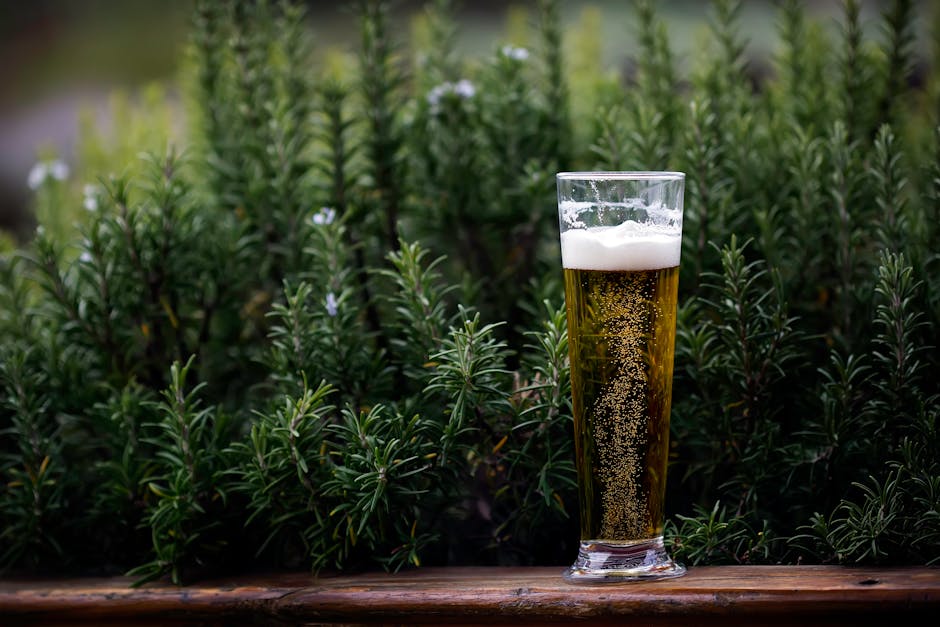
Braustube Schaan
Im alten Riet 156, Schaan — adjacent to the brewery
The brewery’s own restaurant and beer garden — one of the most relaxed eating-and-drinking destinations in the Principality, and the easiest place to walk in without a reservation if you’re in Schaan. The kitchen leans Alpine and Swiss-Liechtensteiner: Käsknöpfle, Schnitzel, Wurstsalat and seasonal specials, all designed to drink well with a Brauhaus chope on the side. The covered Biergarten holds a large outdoor crowd in summer and welcomes cyclists, e-bikes (with charging) and family groups; conference rooms upstairs handle parties up to 120 people. A genuinely friendly local place — not a tourist set-piece.
⏱ Lunch & dinner, see website for current hours · 🍺 Full Brauhaus beer range on tap · 📍 Im alten Riet 156, Schaan · Reservations: +423 377 88 70
Visit Braustube Schaan →Coffee — Roaster, Café, Ritual
Liechtenstein has one full third-wave roastery and an Austrian-style café tradition along the Vaduz pedestrian zone. Together, they cover everything from a properly extracted flat white to a Melange with a Sachertorte beside it.
Demmel Kaffee
Landstrasse 85, Schaan
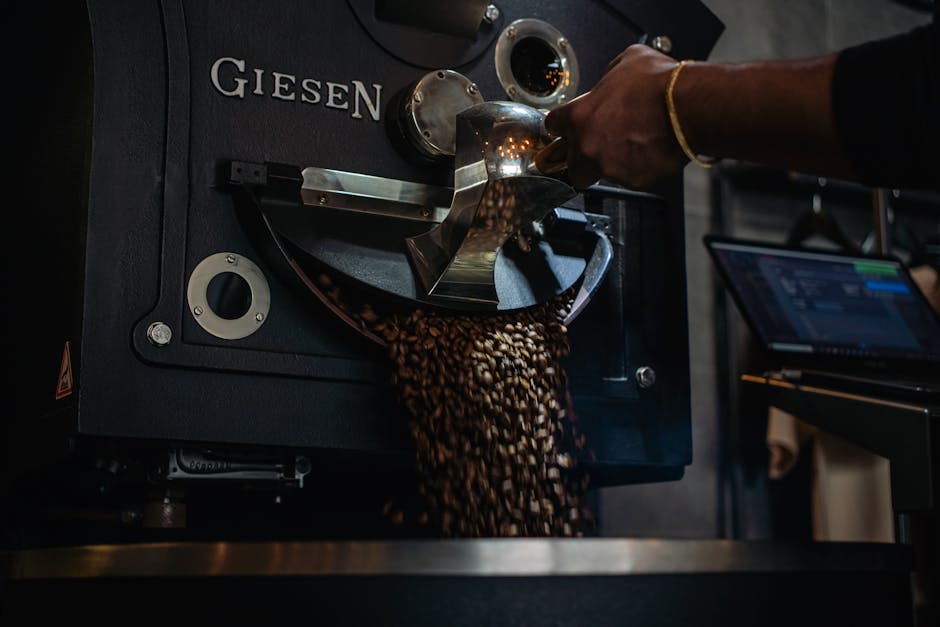
Liechtenstein’s only proper third-wave coffee roastery — a small “gläserne Manufaktur” in Schaan run by diplomaed Kaffeesommelier Peter Demmel. Premium green coffee is sourced from a tight network of traders, slow-roasted by hand in small batches, and packaged on-site. Visitors can watch the roasting through glass walls, taste through the day’s line-up at the shop counter, and learn the difference between a properly-pulled espresso and a stale supermarket bean. Sells to several restaurants and shops in the Principality plus a coffee bar in Bishop, California — an unlikely export partnership that says quite a lot about the quality of the roast.
☕ Roastery shop & tasting on site · Whole beans, ground & capsule sales · 📍 Landstrasse 85, Schaan · Next-day delivery in Liechtenstein & Switzerland
Visit Demmel Kaffee →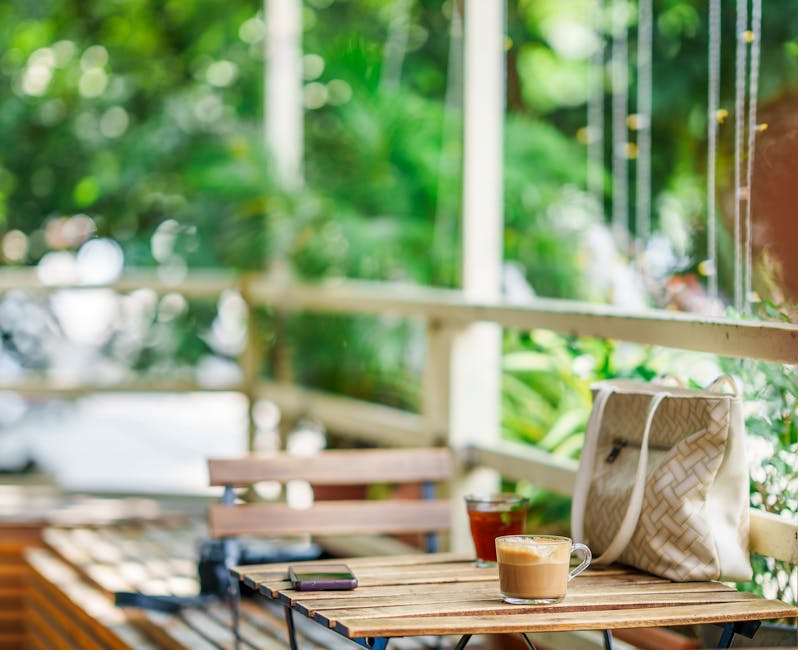
Vanini Café · Bar
Herrengasse 2, Vaduz
The Vanini is the daytime café arm of the historic Restaurant Adler — a 1908 family-run gasthaus now in its fourth generation, right in the centre of Vaduz on the Herrengasse pedestrian zone. Coffee is taken seriously in the Austrian tradition: Melange (espresso with steamed milk and foam, served with a glass of water), Verlängerter (lengthened espresso), Einspänner (espresso in a tall glass with whipped cream), all accompanied by pastries from the Bakery Frick. The terrace catches the morning sun; the indoor bar has a quiet, classical-music-and-newspapers feel that survives all year round. One of the best places in Vaduz to sit for an hour and read.
⏱ Mon–Fri 08:00–17:30 · Closed Sat & Sun · ☕ Melange, Verlängerter, Einspänner · 📍 Herrengasse 2, Vaduz
Visit Vanini Café · Bar →🥃 Good to Know — Liechtenstein Drink Tips
- 🍇 The country is a 25-kilometre drive end-to-end and all four wineries fit comfortably into a single weekend. A reasonable itinerary: Hofkellerei (Vaduz, Fri 15:00) · Harry Zech (Schaanwald, Sat morning) · Castellum (Eschen, Sat 09:00–12:00) · Weinbau Hoop (Eschen, Sat afternoon by appointment)
- 🍇 The legal drinking age in Liechtenstein is 16 for wine and beer, 18 for spirits — the same as Switzerland and Austria. ID is rarely checked in restaurants but always at the brewery shop
- 🍷 Hofkellerei cellar door is the only walk-in winery experience in the country. Everywhere else needs at least a phone call ahead — the producers are small enough that the owner often answers personally
- 🍻 WY Weinbar opens only Thu–Sat from 17:00, and Restaurant Torkel closes Sunday and Monday. A mid-week Liechtenstein visit will struggle for serious wine drinking — plan for Thursday or Friday onwards
- 🍺 The Liechtensteiner Brauhaus distributes only within Liechtenstein and parts of eastern Switzerland. Pick up a six-pack at the Braumarkt or a local Spar before you leave; the beer doesn’t travel commercially
- 🍸 Liechtensteiner Single Malt Whisky is a genuine single-source rarity — only one place in the world sells it (the Braumarkt). If it’s in stock when you visit, buy a bottle · releases tend to sell through within weeks of bottling
- ☕ A Melange in a Vaduz café comes with a small glass of water — that’s the Austrian convention, not a misunderstanding. Always drink the water first to clear the palate
- 🎸 Prost! is the toast in Liechtenstein. Eye contact on the clink, every time — looking away is read as anti-social. A second “Z’Gsundheit” (z-g-soond-heyt, “your health”) after the first sip is good form in older company