

Japan Drink Guide
From centuries-old sake breweries in Fushimi and coal-fire distilleries in Hokkaido to the matcha tearooms of Uji and the izakayas where Japan's drinking culture comes alive — a country where the art of making and drinking has never been separated from everyday life.
The smell hits you first. Not smoke, not alcohol — something softer and older: rice, cold water, and cedar wood. You've stepped into a sake brewery in Fushimi, in the southern part of Kyoto, and the air itself seems to have been absorbing this fragrance for three centuries. Outside, the Fushimizu springs that made this town Japan's sake capital still flow clean and cold. Inside, the toji — the master brewer — is watching the morning fermentation with the focused calm of someone who has done this ten thousand times before.
Japan drinks in a way that is difficult to describe as anything other than a culture. Sake is not just rice wine — it is a philosophy of water, rice, season, and restraint, with over a thousand active breweries still making it by hand. Japanese whisky, born from the ambition to create something that Scotland could not, now sits at the top of every serious whisky ranking in the world. And the izakaya — Japan's version of the neighbourhood bar — is one of the great institutions of evening life, a place where drinks and small plates arrive together and no one is in any hurry to leave.
Then there is tea. Uji, a short train ride from Kyoto, has been supplying the finest matcha in Japan since the 12th century. The tea houses here are not cafés — they are living archives, each one with a stone lantern in the garden and a ceramic bowl that has been handed down through generations. Japan's drinks are worth going to Japan for. Here are the places worth going to in person.
This guide contains information about alcoholic beverages and is intended for adults of legal drinking age in their country.
Sake — Breweries & Kura
Japan has over 1,300 active sake breweries — a number that has fallen sharply from its peak, but still represents the world's most concentrated tradition of fermented rice wine. Fushimi in Kyoto and Nada in Kobe between them produce more than 40% of Japan's total sake output, and both towns are open to visitors who want to understand how it is made.
Fushimi, Kyoto — The Water Town
Fushimi became Japan's pre-eminent sake town because of water — specifically the Fushimizu springs, which produce an extraordinarily soft, clean groundwater ideal for the delicate ginjo and daiginjo styles that define modern premium sake. The Fushimi sake district runs along the Uji River canal; on winter mornings, steam rises from brewery vents and the whole neighbourhood smells of cedar and fermenting rice. Most of the major breweries here have opened parts of their facilities to visitors, with museums, tasting rooms, and guided walks through working kura.
Key sake rice: Yamada Nishiki · Gohyakumangoku · Omachi · Water: Fushimizu soft spring water
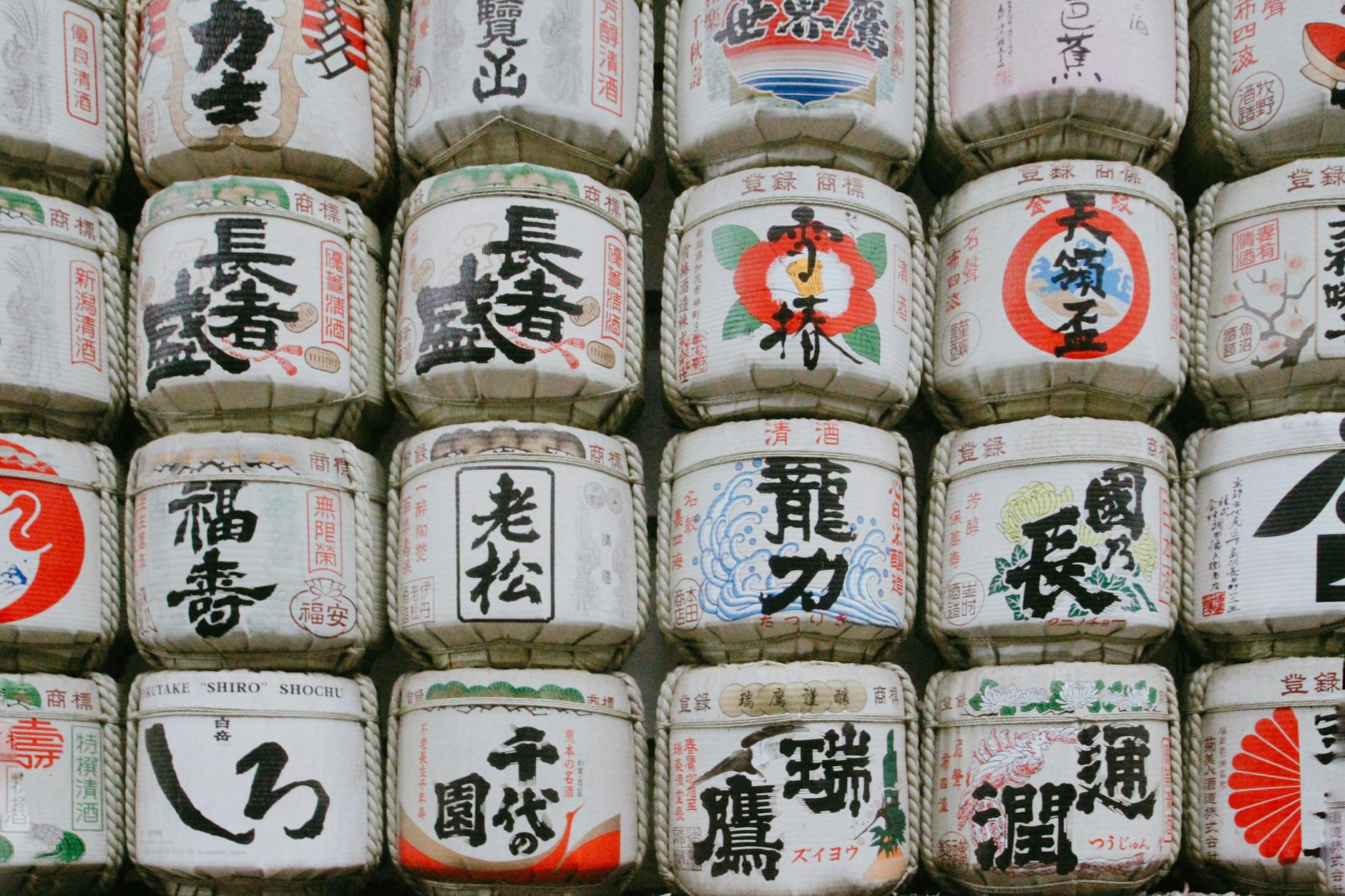
Gekkeikan Okura Sake Museum
Fushimi-ku, Kyoto
Founded in 1637 — one of the oldest continuously operating sake breweries in Japan. The museum occupies an original 1909 brewery building on the Uji River canal in Fushimi, filled with over 400 traditional brewing tools and historical documents. Visitors can taste the same underground spring water that feeds every tank in the brewery; the tasting area serves freshly pressed unpasteurised sake unavailable anywhere else. Admission ¥600 (adults); advance online reservation recommended for priority entry.
⏱ 9:30–16:30 (last entry 16:00) · 💰 ¥600/person · 📍 247 Minamihama-cho, Fushimi-ku, Kyoto · 5 min from Keihan Chushojima Station
Visit Gekkeikan Museum →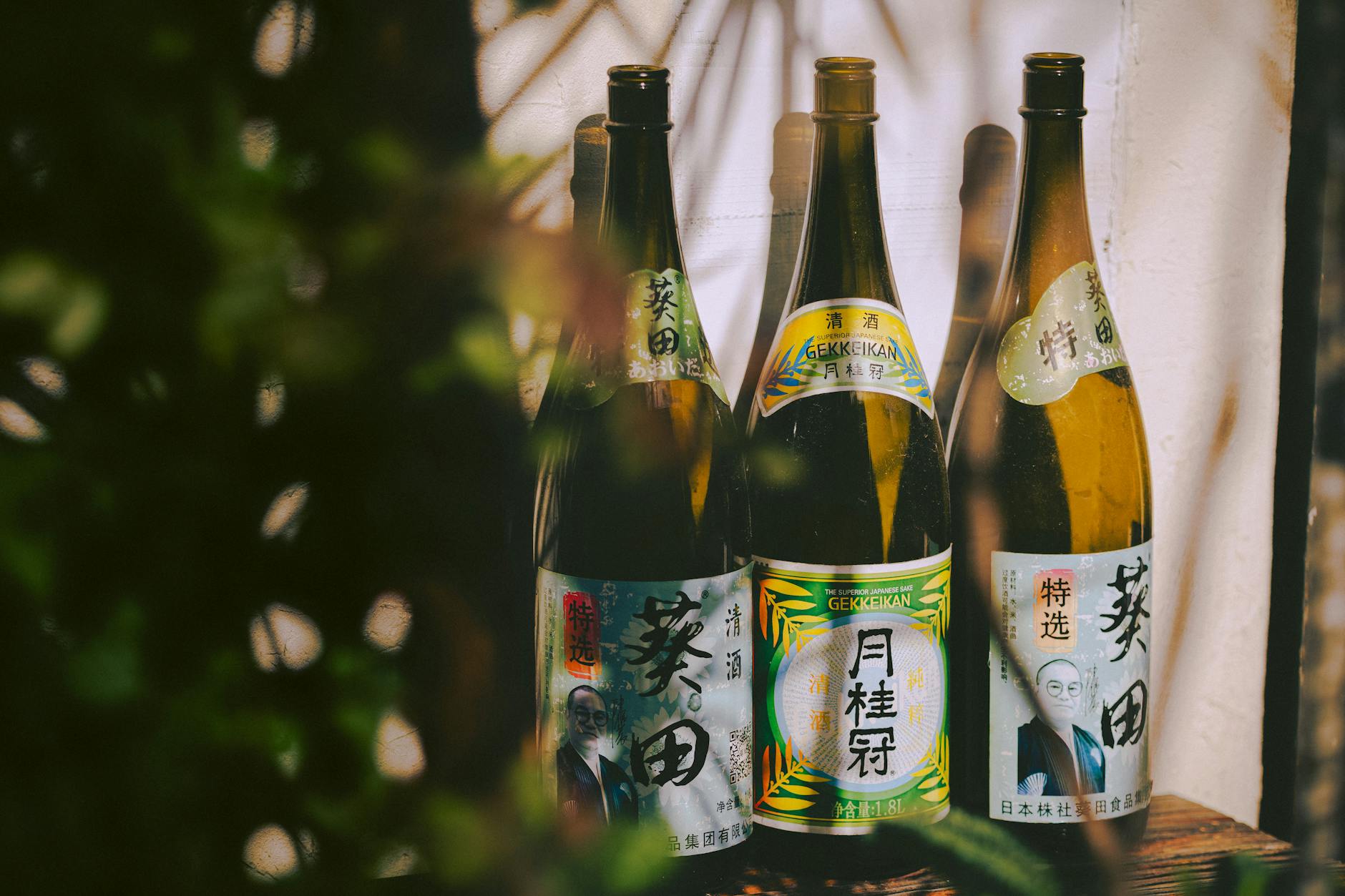
Kizakura Fushimigura
Fushimi-ku, Kyoto
Japan's only facility where visitors can watch both sake and craft beer being brewed under the same roof. Founded in 1925, Kizakura has been brewing craft beer since 1995 alongside its premium sake. The free self-guided tour spans five floors: the Sake Ginjo-Kura shows koji-mold rooms and fermentation tanks; the beer floor traces the process from mashing to canning. A spacious restaurant serves fresh sake from the barrel and Kizakura's Kyoto craft beers alongside traditional Kyoto cuisine. Reservations required.
⏱ 10:00–16:00 · 💰 Free · 📍 53 Kajiwara-cho, Fushimi-ku, Kyoto · Reservations: 075-644-4488
Visit Kizakura Fushimigura →Nada, Kobe — The Mineral Coast
Nada — the coastal district of eastern Kobe — is Japan's largest sake-producing zone by volume. The Miyamizu water here is harder and more mineral-rich than Fushimi's, producing sake with a drier, more structured character. Several of Japan's largest sake houses operate in Nada, and many have opened museums in their original Taisho-era brewhouses, giving visitors a glimpse of industrial sake-making at its grandest scale.
Key water: Miyamizu (mineral-rich, ideal for dry styles) · Key rice: Yamada Nishiki from Hyogo Prefecture
Hakutsuru Sake Brewery Museum
Higashinada-ku, Kobe
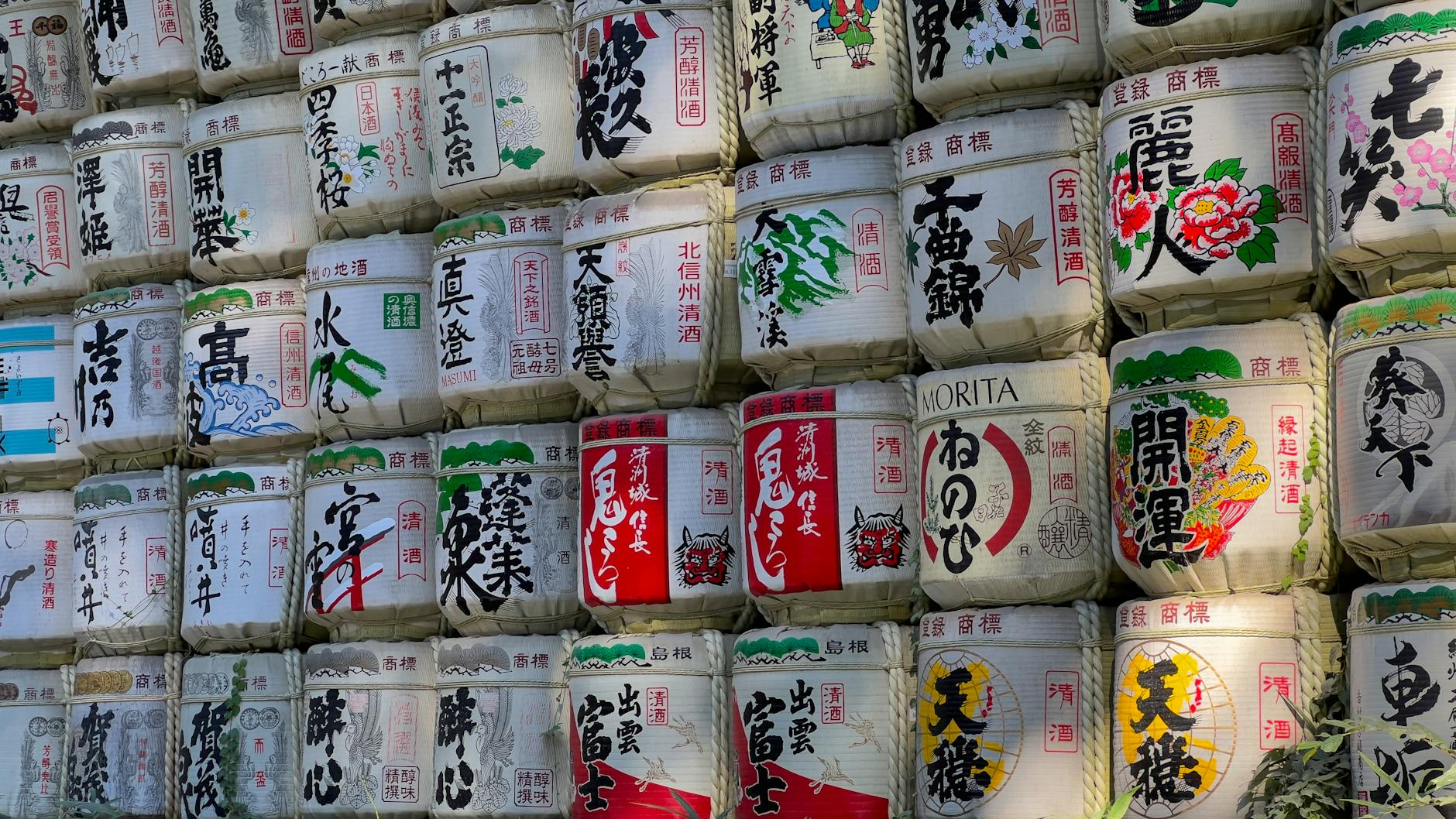
Hakutsuru is Japan's best-selling sake brand — and its museum in Nada is one of the best sake heritage sites in the country. The museum occupies an original early-20th-century sake brewhouse, preserved in its original form. The first floor displays a vast cedar fermentation vat that once held hundreds of litres, alongside traditional tools from rice washing to pressing; the second floor explains koji production and fermentation stages through hands-on exhibits. Admission is free; the tasting area offers freshly pressed unpasteurised honjozo sake unavailable anywhere else.
⏱ 9:30–16:30 (last entry 16:00) · 💰 Free admission · 📍 4-5-5 Sumiyoshiminami-machi, Higashinada-ku, Kobe · 5 min from Hanshin Sumiyoshi Station
Visit Hakutsuru Museum →Sake Bars, Izakayas & Whisky Dens
Japan's izakaya tradition is built on slowness — small plates arriving over several hours, the glass refilled without asking, and a bar that has been doing the same thing the same way for decades. From Fushimi's sake district alleys to Ginza's world-class bars, these are the places to drink in Japan rather than just learn about it.
Bar High Five
Ginza 5-chome, Tokyo
One of the most celebrated cocktail bars in Asia — opened in 2008 by master bartender Hidetsugu Ueno in a basement beneath Ginza's most famous shopping street. Bar High Five is a non-smoking, intimate bar where the entire menu is built around precision technique and Japanese ingredients: sake-based cocktails, shochu highballs, and house specialties using seasonal Japanese fruits and bitters. The house sour — made with fresh citrus pressed to order — is the benchmark. No reservations accepted; arrive early or call ahead to check availability. The perfect introduction to what Japanese bartending means at its highest level.
⏱ Mon–Sat 17:00–23:30 (last entry 22:30) · 📍 Efflore Ginza5 B5F, 5-4-15 Ginza, Tokyo · Walk-in only · Dress smart-casual
Visit Bar High Five →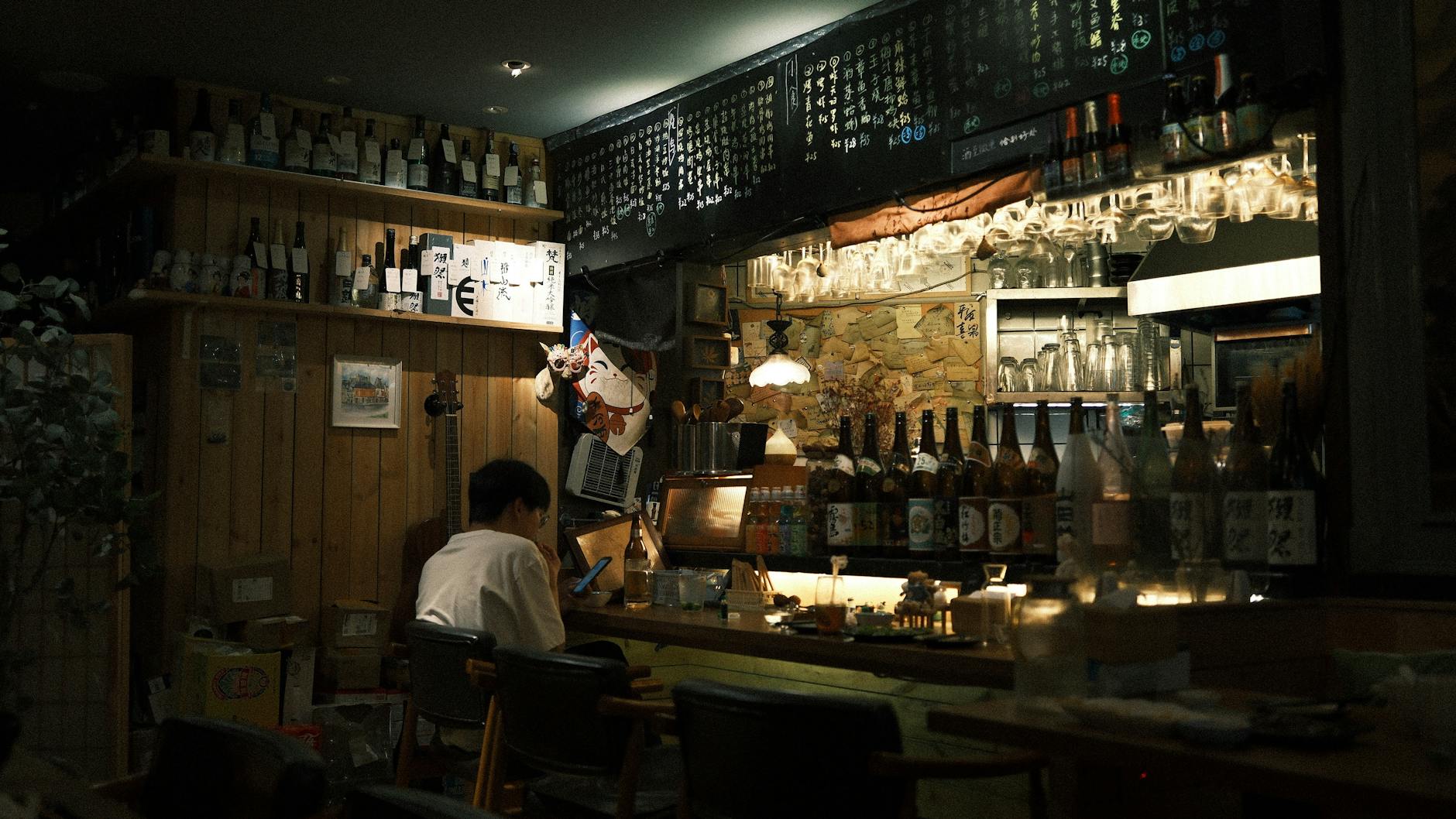
Bar Shinsei
Shimogyo-ku, Kyoto (Shijo)
The official sake bar of Yamamoto Honke, a Fushimi brewery founded in 1677 — and one of the best places in Kyoto to drink sake in its proper context. Relocated in March 2025 into a renovated 100-year-old Kyoto townhouse near Hankyu Karasuma Station, Shinsei serves the full lineup of Yamamoto Honke's “Shinsei” sake (13+ varieties) alongside Kyoto cuisine: fresh fish direct from Kochi Prefecture, Tamba black chicken yakishabu, Kyoto yuba, and traditional oden. The all-you-can-drink sake course (13 varieties for ¥500 extra) is exceptional value. A stone's throw from the Nishiki Market area and ideal for an evening after a day in the city's temples.
⏱ Mon–Fri 16:00–23:30, Sat–Sun 14:00–23:30 · 📍 65 Shioyacho, Shimogyo-ku, Kyoto · 5 min from Hankyu Karasuma Station
Visit Bar Shinsei →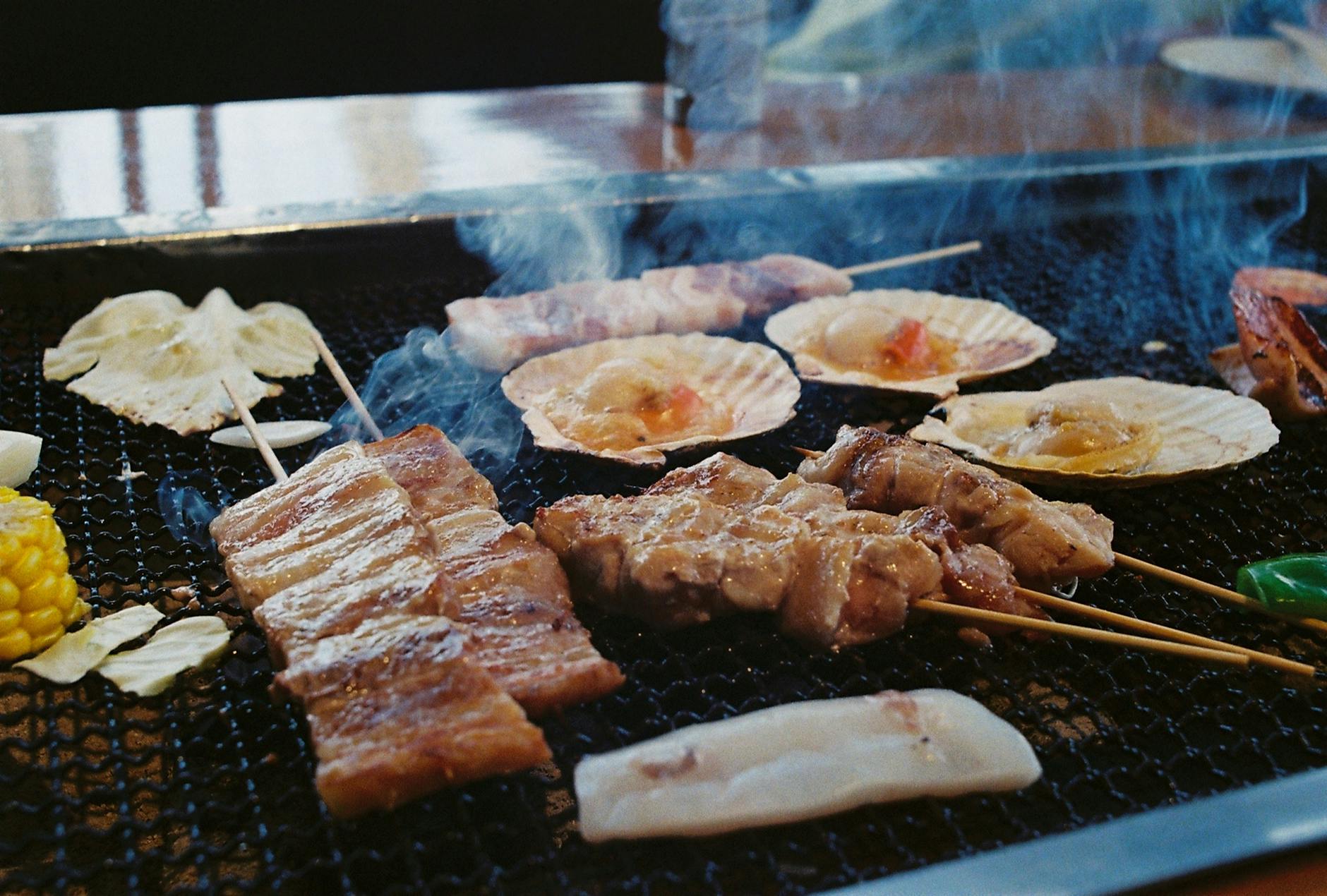
Fushimi 89-chome Shokudo
Fushimi Sakagura Koji, Kyoto
Located inside Fushimi Sakagura Koji — an alley complex where 18 Fushimi sake breweries and 9 specialty restaurants operate under one roof, a few minutes walk from the Gekkeikan Museum. Fushimi 89-chome Shokudo specialises in charcoal-grilled yakitori and Fushimi-yaki: meats marinated in sake lees from local breweries before grilling, producing a deep, umami-rich flavour unique to this district. The restaurant's signature Chiran chicken sudare-yaki was paired with sake using AI analysis — the match is remarkable. Any table in the alley can order sake from all 18 breweries on a shared menu, making it the most complete sake tasting experience available in Fushimi without visiting individual kura.
⏱ Varies · 💰 Light course from ¥2,000 · 📍 Fushimi Sakagura Koji, Fushimi-ku, Kyoto · 5 min from Gekkeikan Museum
Visit Fushimi 89-chome →Know Your Sake
Sake is the most complex of Japan's drinks — a fermented rice wine that spans everything from light and floral to aged and nutty. Here's how to read the label and order with confidence before visiting a brewery or bar.
Japan has over 1,300 active sake breweries producing more than 450 different rice varietals. The craft sake movement — small breweries experimenting with natural fermentation, ancient rice strains, and extended aging — is producing some of the most exciting sake in the country's history. Look for koshu (aged sake, sometimes 10+ years old) and nigori (cloudy, unfiltered) styles at specialist sake bars for something completely different from what most visitors expect.
Japanese Whisky — The Distilleries
In 1923, a young Japanese chemist named Masataka Taketsuru returned from Scotland with a notebook full of secrets and the dream of making whisky in Japan. A century later, the distilleries he and Suntory founder Shinjiro Torii built have become the most awarded whisky producers in the world — and among the most extraordinary places to visit anywhere in Asia.
Japan's Landmark Distilleries
Three distilleries that defined Japanese whisky — each chosen for an environment that could not be replicated elsewhere: a misty valley near Kyoto, a pristine Alpine forest in Yamanashi, and a cold coastal peninsula in Hokkaido that reminded one man of Scotland.
Key spirits: Single Malt · Blended Malt · Grain Whisky · Casks: Mizunara (Japanese Oak) · American Oak · Sherry Cask
Suntory Yamazaki Distillery
Shimamoto-cho, Osaka Prefecture
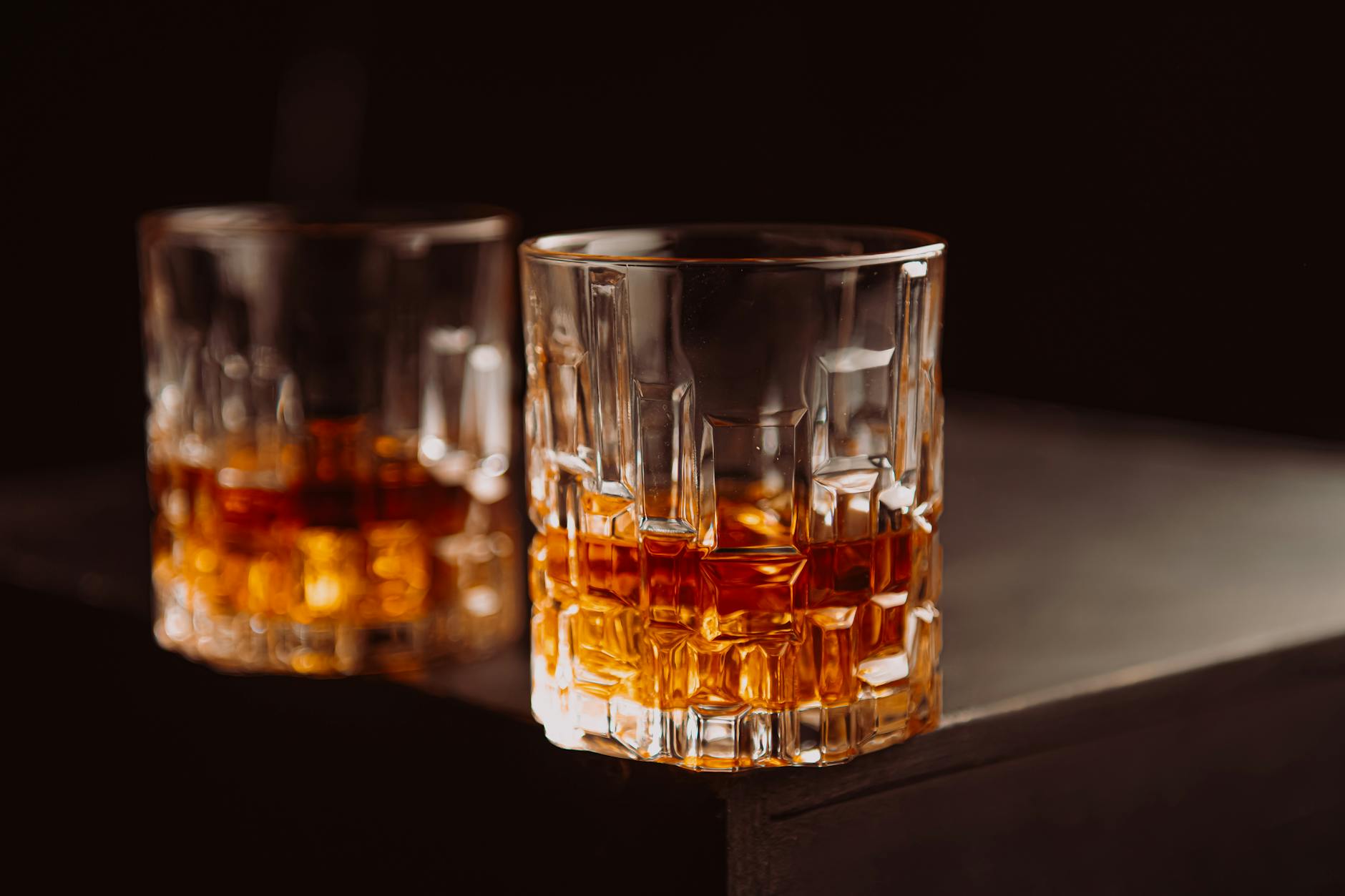
Japan's oldest malt whisky distillery — established in 1923 at the confluence of three rivers near Kyoto. Torii chose this location for its water, humidity, and the fog that drifts through the bamboo groves at dusk — conditions he believed would create a whisky unlike Scotch. He was right: Yamazaki Single Malt won best whisky in the world at the World Whisky Awards in 2003. Tours cover the original copper pot stills, maturation warehouses, and tasting room. Book weeks in advance — demand far outstrips capacity.
⏱ 10:00–16:45 (last entry 16:30) · 📍 5-2-1 Yamazaki, Shimamoto-cho, Osaka Prefecture · 10 min from JR Yamazaki Station · Booking essential
Visit Yamazaki Distillery →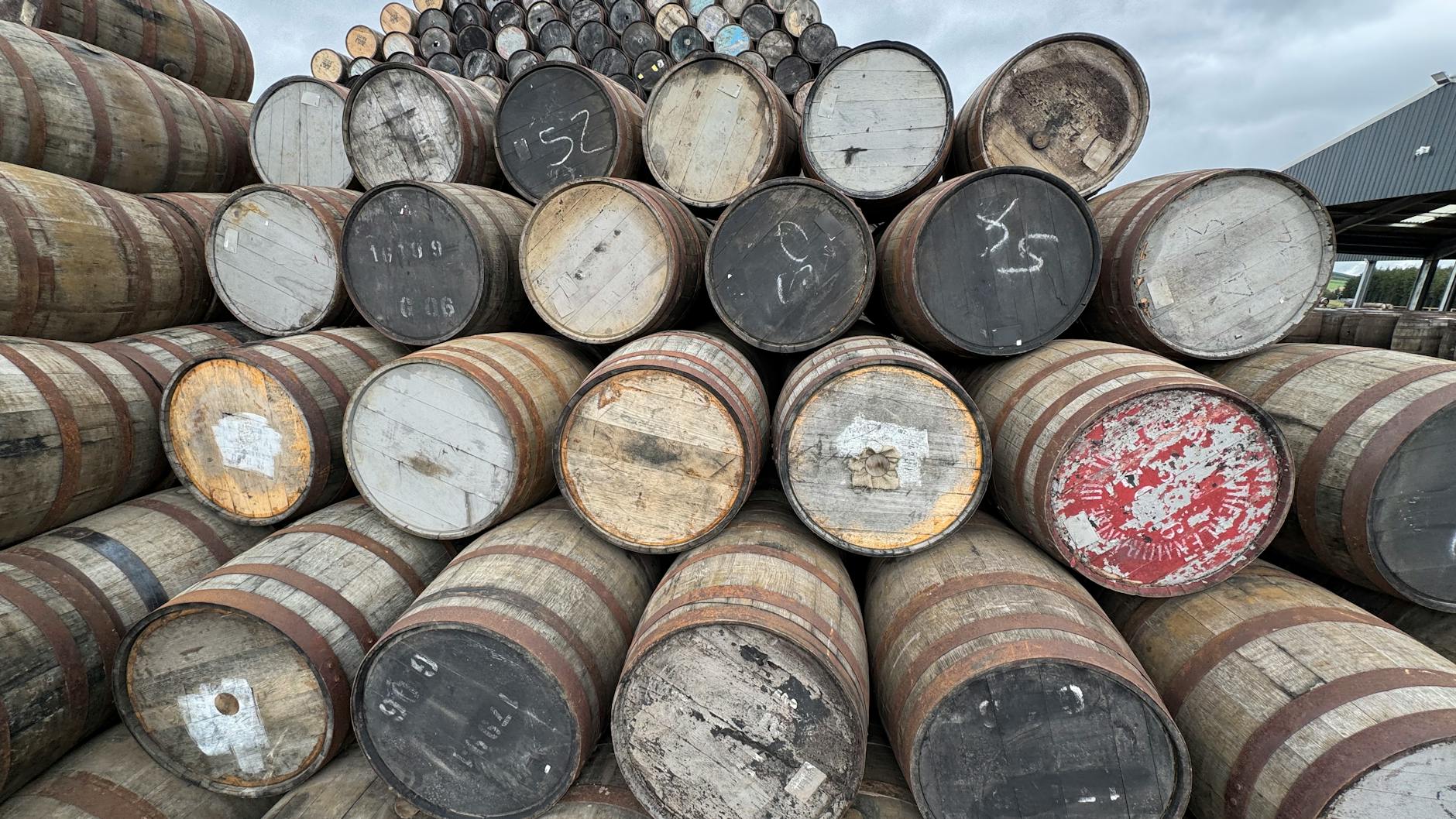
Suntory Hakushu Distillery
Hokuto City, Yamanashi Prefecture
Built in 1973 at 2,000 metres altitude in one of Japan's most pristine forest environments. Birds call from the woodland; Alpine snowmelt flows visibly through the grounds. Hakushu whisky is defined by its environment: fresh, herbal, with a distinctive green smokiness that no other distillery replicates. Tours cover the copper pot stills, maturation warehouses (some casks aging since the 1970s), and an extensive tasting experience. A free shuttle runs from JR Kobuchizawa Station at weekends. One of the great distillery visits in Asia.
⏱ 9:30–16:30 (last entry 16:00) · 📍 2913-1 Torihara, Hakushu-cho, Hokuto City, Yamanashi · Shuttle from JR Kobuchizawa Station · Booking essential
Visit Hakushu Distillery →
Nikka Whisky Yoichi Distillery
Yoichi-cho, Hokkaido
Founded in 1934 by Masataka Taketsuru on a Hokkaido peninsula that reminded him of Scotland: cold, damp, facing the sea, surrounded by mountains. Yoichi is the only working distillery in the world that still uses direct coal-fire distillation — requiring a cooper's skill to maintain the correct heat beneath each pot still. The result is a bold, heavily peated malt unlike any other Japanese whisky. Guided tours are conducted in Japanese (free; booking required); the Nikka Museum and tasting hall can be visited without reservation. The distillery shop stocks rare Yoichi single malts unavailable outside Hokkaido.
⏱ 9:15–16:15 (last entry 15:30) · 💰 Free admission · 📍 Kurokawacho 7-6, Yoichi-cho, Hokkaido · 10 min walk from JR Yoichi Station
Visit Yoichi Distillery →Understanding Japanese Whisky
Japanese whisky follows the Scottish model but creates something entirely its own — shaped by Japan's humidity, extreme seasonal temperature swings, and a philosophy of constant refinement. Here's what to know before visiting a distillery.
Japan's seasons do the work of maturation that cellars do elsewhere. Summer temperatures above 30°C accelerate the spirit's interaction with the barrel; winter drops to -15°C in Hokkaido contract the wood and push flavour deep into the grain. A Japanese whisky aged for 12 years goes through more temperature cycles than a Scotch aged for 20 — which is part of why Japanese malts develop complexity so rapidly.
Craft Beer — Breweries & Taprooms
Japan's craft beer revolution began in 1994 when the government lowered the minimum production threshold for brewery licences — and the country has never looked back. Today's Japanese craft breweries bring the same precision and seasonality that defines Japanese cuisine to their beer: yuzu, sansho pepper, green tea, sake yeast, and Hokkaido hops are all making their way into glasses from Sapporo to Osaka.
Tokyo & Kyoto — The Craft Scene
Three of Japan's most important craft beer addresses — from the Kyoto townhouse brewery that invented wa-craft beer to the Tokyo taproom chain that launched Japan's craft movement, and the most ambitious new brewery restaurant in the country, opened in 2026 at the gateway to the world.
Styles to look for: Japanese Lager · Yuzu Wheat · Sansho IPA · Sake-Yeast Ale · Matcha Stout
Spring Valley Brewery Kyoto
Kawaramachi, Kyoto
Housed in a beautifully restored 100-year-old Kyoto townhouse a minute from Nishiki Market, Spring Valley Brewery Kyoto is the brewery that defined the concept of wa-craft — Japanese-inflected craft beer made with native ingredients and served alongside Japanese cuisine. Established in 2017 by Kirin, the brewery keeps around ten beers on tap at any time, including the flagship wheat ale “on the cloud”, the yuzu-and-Japanese-pepper “Daydream”, and a rotating IPA series using 100% fresh Japanese hops from the Yosano hills north of Kyoto. The restaurant upstairs serves izakaya-style food designed to pair with each beer.
⏱ Daily 11:30–22:00 · 📍 Kawaramachi, near Nishiki Market, Kyoto · 10 beers on tap · Seasonal rotating menu
Visit Spring Valley Brewery →
Yona Yona Beer Works
Multiple locations, Tokyo
The restaurant chain that introduced serious craft beer to mainstream Tokyo — operated by Yo-Ho Brewing of Karuizawa, the company that launched Japan's craft beer revolution with Yona Yona Ale in 1997. Today Yona Yona Beer Works has six branches across central Tokyo (Shimbashi, Ebisu, Shinjuku, Kichijoji, Kanda, Aoyama) with around ten beers on tap at any time, including the flagship Yona Yona Ale, Indo no Aooni IPA, Wednesday's Cat white ale, and seasonal experimental releases. Simple, well-executed food — roast chicken, original sausages — designed to complement the beer.
⏱ Varies by branch · 📍 Six branches across central Tokyo · No reservation required
Visit Yona Yona Beer Works →
Yona Yona Tokyo Brewery
Shinagawa, Tokyo
Opened in March 2026 as the most ambitious craft brewery restaurant in Japan — an 850 m² brewpub directly connected to Shinagawa Station with an on-site brewery, a 360-degree island bar with 28 taps, and brewery tours from April 2026 (¥3,520/person, including tasting flight). Operated by Yo-Ho Brewing and Wondertable, the brewery produces its own exclusive beers on-site: flagship “Gate One” lager plus rotating JAPAN EDGE releases using Japanese seasonal ingredients. With 197 seats, food designed around craft beer pairings, and direct Shinkansen access, this is the best single destination in Japan for serious craft beer exploration.
⏱ Mon–Fri 11:30–23:00, Sat–Sun 11:30–23:00 · 💰 Brewery tours ¥3,520 · 📍 Shinagawa Intercity B1F, Minato-ku, Tokyo
Visit Yona Yona Tokyo Brewery →Matcha & the Japanese Tea House
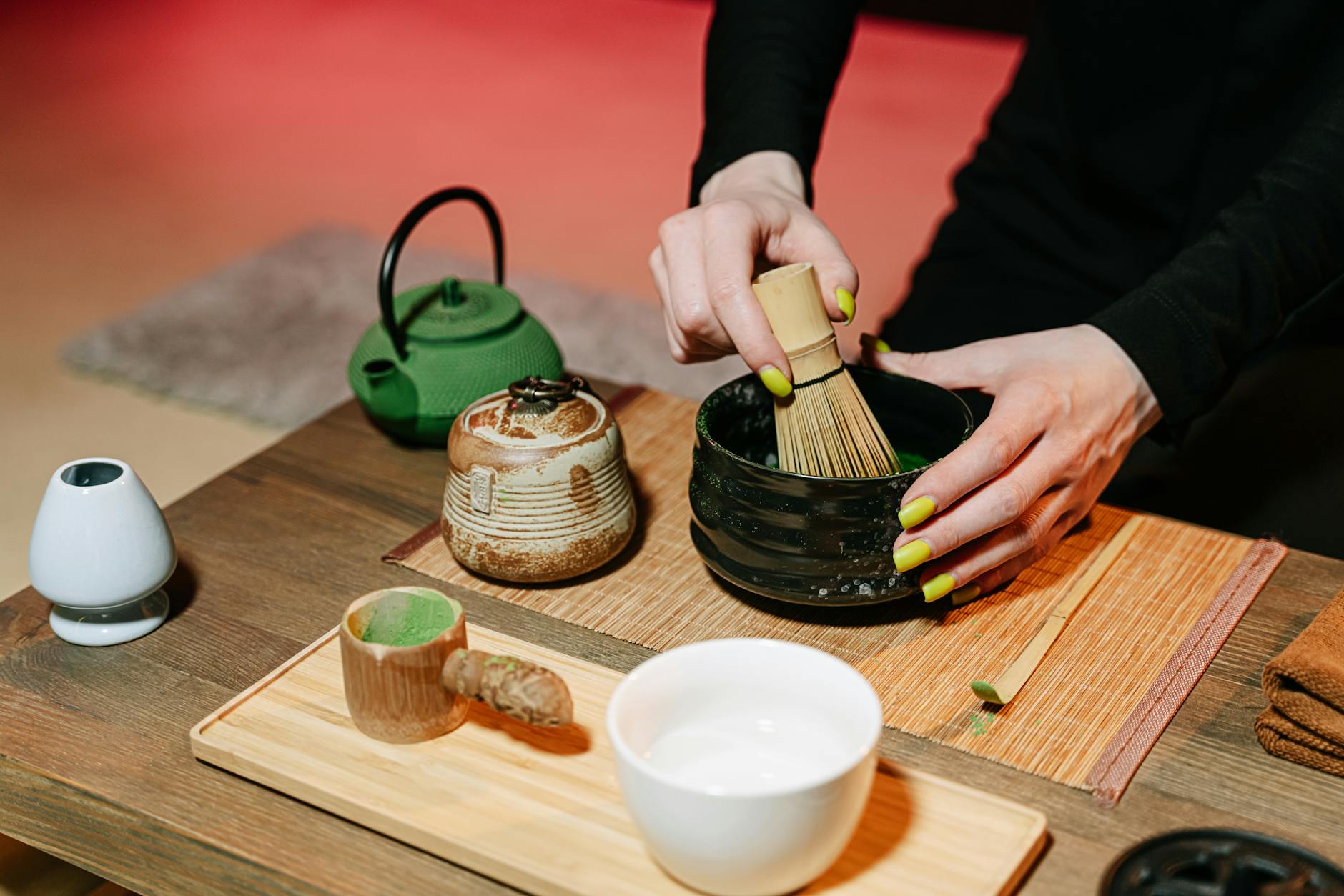
Long before whisky or sake, Japan's defining drink was tea. The matcha ceremony is not a ritual for tourists — it is a living practice, refined over five centuries, in which the preparation and consumption of powdered green tea becomes an act of deliberate attention. Uji, 30 minutes by train from Kyoto, has been Japan's premier tea-growing district since the 12th century and remains the best place on earth to understand what great matcha actually tastes like.
Ippodo Tea
Teramachi Street, Kyoto
Founded in 1717 — still run by the same family from the same storefront on Teramachi Street near the Kyoto Imperial Palace. Ippodo is Japan's most respected matcha producer: over thirty different teas listed on the wall, from everyday sencha and bancha to the most rarefied gyokuro and ceremonial-grade matcha. The adjacent Kaboku Tearoom serves tea prepared to order with wagashi sweets; staff guide visitors through correct preparation for each style. The second floor offers classes and private tastings. No better place in Kyoto to understand the full range of Japanese green tea.
⏱ Store & tearoom 10:00–17:00 · 📍 52 Tokiwagi-cho, Nakagyo-ku, Kyoto · 5 min from Subway Kyoto City Hall Station · Closed 2nd Wednesday of each month
Visit Ippodo Tea →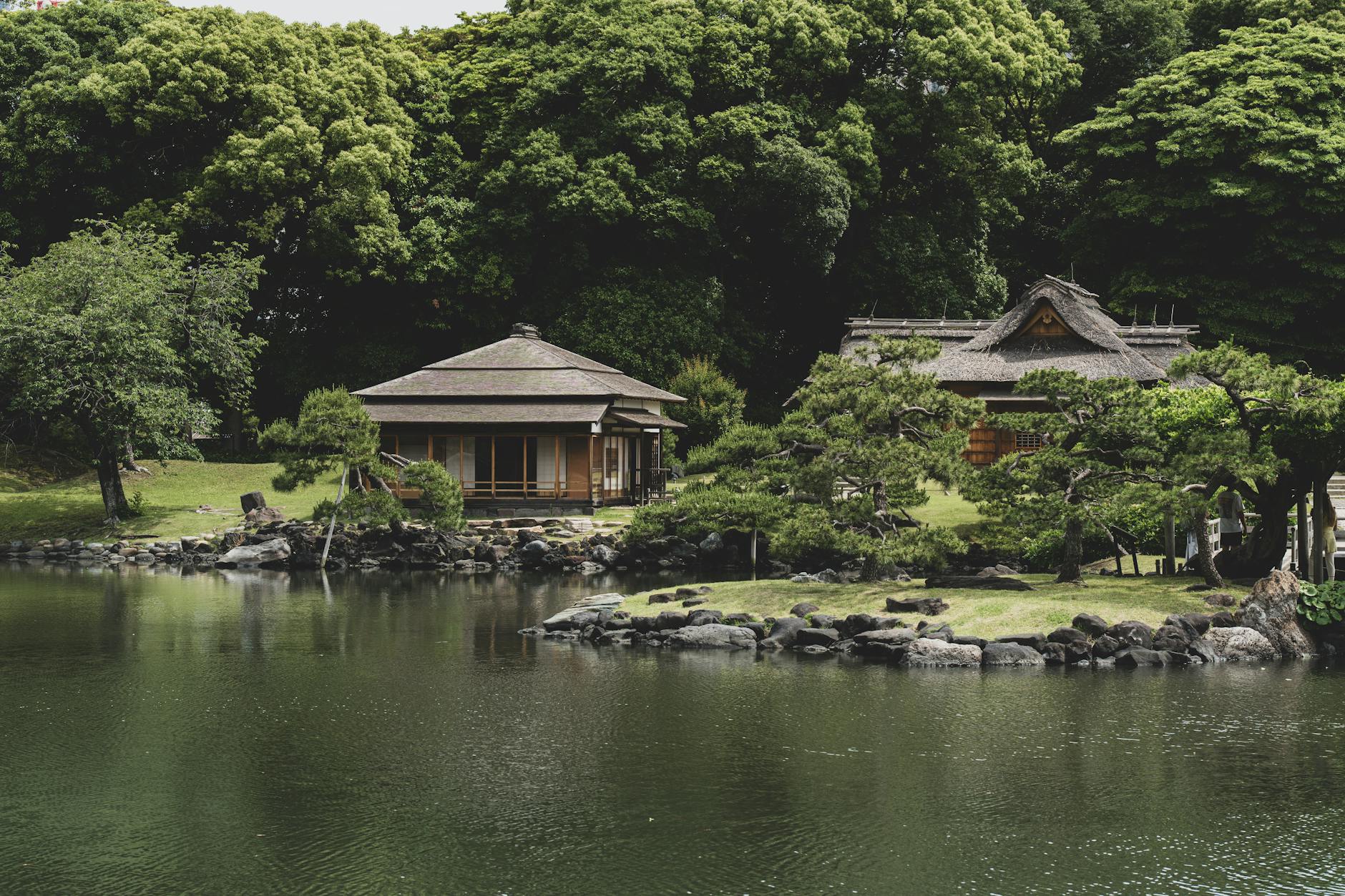
Tsuen Tea
Uji Bridge, Uji City, Kyoto Prefecture
Founded in 1160 — Japan's oldest tea house and one of the oldest operating businesses in the world, running continuously for over 860 years. Tsuen occupies a 1672 Edo-period merchant house directly beside Uji Bridge, the same spot where its samurai founder set up his first brazier to serve tea to travellers. The interior contains antique tea jars several centuries old, a wooden statue of the founder presented by Zen monk Ikkyū Oshō, and a well bucket attributed to tea master Sen no Rikkyū. Freshly whisked matcha, gyokuro, and tea-flavoured dango served daily. One of the quietest pleasures available in Japan.
⏱ 9:30–17:30 daily · 📍 1 Uji Higashiuchi, Uji City, Kyoto Prefecture · 1 min from Keihan Uji Station · Walk-in only
Reviews and book →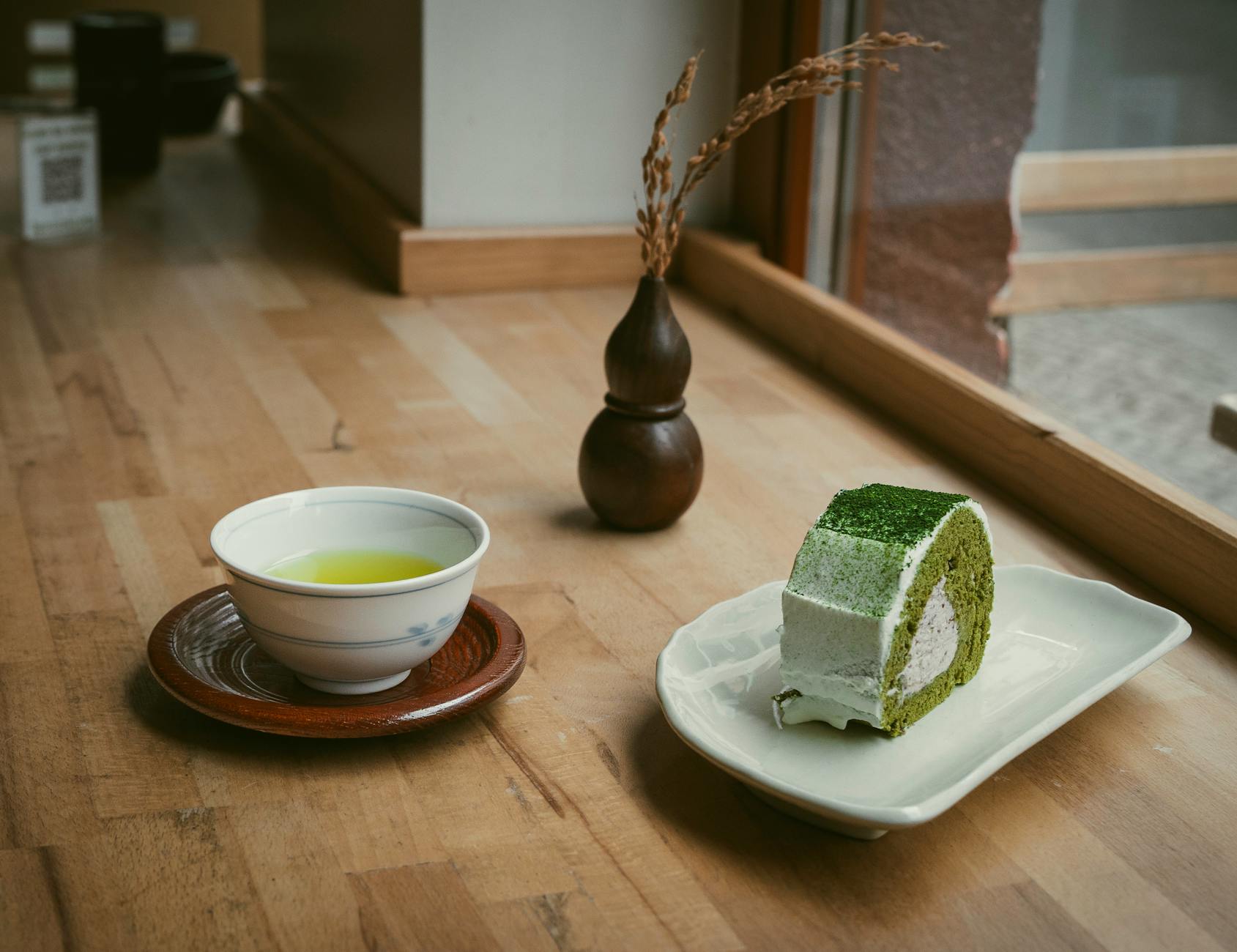
Nakamura Tokichi Honten
Uji City, Kyoto Prefecture
Founded in 1854 in Uji — one minute from JR Uji Station — combining a traditional tea shop with a celebrated café that has become one of the most visited destinations in Japan for matcha desserts. The tea shop sells over thirty blends of Uji green tea including hand-picked single-origin gyokuro and ceremonial-grade matcha. The café is famous for namacha jelly (raw tea jelly made from freshly brewed tea, served cold with cream and soybean flour) and its matcha soft-serve. Tea ceremony sessions — with hands-on grinding and preparation — are available on select days by reservation.
⏱ 10:00–17:30 (café last call 16:30) · 📍 10 Uji Ichiban, Uji City, Kyoto Prefecture · 1 min from JR Uji Station · Tea ceremony by reservation
Visit Nakamura Tokichi →💡 Good to Know
- 🍶 Kanpai! is cheers in Japanese — always make eye contact when you clink glasses, and wait until everyone has their drink before the first sip. Never pour your own sake; fill others' cups and they will fill yours
- 🍶 Premium ginjo and daiginjo sake should almost always be served cold to preserve their aromas. Honjozo and Junmai can be served warm in winter. If it arrives the wrong temperature, it is perfectly acceptable to ask
- 🍸 Distillery reservations for Yamazaki and Hakushu open at 10:00 on the fifth weekday of the prior month — they sell out in minutes. Set a calendar reminder and try exactly at opening time
- 🍺 Japan's big breweries — Asahi, Kirin, Sapporo — also offer free factory tours with tastings at their main production sites, completely different from craft breweries but fascinating for understanding industrial beer culture in Japan
- 🍵 When ordering matcha, usucha (thin tea) is the everyday whisked bowl; koicha (thick tea) is the ceremonial style — thicker, more intense, and usually served only at formal tea ceremonies or specialist tea houses
- 🍶 Sake breweries are most atmospheric October to March — when the sugidama (a cedar ball hung outside each kura) signals that new sake is being made inside and freshly pressed shiboritate is available direct from the tank
- 🎸 Japanese convenience stores (7-Eleven, Lawson, Family Mart) sell surprisingly good craft sake and regional beer — look for the refrigerated shelves with small local brewery labels, which rotate seasonally and are often unavailable anywhere else