This is your destination guide for Japan.
This is your destination guide for Nagano & the Northern Alps
📍 Part of JapanPost towns the shoguns walked, a car-free alpine valley, and monkeys who beat you to the hot spring.

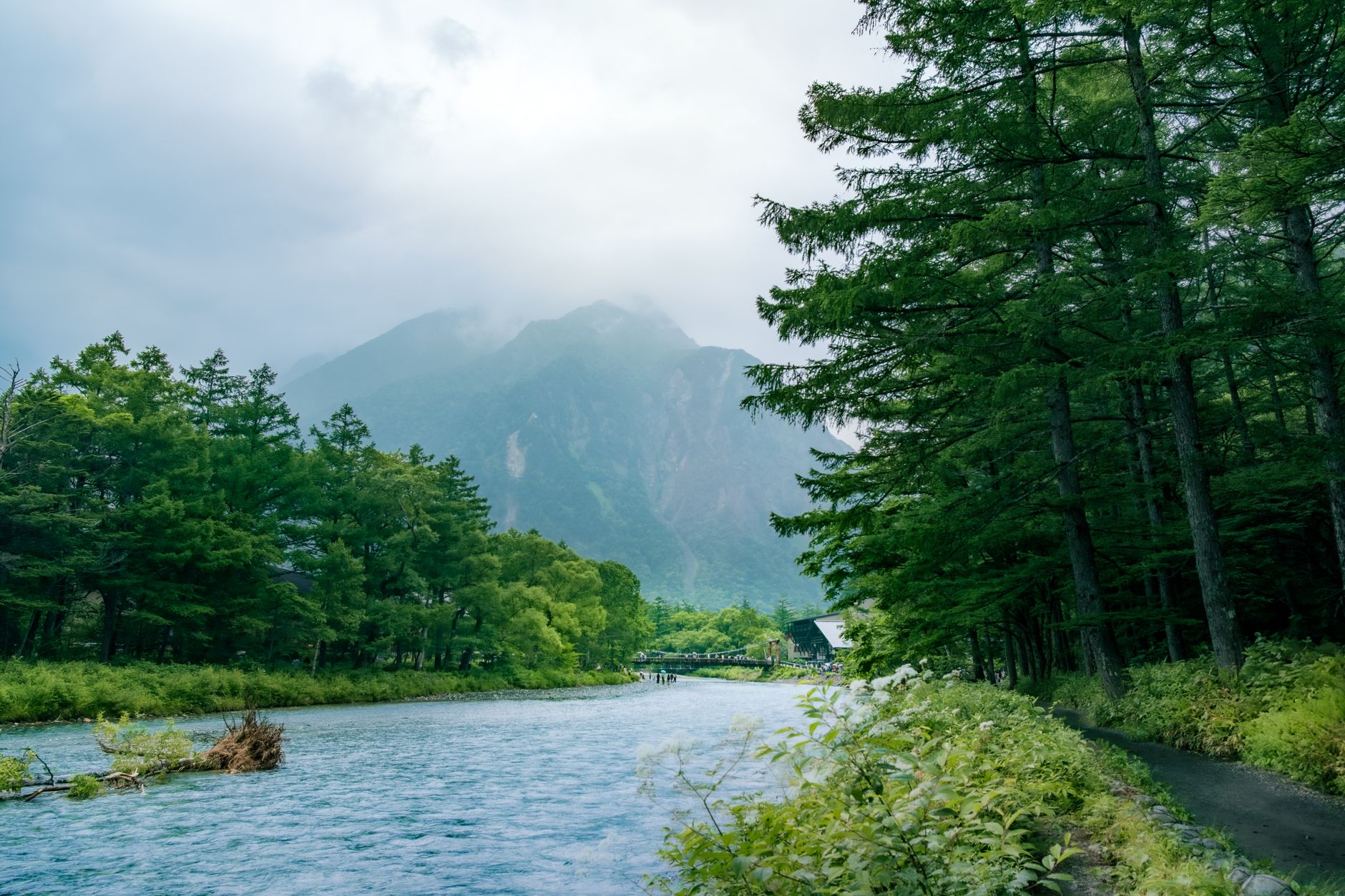
The reality: You step off the bus at Kamikōchi and the air changes — colder, thinner, smelling of larch and cold river. The Azusa runs glacier-blue under Kappa Bridge, and the Hotaka peaks stand 3,000 metres straight up behind it. No cars. No road in, for anyone. Everybody here — the Imperial Hotel guests, the day hikers, the climbers heading for the summits — arrived the same way you did, on a bus, because that's been the only way since 1975.
This is the old, mountainous middle of Japan — the part Tokyo and Kyoto visitors skip because it takes an extra train. Nagano Prefecture and the Northern Alps that wall it in: a castle that's stood since the 1590s, two Edo-era post towns where the power lines are buried so the street looks 200 years old, a valley full of sake breweries, and a troop of snow monkeys who worked out how to use a hot spring and never looked back.
Most people come for one thing — the monkeys, usually, on a rushed day trip from Tokyo — and discover there's a week here. Walk the Nakasendō between Magome and Tsumago. Base in Matsumoto and ride the bus up to Kamikōchi. Cross the mountains to Takayama and the thatched farmhouses of Shirakawa-gō. It's all one circuit, stitched together by a bus network most foreigners never figure out. Here's how it fits together.
Kamikōchi is the heart of it: a flat, car-free river valley at 1,500 metres, walled by the Hotaka range. A seven-kilometre trail along the Azusa River links Taisho Pond, Kappa Bridge and Myojin without a single climb — so you get genuine 3,000-metre alpine scenery on a walk anyone can do in trainers.
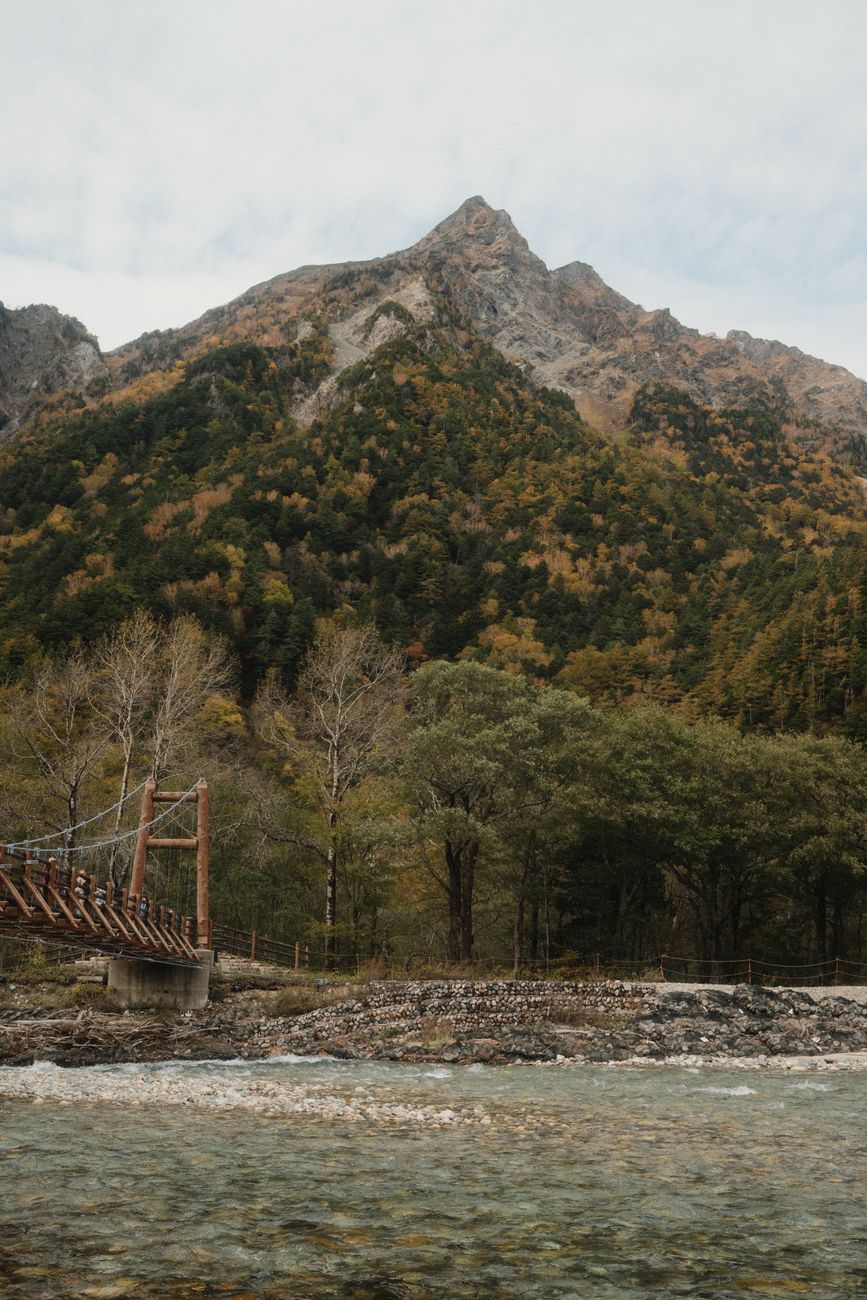
Kappa Bridge (Kappabashi) — the centre of everything. The classic shot of the Hotaka peaks above the Azusa. Mobbed by 11 AM; empty at dawn. Come early or stay the night to see it quiet.
Taisho Pond — formed in 1915 when Mt. Yake erupted and dammed the river. Dead tree trunks still stand in the water. Best in first light, when mist sits on the surface.
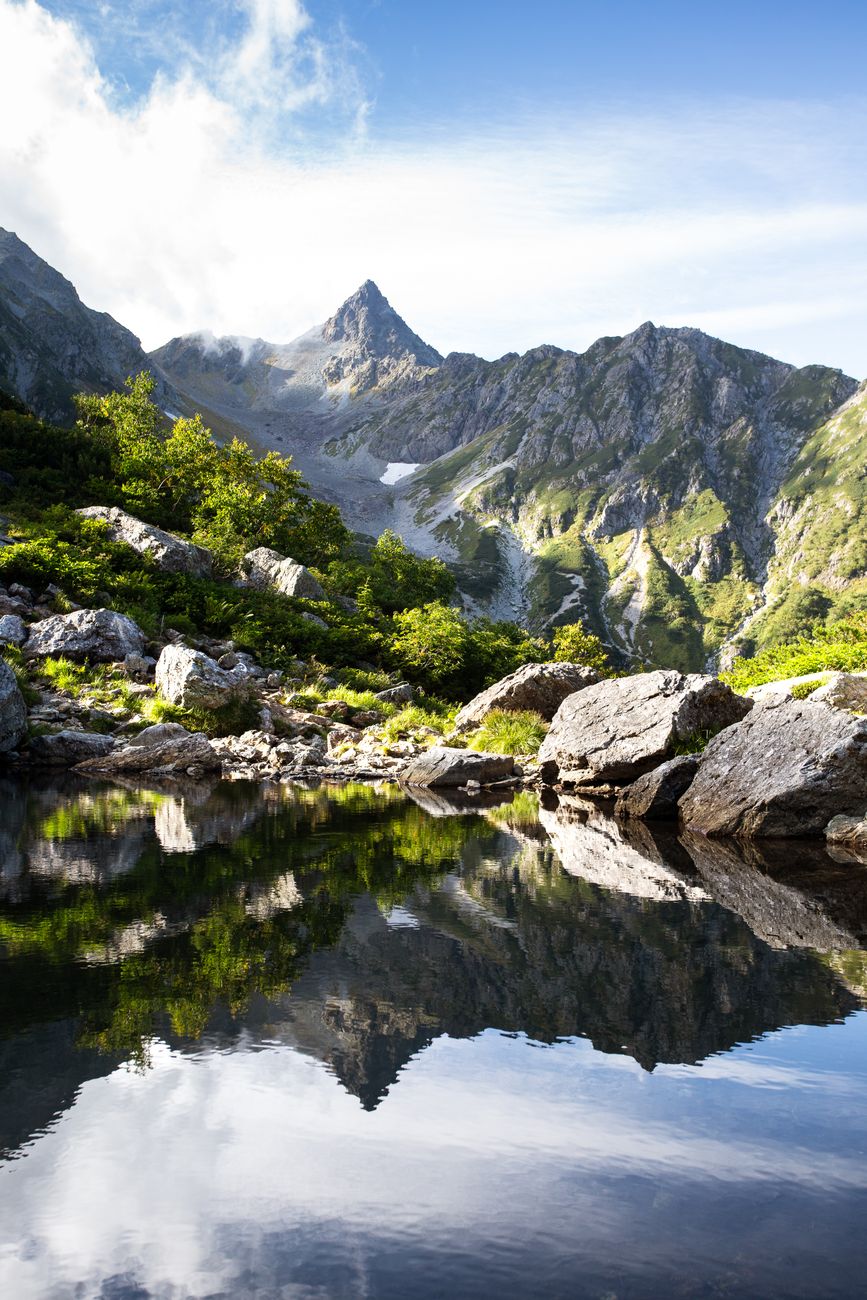
Myojin Pond — an hour upriver, quieter, with a small shrine and a ¥500 entry. The reflection here beats Taisho if the wind is down.
Two things to know before you go. First: private cars have been banned since 1975. You drive to Sawando (from the Matsumoto side) or Hirayu/Akandana (from the Takayama side), park, and switch to a shuttle bus. There are no permits and no workarounds.
Second, and newer: the Matsumoto–Kamikōchi buses now require a seat reservation in both directions — a 2025 change that still catches people who expect to just turn up. Book your return when you book your inbound.
The region's towns each do something different — a working castle city, a temple town, and a string of post towns frozen in the Edo period.
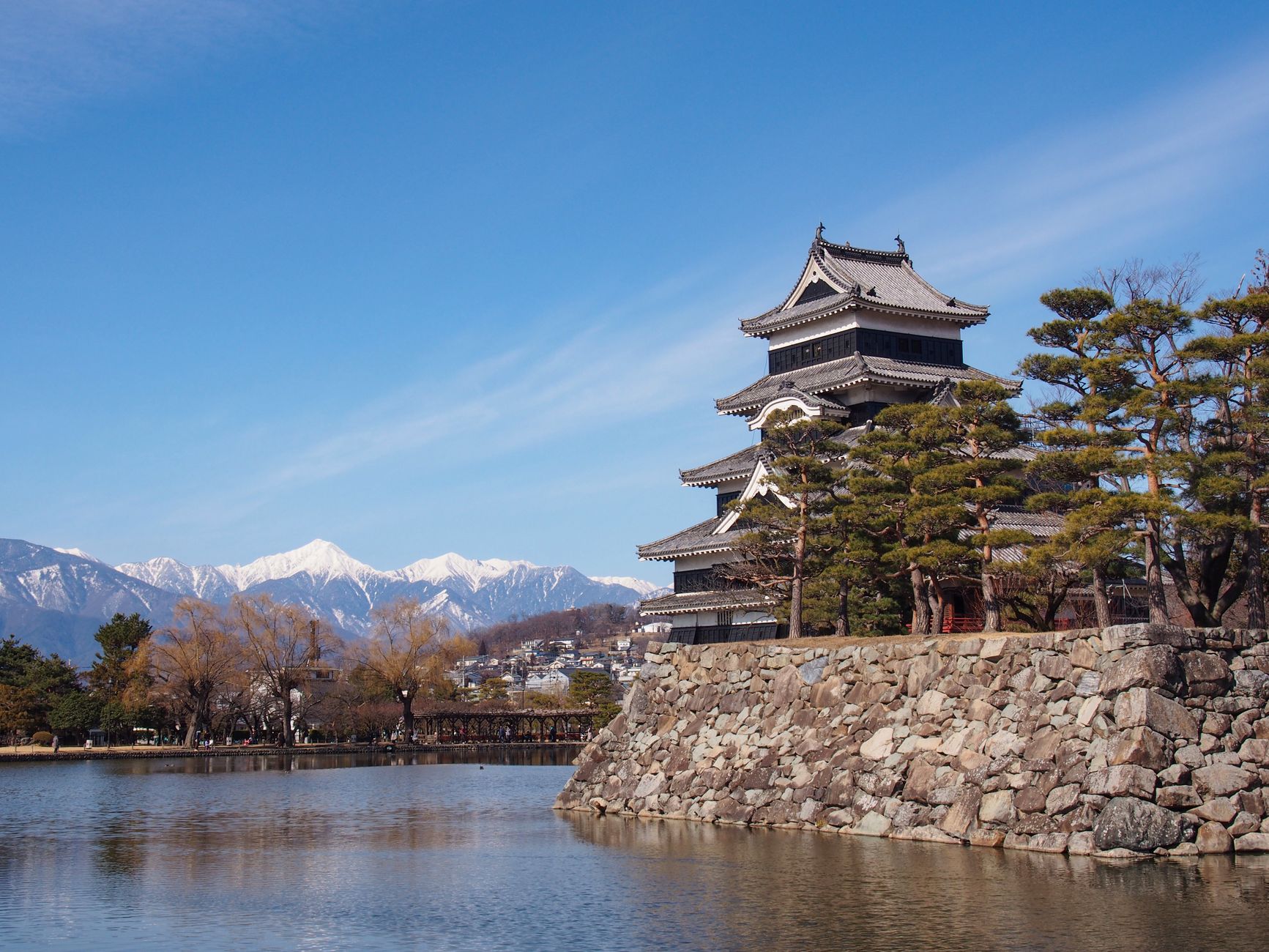
Matsumoto — your base for the Northern Alps. The black-and-white keep of Matsumoto Castle is one of the few original (not reconstructed) castles left in Japan, standing since the 1590s. Walkable old town, the Nakamachi merchant street, and — the local secret — five sake breweries you can walk between near the Metoba River.
Nagano (city) — the gateway for the snow monkeys, and home to Zenkō-ji, a 1,400-year-old temple that predates the split of Japanese Buddhism into sects, so everyone is welcome. Do the pitch-black "key to paradise" tunnel under the main hall.
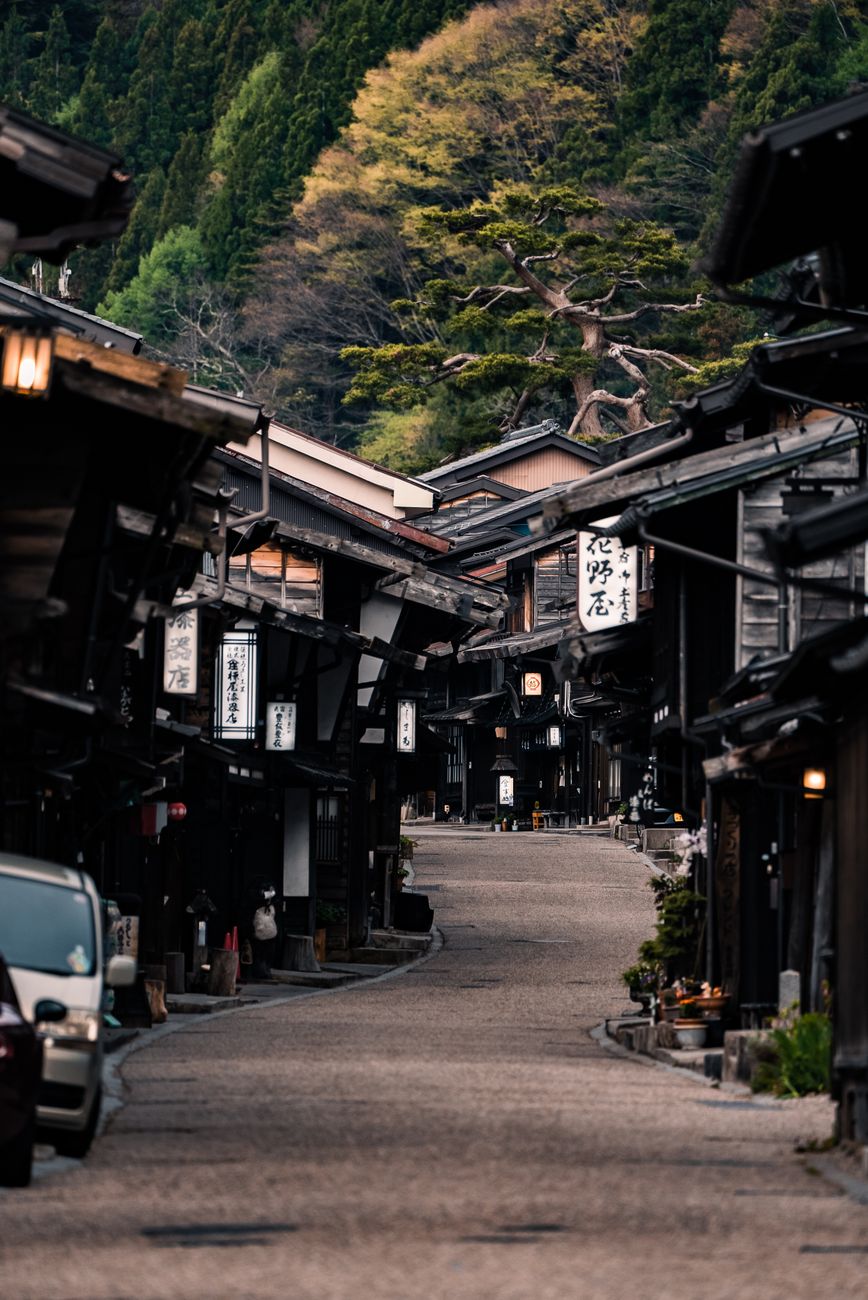
Tsumago — the best-preserved post town on the whole Nakasendō. Dark wooden buildings, latticed windows, power lines buried underground, no cars — a national preservation district since 1976. It empties of day-trippers by 4 PM; stay the night and you get it almost to yourself.
Magome — Tsumago's hillier twin. A stone-paved sloping street with water mills and views to the Kiso mountains. More cafés and souvenir shops than Tsumago, slightly more polished.
Narai — the quiet one. The only major Kiso Valley post town reachable by train without a bus transfer (~50 min from Matsumoto). Lacquerware combs, a long single street, a fraction of Tsumago's crowds.
Takayama & Shirakawa-gō — over the mountains in Gifu, but on the same Alps bus circuit. Takayama's Sanmachi old town and the thatched gasshō-zukuri farmhouses of Shirakawa-gō are a natural two-day add-on from Matsumoto via Hirayu Onsen.
For people who like moving without turning a holiday into a mountaineering trip.
The Northern Alps have serious 3,000-metre climbs, but most of what makes this region special is reachable on flat valley paths and old highways. You choose your gradient.
The mountains shaped the food: river fish, soba grown on cool highland slopes, miso, and fermented things you won't find anywhere else.
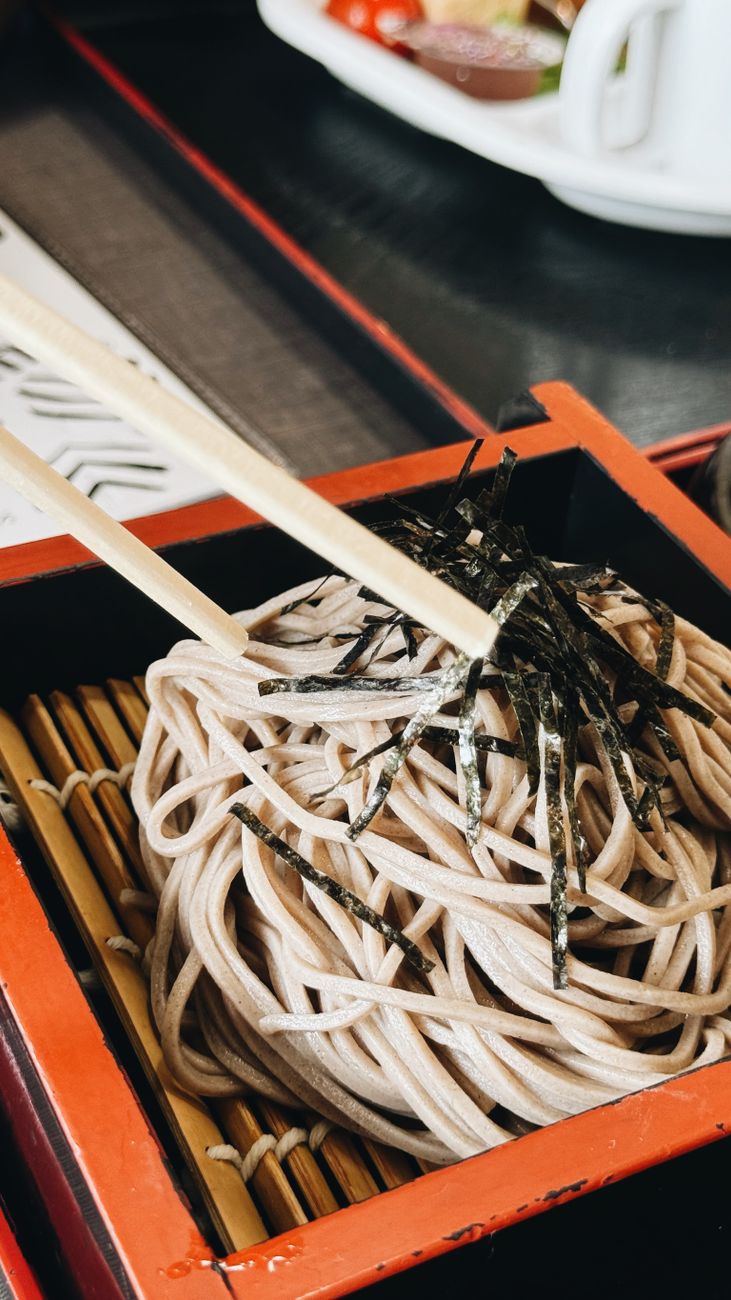
Shinshu soba — Nagano (old name: Shinshu) is Japan's soba heartland. Cold, hand-cut buckwheat noodles, dipped, not drowned. Eat it near the source in the Kiso Valley.
Sanzoku-yaki — "bandit's grilled chicken," a fist-sized slab of garlic-soy fried chicken. Matsumoto's answer to comfort food.
Hida beef — on the Takayama side, the local wagyu rival to Kobe. Grilled, or in a hōba-miso (leaf-grilled miso) set.
Oyaki — savoury stuffed buns (vegetable, sweet bean), the everyday Nagano snack.
Sunki — a Kiso oddity: pickles fermented with no salt at all, a technique seldom seen anywhere in the world.
On drink — this is sake country, not wine. Nagano has around 80 sake breweries, the second-highest count of any prefecture, and several Edo-era ones sit right on the Nakasendō. In the Kiso Valley alone there's Nakazen and Nanawarai in Fukushima-juku and Yukawa (founded 1650) in Yabuhara-juku. In Matsumoto, the breweries near the Metoba River are walkable between tastings; near Lake Suwa, the "five breweries" cluster does the same.
Late May to June — Kamikōchi green and uncrowded, alpine flowers out, comfortable hiking. The sweet spot of the year.
October — autumn colour in Kamikōchi and along the Nakasendō, peaking late October into early November. Book early: foliage week sells out the valley's handful of hotels months ahead.
January and February — snow-monkey season. The macaques bathe year-round, but the iconic snow-in-the-fur shot needs winter. Cold: the valley runs −5 to −15°C, so layer up and mind your camera battery.
July and August — green and warm, but humid and busy in the lowlands. Fine up in the high valley; sticky in Matsumoto. Note: a Nagano accommodation tax of ¥200 per person per night starts on stays in the Kamikōchi area from 1 June 2026.
Mid-November to mid-April — Kamikōchi is closed and inaccessible. Build the trip around the post towns, Matsumoto, and the snow monkeys instead.
Trains get you in; buses get you around. Reach Matsumoto from Shinjuku on the Azusa limited express (~3 hours), or Nagano from Tokyo on the shinkansen (~90 minutes). From there, the Alps itself is a bus region — that's the part most visitors don't expect.
The Alps circuit is buses: Matsumoto → Kamikōchi (reservation required both ways), Matsumoto → Takayama via Hirayu Onsen (~2.5 hours), and Takayama → Shirakawa-gō (~50 minutes). The Alps Wide Free Passport covers the whole loop for four consecutive days — worth it if you're doing more than one leg.
Snow monkeys: from Nagano Station, the Snow Monkey Pass bundles the bus and park entry — but it's not sold during October and November, so buy point-to-point in those months.
Nakasendō: trains to Nakatsugawa or Nagiso, then a short bus to the trailhead. The catch — the last buses from Tsumago to Nagiso Station leave at 15:30 and 16:30. Miss them and you're stranded; there are no taxis in Tsumago.
A rental car helps for the post towns and the Gifu side, but it's useless for Kamikōchi (you park and bus in regardless) and pointless in central Matsumoto.
Pick a base for what you're chasing. The region is spread out, so where you sleep shapes the trip.
Matsumoto — the practical base. Both trains and Alps buses run from here; dinner and sake in town every night.
Nagano (city) — base here if the snow monkeys and Zenkō-ji are your main focus.
Shibu or Yudanaka Onsen — traditional ryokan near the snow monkeys. Staying over lets you reach the park early, before the crowds — the single best reason to overnight.
Tsumago or Magome — sleep in a wooden post-town inn after the day-trippers leave. The reason to walk the Nakasendō slowly.
Inside Kamikōchi — a handful of hotels (the Imperial among them) that sell out months ahead for the late-April opening and the October foliage.
Takayama — the base for the Gifu side and Shirakawa-gō day trips.
Nagano isn't cheap-Japan, but it's well below Tokyo or Kyoto for what you get — the splurge here is a good ryokan with two meals, not the day-to-day. Kamikōchi's in-valley hotels are the one genuinely expensive corner.
Prices in 2026 yen. A ¥200/person/night accommodation tax applies to Kamikōchi-area stays from 1 June 2026.
Go if you want old, mountainous Japan in one loop you can do by bus — a 16th-century castle, Edo post towns with the power lines buried, a car-free alpine valley, and monkeys in a hot spring. Skip if you came for Mt. Fuji (wrong mountains), or you're here in deep winter expecting Kamikōchi (it's locked).
Found this useful? Share it.
Still planning?
We don't stop at "here's the country." Real places to stay, what to do, apps that matter, even how to find someone to travel with — plus guides for whatever vibe you're after, from beach days to wine country to slow weekends. All up top. Spin for somewhere new when you're done with this one.