This is your destination guide for North Macedonia.
This is your destination guide for Bitola & Pelister
📍 Part of North MacedoniaA fifth-century mosaic floor at the edge of town, a café street once full of consuls, and a mountain with two glacial eyes above it.

The reality: Two kilometres south of Bitola, in a field of broken columns, a church floor is still covered in mosaic: fruit trees, peacocks, a bull and a lion locked in a fight, a cheetah bringing down a gazelle. That's Heraclea Lyncestis, a city whose founding is credited to Philip II of Macedon in the 4th century BC. Most visitors to North Macedonia never get this far south.
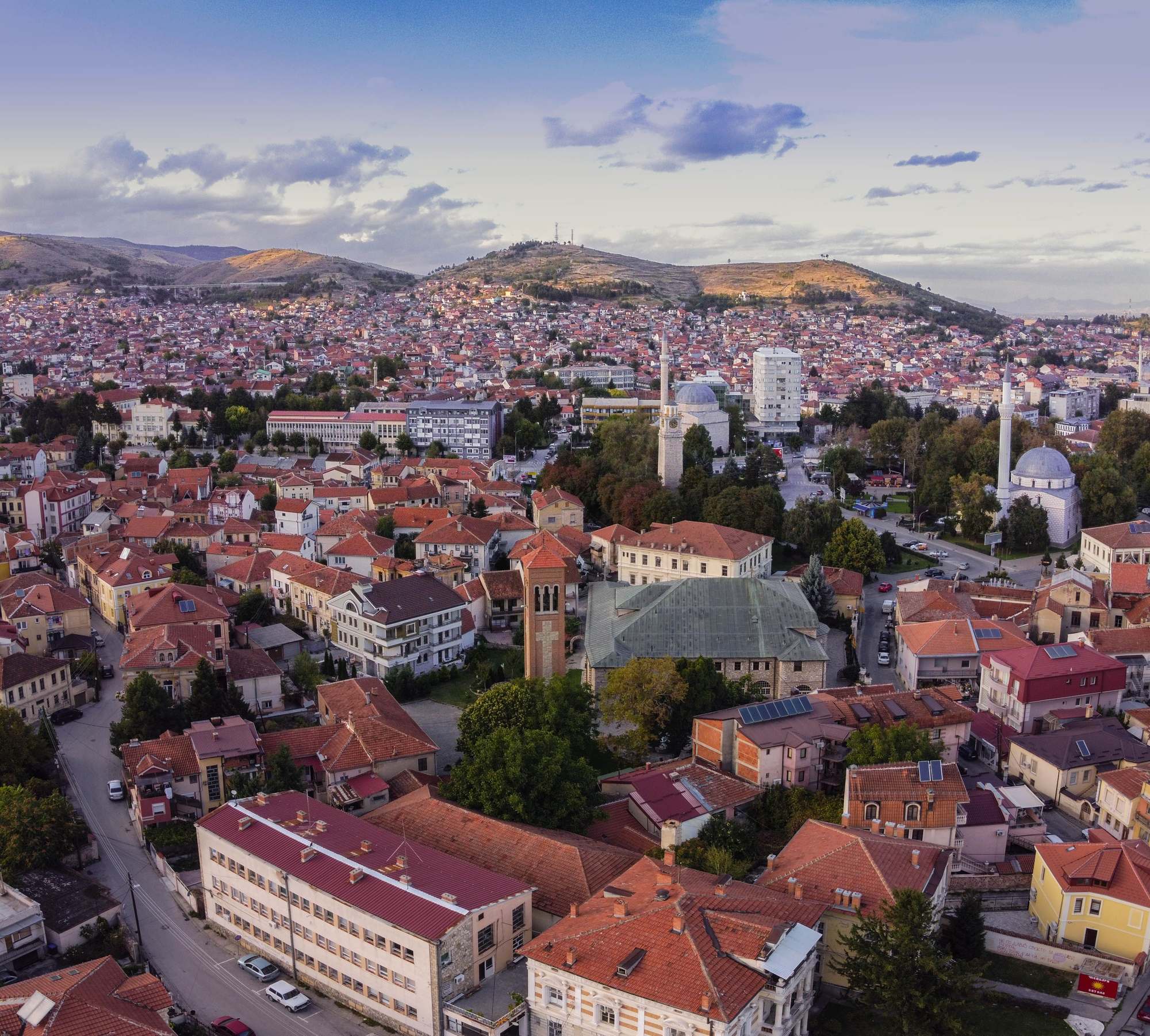
Bitola itself is the opposite of a ruin. In Ottoman times it was the diplomatic centre of the Balkans — the "city of consuls" — and its main street, Širok Sokak, is still where the whole town goes to sit, sip and be seen.
Above it all stands Pelister: a national park since 1948, a forest of rare Macedonian pine, and two glacial lakes the locals call the mountain's eyes. Spend a morning on Roman floors, the afternoon in the pines, and the evening back on Širok Sokak.
Bitola is a city you do on foot. Heraclea is a short ride south; the old town is one long street and a bazaar.
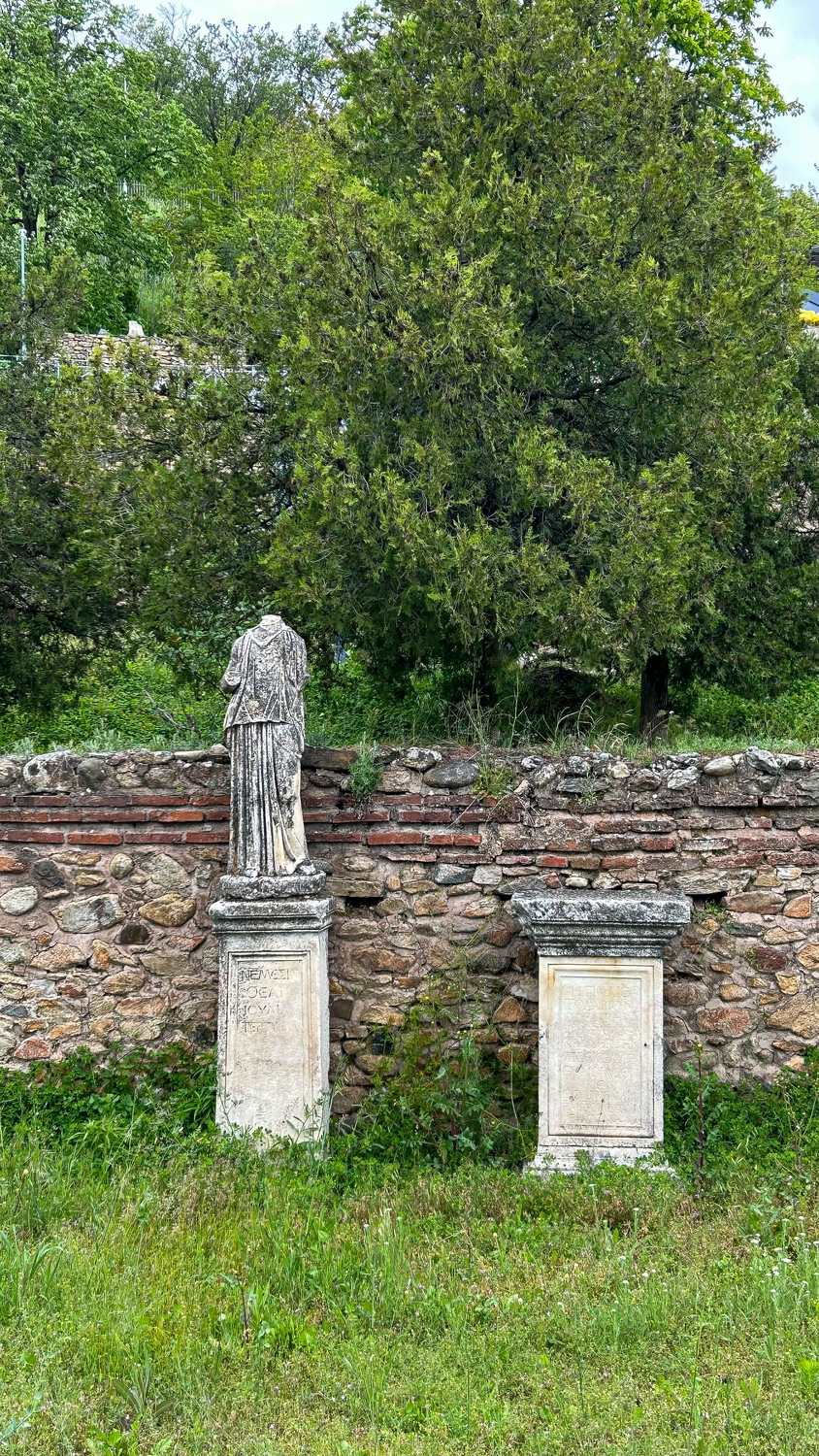
Heraclea Lyncestis — credited to Philip II of Macedon in the mid-4th century BC, it grew rich on the Via Egnatia, the Roman road across the Balkans. Later it became a bishop's seat. There's a Roman theatre from the 2nd century AD, baths and two early Christian basilicas.
The Great Basilica mosaic — the reason to come. The floor of its narthex measures 21.5 by 4.7 metres and was uncovered in 1964: trees with birds, a lion attacking a bull, a cheetah on a gazelle, and in the middle a medallion with a wine cup, peacocks and deer. The Bitola museum dates it to the 5th century. Give it time — it's the best floor in the country.
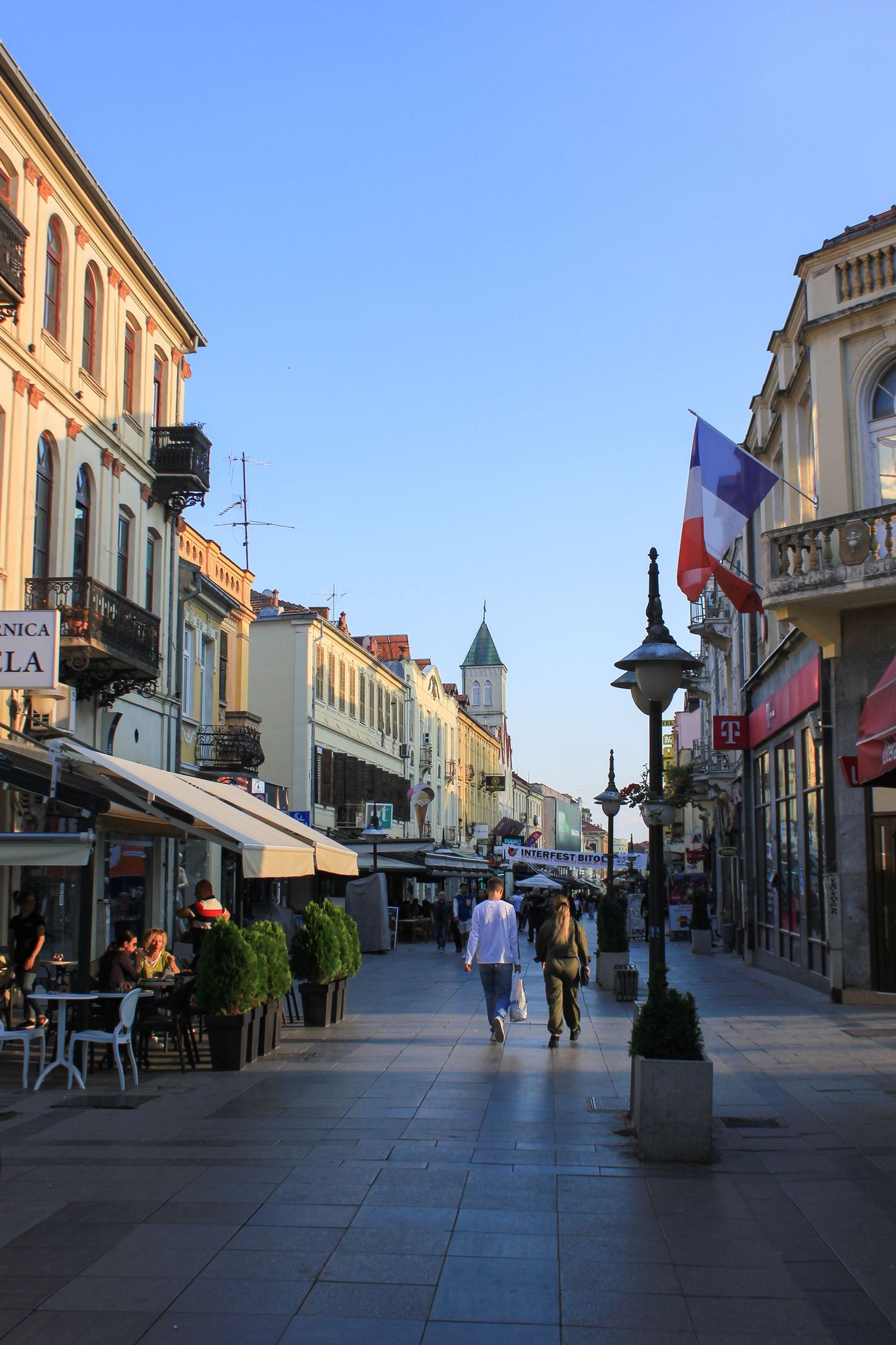
Širok Sokak — "Wide Street", the pedestrian spine of Bitola. Pastel facades, café tables end to end, and a town doing laps. Sit down; nobody will hurry you.
The old bazaar — Stara Čaršija once held more than a thousand craft workshops. Far fewer are left, but the lanes, the Ottoman clock tower and the 16th-century Yeni, Isak and Yahdar-Kadi mosques still give the Ottoman city its shape.
Museum of Bitola — in the old military barracks where a young Mustafa Kemal, later Atatürk, studied at the Ottoman military academy. Turkish visitors come for his memorial room; stay for the rest.
Pelister National Park rises right behind Bitola — Dihovo, on its eastern edge, is a ten-minute drive from town — and climbs to the 2,601-metre summit of the same name, the highest point of the Baba range. It was proclaimed on 30 November 1948.
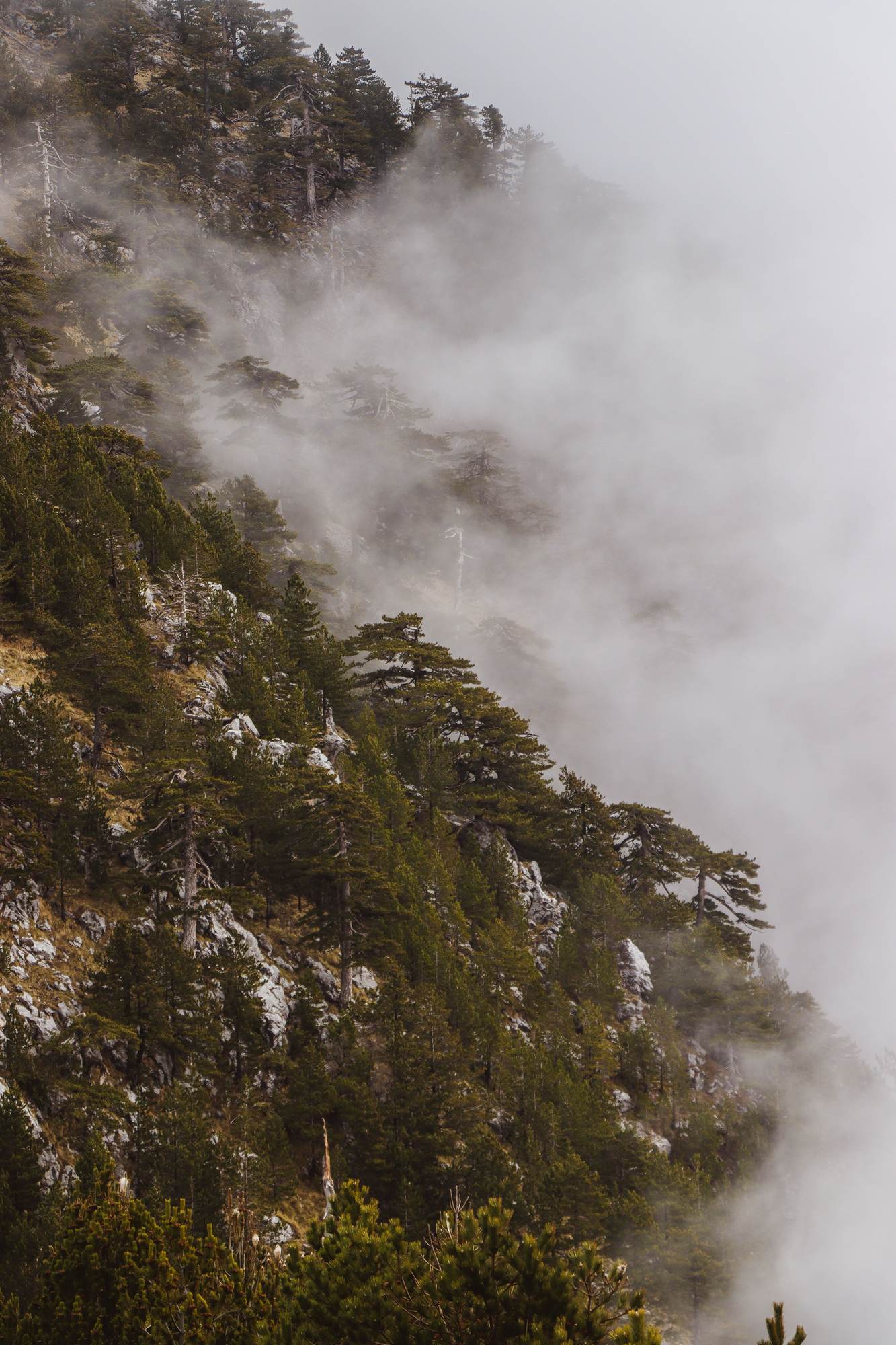
Molika — the Macedonian pine, Pinus peuce, a tree found only on a handful of Balkan mountains and left over from before the Ice Ages. Pelister has one of its most compact forests, with trees more than 200 years old. It's the park's best-known feature and the main reason it was protected.
Small things — the park lists two tiny moths found on Pelister and nowhere else. You'll need a very good eye. Wolves and bears live here too; you'll need a lot of luck.
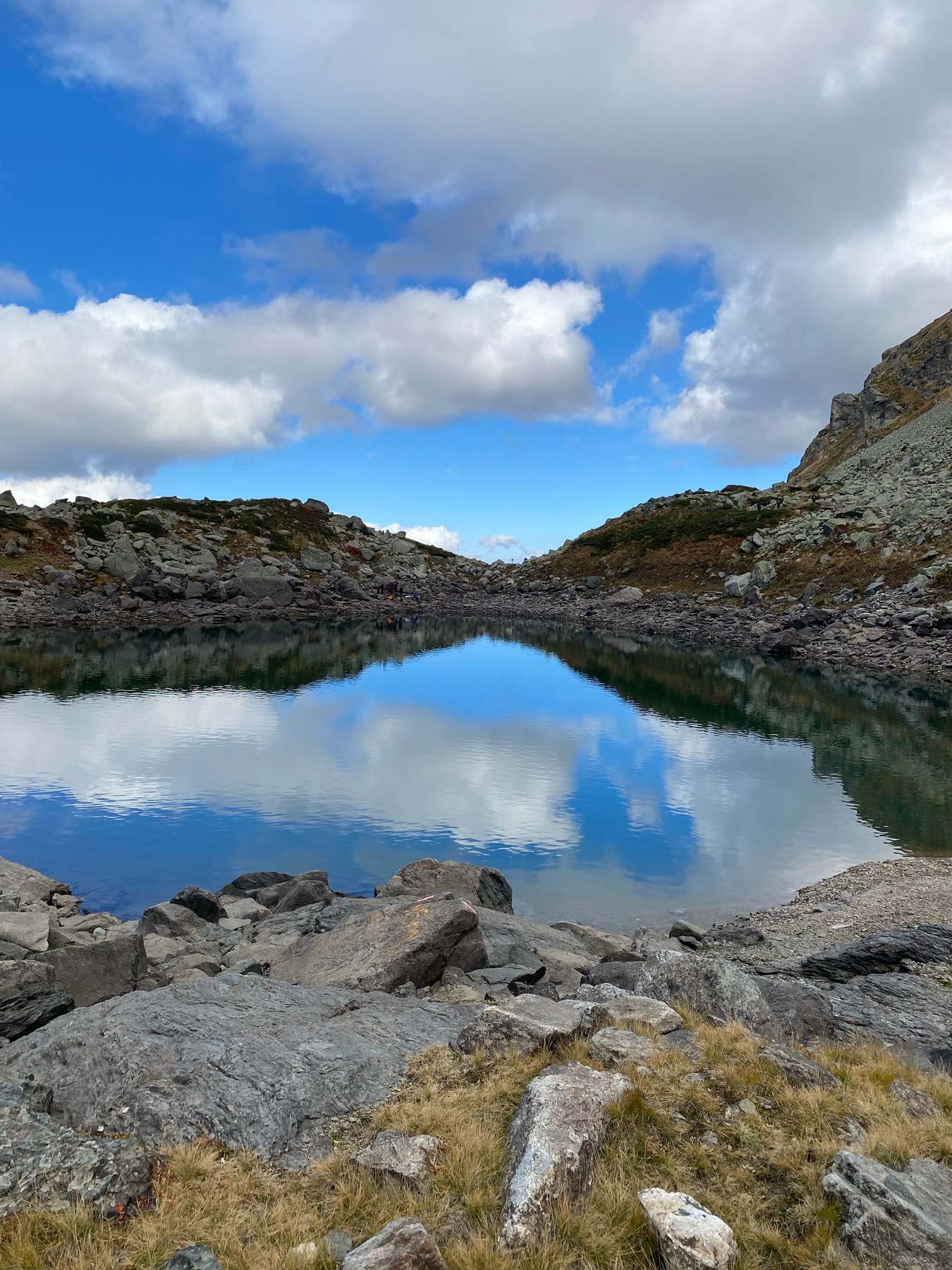
Pelister's Eyes — two glacial lakes below the summit. Big Lake sits at 2,218 metres, Small Lake at 2,180. You reach them on foot. Rock, cold water and the Pelagonia plain far below.
Malovište — the only village inside the park: stone houses and cobbled lanes on the mountainside.
Dihovo — 5–7 kilometres from Bitola, just outside the park boundary. The village where most people stay, with a church of St Demetrius from 1830 and guesthouses like Villa Dihovo, known for its own wine, rakija and beer.
A mountain that starts where the city stops.
Paths are there, but the upper slopes are bare and exposed. Download offline maps, carry water and turn back when cloud comes in.
Bitola eats like a market town on a fertile plain: beans, peppers, cheese and grilled meat, with coffee as the main social activity.
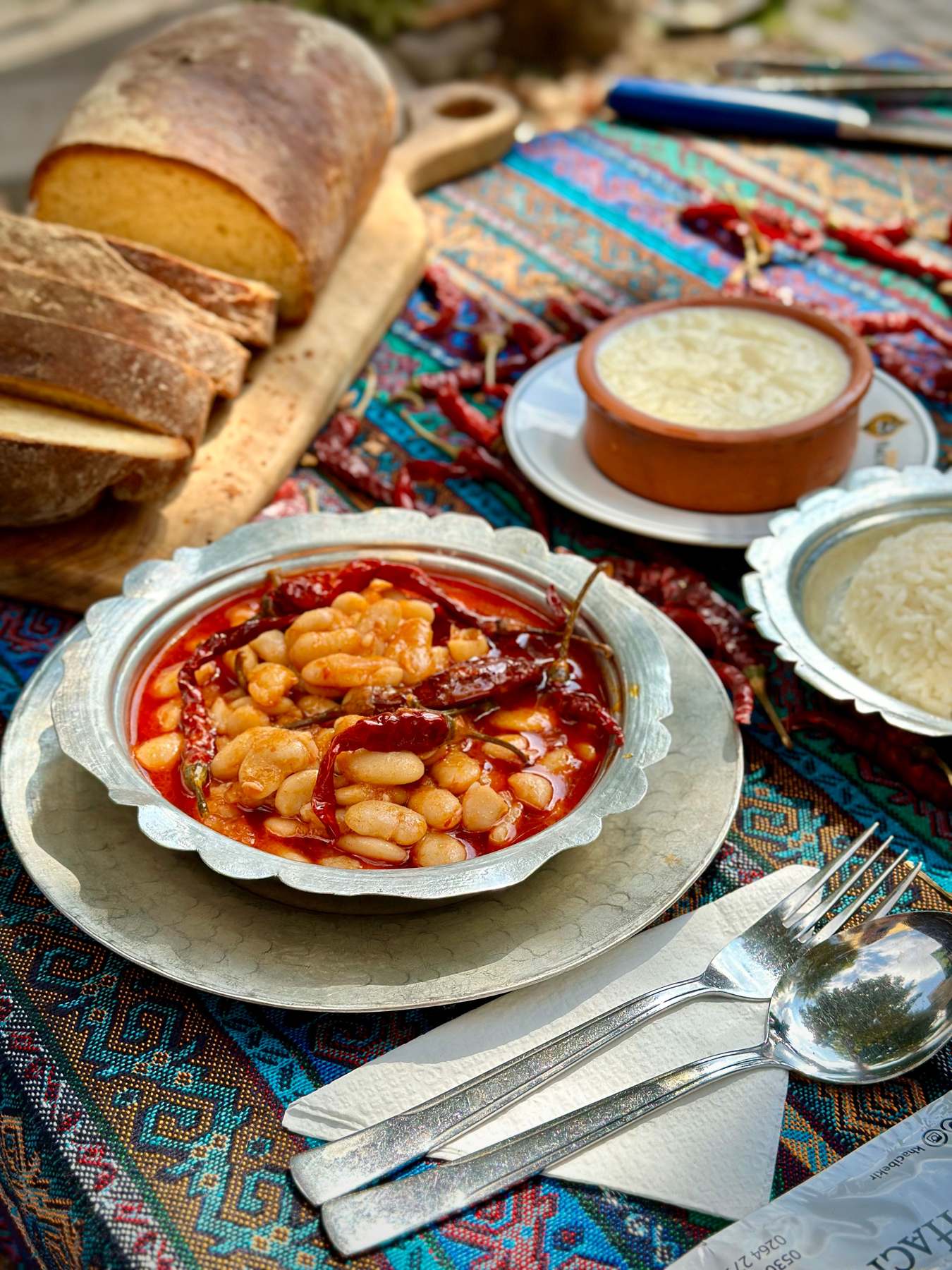
Tavče gravče — white beans baked in an earthenware pot with onion and red paprika. The national dish; order it everywhere and compare.
Ajvar — roasted red pepper relish. In autumn, families roast peppers over fire or in the oven and jar the relish for winter. If the air smells of roasted peppers, that's what's happening.
Homemade everything — in Dihovo, Villa Dihovo pours its own wine, rakija and even beer with dinner.
Where to eat: in Bitola, the restaurants and cafés on and around Širok Sokak and the bazaar. Up on the mountain, eat where you sleep — a village guesthouse dinner is the best meal in the area.
June to September — the lakes and summit are clear of snow and the village guesthouses are full of hikers. Start early on hot days.
September — Manaki festival week in Bitola, plus cooler hiking weather. Book a bed in the city early.
October — autumn colour on the mountain and ajvar season. High routes can get early snow.
Winter — snow on Pelister and quiet in Bitola. The high lakes are for experienced winter walkers only.
Drive. Bitola is in the far south of North Macedonia, about 14 kilometres from the Greek border crossing at Medžitlija. Ohrid is about an hour and a half west by bus, Skopje roughly 170 kilometres north. Both have airports.
In Bitola you walk. Heraclea is two kilometres south of the centre — a walk or a cheap taxi. A couple of trains a day and regular buses link Bitola with Skopje (about 3–4 hours); buses also run to Ohrid. Check current timetables.
Into the park — Dihovo is a ten-minute taxi ride from town; buses are few. For Hotel Molika, Kopanki and Malovište you'll want a car or a lift from your guesthouse.
Compare rental cars →Sleep in the city for the evenings, or on the mountain for the mornings. The best plan does both.
Central Bitola — hotels and apartments within a few minutes of Širok Sokak. Easy for Heraclea and the bazaar.
Dihovo — village guesthouses at the foot of the park, ten minutes from town. Home cooking and a trail outside the door.
Malovište — fewer beds, more silence, inside the park itself.
North Macedonia is one of Europe's cheaper countries, and Bitola is a city priced for the people who live in it, not a resort.
Approximate prices in Macedonian denars, based on Numbeo's figures for Bitola (last updated 22 May 2025).
Go if you want Roman mosaics, a café street and a glacial lake in one short trip. Skip if you need a beach, a lift to the top or a trail with a signpost at every fork.
Found this useful? Share it.
One new way to travel. Every Thursday.
Not deals or destinations — methods. House sitting, night trains, repositioning cruises, and what each one really costs.
Ever thought of travelling this way?
Campervan Relocations
Rental companies need their vans driven back. Four berths, a kitchen and a shower for about a euro a night — and a country you would never have picked.
Read article →Work Exchange
A few hours a day at a hostel, a guesthouse or a family home, and the bed is yours — in a town with a metro at the end of the street. Our son did it in South America and stayed ten years.
Read article →Caretaking
House sitting’s long version: a lodge, an estate or a ranch that needs someone for a whole season, and sometimes pays for it. The job is the place, not the cat.
Read article →👇 Tap one, or just type