
Sport & Fitness Micronesia
Your complete guide to technical diving, freediving, outrigger paddling, and ocean fitness
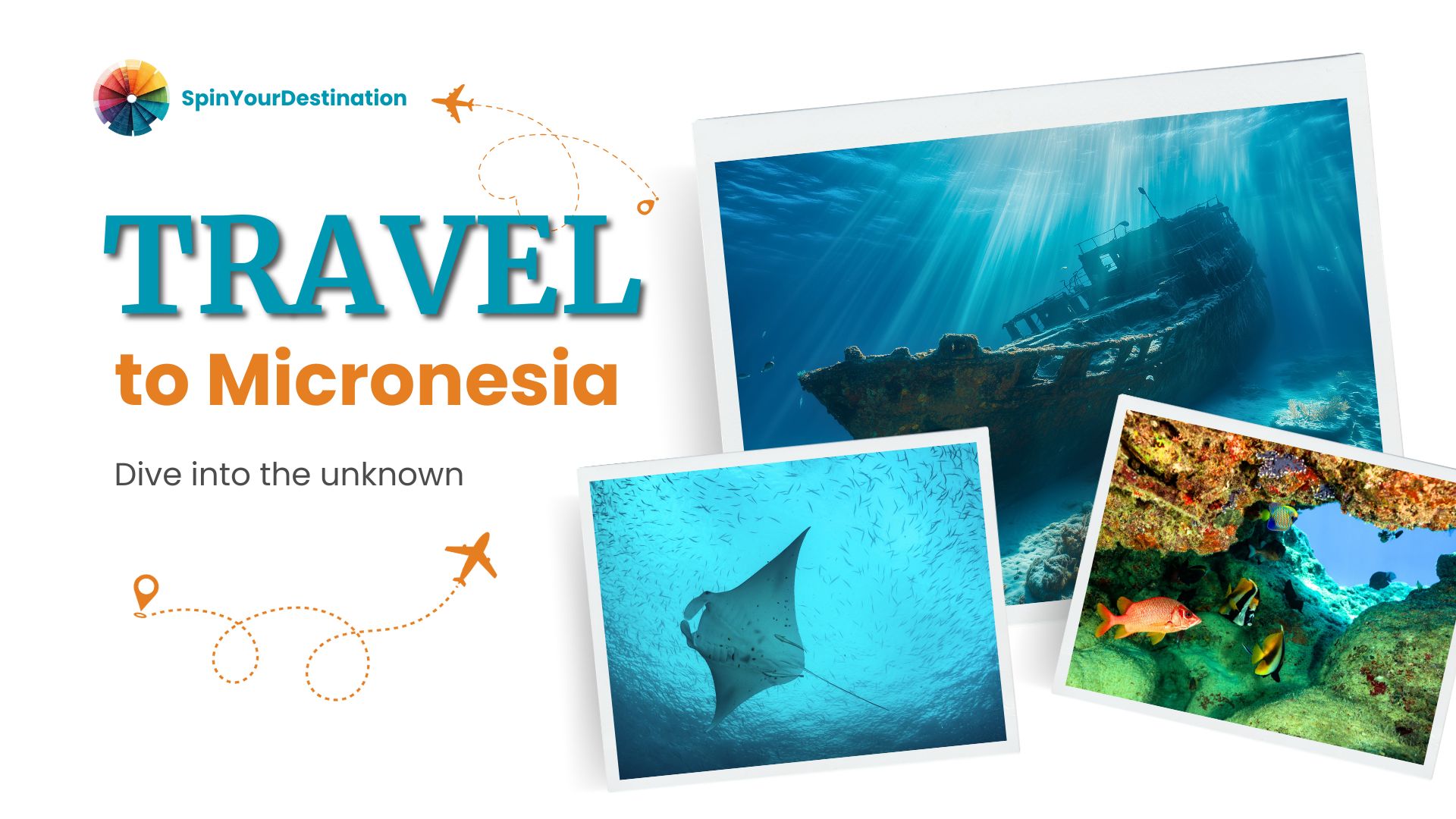
Forty metres. You check your computer—nitrogen loading rising, bottom time calculated to the minute. Ahead in the dark, the hold of the Nippo Maru. Tanks, artillery shells, still in perfect order after eighty years. This is technical diving: the disciplined application of advanced skills to access environments that recreational diving cannot reach. Chuuk Lagoon is one of the world’s definitive technical diving destinations.
But Micronesia’s sport and fitness appeal extends well beyond technical diving. Freediving—breath-hold diving without equipment—reaches extraordinary depths in the clear warm water of Yap’s channels. Outrigger canoe paddling is a living sport across all four states. Trail running on Pohnpei’s highland paths produces elevations and jungle conditions that serious runners find genuinely challenging.
The fitness premise here is simple: Micronesia’s natural environment provides a training ground unlike any gym. The ocean is your pool, your track, and your course. The terrain is steep, warm, and demanding. Come fit, come prepared, and you will be rewarded with athletic experiences that are difficult to replicate anywhere else on earth.
Technical diving—Chuuk’s deep wrecks
The Nippo Maru at 40m. The Rio de Janeiro Maru at 40m. The Gosei Maru at 30–40m. The Unkai Maru at 37m. Chuuk’s deepest and most spectacular wrecks sit at depths that require advanced or technical certification—and reward the investment with cargo holds full of WWII equipment frozen in time.
Technical diving in Chuuk means double tanks (typically 12-litre doubles), decompression stops, and careful gas management. PADI Deep Diver, TDI Intro to Tech, or full technical certifications open these wrecks fully. Courses are available from Chuuk operators for divers seeking to advance while on location.
Penetration diving—entering the interior of wrecks through passageways, holds, and cabins—is available at most Chuuk wrecks for divers with overhead environment training. The Fujikawa Maru’s engine room, the San Francisco Maru’s gun mount, the Shinkoku Maru’s operating room (equipment still in place) are accessible only with penetration training and proper equipment.
Blue Lagoon Resort and Truk Stop are the main operators supporting technical diving in Chuuk. Nitrox is available from most operators. Trimix for deeper dives requires advance arrangement. Bring your own computers and redundant lights—rental equipment quality varies.
Safety: the nearest recompression chamber is in Guam. DAN dive insurance is mandatory. Dive within your certification. The wrecks are extraordinary—they will still be there on the next trip, at the depth you are qualified to reach.
Freediving—breath-hold diving in Yap and Kosrae
Freediving in Yap’s manta channels offers close encounters with mantas and sharks without the bubble noise of scuba equipment. Mantas are noticeably calmer around freedivers—the absence of exhaust bubbles reduces the disturbance. A competent freediver at 10–15m can observe manta cleaning stations for extended periods without interrupting the animals.
Yap’s visibility in the channels averages 20–30m. Water temperature is 28–30°C. The drift is gentle enough for freediving without fins for experienced breath-hold swimmers. For those new to freediving, basic freediver courses (AIDA 1 or PADI Freediver) can be arranged through Manta Ray Bay Hotel & Yap Divers.
Kosrae’s house reef at Kosrae Village Resort is an excellent freediving environment—calm, warm, clear, and rich with marine life at 5–15m depth. Sea turtles are frequent and approachable by careful freedivers. The resort can facilitate freediving sessions for independent freedivers.
Open water freediving near Pohnpei’s Ant Atoll, in the passages between the atoll ring and the outer reef, is suited to experienced freedivers: strong drift currents possible, but extraordinary marine life density in the channel.
Safety: never freedive alone, regardless of experience level. Static apnea and dynamic apnea training before an ocean freediving trip significantly improves both safety and enjoyment. Courses available online (AIDA) before travel.
Outrigger paddling—Micronesia’s traditional sport
The outrigger canoe is the fundamental vehicle of Micronesian culture. The same hull design that carried navigators across thousands of kilometres of open ocean now races in competitions across the four states. Outrigger paddling in FSM is competitive, communal, and entirely genuine—not a tourism product.
On Pohnpei, outrigger canoe racing is a community sport that visitors can observe and, with invitation, sometimes join for training sessions. Ask at the Kolonia waterfront or through your accommodation. The local paddling community is generally welcoming of serious interest.
Stand-up paddleboarding (SUP) in the protected lagoons of Pohnpei and Kosrae is accessible and suitable as a fitness activity. The calm, clear lagoon water of Pohnpei between Kolonia and the outer reef offers excellent flat-water paddling. SUP boards are available for rent at some resorts.
The outer atolls of Yap State maintain traditional sailing canoe building and racing. If visiting Ulithi or other outer atolls, traditional canoe demonstrations may be arranged through local community leaders.
Paddling in Micronesia’s warm, clear water—whether outrigger or SUP—is a physical activity with extraordinary surroundings. The effort required is real; the reward, in terms of access to undisturbed water, is unique.
Trail running, ocean swimming, and conditioning
Pohnpei’s highland trails offer serious trail running: steep gradients, jungle terrain, river crossings, and warm humid conditions that challenge cardio capacity significantly above what flat road running produces. The Sokehs Ridge trail (200m elevation gain) is a short but demanding interval. The cloud forest trails beyond Kolonia offer longer sustained climbing.
Trail running on Pohnpei requires a guide for all but the most straightforward marked paths—the jungle is dense, trails unsigned, and conditions after rain are genuinely treacherous. Run early morning before heat builds. Carry 1.5–2 litres of water for anything over an hour. Expect to get muddy.
Ocean swimming in Micronesia’s lagoons offers excellent open-water training. The lagoon between Kolonia and Sokehs Island on Pohnpei is suitable for distance swims: calm, warm, clear water. Aim for the morning before wind builds. A safety kayak alongside is advisable for distance swims in any ocean environment.
Kosrae’s Lelu Harbour offers protected flat-water swimming year-round. The circuit around Lelu island is approximately 5 kilometres by kayak—a solid half-day paddling workout with historical interest at every point.
Underwater photography—a physical sport when combined with extended dives and heavy camera equipment—reaches its peak challenge in Chuuk’s low-visibility penetration dives, where buoyancy control, equipment management, and physical precision are all required simultaneously.
🌟 Top Sport & Fitness Experiences
🤯 Technical wreck diving — Chuuk deep wrecks
Access Chuuk’s 35–40m wrecks with double tanks and decompression planning. Nippo Maru, Rio de Janeiro Maru, Unkai Maru. PADI Advanced or technical certification required. Courses available from Blue Lagoon Resort and Truk Stop. DAN insurance mandatory. The defining technical diving experience in the Pacific. More info →
🧛 Freediving with mantas — Yap
Breath-hold diving in Mil Channel for manta encounters without scuba noise. Visibility 20–30m, water 28–30°C. AIDA/PADI Freediver certification recommended. Courses available through Manta Ray Bay Hotel & Yap Divers. Mantas are calmer around freedivers than scuba divers. A uniquely intimate encounter. More info →
🚣 Outrigger canoe training — Pohnpei
Join a local outrigger paddling session on the Kolonia waterfront. Ask at the harbour or through your accommodation for an introduction to local paddlers. Traditional sport in its home culture. Physical, social, and deeply connected to Micronesian identity. Informal arrangements; go early morning when training sessions happen. More info →
🏃 Trail running — Pohnpei highlands
Steep jungle trails with 200–400m elevation gain. Sokehs Ridge is the benchmark: 1.5–2hrs each way, demanding in heat and humidity. Guide essential. Start 6am before heat builds. Carry 2 litres of water. Expect river crossings and deep mud. Serious cardio in extraordinary surroundings. USD 50–80 for a local guide. More info →
🚶 Ocean swimming — Pohnpei lagoon
Open-water distance swimming in the protected lagoon between Kolonia and Sokehs Island. Calm, warm, 28–30°C water. Best early morning before wind. A safety kayak alongside is advisable for distance swims. The lagoon is exceptionally clear—swimming above reef fish and occasional turtles visible below. A training swim unlike any pool. More info →
📷 Underwater photography — Chuuk wreck interiors
Penetration wreck photography in Chuuk requires advanced buoyancy, redundant lighting, and precise movement. Fujikawa Maru engine room and Shinkoku Maru operating room are among the most photographed overhead environments in the world. Join a guided penetration session with a Chuuk operator. Wide-angle lens essential. Physical and technical challenge at the highest level. More info →
💡 Insider Tips
- 🤯 Serious wreck divers should budget 10–14 days in Chuuk, not the typical 7-day package. The 50+ diveable wrecks cannot be adequately covered in a week. Return visits are the norm among Chuuk regulars—most operators offer loyalty rates.
- 🧛 For freediving, book a 2-day AIDA Freediver course before attempting Yap’s channels if you’re new to breath-hold. The course teaches equalization, safety procedures, and breath control—all of which significantly improve both safety and enjoyment in the open ocean.
- 🏃 Pohnpei’s trails become extremely slippery after rain. Gaiters or waterproof trail shoes with aggressive grip are more useful here than any other piece of hiking equipment you can bring. Lightweight trail runners that drain quickly are better than heavier waterproof boots that stay wet.
- 💪 Dehydration accelerates rapidly in FSM’s heat and humidity during any physical activity. Electrolyte supplements (not just water) are worth carrying for activities over 90 minutes. Coconut water, available fresh on most islands, is an excellent natural electrolyte source.
- 📷 For underwater photography in Chuuk, bring more than one set of batteries for strobes. Chuuk dive days are long—4–6 dives daily, including potential night dives. Running out of strobe power on dive 4 of 6 on the Nippo Maru is a frustrating outcome entirely preventable by packing spare batteries.