

Brazil Drink Guide
From the Italian hills of Serra Gaúcha to the sugarcane stills of Paraty, the specialty roasters of São Paulo and the gaucho cuias of the Pampa — Brazil drinks bigger, broader and stranger than any country in South America.
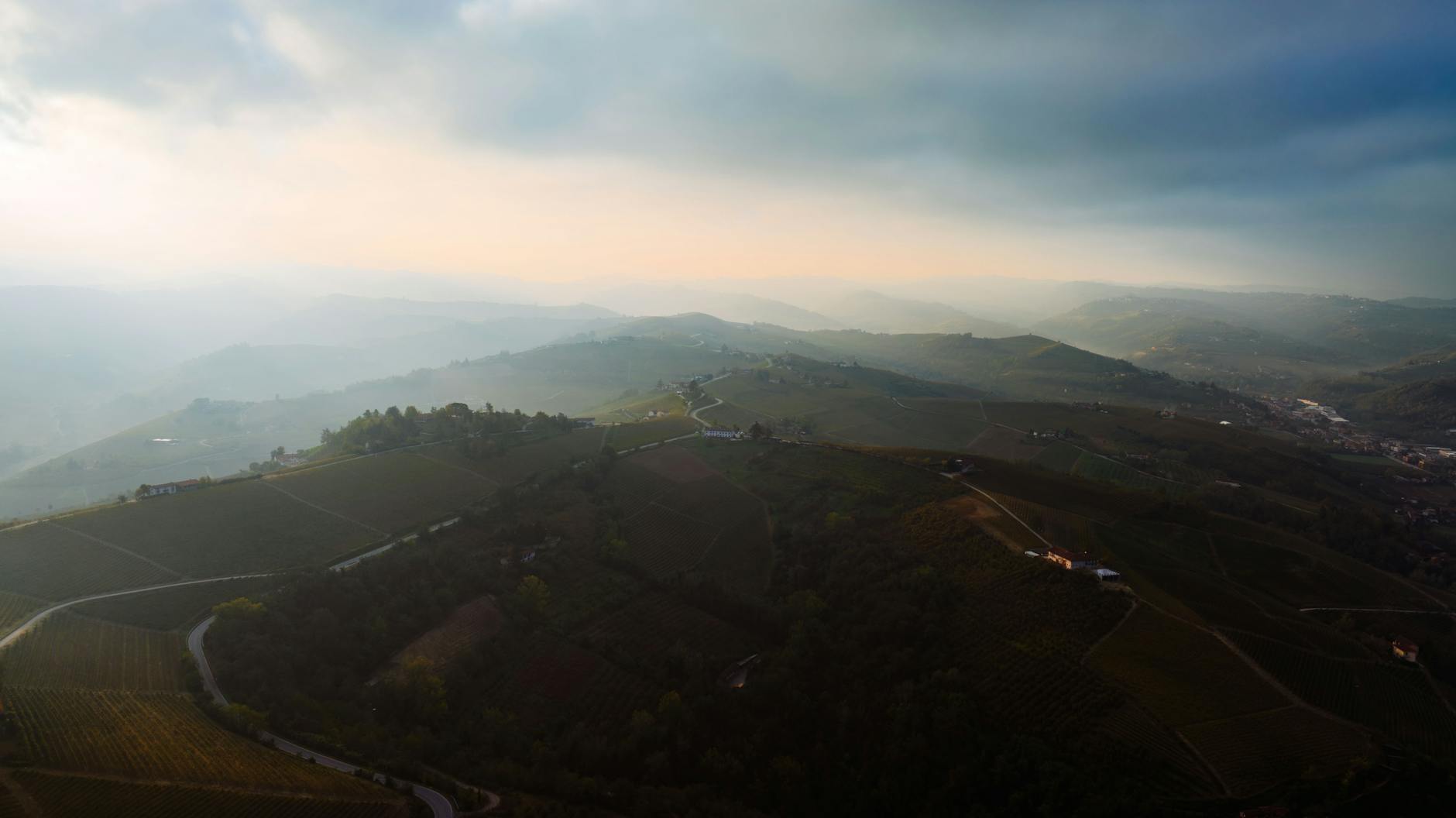
Drive an hour north from Porto Alegre and the road tilts upward into the Serra Gaúcha — rolling green hills, stone houses, vineyards in neat rows, and signs in dialect Italian that haven’t changed since 1875. This is where Brazilian wine was born, where five generations of Venetian and Trentino families still make wine on the same land their great-great-grandfathers cleared by hand, and where the country now produces some of the southern hemisphere’s finest sparkling wine.
But Brazil’s drinks identity runs far wider than wine. In Paraty, copper stills have been turning sugarcane juice into cahaça since the 1600s — the country’s national spirit, distilled the same way for four hundred years. In Minas Gerais, the town of Salinas calls itself the cachaça capital of the world. In Curitiba and Blumenau, a craft beer scene built on German tradition keeps winning international medals. São Paulo roasts some of the most respected specialty coffee on the planet. And down south, the gauchos still pass a cuia of chimarrão from hand to hand — a hot, bitter, deeply social ritual that ties Brazil to Argentina and Uruguay.
This guide picks out the places that are worth going to in person — from the cathedral-scale cellars of Casa Valduga and Miolo to the smallest organic alambique above Paraty bay, the underground brew school in Curitiba, and the gaucho ervateiras of the southern highlands.
This guide contains information about alcoholic beverages and is intended for adults of legal drinking age in their country.
Wine — Still Reds Below, Sparkling Above
Italian immigrants brought the vines in 1875. A century and a half later, Brazil makes serious Merlot in the Vale dos Vinhedos and traditional-method sparkling in the high-altitude vineyards of Pinto Bandeira — the world’s southernmost classic espumante region.
Vale dos Vinhedos — The Still-Wine Heartland
Tucked into the Serra Gaúcha between Bento Gonçalves, Garibaldi and Monte Belo do Sul, the Vale dos Vinhedos became Brazil’s first official Denominação de Origem in 2012. Hundreds of small to medium wineries run by Italian-descendant families produce the country’s most celebrated red and white wines — with old-vine Merlot at the heart of the identity. The road is winding, the welcome is warm, and the cantinas open with one bell.
Key varieties: Merlot · Cabernet Sauvignon · Chardonnay · Tannat · Pinot Noir · Moscato
Casa Valduga
Vale dos Vinhedos, Bento Gonçalves
The pioneer of Brazilian enotourism and the most decorated Brazilian winery overall. The Valduga family arrived from Trentino in 1875 and is now in its fifth generation on the same land. The still wines — particularly the Vale dos Vinhedos DO Merlot and the Storia Cabernet Franc/Petit Verdot blends — sit at the heart of what they do, alongside an extensive traditional-method sparkling programme. The estate offers a tier of experiences from classic vineyard-and-cellar tour to a guided tasting course, with a vineyard restaurant on site. Recently ranked the only Brazilian winery on a world’s-top-100 list, and a regular medal-winner at the Merano Wine Festival.
⏱ Daily tours · 🍷 Multiple tasting tiers, vineyard restaurant on site · 📍 Vale dos Vinhedos, Bento Gonçalves · English-speaking sommelier
Visit Casa Valduga →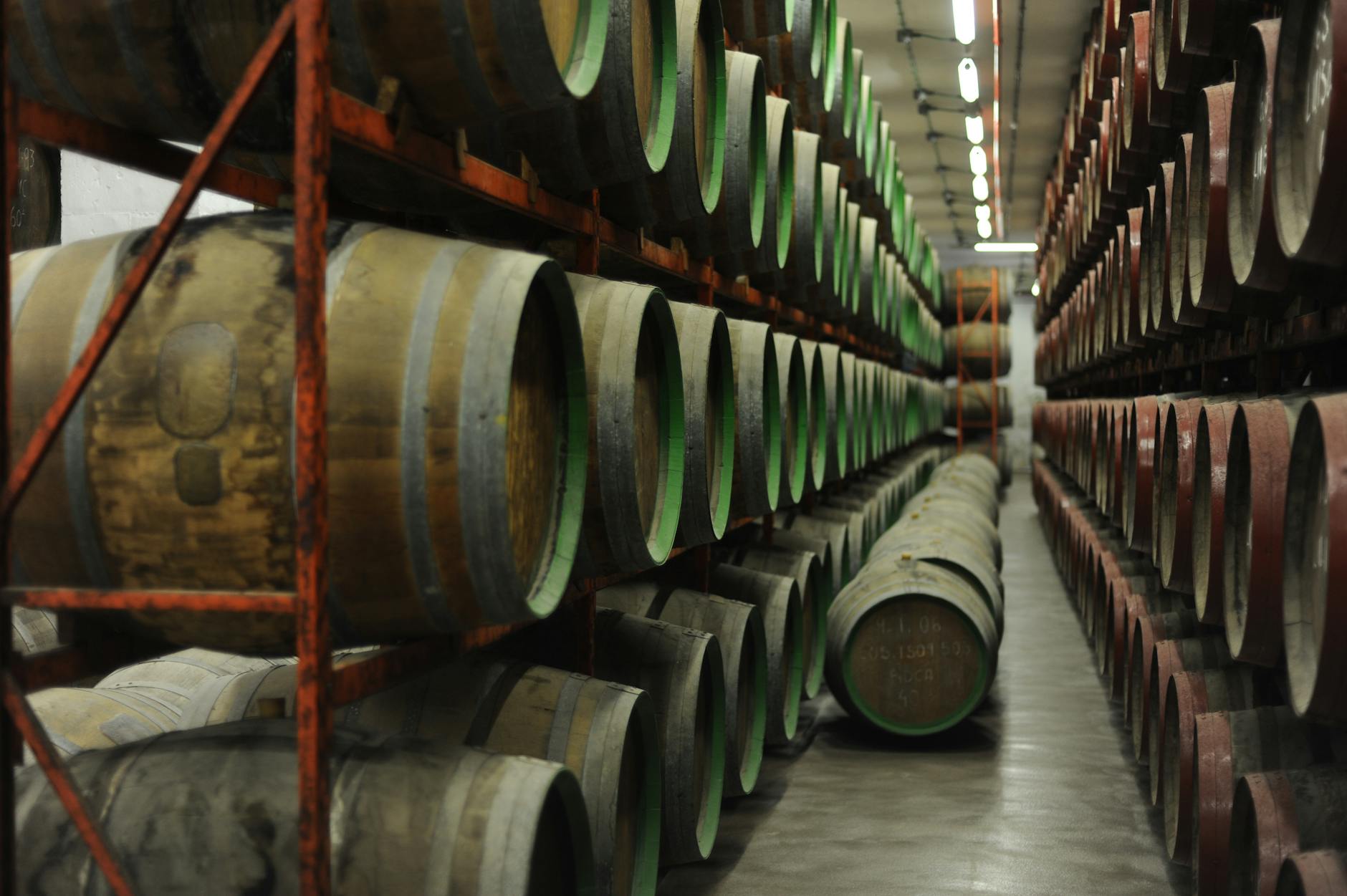
Vinícola Miolo
Vale dos Vinhedos, Bento Gonçalves
Brazil’s biggest fine-wine producer and the country’s most internationally recognised name. Founded by Giuseppe Miolo, who arrived from northern Italy in 1897, the group now runs five wineries across four Brazilian terroirs — including Vale dos Vinhedos, the Campanha border with Uruguay, and the tropical Vale do São Francisco, where they harvest twice a year. The Bento Gonçalves complex is the easiest place to start: nine different tasting environments, an underground barrel cave, and the Torre Miolo lookout over the vineyards.
⏱ Reservation recommended · 🍷 Nine tasting environments · 📍 RS 444 Km 21, Vale dos Vinhedos, Bento Gonçalves · English available
Visit Vinícola Miolo →
Vinícola Pizzato
Vale dos Vinhedos, Bento Gonçalves
A boutique family estate that has quietly become the winery with the most Denominação de Origem-labelled bottlings in the Vale dos Vinhedos. The Pizzato family grew grapes for other wineries since the 1890s before launching their own labels in 1999 — and their old-vine Merlot is regularly held up as the best in Brazil. Architecturally striking visitor centre, a tasting room overlooking the vines, and a paired tasting with Serra Gaúcha charcuterie and regional cheeses.
⏱ Daily 09:30–17:30 · 🍷 Paired tastings with regional cheese & charcuterie · 📍 Via dos Parreirais, Santa Lúcia, Bento Gonçalves · Booking required for guided sessions
Visit Vinícola Pizzato →Pinto Bandeira & Garibaldi — Brazil’s Sparkling Wine DO
If Brazil has a wine category that genuinely competes with Europe, it’s espumante. Just over the ridge from Vale dos Vinhedos, the high-altitude vineyards of Pinto Bandeira (800 m) hold Brazil’s only Denominação de Origem dedicated specifically to sparkling wine (Altos de Pinto Bandeira, 2021) — cool nights, long ripening, ideal acidity for Chardonnay and Pinot Noir. Cave Geisse, Salton and Chandon do Brasil all sit within a forty-minute drive of each other, and together they account for most of the country’s top traditional-method bottles.
Key varieties: Chardonnay · Pinot Noir · Riesling Itálico · Glera (for Prosecco-style Charmat) · Moscato
Cave Geisse
Pinto Bandeira, Serra Gaúcha
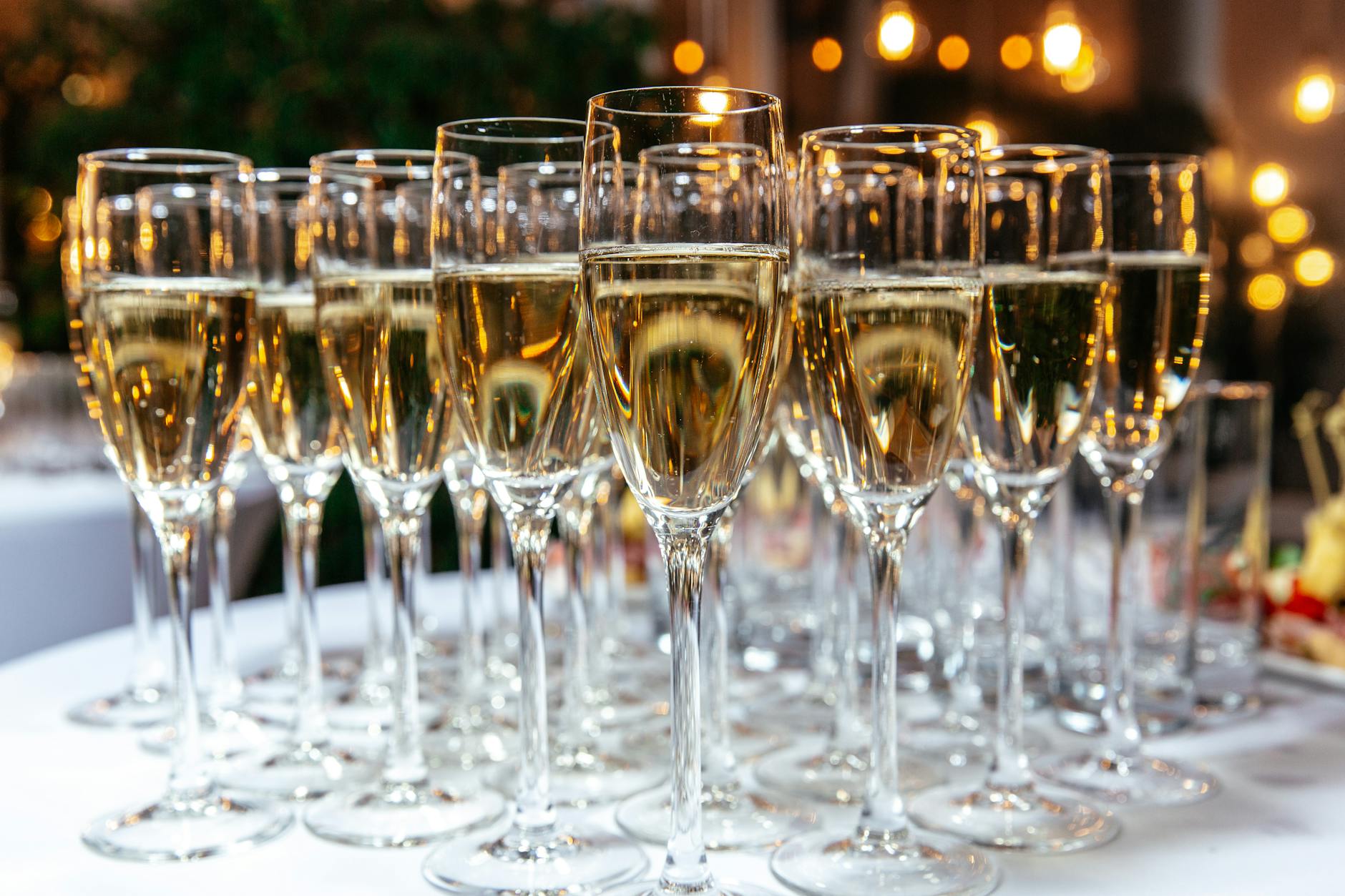
Brazil’s most respected sparkling-wine specialist. Founded in 1979 by Chilean agronomist Mario Geisse, who first came to Brazil to run Moët & Chandon’s operations and then identified Pinto Bandeira’s 800-metre terroir as ideal for sparkling. The estate works exclusively in the traditional method (second fermentation in bottle, like Champagne) and is the founding voice behind Brazil’s only sparkling-wine-specific Denominação de Origem. Internationally praised by Jancis Robinson; consistently rated the best espumante producer in South America. The Cave Geisse Brut and the long-aged Terroir Nature are the bottles that put Brazilian sparkling on the world map.
⏱ Visits by appointment · 🍷 Traditional-method tasting & cellar tour · 📍 Linha Jansen, Pinto Bandeira, RS · Portuguese, Spanish, English
Visit Cave Geisse →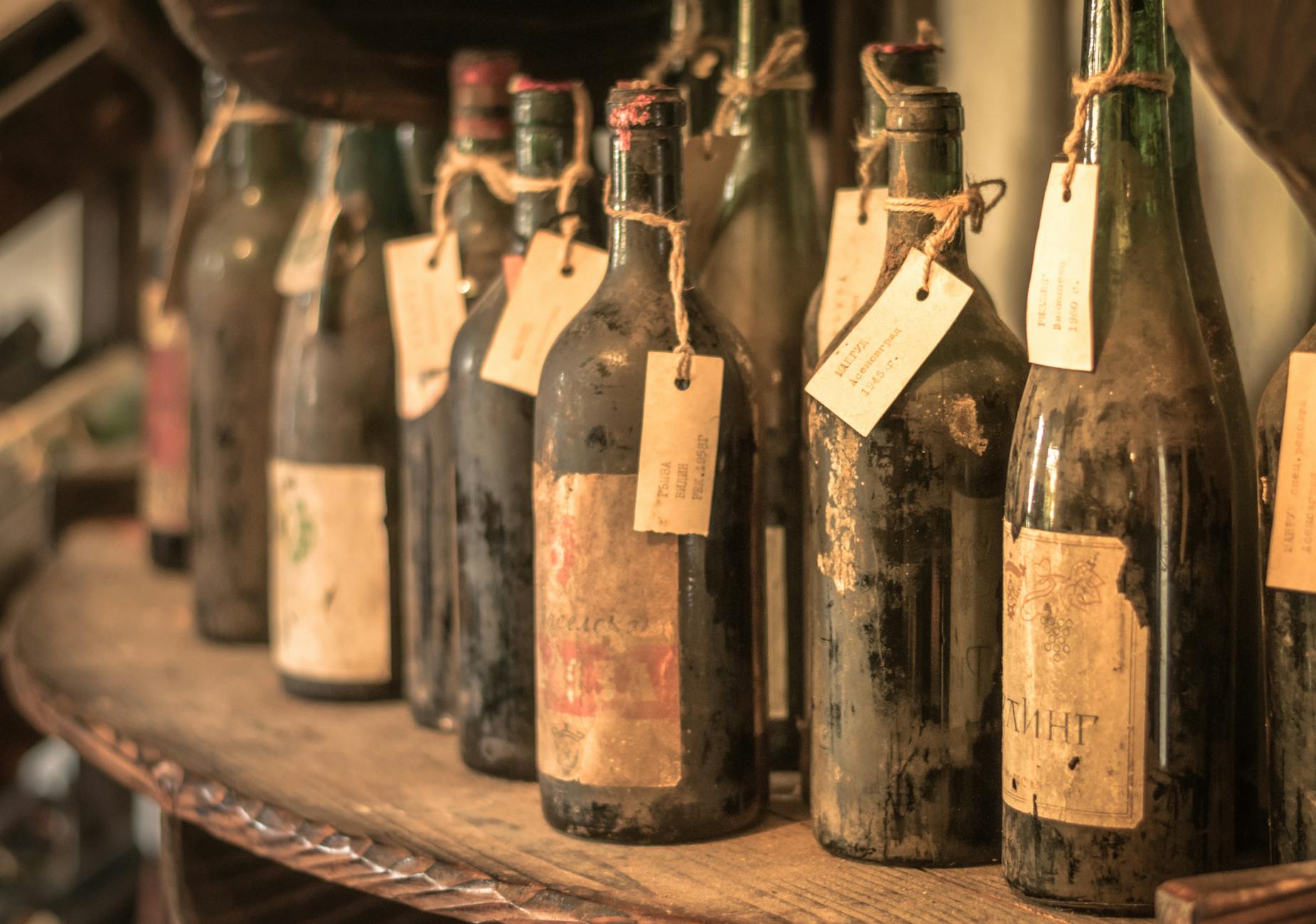
Vinícola Salton
Tuiuty, Bento Gonçalves
The oldest active winery in Brazil — founded in 1910 by seven brothers descended from Antonio Domenico Salton, who left Treviso for Bento Gonçalves in 1878. Salton has led the Brazilian sparkling-wine market since 2005 and exports to more than thirty countries; the flagship Salton Intenso (Charmat, 24 months on lees) sits in nearly every Brazilian restaurant fridge, and the Talento line covers the traditional-method top-tier. The Tuiuty visitor centre, on the road into central Bento, is built around the original cellars and offers tours covering still wine, sparkling, vermouths and the Vinho Canônico (canonical mass wine the family has produced since 1940).
⏱ Open daily, tours hourly · 🍷 Sparkling-focused tastings + still wine & vermouth · 📍 Distrito de Tuiuty, Bento Gonçalves · English-speaking guides
Visit Vinícola Salton →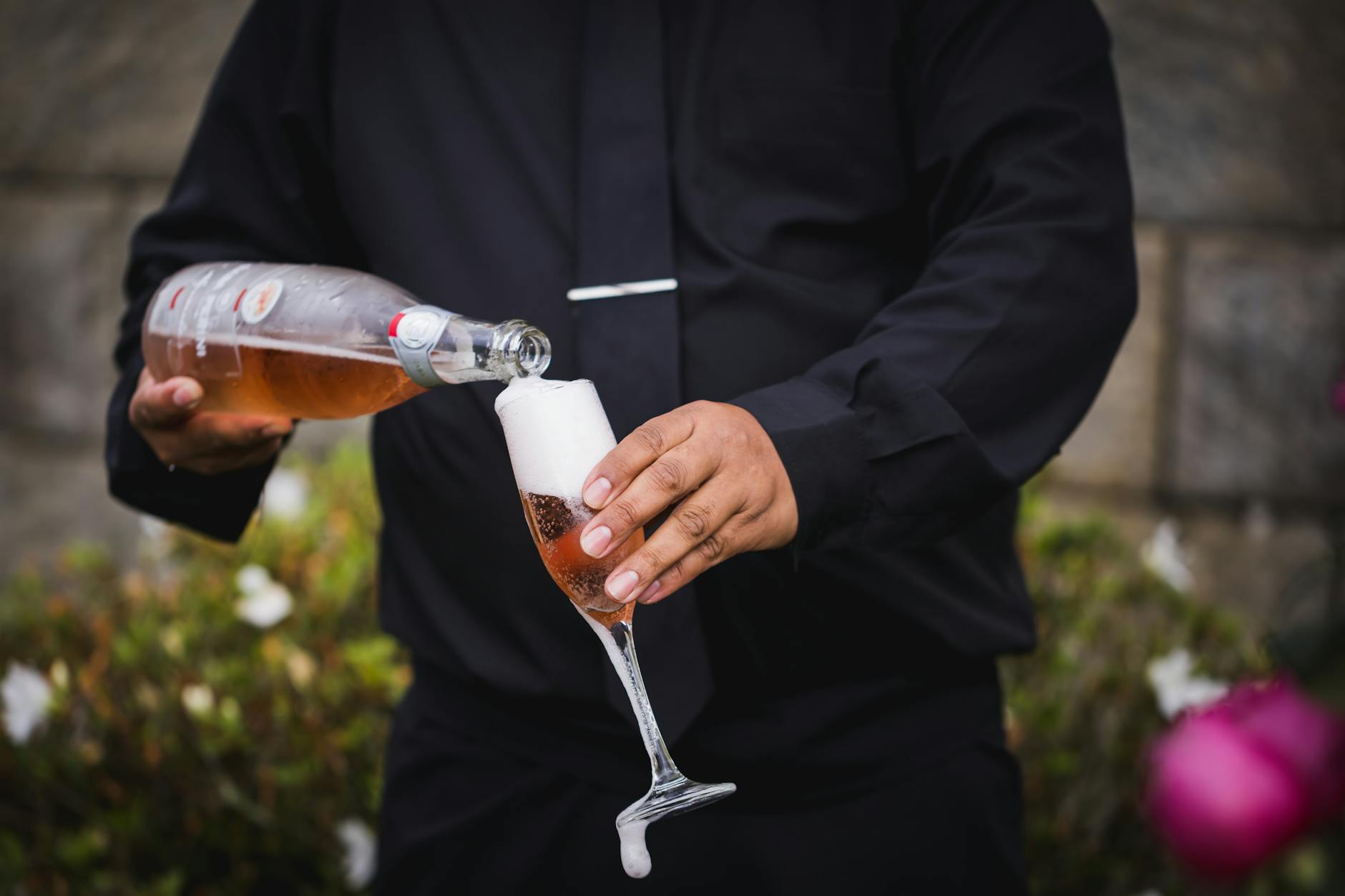
Chandon do Brasil — Casa Chandon Garibaldi
BR-470 km 224, Garibaldi, Serra Gaúcha
Moët-Hennessy’s Brazilian house, founded in 1973 and the first winery in the country dedicated exclusively to sparkling wine. Half a century later, Chandon do Brasil is still the LVMH-owned reference for everyday espumante — Brut, Réserve Brut, Rosé and the cult sparkling Passion (made with passion fruit). The recently relaunched Casa Chandon Garibaldi runs a Boutique (Mon–Sat, no booking), a Terraço with sparkling by the glass, and three tiered tasting experiences: the 30-minute Trio Chandon, the 90-minute Estilo Chandon (four sparklings) and the harmonised pairing version with finger food by chef Catherine Tedesco. Saturdays from 10am open the Jardim Chandon — sparkling, live music and chef-curated bites in the garden.
⏱ Mon–Sat · 🍷 3 tiered tastings + boutique + garden experience · 📍 BR-470 km 224, Garibaldi · Reservations via site or WhatsApp (54) 99203-4067
Visit Casa Chandon Garibaldi →Wine Bars — São Paulo’s Drinking Rooms
São Paulo has South America’s most curious wine drinkers. A handful of bars carry hundreds of bottles you won’t find anywhere else on the continent.
Enoteca Saint VinSaint
Vila Nova Conceição, São Paulo
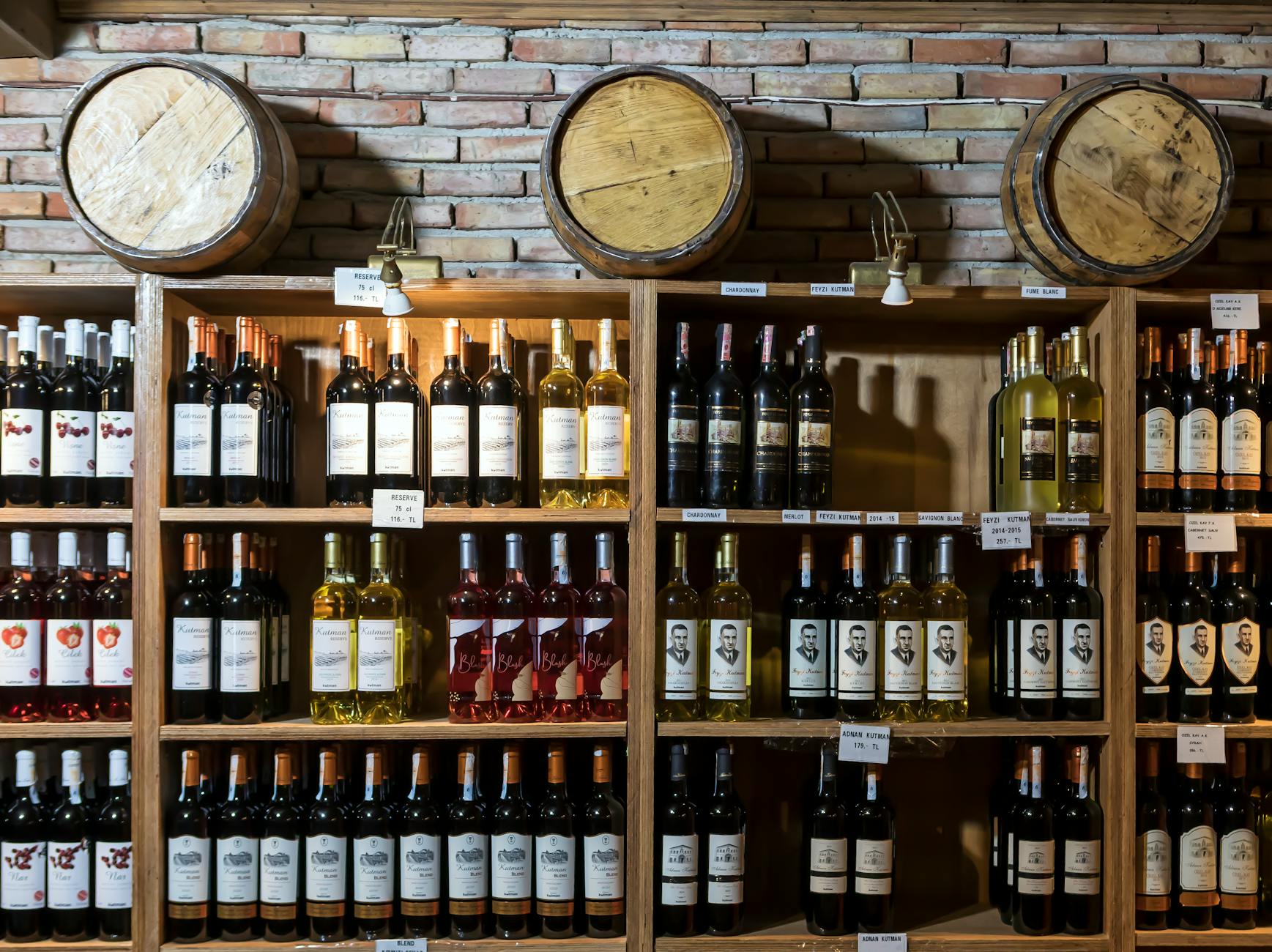
The first natural wine bar in Brazil and still the most committed. Open since 2008 and run by Lis Cereja — chef, sommelière and one of the country’s most respected voices on biodynamic wine — the cellar has rotated through roughly 400 natural, organic and biodynamic labels from around the world, all served by the glass at a fair fraction of the bottle price. The kitchen runs a closed-cycle, seasonal menu sourced from the bar’s own organic gardens and a network of small producers across São Paulo state.
⏱ Mon–Sat · 🍻 400+ labels, all by the glass · 📍 Rua Prof. Atílio Innocenti 811, São Paulo · Reservations strongly recommended
Visit Enoteca Saint VinSaint →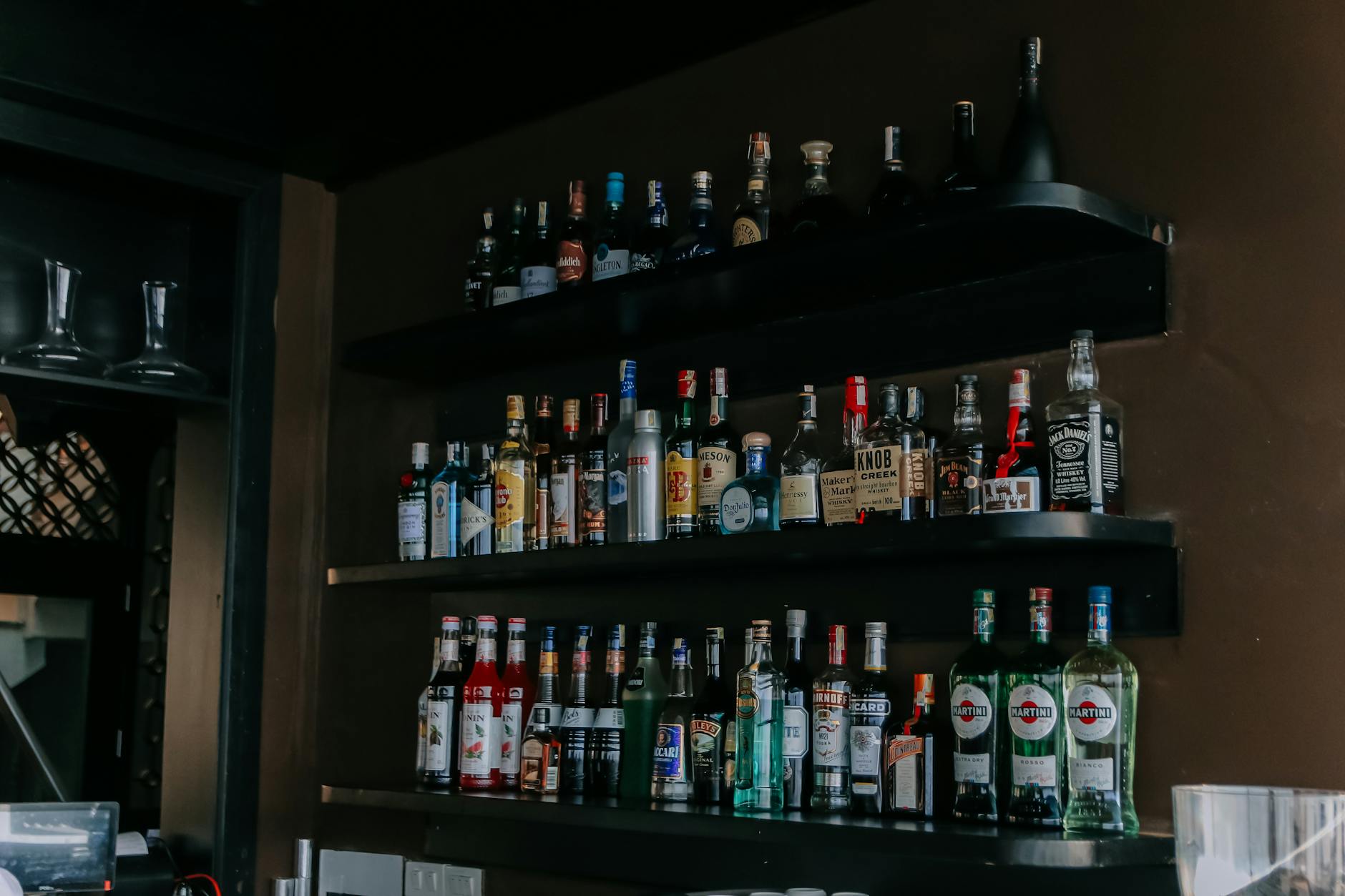
VINO! Morumbi
Santo Amaro, São Paulo
Sommelier Raphael Zanetti runs one of São Paulo’s most quietly serious wine bars from a corner near the Morumbi shopping centre. The list reaches more than 510 labels from 21 countries — with a strong focus on smaller artisanal producers from Brazil, Argentina, Uruguay, Chile and southern Europe — and every bottle on the list is also available by the glass at a proportional price. The kitchen is unfussy and built to harmonise: pasta, charcuterie, slow-cooked beef. A regular weekly happy-hour and an executive lunch make it surprisingly approachable for a place this well-stocked.
⏱ Mon–Sat · 🍻 Every label by the glass · 📍 Rua Domingos Antonio Ciccone 186, São Paulo · Reservations via WhatsApp
Visit VINO! Morumbi →🍷 Wine Bar Tips
- 🍷 In São Paulo, the deepest natural-wine list is at Enoteca Saint VinSaint; the deepest classic list is at VINO! Morumbi. Pick the bar to match the mood
- 🍷 Most serious São Paulo wine bars close on Sunday and at least one weekday — check before going. Reservations are normal, not optional
- 🍷 For Brazilian wine specifically, ask for a Vale dos Vinhedos sparkling first and a Campanha Tannat second — that’s the country at its best
- 🍷 Wine bars in Rio cluster around Botafogo, Jardim Botânico and Leblon; the Centro lunch crowd skips wine altogether and drinks cachaça in copos americanos. Both are valid choices
- 🍷 Brazilian importers carry an unusually deep selection of Uruguayan Tannat — cheaper than equivalent Brazilian Tannat and often more polished. Worth ordering on the side
Know Your Brazilian Wine
Brazilian wine still flies under the international radar — but the country has a quietly developed classification system and a distinct identity built on sparkling wine. Here’s what to look for before you buy a bottle.
Brazilian wine production is concentrated in three states: Rio Grande do Sul (95% of fine wine, including Serra Gaúcha and the Campanha border with Uruguay), Santa Catarina (high-altitude wines around São Joaquim), and Bahia — in the tropical Vale do São Francisco, where the same vine is harvested twice a year. Most of what you’ll see in restaurants comes from the first two.
Cachaça — The National Spirit
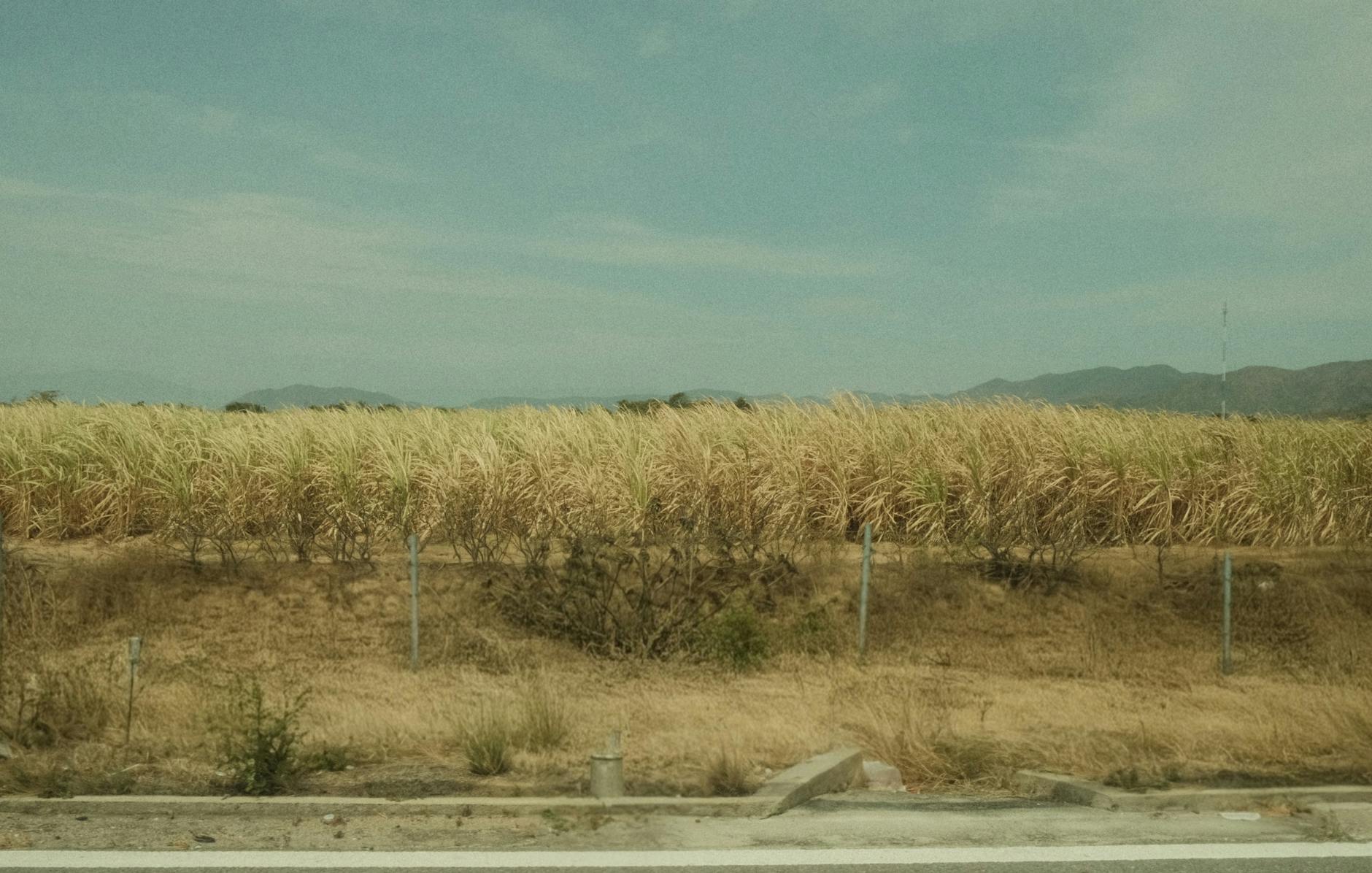
Sugarcane juice, copper still, four hundred years of practice. The world’s third-largest spirit category — and a different drink in every region.
Paraty — The Original Cachaça Coast
Between Rio de Janeiro and São Paulo, the colonial port of Paraty was Brazil’s cachaça capital in the 1700s — ships sailed from here loaded with sugarcane spirit bound for Africa and Europe. The town now holds Brazil’s first IG (Indicação Geográfica) for cachaça, and a tight cluster of artisan stills above the bay welcomes visitors year-round.
Alambique Maria Izabel
Sítio Santo Antônio, Paraty
A small organic still on a hillside above Paraty bay, run personally by Maria Izabel — the only producer in Paraty still fermenting with wild yeast from a traditional regional recipe. The sugarcane is grown on a 4.5-hectare slope facing the sea, milled the same day it’s cut to keep acidity low, and double-distilled in copper with only the noble “heart” cut kept. The result regularly ranks among the best cachaças in Brazil. Visits include the whole production walk-through and a guided tasting of the Branca, Prata, Ouro Premium and 8-year Ouro Extra Premium.
⏱ Daily 10:30–16:00, about 40 minutes · 🍸 Four-cachaça tasting included · 📍 9 km from Paraty centre on the road to Rio · Advance booking by WhatsApp
Visit Alambique Maria Izabel →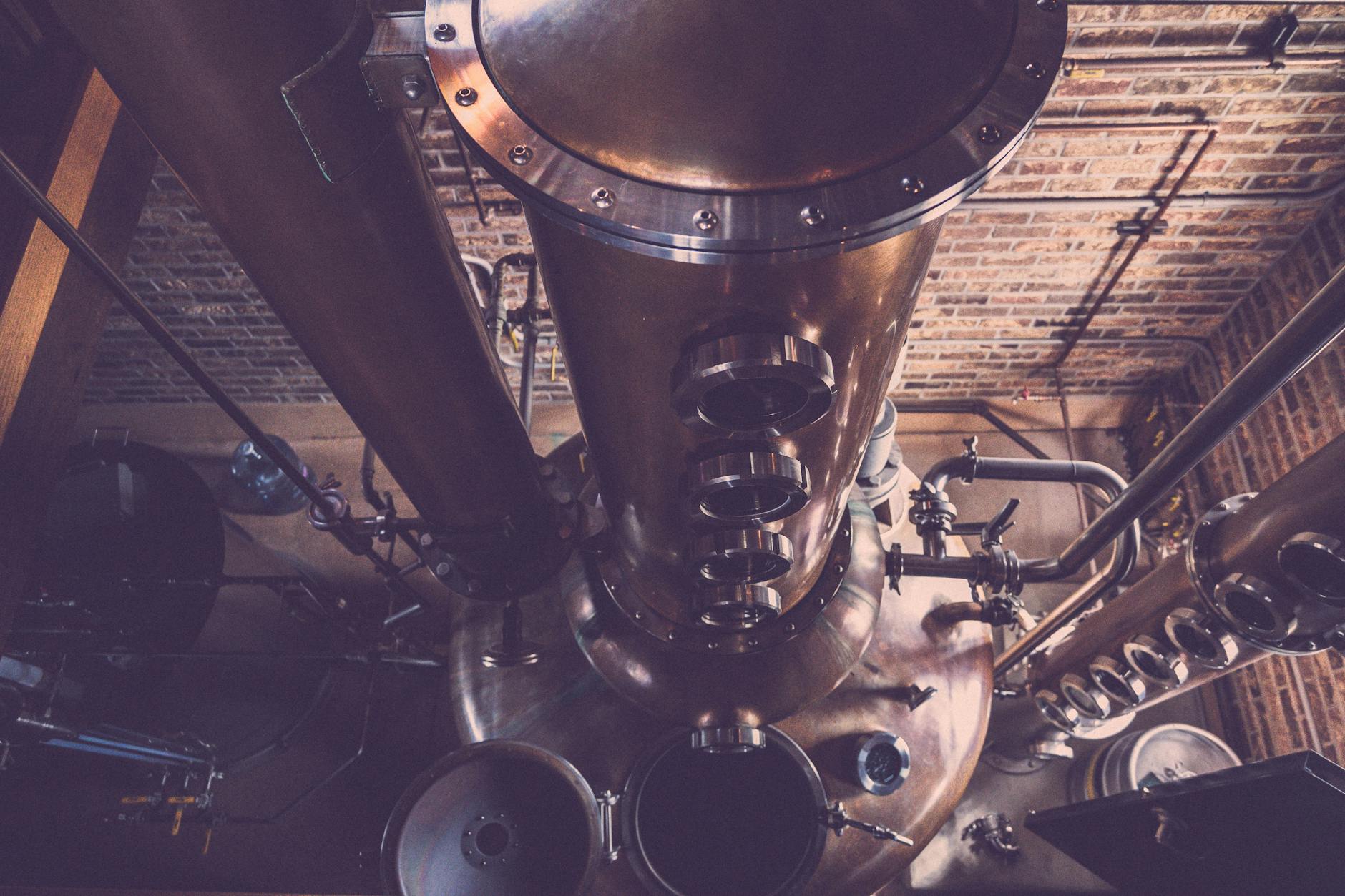
Engenho D’Ouro
Estrada Paraty–Cunha, Paraty
Founded by Francisco Carneiro and built around three centuries of local distilling tradition, Engenho D’Ouro is the first cachaçaria in Brazil to produce cachaça using vacuum distillation — preserving more of the aromatic compounds in the cane juice. Aged in barrels of European oak and native jequitibá, the “Gabriela” (named for the Jorge Amado novel) and “Jequitibá” labels are both award winners at the Brussels World Concours. The visit includes a guided tour through every step of distillation, a tasting of the headline labels, and a small caiçara restaurant on site.
⏱ Open daily · 🍸 Guided tour + tasting + restaurant · 📍 Estrada Paraty–Cunha km 8, Penha, Paraty · Onsite shop with exclusive labels
Visit Engenho D’Ouro →Minas Gerais — The Inland Cachaça Capital
The northern Minas Gerais town of Salinas calls itself the Capital Mundial da Cachaça — the largest concentration of artisanal cachaça producers in Brazil, and the world. Soil, altitude and a long dry season produce a different style than Paraty’s coastal spirits: drier, more savoury, with longer aging in native Brazilian woods like bálsamo and umburana.
Cachaça Salinas
Salinas, Minas Gerais
Three generations of the Medrado family producing cachaça at the heart of the Vale do Jequitinhonha. The spirit is distilled in copper alembics at the Fazenda Canadá — the family’s original property — and matured for eight years in native bálsamo casks, then finished for two years in European oak. The flagship Salinas Limited is released in 365 numbered bottles per year. Multiple awards at the Sabará Festival and the Brussels World Concours. The brand’s tasting room and store in Belo Horizonte (Funcionários) is the most accessible way for visitors to taste through the range.
⏱ BH tasting room: Mon–Sat · 🍸 Aged labels & limited editions · 📍 Rua Maranhão 1495, Funcionários, Belo Horizonte · Tours of the Salinas distillery by appointment
Visit Cachaça Salinas →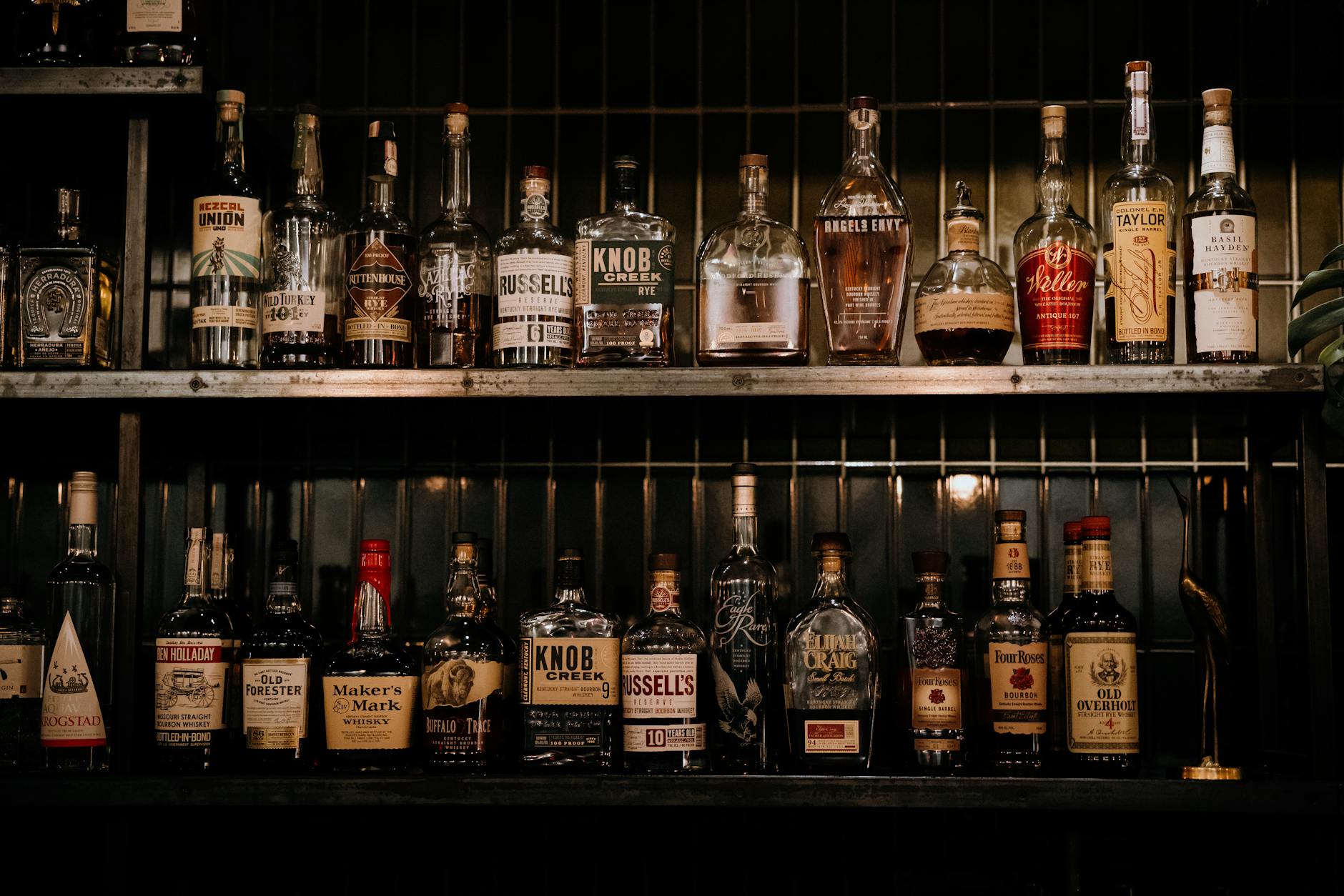
Festival da Cachaça de Paraty
Pontal, Paraty
The oldest cachaça festival in Brazil, running every August since 1983. Free entry. Three days of artisan stills from around Paraty and the wider state of Rio set up open-air tasting stalls; live music alternates between sertanejo, pagode and MPB. The producer side of the festival is run by APACAP, the local artisan-producers’ association — the same group that fought for Paraty’s status as Brazil’s first cachaça IG. If you visit in August, this is the single best place to compare 30+ producers in one afternoon.
⏱ Mid-August, four days · 🍸 Free entry, drinks pay-as-you-go · 📍 Av. Nossa Senhora dos Remédios, Pontal, Paraty · Tasting stalls open from morning
Visit Paraty Cachaça Festival →Know Your Cachaça
Same starting point — fresh sugarcane juice, copper still — but the result varies hugely with wood, age and region. Here’s what to look for before you taste.
Rested only in stainless steel or neutral wood for a few months. Clear, hot, raw cane on the nose — this is the cachaça that goes into a caipirinha. Look for “Prata” or “Tradicional” on the label.
Aged at least one year in wood. Drier, rounder, with vanilla, caramel and spice notes pulled from the cask. Pour these neat in a tulip glass — never into a caipirinha.
The reason aged cachaça tastes nothing like rum. Amburana gives sweet cinnamon and vanilla; jequitibá lends a delicate, almost neutral roundness; bálsamo adds spice and floral lift; ipê brings depth and tannin. The best producers age in two or three different woods in sequence.
Big brands like 51, Pitú and Ypióca are industrial — column distilled, blended, sold cheap. “Cachaça Artesanal” means small-batch, pot-still, no additives. Almost every alembique on this guide is artesanal.
Paraty — Brazil’s first IG (since 2007), coastal, brighter and more floral. Salinas (Minas Gerais) — drier, longer-aged, more savoury. Espírito Santo — emerging, more delicate. Each Indicação Geográfica means a guaranteed origin and traditional method.
A note on the Caipirinha: the legendary cocktail uses branca cachaça, fresh lime cut in wedges (peel-on), a teaspoon of sugar muddled into the lime, and ice on top. Never made with vodka in Brazil — that’s a Caipiroska.
Craft Beer — The Brazilian Wave
German immigrants brought brewing to the south in the 1800s. The craft revolution arrived in the late 1990s — and Brazil now has over a thousand micro-breweries.
Curitiba, Blumenau & Beyond
The two cities at the centre of the Brazilian craft scene are Curitiba (Paraná) and Blumenau (Santa Catarina), with a strong satellite scene in Belo Horizonte, Porto Alegre and São Paulo. Visit between February and March for the country’s biggest beer festival.
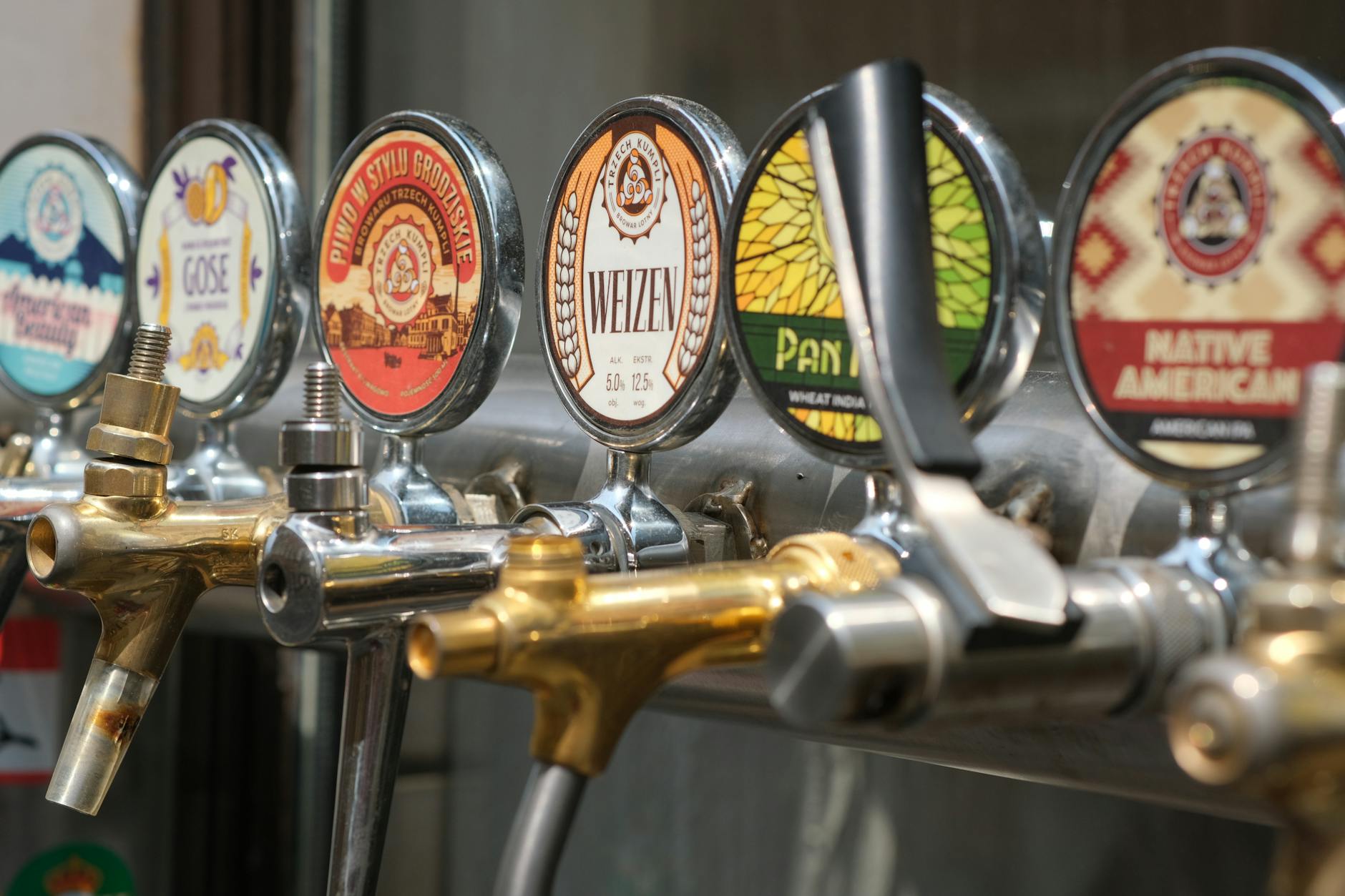
Cervejaria Bodebrown
Hauer, Curitiba
Brazil’s most decorated craft brewery, founded in 2009 by Samuel Cavalcanti and now sitting on more than 150 national and international medals. Bodebrown is also Brazil’s first brewing school — over 7,000 home-brewers trained — and the brewery chosen by Iron Maiden to produce their official Brazilian Trooper. Their signature Beer Train is one of the most acclaimed beer experiences in the world: an old steam-train ride from Curitiba down to Morretes through the Serra do Mar, with Bodebrown chopes served onboard and a Paranaense buffet on arrival.
⏱ Taproom & brewing school open all week · 🍺 Beer Train every other Saturday · 📍 Rua Carlos de Laet 1015, Curitiba · Beer Train pickup from Curitiba rail station
Visit Cervejaria Bodebrown →
Eisenbahn Biergarten
Blumenau, Santa Catarina
The taproom-restaurant of Eisenbahn — one of Brazil’s pioneering craft breweries, founded by the Mendes family in 2002 and named after the railway that ran past the original factory. The brewery follows the German Reinheitsgebot purity law of 1516 and still brews in Blumenau, the heart of the German-Brazilian south. The Biergarten sits about 50 metres from the Vila Germânica park — home of South America’s second-largest Oktoberfest each October — and serves all seven standard chopes, four specials, two seasonals and the BierLikör, paired with German-Brazilian dishes.
⏱ Lunch & dinner daily · 🍺 7 standard chopes + specials + seasonals · 📍 Walking distance from Vila Germânica · Sommelier-led pairing flights
Visit Eisenbahn Biergarten →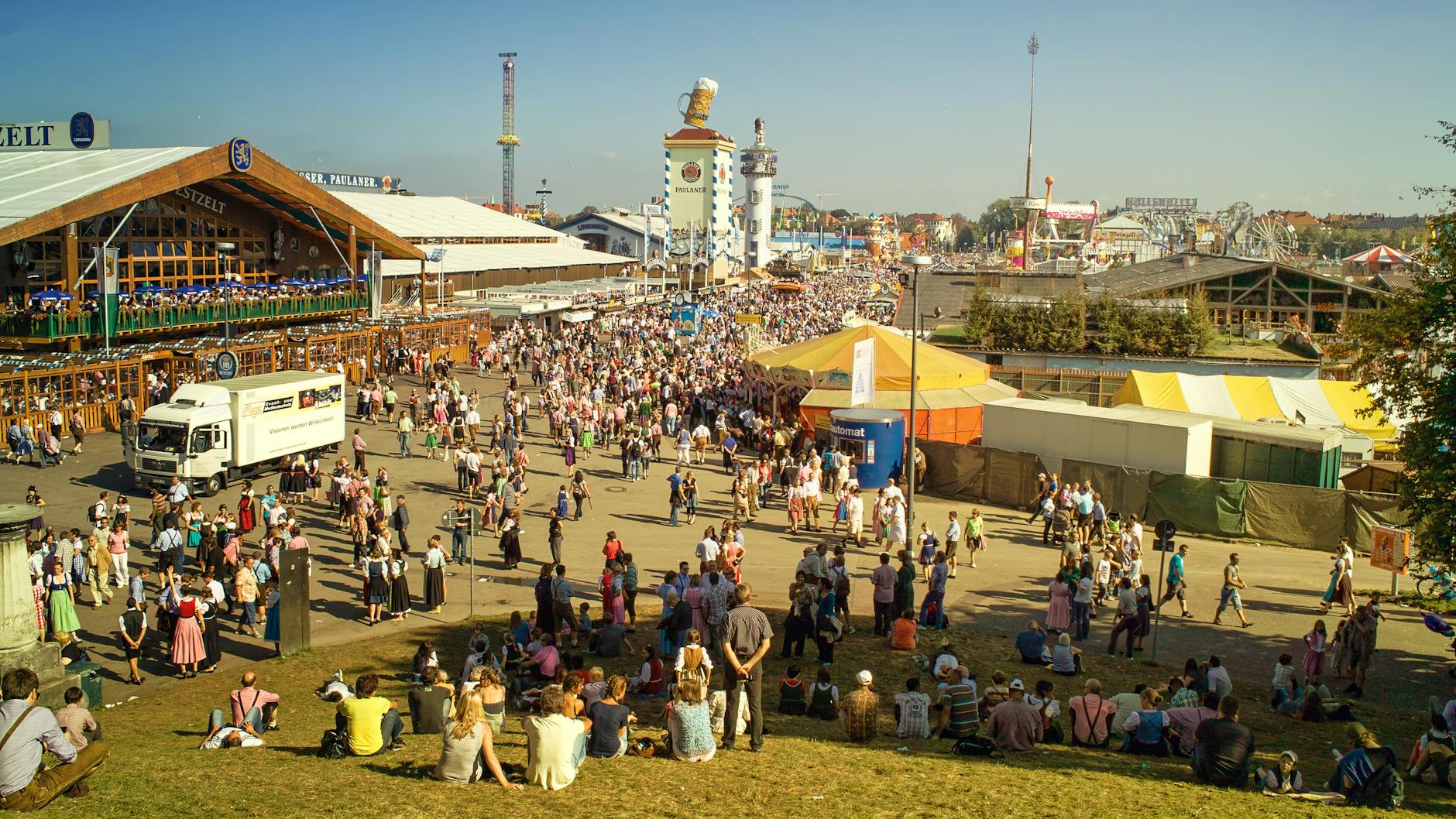
Festival Brasileiro da Cerveja
Vila Germânica, Blumenau
The biggest craft beer event in Latin America — four days at the Parque Vila Germânica (the same site that hosts Oktoberfest) every March. The headline draw is the Degusta Cervejas Brasil section: a ticketed open-bar zone with around 200 breweries from 15 states pouring more than 900 different beers. The festival also runs the country’s most important brewing competition, a four-day technical seminar, paired international street-food, and a 360° live-music stage — rock, MPB, samba — running through all four nights.
⏱ Four days in early March · 🍺 900+ beers across all four nights · 📍 Parque Vila Germânica, Rua Alberto Stein 199, Blumenau · Tickets via the official site only
Visit Festival Brasileiro da Cerveja →Coffee, Chimarrão & the Mate Belt
Brazil grows a third of the world’s coffee — and São Paulo and Rio now roast some of the best of it. Further south, the gauchos drink mate in a cuia, exactly as their great-grandparents did.
Specialty Coffee — São Paulo & Rio
The Brazilian specialty-coffee wave started around 2010 in Vila Madalena (São Paulo) and downtown Rio. These three roasters/cafes are the ones that began it — and still set the standard.
Coffee Lab
Vila Madalena, São Paulo
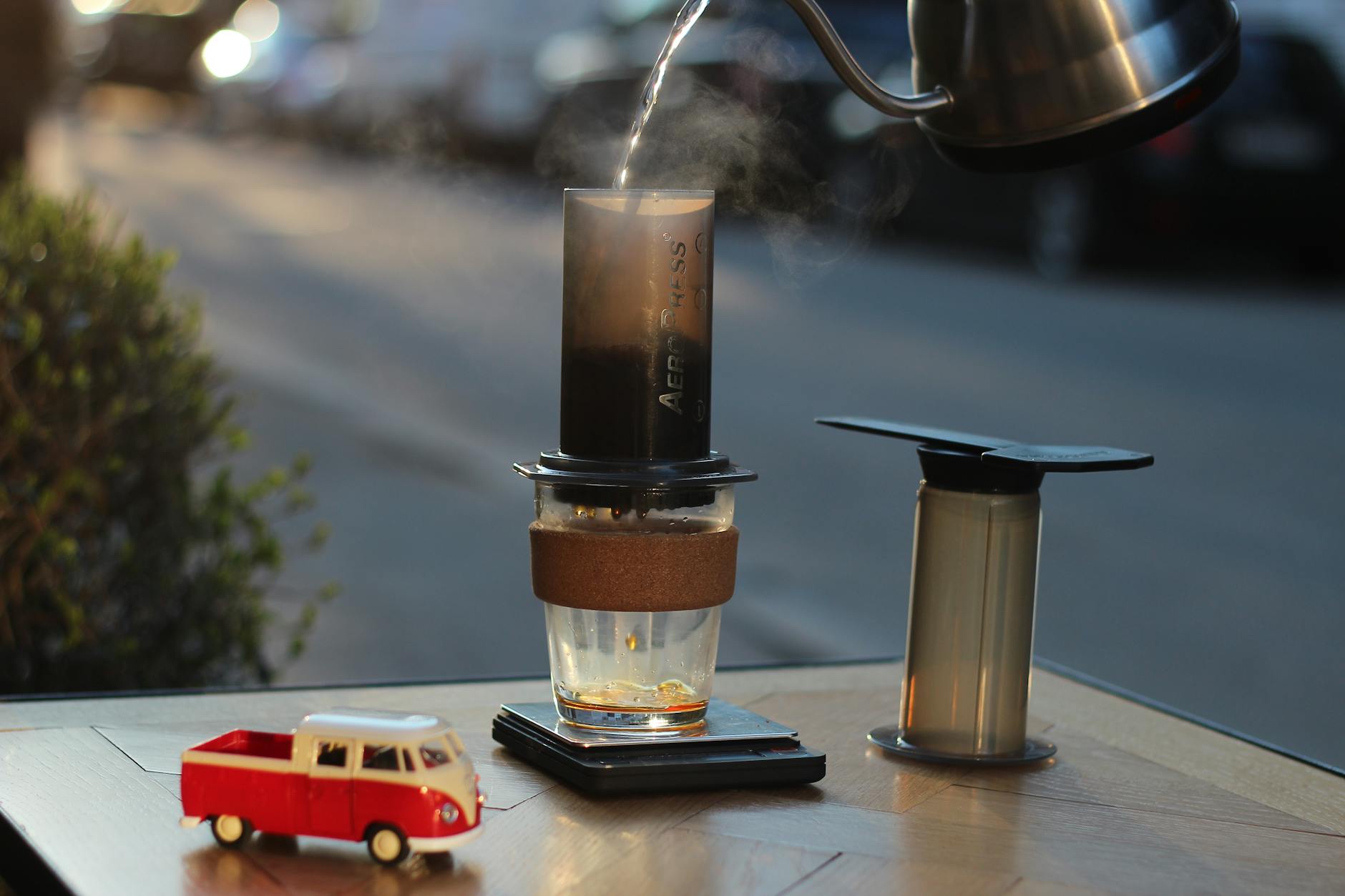
Isabela Raposeiras — Brazil’s first National Barista Champion — opened Coffee Lab in 2008 and effectively launched the Brazilian specialty coffee movement. The Vila Madalena house combines a working roastery, a barista school and a tasting room where the baristas wear blue mechanic’s overalls and prepare microlots on AeroPress. The beans come from a tightly curated network of small Brazilian farms; the laboratory ethos shows in everything from the green-bean storage to the brew water. Voted best cafe in São Paulo by Veja and Folha de São Paulo for years running.
⏱ Daily 09:00–18:00 · ☕ Microlots, AeroPress, espresso · 📍 Rua Fradique Coutinho 1340, Vila Madalena · English-speaking baristas, barista courses available
Visit Coffee Lab →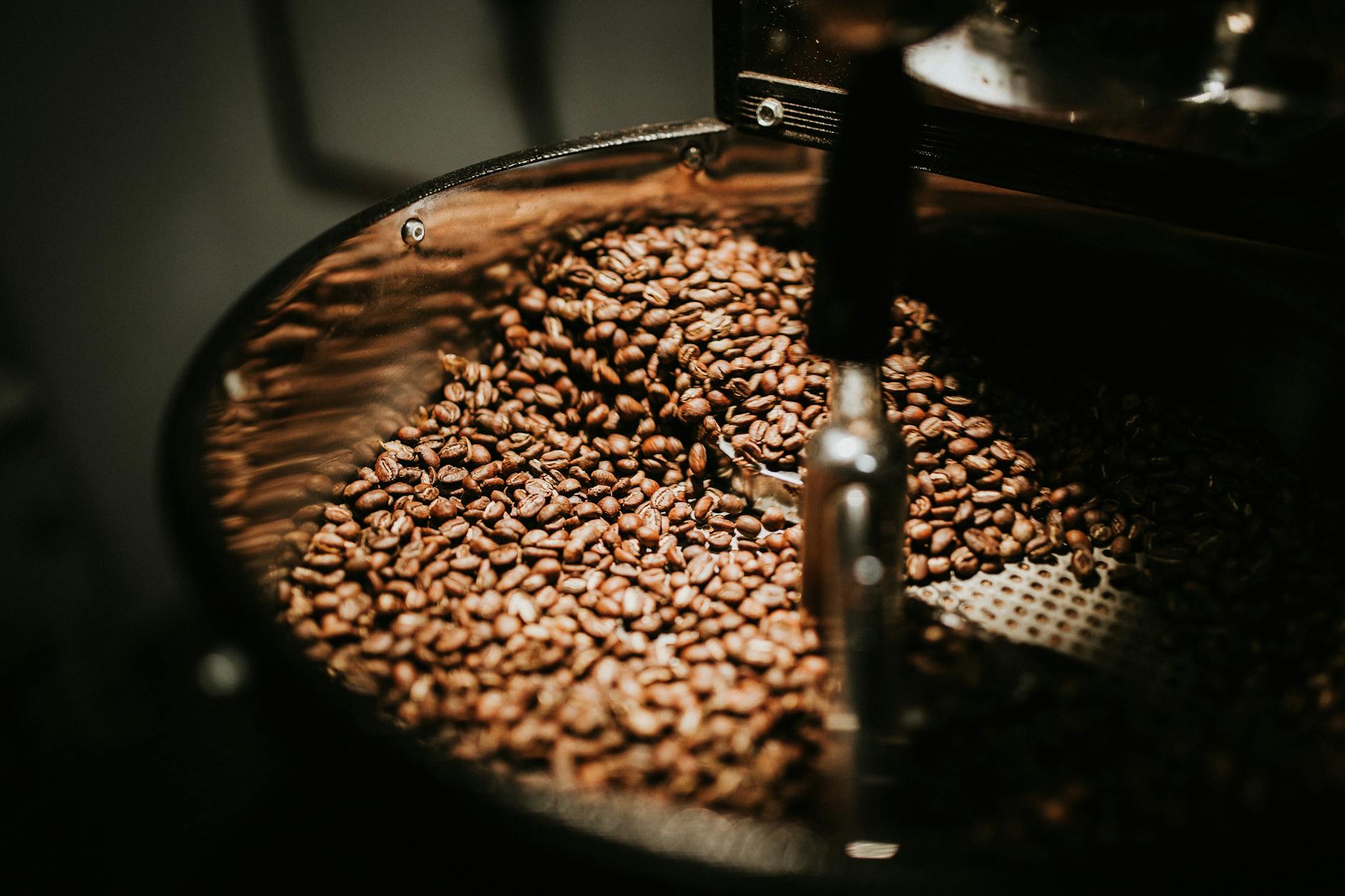
Octávio Café
Shopping Eldorado & Viracopos, São Paulo
A direct-trade roastery run by the Quércia family on their six estates in Pedregulho, in the Alta Mogiana coffee region of São Paulo. Octávio Café pioneered the Brazilian coffee-shop-as-experience format — their famous “coffee bean”-shaped flagship on Faria Lima ran from 2007 until the pandemic, but the brand now operates from the Shopping Eldorado unit and two outlets at Viracopos international airport in Campinas. Nine extraction methods on the menu (French press, kalita, V60, Chemex), and three signature blends (Frutti, Dolce, Cioccolato) all sourced from the family’s own farms.
⏱ Open daily · ☕ Nine brewing methods, single-estate Mogiana coffee · 📍 Shopping Eldorado & Viracopos Airport · Online store nationwide
Visit Octávio Café →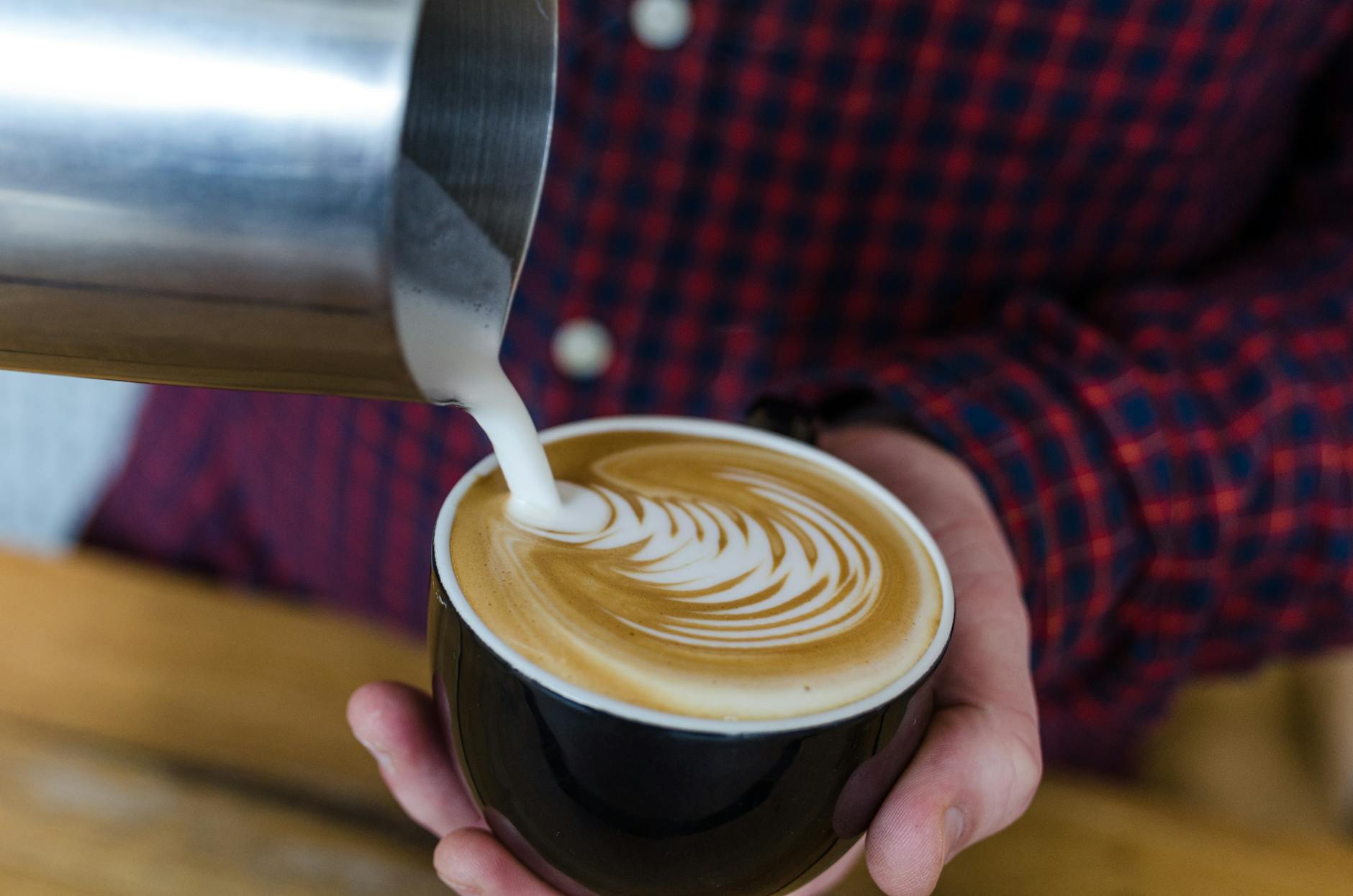
Curto Café
Centro, Rio de Janeiro
A small specialty-coffee bar in central Rio with an unusual business model: there are no fixed prices. A blackboard inside lists the cafe’s monthly running costs and each customer pays what they feel the coffee is worth. Founded by Gabriel Magalhães with two partners in 2011, the cafe roasts its own beans — sourced and processed on a small farm in Espírito Santo — and serves them through two La Marzocco machines: one for espresso, one for cappuccino. The blue collar of Rio Centro lines up at lunch. A genuinely unusual coffee experience and one of the cheapest world-class flat whites you’ll find anywhere.
⏱ Mon–Fri 08:00–19:00 · ☕ Espresso & cappuccino only · 📍 Rua da Assembléia 10, Centro, Rio de Janeiro · Whole beans available to take home or by delivery
Visit Curto Café →Chimarrão, Mate & Tereré — The Gaucho Ritual
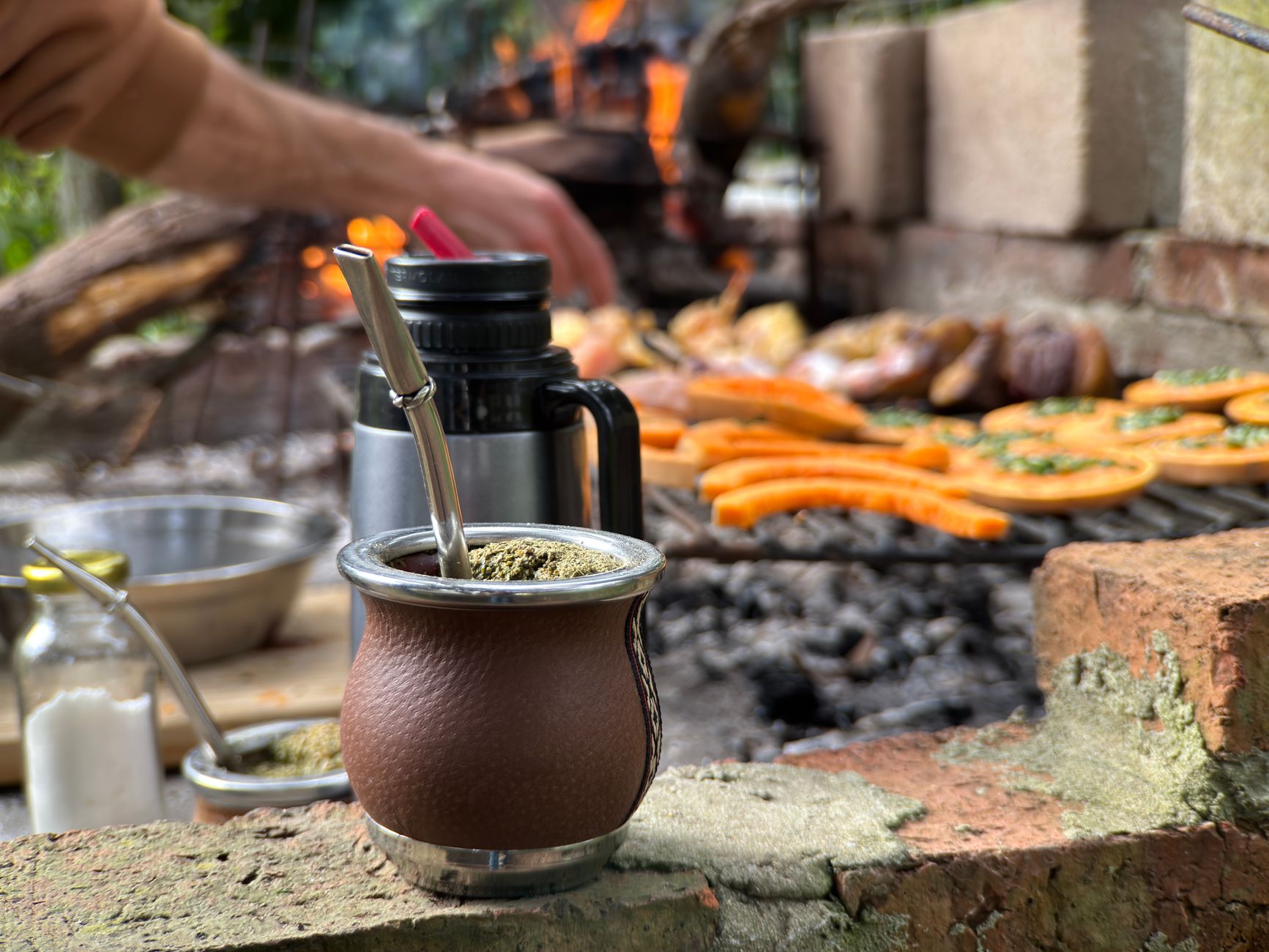
In the three southern states (Rio Grande do Sul, Santa Catarina, Paraná), people drink chimarrão all day, every day — hot water poured over erva-mate inside a hollowed gourd called a cuia, sipped through a metal straw called a bomba. In summer the same drink is served ice-cold and called tereré. It’s the most social drink in Brazil, passed in a circle from hand to hand — never refused, never wiped, never “thanked” until you’re actually done.
Casa da Erva-Mate — Caminhos de Pedra
Linha Palmeiro, Bento Gonçalves
A working erva-mate house inside the historic Caminhos de Pedra route — the largest preserved cluster of 19th-century Italian-immigrant stone architecture in Brazil. The visit takes you through the entire artisanal process: the leaves are dried in a wood-fired barbacuá (which gives the mate its distinctive smoky note), then ground in a water-powered pestle. At the end you learn how to prepare a proper chimarrão — how to fill the cuia, how to position the bomba, how to taste — and try the freshest erva-mate you’re likely to find anywhere. The Caminhos de Pedra route itself is a full day of stone churches, cantinas and family workshops; the erva-mate house is one of the most loved stops.
⏱ Daily 09:00–17:30 · 🍵 Guided tour + chimarrão lesson · 📍 Caminhos de Pedra, Distrito de São Pedro, Bento Gonçalves · Tour ticket bought at the family house opposite
Visit Caminhos de Pedra →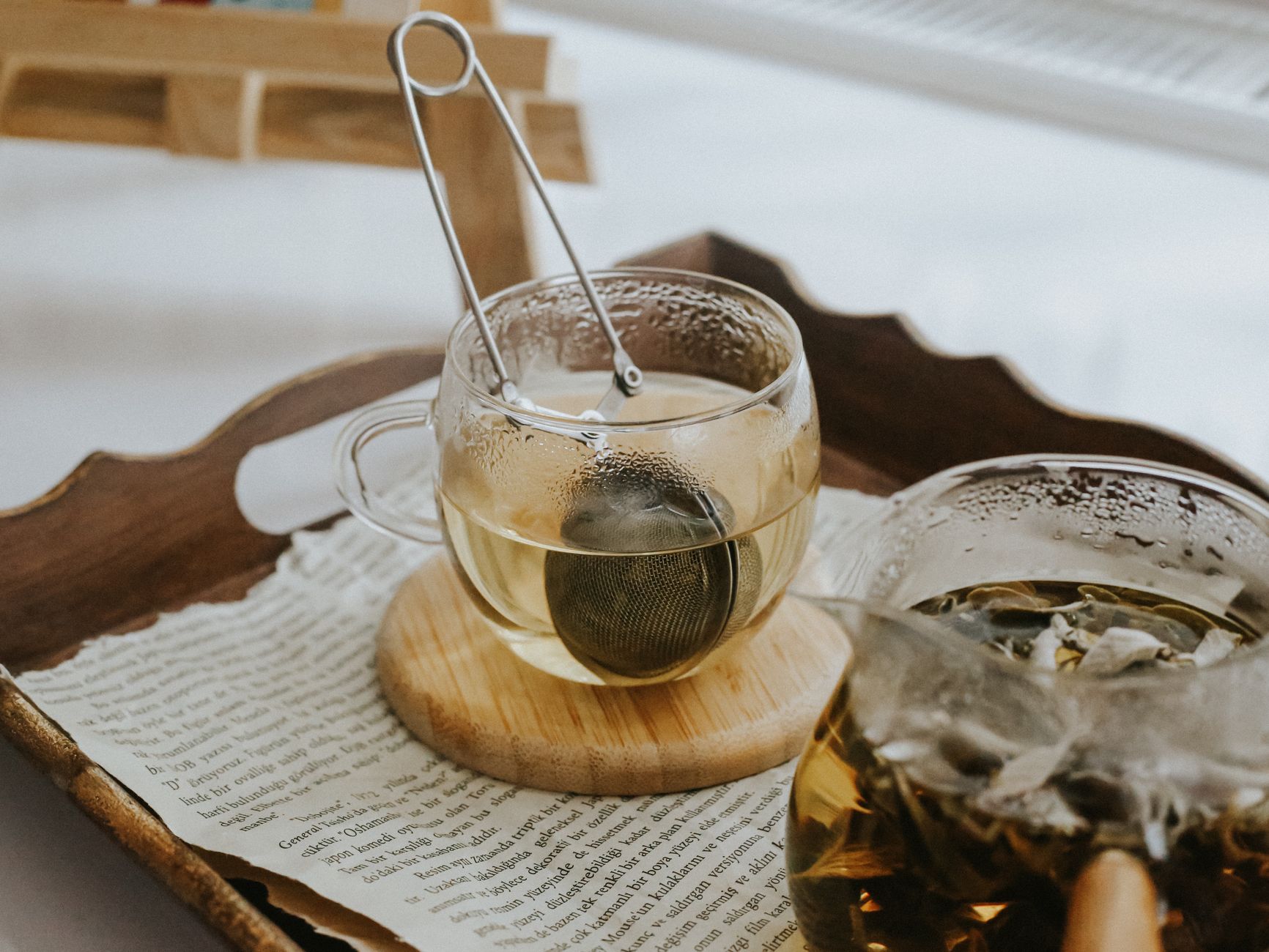
Barão Erva-Mate
Barão de Cotegipe, Rio Grande do Sul
If you want to take real Brazilian erva-mate home, Barão is the producer most gauchos would point you to. Founded in 1951 in the Rio Grande do Sul highlands, the family runs one of the largest ervateiras in the country and recently helped secure the Indicação Geográfica for the Machadinho region — Brazil’s first official protected-origin erva-mate. Their range covers everything: classic chimarrão, smoked “Tradicional”, organic “Nativa”, the IG-certified Cambona 4, plus tereré blends and toasted mate teas. The online store ships across Brazil and you’ll find their packs in every southern supermarket.
⏱ Online & nationwide supermarkets · 🍵 Chimarrão, tereré, mate tostado · 📍 Rua Ilma Picolo 368, Barão de Cotegipe, RS · Indicação Geográfica certified
Visit Barão Erva-Mate →Sucos, Açaí & Guaraná — The Tropical Side
A third of Brazil’s drink culture has nothing to do with alcohol — the fresh-fruit juice bar on the corner, the açaí bowl after the beach, the bright-red Guaraná soda from the Amazon, and the ice-cold coconut sliced open with a machete in front of you.
The Suco Bar — Brazil’s Other National Habit
Walk any street in Rio or São Paulo and you’re never more than a block from a casa de sucos — bright lanchonetes with 40+ tropical fruits behind glass, blenders running all day, and locals drinking morning açaí standing at the counter. Mango, papaya, passion fruit (maracujá), guava, cajá, cupuaçu, graviola, abacaxi with mint — freshly squeezed, sometimes served with sparkling water, sometimes blended into a vitamina. It’s the working Brazilian’s breakfast, post-beach refresher and afternoon energy boost all at once.

Bibi Sucos
Leblon & sixteen locations across Rio
If Rio has a temple of suco, this is it. Bibi Sucos opened on Avenida Ataulfo de Paiva in Leblon in 1986 and quietly turned into the city’s most loved juice bar — 40+ fresh-fruit juices, 49 actually if you count the chef’s suggestions, served in 300 ml and 500 ml glasses. The legendary açaí (35 tonnes a month, all sourced from a single supplier in Belém do Pará) is what most cariocas come for — organic, blended with guaraná syrup, available as a cup or a tigela with granola, banana, condensed milk, Greek yoghurt and a long list of toppings. Voted Rio’s best suco by VEJA RIO Comer & Beber 2025/2026.
⏱ Daily 08:30–00:20, weekends until 01:20 · 🥤 49 sucos, smoothies, vitaminas · 📍 Av. Ataulfo de Paiva 591, Leblon (15 other locations) · Delivery via the site
Visit Bibi Sucos →
Frutaria São Paulo
Jardins & six other neighbourhoods, São Paulo
The Rio juice bar got a São Paulo cousin in the form of Frutaria. A long bar of cold-pressed sucos, functional fruit blends, freshly cracked coconut water and a kitchen that takes the cardapio seriously — salads, quinoa burgers, açaí bowls and big creme-de-frutas. Ingredients are pesticide-free, sourced from small organic growers around São Paulo state. The Oscar Freire flagship in Jardins is the most central spot and famously open until 23h every night; six more locations across Pinheiros, Tatuapé, Ibirapuera, Santana and the Bela Vista lunch crowd.
⏱ Daily 11:30–23:00 · 🥤 Functional sucos, vitaminas, açaí bowls · 📍 Rua Oscar Freire 187, Jardim Paulista · Whatsapp delivery (11) 91029-2329
Visit Frutaria São Paulo →
Oakberry — The Oakville Farm
Santa Izabel do Pará, Amazon
The Brazilian brand that took açaí global. Oakberry sources directly from its own farm and processing plant — Oakville, deep in the Pará rainforest near Santa Izabel — supplying more than 800 stores in 36 countries with the same organic sorbet you can taste in São Paulo and Rio. The Brazilian shops (Centro, Jabaquara, Vila Sônia, plus another sixty across the country) serve açaí bowls and cups with the brand’s signature no-corn-syrup, no-artificial-colour formula. If you only eat one açaí in Brazil — this is the cleanest mass-market version, and the only one that owns the supply chain end to end.
⏱ Daily · 🥤 Açaí bowls, cups, smoothies · 📍 60+ Brazilian locations + Oakville farm tours (Pará) · Origin story on the Oakville page
Visit Oakberry — Oakville →Know Your Tropical Drinks
Three of Brazil’s most iconic drinks have nothing to do with grapes, grains or sugarcane. Here’s what they actually are.
A note on açaí abroad: outside Brazil it’s usually pre-sweetened sorbet from a pouch. In Brazil it’s served straight from a tap or scooped from a tub, with toppings added at the counter. The difference is enormous — taste it in Brazil before deciding whether you like it.
Cocktail Bars — São Paulo’s World-50-Best Scene
In the last decade São Paulo quietly became one of the most awarded cocktail cities in the world. Three Paulistano bars sit on the World’s 50 Best Bars Discovery list, and at least one cracks the global top 30 every year. All three are within a fifteen-minute walk of each other in Pinheiros and Vila Madalena.

SubAstor
Rua Delfina 163, Vila Madalena
Down a flight of stairs from the classic Bar Astor in Vila Madalena, behind a velvet curtain, is the bar that effectively invented the modern Brazilian cocktail scene. Opened by Márcio Silva (the same bartender behind Guilhotina), now run by Italian Fabio La Pietra, SubAstor builds its menu around the five biomes of Brazil — Atlantic Forest, Amazon, Pampa, Caatinga, Cerrado — with cocktails like the Bacuri (Genever gin, sherry, bacuri fruit, orange bitters) and the Tereré (rum, cachaça, St-Germain, lemon, chimarrão, doce de cambuci). A second location (Bar do Cofre) lives inside a former bank vault under the Farol Santander tower.
⏱ Wed–Sat · 🍸 No cover, no minimum spend, valet on site · 📍 Entrance through Bar Astor, Vila Madalena · Reservations via the site
Visit SubAstor →
Tan Tan
Rua Fradique Coutinho 153, Pinheiros
Brazil’s highest-ranked bar on the World’s 50 Best list. Tan Tan opened as a small noodle bar in Pinheiros, slid steadily up the global ranking (No. 56 in 2023, No. 31 in 2024, No. 24 in 2025) and is now run by Thiago Bañares around a Japanese-influenced concept with deeply Brazilian ingredients. The signature Curupira combines gin, Cambuci sparkling wine, mint and Brazilian vanilla; the Dr No mixes rum, dry vermouth, green mate and orange bitters. To eat: katsu sandos, dumplings, deep-fried snacks at a tiny seven-seat counter. Walk-ins only — expect to queue.
⏱ Tue–Sun · 🍸 Japanese-Brazilian cocktail menu + ramen/dumplings · 📍 Rua Fradique Coutinho 153, Pinheiros · Walk-in only, no reservations
Visit Tan Tan →
Caledonia Whisky & Co.
Rua Vupabussu 309, Pinheiros
Born out of Brazil’s most famous whisky blog — O Cão Engarrafado — Caledonia opened in 2020 with a single mission: build the most serious whisky bar in Latin America. The collection now holds around 200 bottles from every major whisky-producing country, all available by the 25 ml or 50 ml pour, with themed flights and master-class evenings throughout the week. Award-winning bartender Rodolfo Bob (later Alison Oliveira) tells the story of whisky across seven cocktails, opening with the King James (whisky’s Irish origins), through Volstead (Prohibition) and ending with the Inspirit single-malt tribute (Arran Lochranza, lichia vermouth, Jerez vinegar, wine salt).
⏱ Tue–Sat from 18:00 · 🍸 200+ whiskies, 7-cocktail story menu, retail shop · 📍 Rua Vupabussu 309, Pinheiros · Tasting classes via the site
Visit Caledonia →🍸 Cocktail Bar Tips
- 🍸 The Paulistano cocktail belt is a tight grid: Vila Madalena (Rua Aspicuelta, Rua Mourato Coelho) holds the more boisterous scene; Pinheiros (Rua Fradique Coutinho, Rua Costa Carvalho) holds the more serious bars. Walk between the two — it’s ten minutes
- 🍸 SubAstor and Caledonia both take reservations; Tan Tan is walk-in only. Arrive at Tan Tan before 19h on a weekday or expect 60+ minutes in the line outside — they take phone orders for edamame and tori sando while you wait
- 🍸 If you want to taste cocktails built on Brazilian ingredients, ask for anything featuring cambuci, jabuticaba, bacuri, cupuaçu or cachaça artesanal. These are the flavours you literally cannot order anywhere else in the world
- 🍸 Cocktails in São Paulo’s best bars run R$ 45–75. Cheaper than London or New York for the same level of craft — another reason the scene attracts global bartender talent
- 🍸 In Rio, the cocktail scene clusters in Botafogo (CT Boucherie, Comuna), Lapa (Adá) and Jardim Botânico. Quieter, more relaxed, no World’s 50 Best gravity — but a perfect post-beach option
🥃 Good to Know — Brazil Drink Tips
- 🍇 The Vale dos Vinhedos is a one-day drive from Porto Alegre (130 km) or a 40-minute flight to Caxias do Sul. The shoulder seasons (April–June and September–October) have the best weather and the smallest crowds — February is the harvest (vindima), with festivals at most cellars
- 🍷 Brazil’s wine sweet spot is sparkling. If you only drink one Brazilian wine, make it a Cave Geisse Brut Naturza, a Chandon Réserve Brut, a Salton Intenso, or any Altos de Pinto Bandeira DO bottling using the traditional (Champenoise) method — this is the category where Brazil genuinely competes with Champagne
- 🍇 Don’t want to drive yourself between cellars? Day tours from Bento Gonçalves, Gramado and Canela combine 2–3 wineries with a regional Italian lunch, the Caminhos de Pedra stone-house route and the Maria Fumaça steam train. Book via GetYourGuide for the Bento Gonçalves region; pickup is available from most hotels
- 🥃 Real Paraty cachaça will say “Indicação Geográfica Paraty” on the label. Anything labelled “cachaça do Brasil” without an IG is usually mass-produced — fine for caipirinhas, not for tasting neat
- 🥃 In a bar, ask the bartender for a caipirinha “com açúcar mascavo” (with brown sugar) for a deeper, more honest version of the classic. And always insist on lime — never substitute lemon
- 🍺 Blumenau’s Oktoberfest (first half of October) is the second-largest in the world after Munich — and the Festival Brasileiro da Cerveja in March is even more focused on craft beer specifically. Either is worth a long weekend
- ☕ Cafezinho is the small, hot, sweet coffee served all day in Brazil — offered for free in shops, banks and offices. Always say yes. Specialty coffee is a separate thing; ask for a “café especial” or an espresso at a roastery
- 🥤 Order açaí with no syrup the first time (sem xarope, sem açúcar) to taste the actual fruit — bitter, oily, nothing like the supermarket pouches abroad. Then go back the next day and let them load it with banana, granola, condensed milk and paçoca
- 🍸 São Paulo is the cocktail capital. If you only book one bar, make it the World’s-50-Best-ranked Tan Tan (walk-in only, arrive early) or the foundational SubAstor speakeasy (reservation strongly recommended). For something quieter, Caledonia in Pinheiros is the city’s whisky specialist
- 🍵 Chimarrão etiquette in southern Brazil: don’t stir the bomba (it disturbs the leaves), don’t wipe the rim before drinking, don’t say “obrigado” until you’re done — that’s the polite signal you don’t want any more. Just sip, hand it back, wait your turn