
Port of Spain is a working Caribbean capital with a cultural output entirely disproportionate to its size. The steelpan—the only acoustic instrument invented in the 20th century—was developed in the city’s yards in the 1930s and 1940s. The National Museum and Art Gallery on Frederick Street covers the full arc of Trinidadian history from Amerindian settlement through Spanish and British colonisation to independence in 1962.
The Queen’s Park Savannah is a 3.7km loop around a public park in the heart of the city. On any evening it functions as an outdoor food market, jogging track, and social space simultaneously. The Magnificent Seven—seven colonial-era mansions built along the Savannah’s western edge between 1902 and 1910—are among the most ornate examples of Caribbean colonial architecture still standing.
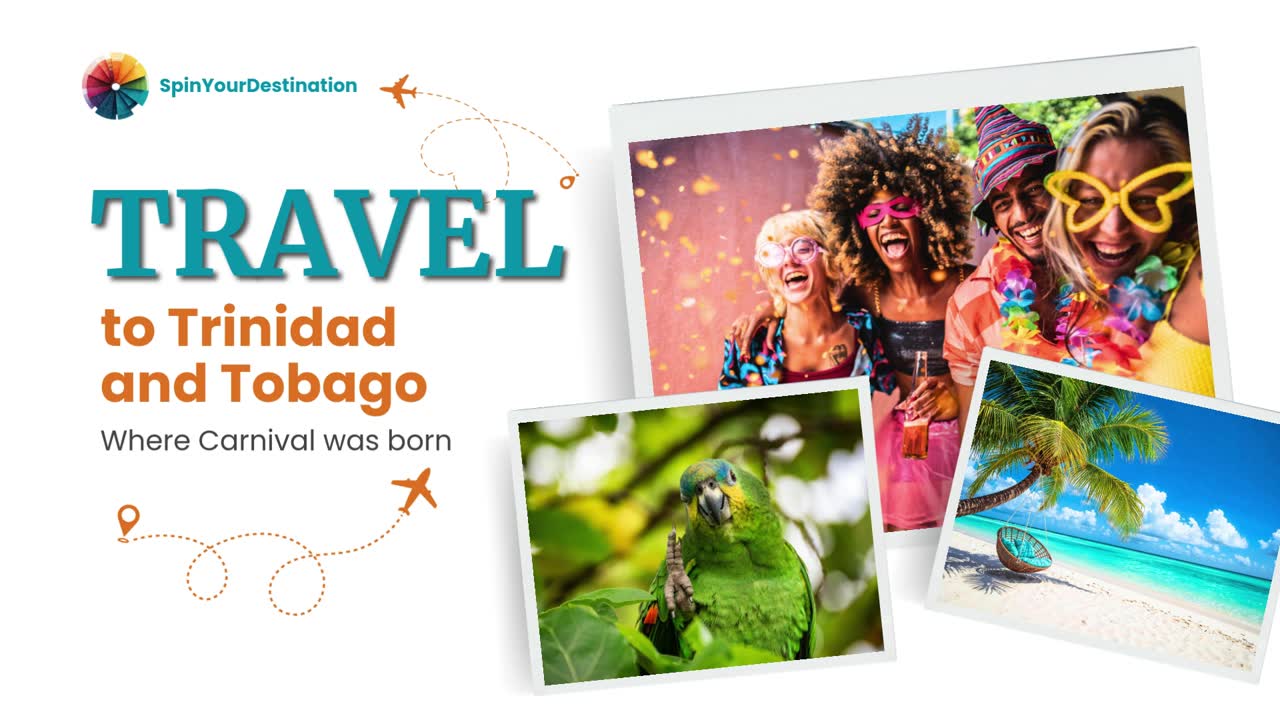
Carnival takes place on the Monday and Tuesday before Ash Wednesday. The entire city participates. Mas bands—groups of costumed revellers, some numbering in the thousands—move through streets from dawn. Panorama, the national steelpan competition, takes place in the Savannah the Saturday before Carnival. Soca monarch competitions determine the soundtrack of the season weeks in advance.
The Ariapita Avenue strip in Woodbrook is where Port of Spain eats and drinks. Chinese, Indian, Creole, and international kitchens exist within two blocks. Doubles—two pieces of bara (fried dough) filled with curried channa and chutneys—are the national street food and the standard breakfast everywhere in Trinidad.
Flying into Piarco International Airport connects to the city in 25–30 minutes by taxi. Maxi-taxis (shared minibuses) cover routes throughout Trinidad at fixed low fares. The island drives on the left.
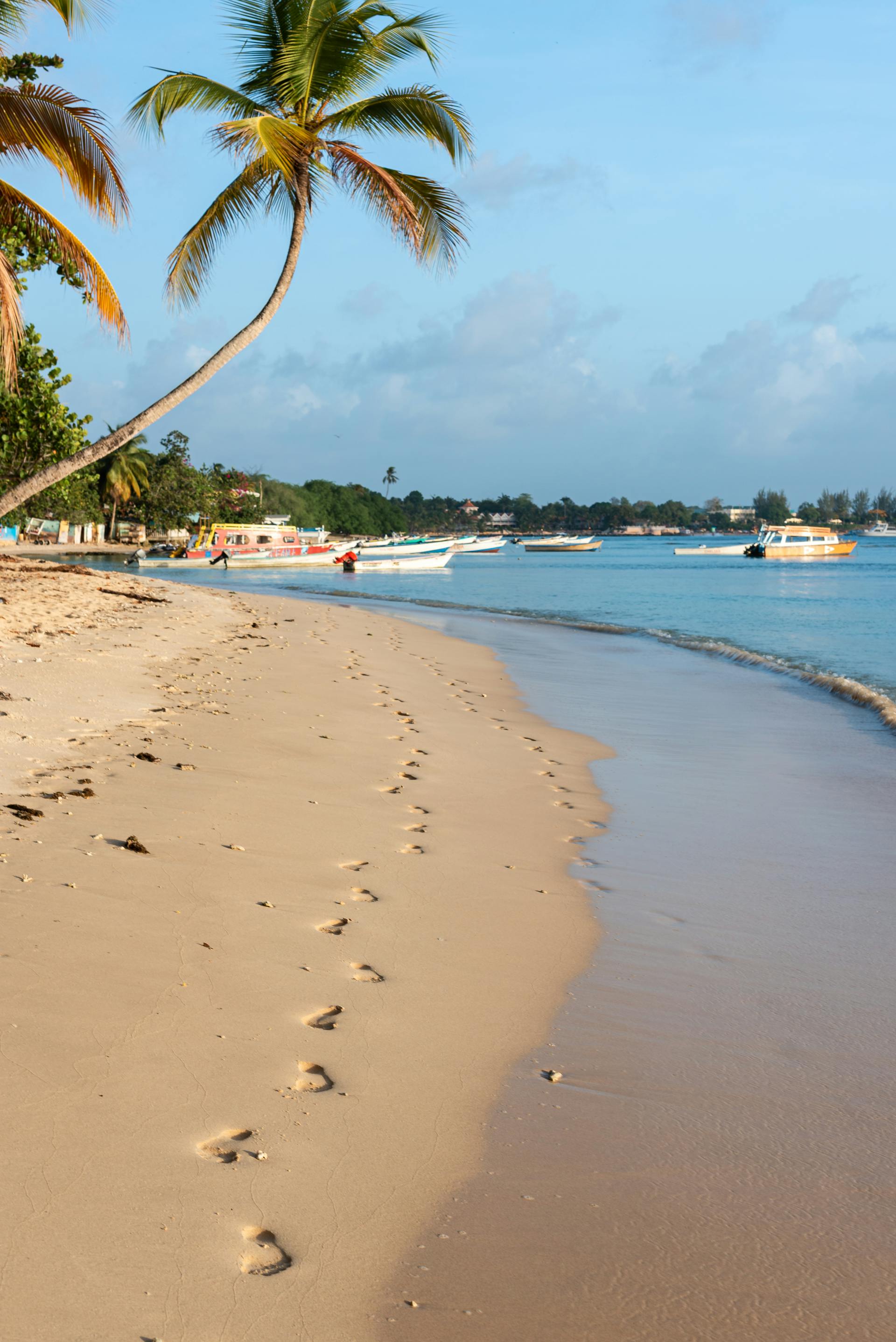
Maracas Bay is 45 minutes north of Port of Spain over the Northern Range mountains—the road climbs through dense tropical forest to a descent revealing a wide bay of pale sand, blue water, and permanent food stalls. Richard’s Bake and Shark is the institution here: shark meat in fried bread with tamarind, pepper sauce, chadon beni, and coleslaw. The queue is always long. It is always worth it.
The north coast road continues west from Maracas through Las Cuevas Bay—longer, quieter, and less visited. The water at both beaches runs rougher than Tobago’s more sheltered bays. Currents can be strong—swim between the flags. Lifeguards are present at Maracas on weekends.
The Asa Wright Nature Centre in the Arima Valley is 90 minutes from Port of Spain. This birding lodge in 700 acres of forest has 200+ recorded species visible from the verandah—hummingbirds, toucans, bellbirds, and the rare oilbird in the cave at the edge of the property. Naturalist-guided trails extend into the valley. It is the best birding destination in the southern Caribbean and one of the best on earth.
The Pitch Lake at La Brea in south Trinidad is the world’s largest natural asphalt lake—a 40-hectare field of semi-solid pitch that has been commercially mined since the 1870s and used in road surfacing across North America and Europe. The surface is firm enough to walk on in most areas but moves slowly. Guide tours explain the geology, the history, and the spots where sulphur springs bubble through the black surface.
Caroni Bird Sanctuary in central Trinidad is home to the Scarlet Ibis—Trinidad’s national bird and the world’s largest colony of the species. Evening boat tours through mangrove channels end with thousands of ibis returning to roost, turning the mangrove red in the fading light. One of the most spectacular natural wildlife events in the Caribbean.
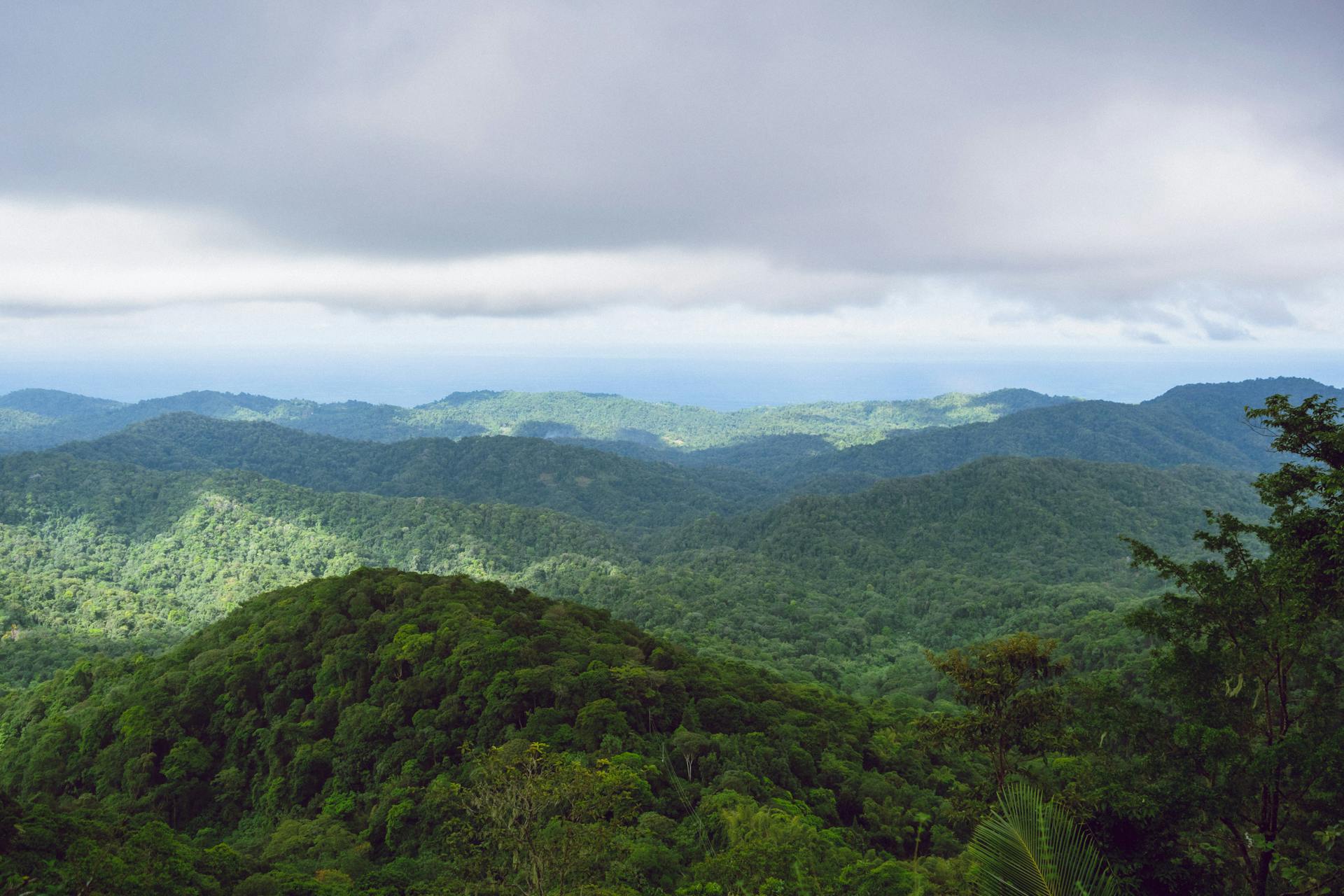
Tobago is 11 miles long and 7 miles wide. The Main Ridge Forest Reserve running along its spine has been legally protected since 1776—older than any national park in the world. The forest holds 200+ species of bird, 600+ species of flowering plant, and leatherback sea turtles that nest on the beaches of the northeast coast (Great and Matura) between March and September.
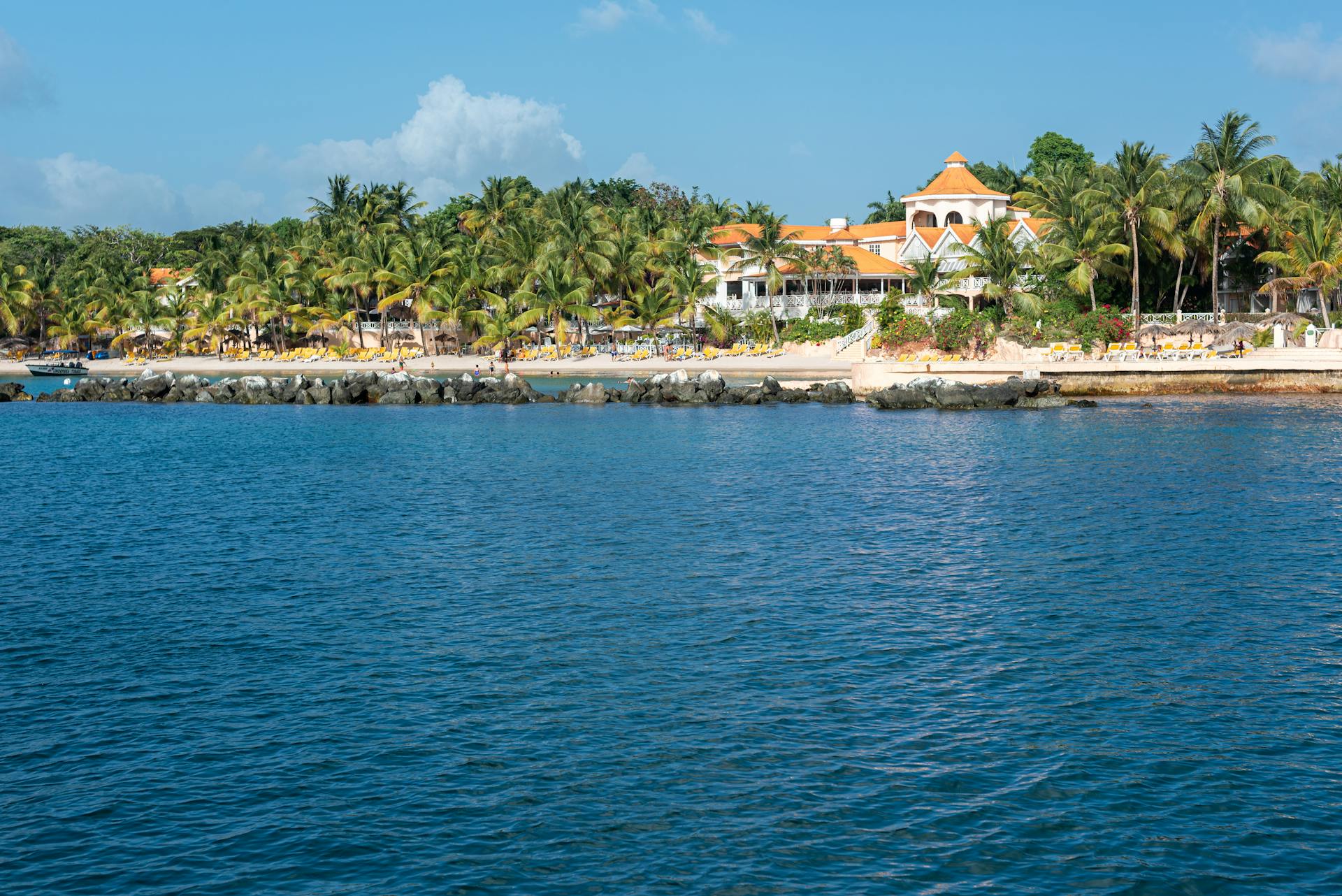
Pigeon Point Heritage Park on the southwestern tip is Tobago’s most photographed beach—the characteristic thatched jetty extending into flat turquoise water is the image that appears on most tourism material for the country. The water is calm, shallow, and warm. Snorkelling gear rental, sun loungers, and food are available at the managed facility.
The Nylon Pool is a shallow sandbar approximately 1.6km offshore from Pigeon Point—boat tours cover it in 20 minutes from the jetty. In the middle of open ocean, the sandbar creates a circular area of crystal-clear water at waist depth. The effect of standing in open Caribbean on white sand in 90cm of perfectly transparent water is remarkable. Local legend holds that bathing in the pool restores youth—a claim unverified but widely cited.
Speyside on the northeast coast is Tobago’s dive hub. Goat Island and Little Tobago lie just offshore—the reefs between them carry giant brain corals, eagle rays, and the Atlantic manta ray migration (March–July). The Blue Waters Inn at Batteaux Bay is the area’s main dive base. Currents here are stronger than the southwest—the diving is for intermediate to advanced divers.
The ferry between Trinidad and Tobago runs from Port of Spain Waterfront to Scarborough Harbour—approximately 2.5 hours. Caribbean Airlines operates the 25-minute flight from Piarco (POS) to Crown Point (TAB) several times daily. The flight is the practical choice for anyone not carrying heavy dive gear.
The steelpan is not a souvenir instrument. It is a serious concert instrument produced in fine grades from soprano to bass, played in ensembles called steel orchestras that can number 100 musicians. The National Steel Symphony Orchestra performs classical repertoire. The Panorama competition each Carnival season features arrangements of soca hits that require weeks of rehearsal and have become a performance form in their own right.
Trinidadian food reflects a layered history of African, Indian, Chinese, and European influences. Roti—either dhalpuri (filled with ground split peas) or paratha (layered)—is the standard wrapper for curried meat, seafood, or vegetables and the most practical lunch available anywhere on the island. Pelau is a one-pot rice dish of chicken, pigeon peas, and coconut milk that appears at every home gathering. Crab and dumpling is Tobago’s signature dish.
Angostura bitters, used in cocktails worldwide, has been produced in Port of Spain since 1824. The Angostura rum range—1919, 1824, and the premium 1787—is distilled in the same complex. Rum punch made with Angostura White Oak rum, fresh lime juice, and Angostura bitters is the standard Trinidad long drink. Every bar makes it slightly differently.
Tobago’s village festivals (Heritage Festival in July–August) celebrate traditional culture distinct from the Trinidadian Carnival—folk music, old-time wedding ceremonies, speech band theatre, and cooking traditions that have survived without interruption since the island’s African settlement. The Heritage Festival runs across all 12 villages and is the best window into Tobagonian culture for a visitor.
Weather: tropical, 25–32°C year-round. Dry season runs January–May. Wet season June–December brings heavy afternoon rain but rarely all-day overcast. Both islands sit south of the main Caribbean hurricane belt—direct hurricane strikes are rare, though tropical weather systems can bring wind and rain in August and September.