

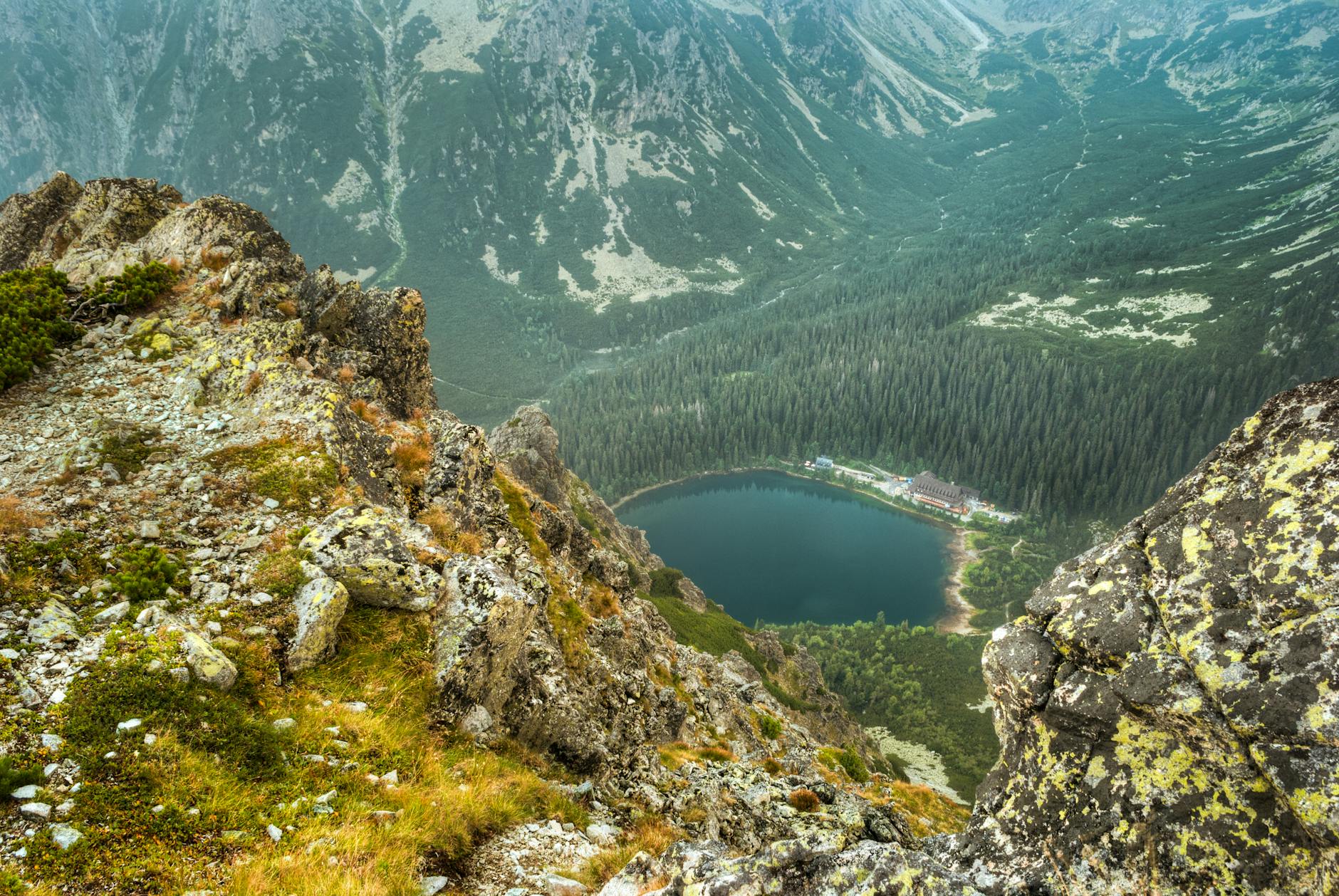
Bratislava sits on the Danube. It's Slovakia's capital and only major city. Population 430,000. Compact. Walkable. Overlooked.
The Old Town centers on St. Martin's Cathedral and the Blue Church (Church of St. Elizabeth). The latter is art nouveau, baby blue, genuinely unique.
Bratislava Castle towers on a forested hill above the river. The 16th-century Renaissance palace houses the Museum of History. Views stretch across three countries—Slovakia, Austria, Hungary.
The city blends eras awkwardly but honestly. Medieval gates. Communist-era Petržalka district. Modern cafés. It works because nobody's pretending.
Vienna is 60km west. Prague 330km north. Bratislava makes a good base for exploring Central Europe, but it deserves more than a day trip.
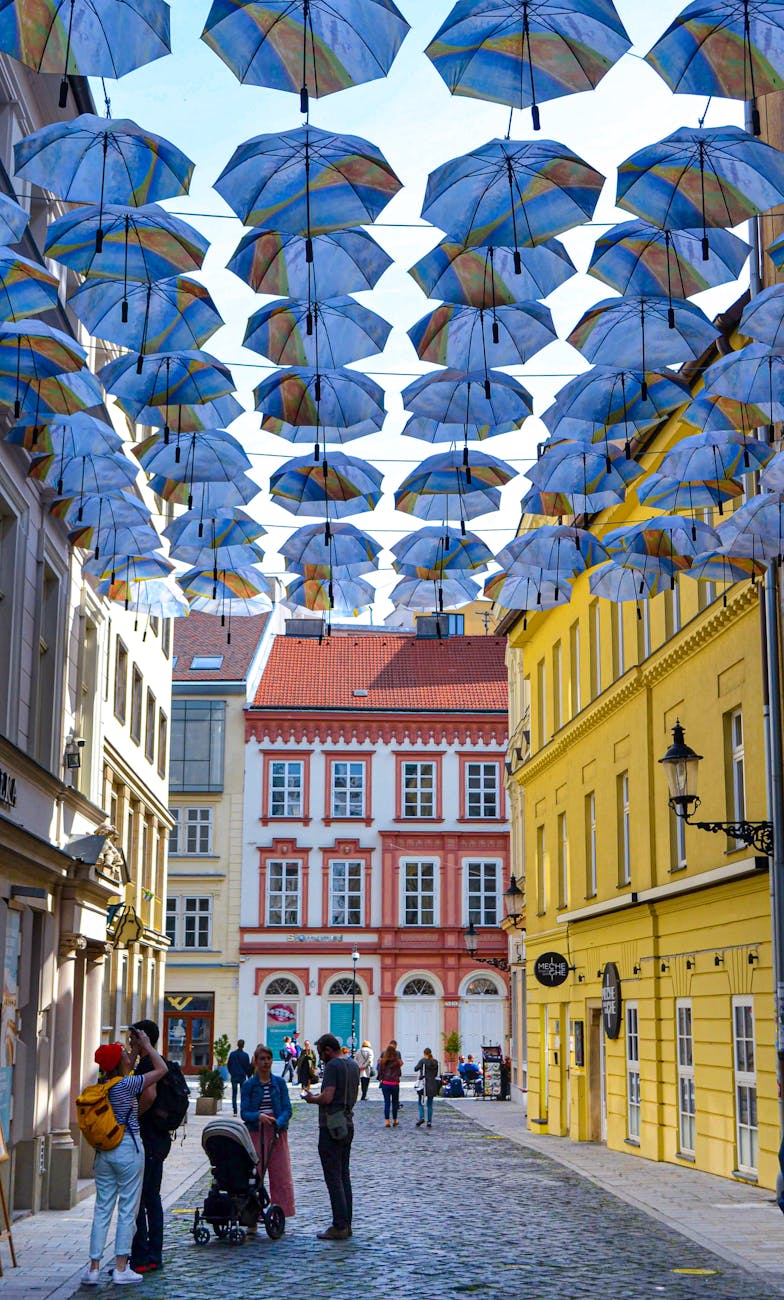
The High Tatras are Eastern Europe's highest mountains. Twenty-five peaks over 2,500m. Granite spires, glacier lakes, dwarf pine forests.
Štrbské Pleso is the main resort base. The alpine lake sits at 1,346m. Hotels, restaurants, cable cars. It's developed but not overdeveloped.
The Tatranská Magistrala trail runs 28 miles through the range. Most hikers tackle sections—Štrbské Pleso to Popradské Pleso takes 3 hours, offers glacier lake views and mountain hut stops.
Trail difficulty ranges from green (easy) to red (technical). Registration with Slovak Mountaineering Union required for serious routes. Mountain huts provide overnight accommodation.
The Tatras span five ecological zones from valley to summit. Wildlife includes chamois, marmots, and eagles. It's a protected national park—respect the rules.
Slovakia has 180 castles and 425 chateaux. Many are ruins. Several are spectacular.
Spiš Castle in eastern Slovakia is UNESCO-listed and one of Europe's largest castle complexes. It sits on a hilltop, visible for kilometers. The medieval fortifications are mostly intact.
Bojnice Castle is the romantic version—turrets, Renaissance architecture, well-preserved interiors. It's one of Slovakia's most-visited sites.
Devín Castle sits where the Morava River meets the Danube, just outside Bratislava. The ruins overlook three countries. Archaeological evidence shows 5,000 years of settlement.
Castle-hopping is a legitimate travel strategy in Slovakia. Most charge €5-10 entrance. Many offer English tours.
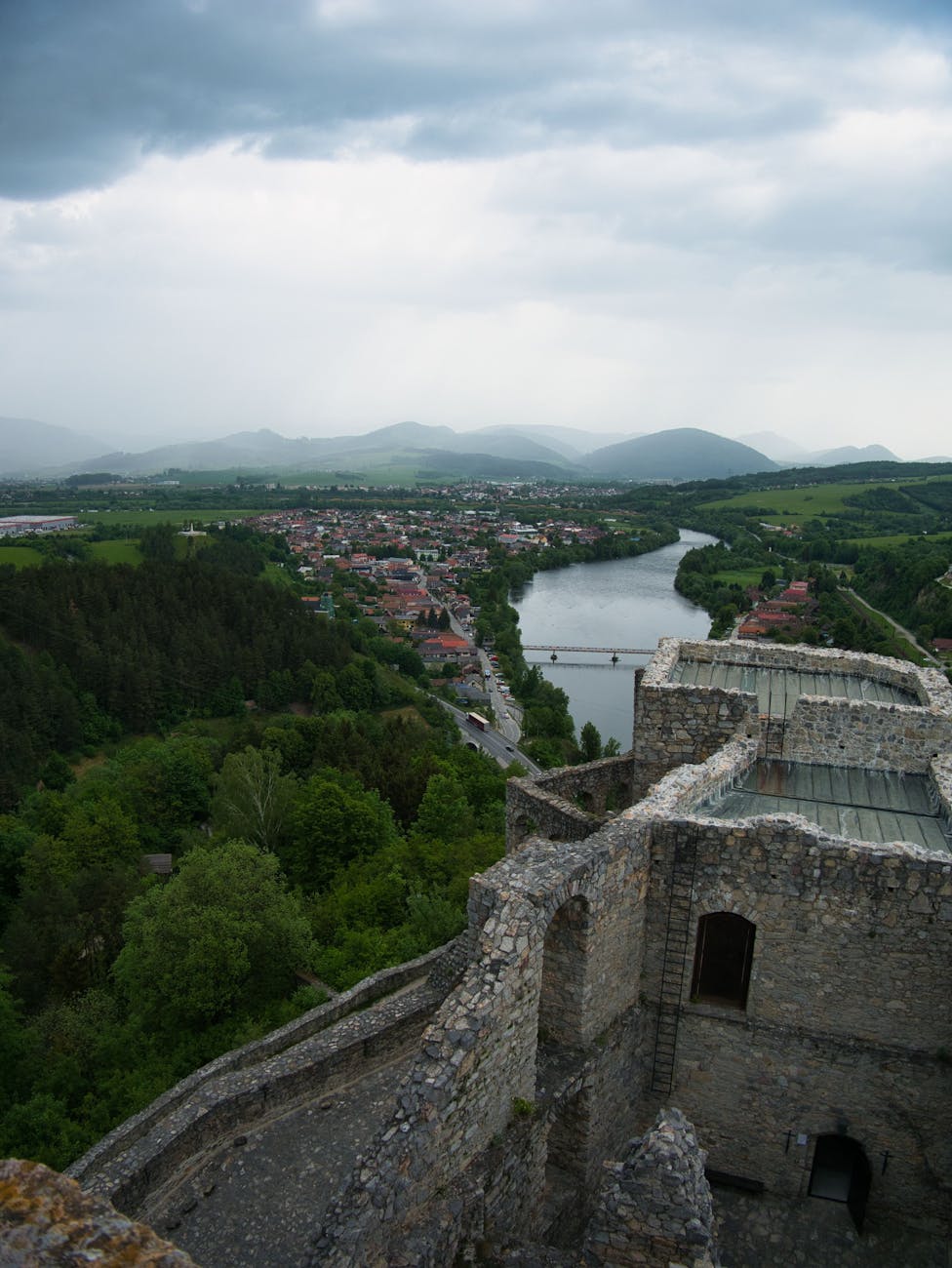
Slovenský Raj means "Slovak Paradise." It's a national park in central Slovakia. The name is accurate.
The park features deep gorges, cascading waterfalls, and fir forests. What makes it unique: the hiking trails use ladders, chains, and bridges to navigate vertical terrain.
The Suchá Belá gorge trail climbs 300m through waterfalls using 19 ladders and numerous footbridges. It's not technical climbing but it's physical and exposed. Wear proper shoes.
Dobšinská Ice Cave nearby is one of Europe's largest ice caves. Open mid-May to mid-September. Tours run hourly. Temperature inside: -3°C year-round.
Slovenský Raj gets Slovak and Polish tourists but remains unknown internationally. That's changing but slowly.