
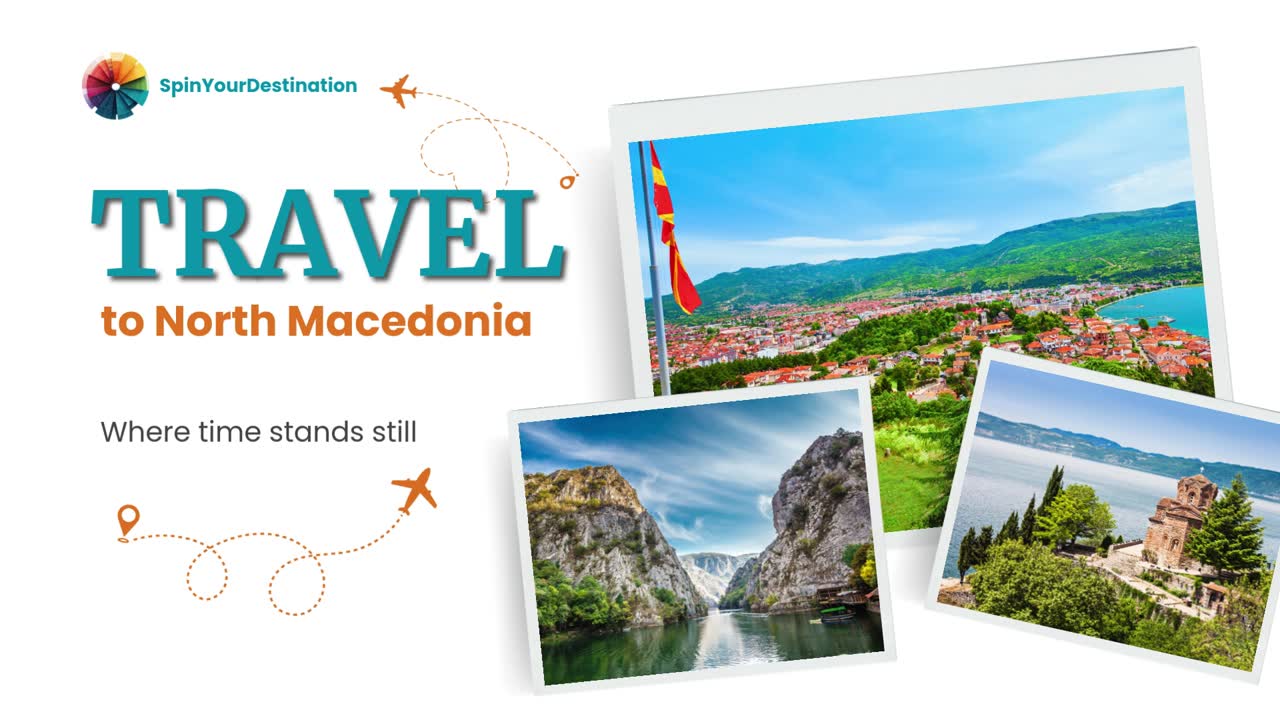

Ohrid sits on Europe's oldest lake. Three million years old. The town itself dates to the Bronze Age.
The Old Town climbs uphill from the water. Medieval churches, cobblestone paths, red-tiled roofs. St. John at Kaneo is the postcard shot—clifftop church with the lake behind it.
Samuel's Fortress crowns the hill. Byzantine walls, 18 towers. Climb up for views across the lake to Albania.
Lake Ohrid itself is what makes this place special. Clear water. Pebble beaches. Endemic fish species found nowhere else. You swim, kayak, or just sit at a lakeside restaurant.
Ohrid earned UNESCO status for good reason. It's one of Europe's most complete historical ensembles, and it feels authentic—locals still live in the old town.

Skopje is North Macedonia's capital and its biggest surprise. A 1963 earthquake destroyed much of the city, so what you see is a mix—rebuilt modernist blocks, Ottoman-era quarters, and recent grandiose statues.
The Old Bazaar is one of the Balkans' largest. Spice stalls, copper workshops, mosques, caravanserais. You smell grilled kebapi, hear the call to prayer, navigate narrow lanes packed with life.
Kale Fortress sits above the city. Built by Byzantines in the 6th century, it offers views over the Vardar River and the city sprawl.
Macedonia Square is the modern heart—dominated by the massive "Warrior on a Horse" statue (officially unnamed, but everyone knows who it represents). Love it or hate it, Skopje's recent architectural additions spark strong opinions.
Matka Canyon lies 15 km southwest. Kayaking, hiking, cave exploration. It's Skopje's nature escape—steep cliffs, turquoise river, medieval monasteries clinging to rock walls.
North Macedonia's mountains hide dozens of monasteries. Some are working, others ruins. Many hold remarkable frescoes.
Sveti Naum Monastery sits 29 km south of Ohrid, near the Albanian border. Built in 905 AD. Peacocks roam the courtyard. Springs feed impossibly clear pools you can boat through.
Sveti Jovan Bigorski Monastery in Mavrovo National Park dates to 1020. Remote, forested, stunning wood-carved iconostasis. The monks still chant daily prayers.
Mavrovo itself is North Macedonia's largest national park. Skiing in winter, hiking in summer. Mavrovo Lake has a half-submerged church—the water rose when they built the dam.
These mountains are quiet. You hike, breathe pine air, occasionally meet shepherds. It's a different pace from the lakeside towns.

Macedonian food blends Ottoman, Balkan, and Mediterranean influences. Tavče gravče (baked beans) is the national dish. Ajvar (red pepper spread) appears at every meal.
Kebapi and pastrmajlija (spiced meat flatbread) are staples. Fresh lake trout in Ohrid. Shopska salad (tomatoes, cucumbers, cheese) everywhere.
The wine is improving. Tikveš region produces reds from Vranec and Stanušina grapes. Wineries like Popova Kula and Stobi offer tastings and tours.
Rakija (fruit brandy) is serious business. Plum, grape, quince. Every family makes their own. Expect toasts. Say "Živeli" (cheers).
Hospitality here is real. Slow meals, shared tables, locals who want to tell you about their country. North Macedonia doesn't get millions of tourists—you're welcomed, not processed.