
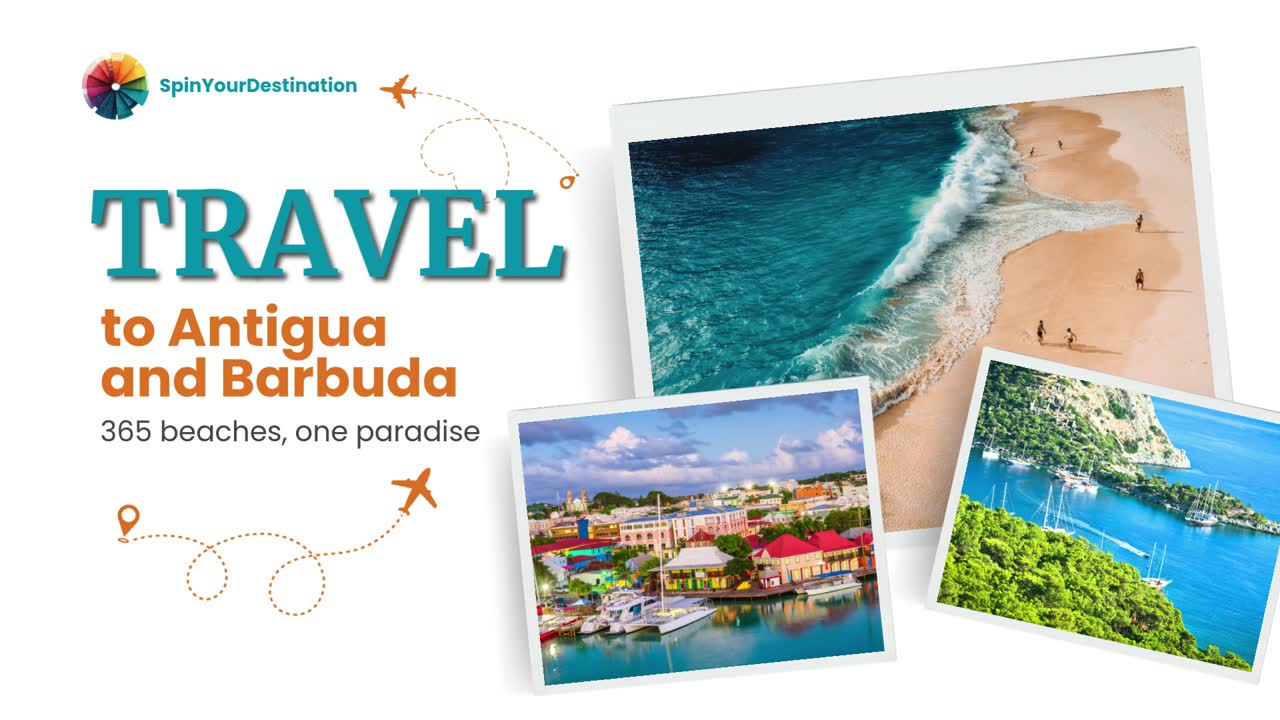

Antigua claims 365 beaches — one for every day of the year. The number is more poetic than precise, but the spirit is right: whatever beach experience you're looking for, Antigua likely has it somewhere around its irregular 87km coastline.
Half Moon Bay on the Atlantic-facing east coast is the wild one: a 400-metre crescent of white sand where surf crashes in from open ocean. Bring a body board. Dickenson Bay on the northwest is the busy one: water sports, beach bars, and the full Caribbean resort experience. Ffryes Beach on the west coast is the quiet one: calm water, no vendors, almost no one, and the afternoon sun directly overhead.
Pigeon Point and Darkwood Beach on the southwest have some of the island's calmest water — protected by headlands, shallow, ideal for families and poor swimmers. Rendezvous Bay, accessible only by boat or a 45-minute hike, rewards the effort with a beach that rarely sees more than a handful of people.
Beach hopping is straightforward: rent a car (EC$150–200/day) and drive the perimeter road, stopping wherever looks good. The entire coastline road takes under two hours without stops. Allow a full day if you're stopping properly. Pack a cool box: beach bars are hit-and-miss outside the main tourist areas.
Best season: December–April is the dry season. May–November brings the occasional tropical shower and hurricane risk (peak August–October), but the water stays warm year-round (26–29°C) and off-season rates drop significantly.

English Harbour in Antigua's south is one of the Caribbean's most remarkable places. The natural harbour — a deep, sheltered anchorage surrounded by hills — was the British Royal Navy's main Caribbean base from the 1720s onwards. Today Nelson's Dockyard, the fully restored Georgian naval yard, is a UNESCO World Heritage Site and still operational: yachts fill the same berths where 18th-century warships were careened and repaired.
The dockyard's stone warehouses, sail lofts, and officers' quarters now house restaurants, chandleries, boutique hotels, and the excellent Dockyard Museum. Entry to the heritage area costs EC$30 (around US$11), which also includes access to Shirley Heights and the Dow's Hill Interpretation Centre. Allow two to three hours. The museum alone — with its navigation instruments, charts, and exhibits on slavery and colonial maritime history — merits serious attention.
Sailing Week, held in late April or early May, transforms English Harbour into one of the Caribbean's great spectacles. Founded in 1967, it draws over 100 yachts and 1,500 crew for five days of racing around the island, with parties onshore every evening. Even non-sailors can watch the fleet from the Shirley Heights promontory — the view of dozens of yachts rounding the headland is genuinely extraordinary.
Shirley Heights on Sunday afternoon is Antigua's defining social ritual. The fortification above English Harbour hosts a weekly sunset barbecue and party — steel drum in the afternoon, reggae band as the light drops, the entire population of the tourist economy turning up on the ramparts to watch the sun set over the harbour. Arrive by 4pm for the food; stay for the music. EC$20 entry includes a rum punch.
Barbuda sits 27km north of Antigua across the open water — 25 minutes by daily ferry from Antigua's main pier, or a 15-minute flight from V.C. Bird International Airport. Most Antigua visitors never make it. This is their mistake and your advantage.
Barbuda is flat coral limestone — no dramatic hills, no lush rainforest. What it has is space, silence, and the pink sand beach: a 17-mile arc of crushed coral on the west coast, uninterrupted, rarely occupied. Pink sand beaches of this scale exist almost nowhere else on earth. Walk the full length in a morning. You will see perhaps ten other people.
Codrington Lagoon National Park protects one of the Western Hemisphere's largest frigate bird colonies: over 5,000 frigate birds nest in the mangroves, with peak mating season from September to April. Male frigates inflate their scarlet throat pouches during courtship — photographically extraordinary and unlike anything you will see elsewhere. Access the lagoon by licensed sea taxi from Codrington village (the island's only settlement); tours run approximately 90 minutes. Arrange through Barbuda Tourism Office at least a day ahead.
Barbuda received direct hurricane impact from Irma in 2017 — the island was completely evacuated, and rebuilding has been slow. Infrastructure remains basic. Day trips from Antigua work better than overnight stays for most visitors. Bring everything you need: food, water, cash, sunscreen. ATMs do not reliably function.

Saint John's, Antigua's capital, sits on the island's northwestern coast — a compact city of 22,000 people, painted wooden buildings, and the twin silver-domed towers of Saint John's Cathedral rising above the rooftops. The cathedral dates to 1845 and is worth the short climb to the entrance for the views down to the harbour.
Heritage Quay and Redcliffe Quay at the waterfront are the main shopping and eating areas. Redcliffe is the more atmospheric of the two: converted 18th-century warehouses that once stored slaves and goods, now holding restaurants, craft shops, and rum bars. The national rum — English Harbour Rum, aged in American oak barrels at the dockyard — is excellent and available everywhere for EC$40–60 per bottle.
Cricket is the national religion. The Sir Vivian Richards Cricket Ground (named after Antigua's most famous son) hosts international Test matches and Caribbean Premier League fixtures. If a match falls during your stay, attend. West Indian cricket crowds are some of the most enthusiastic in the world — drumming, chanting, and the smell of barbecue smoke drifting from the stands throughout.
The journey between the beaches, English Harbour, and Saint John's takes under 40 minutes by car in any combination. Antigua is small enough to absorb properly in a week — large enough that a week still leaves beaches unseen and bays unexplored.