
Maputo is not like other African capitals. The wide boulevards, pastel-painted villas, and wrought-iron balconies left over from colonial rule give it a Mediterranean texture, but the soul is entirely Mozambican.
The Central Market is the best introduction: towers of cashews, dried fish, bright fabrics, and spice. Nearby, the iron house designed by Gustave Eiffel—yes, that Eiffel—sits as a quietly eccentric landmark.
The Nucleo de Arte cooperative has represented Mozambican artists since 1987. Paintings, sculpture, and printmaking fill the space. Nothing is mass-produced for tourists.
The Baixa neighbourhood at night is where the city loosens up: outdoor bars, fresh seafood, cold Laurentina beer, and live music spilling into the street well past midnight.
Fly in, spend two nights, eat everything. Then head north to the coast.
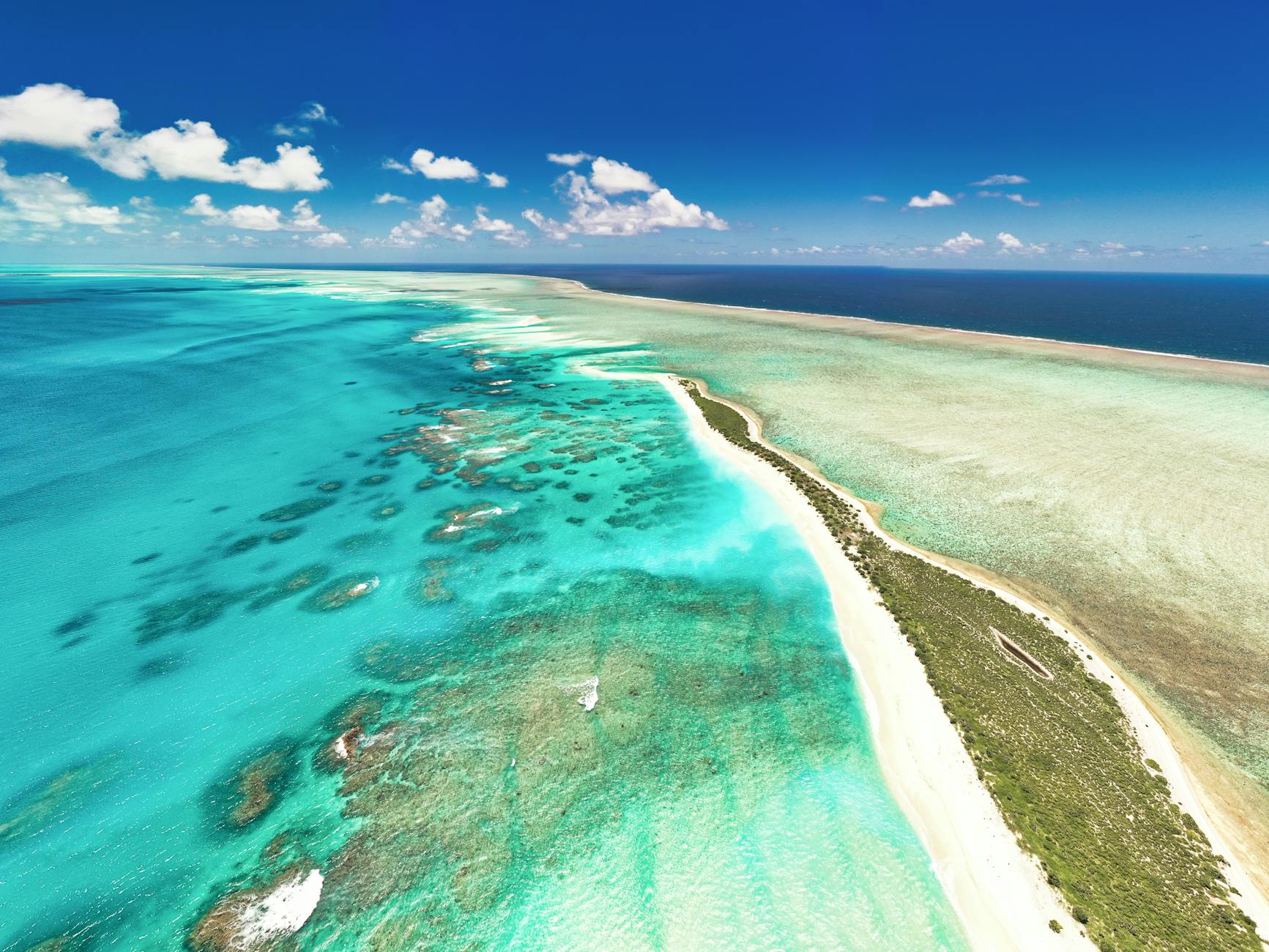
Bazaruto, Benguerra, Magaruque, Santa Carolina, and Bangue. Five islands protected as a Marine National Park since 1971. The reef here is one of the healthiest in the western Indian Ocean.
Dugongs still feed in the seagrass beds. Manta rays pass through the channels. Humpback whales move through between July and October. The diving is genuinely extraordinary.
Two Mile Reef is the main dive site: dramatic drop-offs, enormous groupers, and schooling fish in numbers that feel impossible. Snorkelling over the shallower sections is equally good.
The islands are not cheap—transport runs by light aircraft or speedboat from Vilanculos, and the lodges lean toward barefoot luxury. But the trade-off is space: on most of these beaches, you will be completely alone.
Stay at least five nights. Tide schedules govern life here, and the pace rewards patience.
Vilanculos is the launch point for the archipelago—a small, relaxed fishing town with a long beach, cold beer, and excellent fresh-caught seafood. Most travellers spend a night before or after the islands.
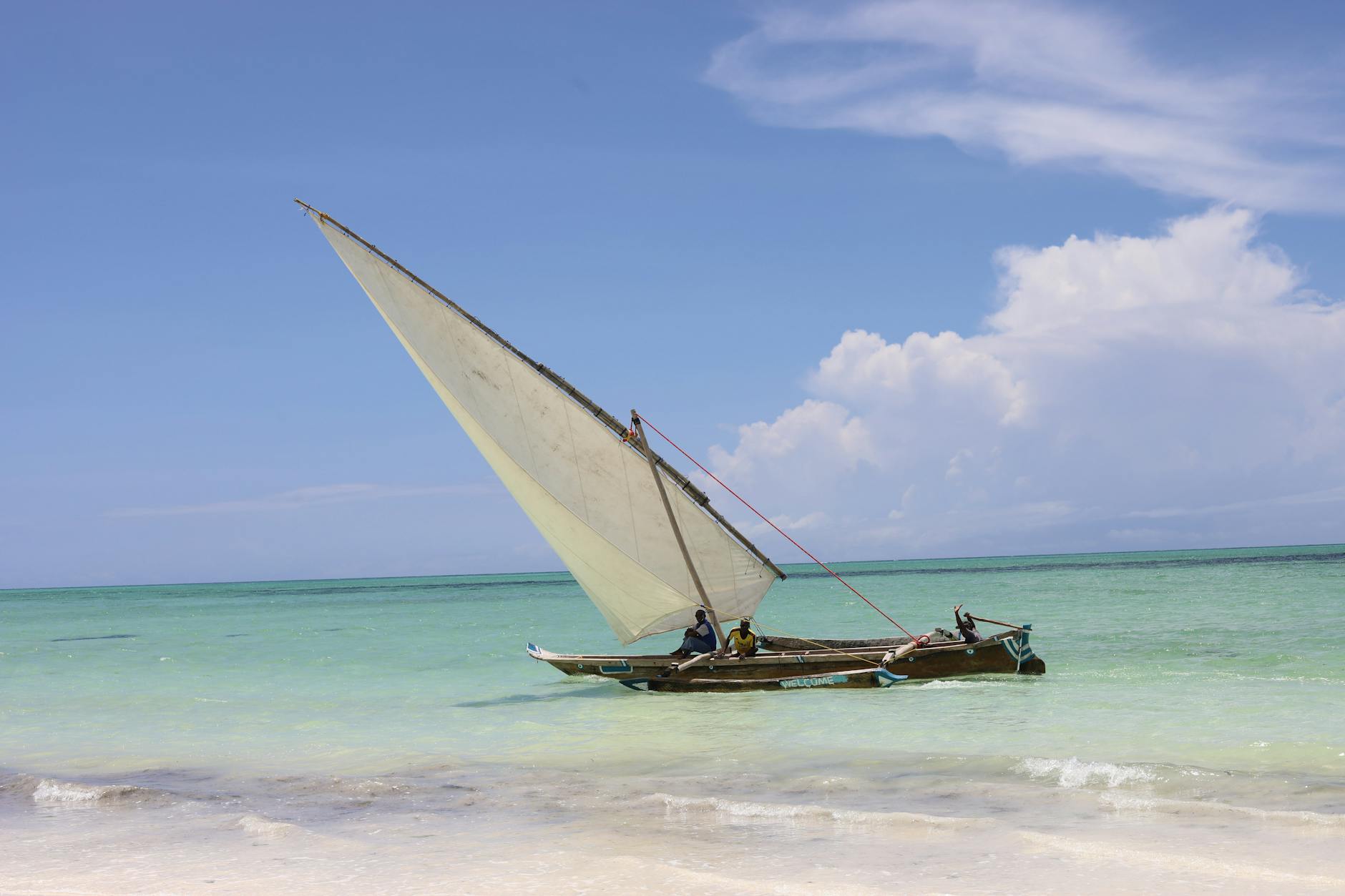
But it is also worth a half-day in its own right. Horse riding along the beach at low tide is genuinely good here. Traditional dhow sailing trips go out to the sandbanks. At sunset, the silhouettes of wooden sailboats on the orange water are one of those images that do not leave you.
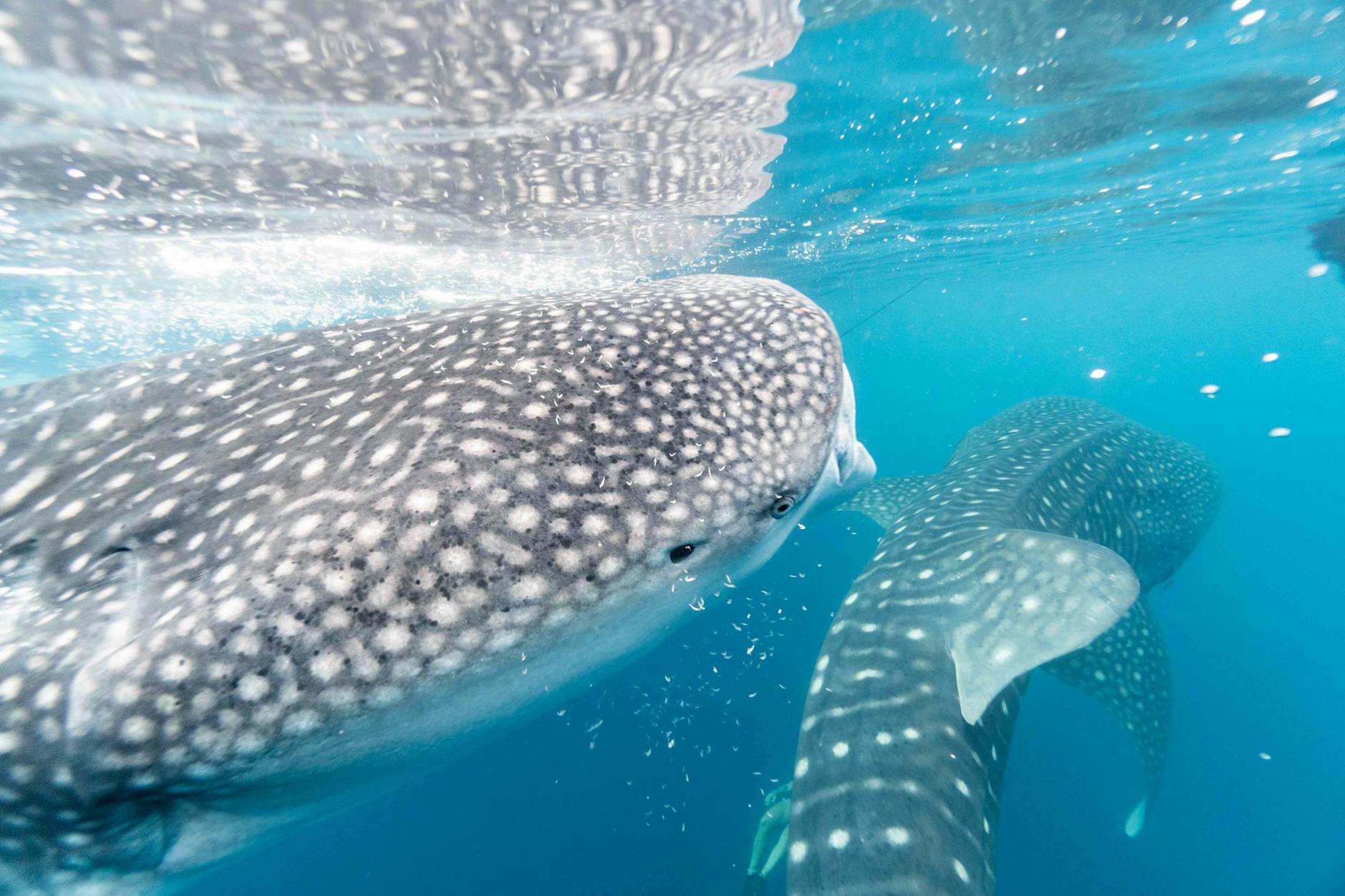
North of Vilanculos, Inhambane Province holds the beaches of Tofo and Barra—known for manta rays, whale sharks (June to September is peak season), and serious surf. It is a younger, more backpacker-friendly scene than the archipelago.
In the far north, a 3km causeway leads to a tiny island that was once the capital of Portuguese East Africa. Vasco da Gama stopped here. The island held the seat of colonial power for 400 years.
What remains is extraordinary: the 16th-century Fort of São Sebastião, one of the oldest European buildings in sub-Saharan Africa, stands intact at the northern tip. The Stone Town architecture—Arab, Portuguese, and Indian influences layered on top of each other—was awarded UNESCO World Heritage status in 1991.
The southern half of the island is the Reed Town: tighter streets, smaller houses, the everyday life of a fishing community. The contrast between the two halves is striking and immediate.
Mozambique moves slowly. The distances between places are vast, the infrastructure is basic in parts, and the logistics require planning. But what you get in return—reef, bush, history, and some of the warmest coastline on earth—is genuinely rare.