This is your destination guide for Mallorca
📍 Part of SpainMediterranean coast, mountain hiking, and a food scene people don't talk about enough.

The reality: You're driving north from Palma. The road rises into the Serra de Tramuntana — cliffs on one side, terraced olive groves on the other. You stop in Sóller for coffee. The square is full of locals, not tourists. The package-holiday strip is on the south coast, an hour and a world away.
That's the trick of Mallorca. Magaluf and Palma Beach exist, but they're 5% of the island. The rest is mountain villages, fishing coves, hiking trails older than Spain itself, and some of the best food in the western Mediterranean.
Most travellers come for beach and leave with sore legs from one good hike. Most cyclists come for the climbs and stay for the coffee. Most foodies come for tapas and discover a wine region nobody talks about. Mallorca is bigger than its reputation. Rent a car. Drive 30 minutes from the airport. You'll see why.
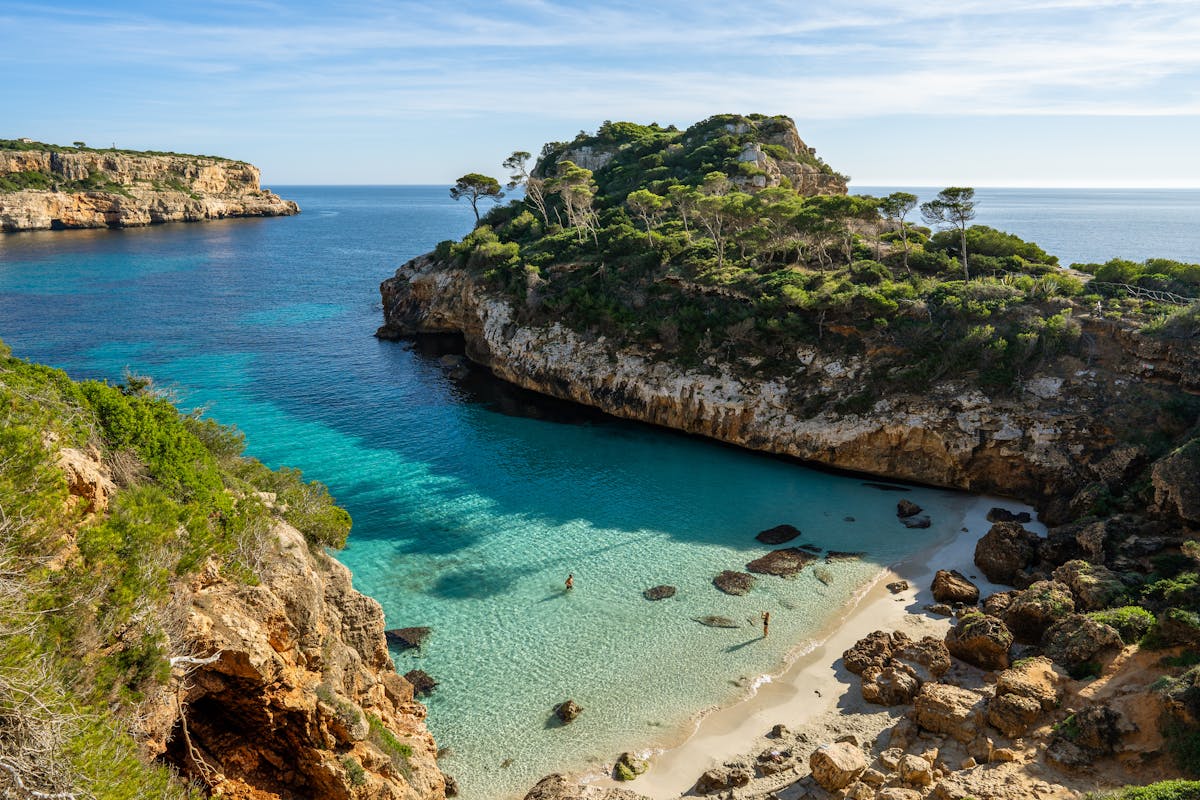
Mallorca has over 200 beaches. The big sandy ones are loud and busy. The small calas — limestone coves tucked into pine forest — are why people come back.
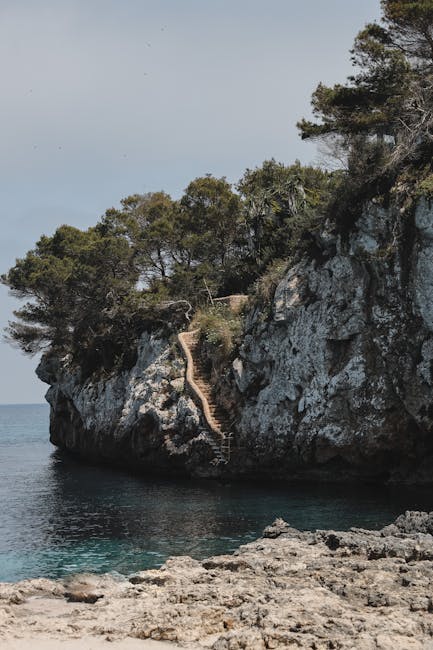
Cala Llombards — a textbook cove on the south-east coast. Pine cliffs, turquoise water, a 10-minute walk down from the parking. Arrive before 10 AM in summer or you won't park.
Cala Varques — no road to it. Park and walk 25 minutes through farmland. No facilities, no umbrellas, just one of the prettiest swims on the island. Bring water.
Es Trenc — the closest Mallorca gets to a Caribbean beach. Two kilometres of white sand backed by dunes. Some sections have umbrellas, some don't. The far end is naturist, in case that matters.
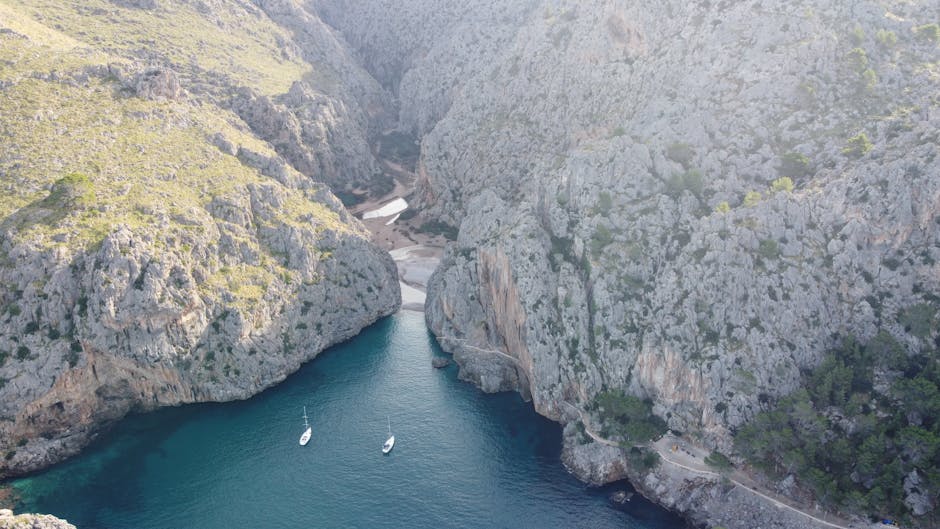
Sa Calobra — at the bottom of a 12-kilometre switchback road that drops 800 metres to the sea. Cyclists love it. Drivers hate it at midday. The cove itself is small but the canyon walk (Torrent de Pareis) starts here. Worth the drive once.
Playa de Muro — for families with young kids. Shallow water for 50 metres out, fine sand, four kilometres long. Plenty of room even in August.
Cala Mondragó — a protected nature reserve. Two coves linked by a 15-minute clifftop path. The northern cove (S'Amarador) is calmer and better for snorkelling.
You can see Mallorca's best towns in three days if you pick well. They each do something different.
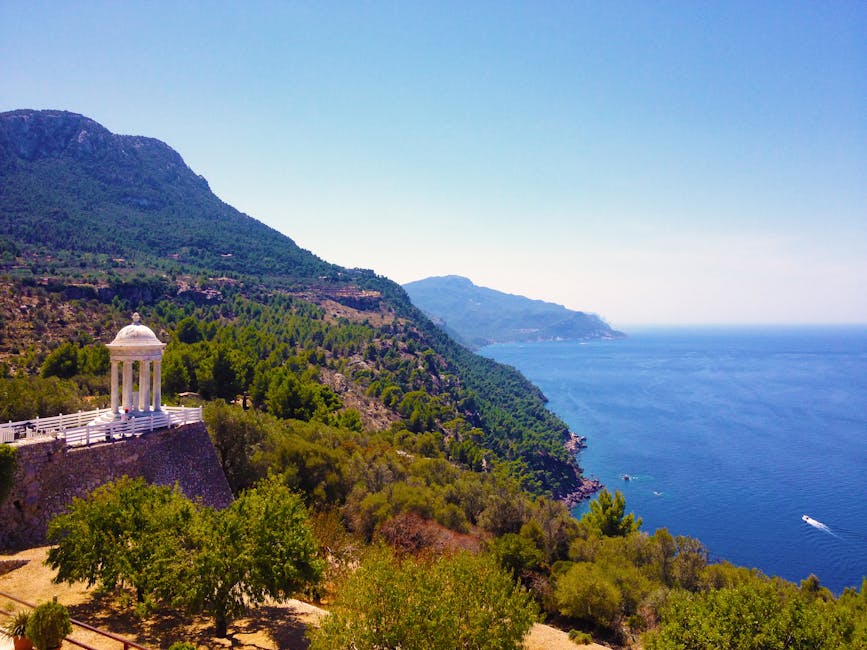
Palma — the city base. A walkable Old Town with a Gothic cathedral that sits right on the sea wall (you can swim and look up at it). Arab baths, courtyards behind every gate, a tapas street called Carrer de Sant Joan where locals actually eat. The Palma–Sóller train leaves from here. Don't skip a morning at the Mercat de l'Olivar food market.
Sóller — sits in a valley of orange and lemon groves between the mountains and a small port. The wooden train from Palma takes an hour through tunnels and orchards. The tram down to Port de Sóller is the prettiest commute you'll ever take. Cool in summer, alive year-round. A good place to base yourself for hikes.
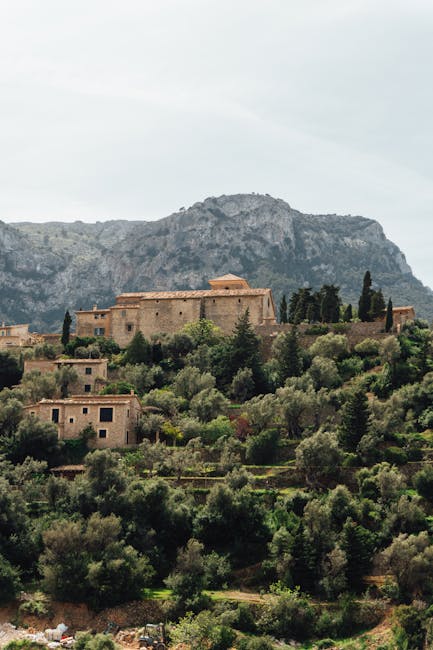
Deià — the writers' village clinging to a cliff. Robert Graves lived (and is buried) here. Stone houses, lemon trees, a single road through. Cala Deià beach is a 30-minute walk down — the restaurant Ca's Patró March (right on the water) is famous and expensive but the seafood is real. Sunsets here are the calmest you'll find.
Valldemossa — Chopin spent the winter of 1838 here with George Sand. The monastery he stayed in is the main sight. Best done as a half-day. Get a coca de patata (potato bun, dusted in sugar — strange and good) from Ca'n Molinas.
Pollença — northern Mallorca's working town. 365 steps up to the Calvari chapel for the view. Sunday market is the real one — locals shop here. Port de Pollença, 10 minutes downhill, is the calmer beach base.
Alcúdia — Roman walls still ringing a small medieval town. Less famous than the others, which is exactly why it's worth a morning.
For people who like moving without turning a holiday into a training camp.
Mallorca has a reputation as a cycling and hiking island, which puts some travellers off — they think it's all Lycra and elevation profiles. It's not. The Serra de Tramuntana is a UNESCO site full of stone paths that locals have used for centuries. Most are accessible to anyone with decent shoes and a half-day.
Mallorca eats better than its reputation. Spanish base, North African echoes, a strong farm-to-table movement, and a wine region (Binissalem) most travellers don't know exists.
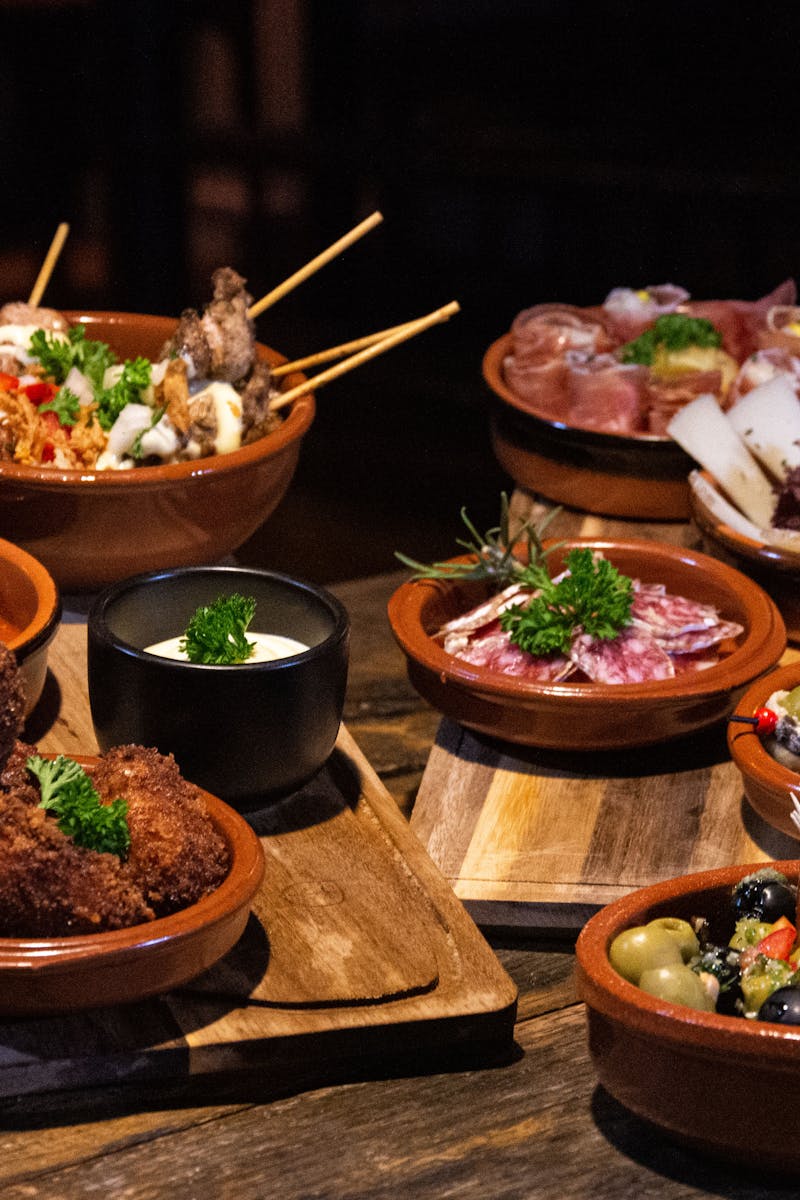
Sobrassada — the island's signature: cured pork, smoky and paprika-rich, spreadable on bread. Eaten with honey. Strange the first time, addictive the second.
Pa amb oli — bread, ripe tomato rubbed on, olive oil, salt. The everyday Mallorcan snack. Don't dismiss it before you try the real version.
Ensaïmada — a spiral pastry dusted with icing sugar. Eaten with coffee at breakfast. The plain one is the best one.
Tumbet — layers of fried potato, aubergine, and pepper with tomato sauce. The Mallorcan answer to ratatouille.
Where to eat: look for a celler — old wine cellars turned restaurants. Stone walls, big wooden tables, slow lunches. Celler Sa Premsa in Palma is the famous one (touristy but the food's still good). Celler Can Amer in Inca is the better one, in a town nobody visits. Both around €20–30 a head for full lunch with wine.
Wine region: Binissalem, in the middle of the island, has been making wine since Roman times. The local grape (Manto Negro) makes ruby reds you won't find off the island. Most wineries do tastings — Bodegas José L. Ferrer is the easy introduction, 4 Kilos for the cult favourite. Half a day, €15–25 per tasting.
May, June, September, October are the right months. 22–28°C. Sea swimmable from June onward. Hiking comfortable. Restaurants open. Towns alive but not jammed. This is where you want to be.
July and August — hot (often 32–35°C, sometimes 38°C inland), crowded, expensive. Hotels double in price. Beach parking fills before 10 AM. Mountain hikes become uncomfortable after 11 AM. Avoid unless your dates are fixed.
February — the local secret. Almond blossom covers the island in white and pink for two weeks (usually mid-Feb to early March). Cool (15°C), not cold. Half the price of summer. Most coastal restaurants closed but Palma, Sóller, and Deià stay open year-round. Pro cyclists arrive end of month — book accommodation early if you want quiet.
November to January — quietest of all. Mild days, cool nights. Bring layers. Good for city breaks based in Palma — bad for beach.
Rent a car. The whole point of Mallorca is leaving the resort. Buses connect Palma to bigger towns but skip half the island — and they don't run frequently outside summer. Roads are good. Mountain driving in the Tramuntana is fine if you're patient with hairpins and other people's nerves.
The Palma–Sóller train — 100 years old, wooden carriages, runs through citrus orchards and a five-kilometre tunnel through the mountain. More tourist attraction than transport, but worth doing once. The tram from Sóller down to the port is part of the experience.
Taxis and rideshare — taxis are reliable in Palma and resort towns, scarce everywhere else. Uber and Bolt have spotty coverage outside the capital.
Pick a base based on what you want. Mallorca is small enough to day-trip from anywhere — but each base has a different feel.
Palma — for the city. Dinner out every night, museums, easy day trips by car.
Sóller or Deià — for the mountains. Cooler, quieter, hiking from the door, fewer beaches nearby.
Pollença or Port de Pollença — for the calm north. Families, returners, fewer parties, the best cycling.
Cala d'Or or Santanyí — for south-coast coves. More built up around Cala d'Or, more local around Santanyí.
A finca — a converted farmhouse inland. Pool, almond grove, quiet. Best with a car and at least four nights.
Mallorca isn't the cheap Mediterranean. Prices sit between mainland Spain and the French Riviera — closer to the Riviera in high season.
Prices in 2026 euros. Off-season knocks 30–40% off most of this.
Go if you want Mediterranean variety in one island you can drive across in two hours — mountain hikes, hidden coves, slow lunches, and a wine region nobody talks about. Skip if you came for Magaluf, or for total solitude.
Found this useful? Share it.
Still planning?
We don't stop at "here's the country." Real places to stay, what to do, apps that matter, even how to find someone to travel with — plus guides for whatever vibe you're after, from beach days to wine country to slow weekends. All up top. Spin for somewhere new when you're done with this one.