

Spain Drink Guide
From the oak-aged reservas of Rioja to the cathedral cellars of Jerez, the vermut bars of Madrid and the gin & tonic revolution of Barcelona — Spain's drinking culture is one of Europe's great pleasures.
No country drinks quite like Spain. The wine regions alone — Rioja, Ribera del Duero, Priorat, Rías Baixas, Jerez — span every style from aged red giants to bone-dry fino sherry, served cold from the cask. Then there is the aperitivo culture: vermouth on tap at noon on a Sunday, gin & tonics served in balloon glasses with fresh botanicals, Cava poured at any hour.
Spain's café culture is equally distinctive: café solo, cortado, café con leche, each served at a marble bar with a pastry, in buildings that have barely changed in a century. Here are the places worth visiting in person.
This guide contains information about alcoholic beverages and is intended for adults of legal drinking age in their country.
Wine — Vineyards & Bodegas
Spain has more land under vine than any country on earth — and a wine culture of stunning depth and variety. Rioja defined the oak-aged Tempranillo that conquered the world; Jerez invented sherry; Galicia's Albariño redefined Spanish white wine. The bodegas are worth visiting for the architecture alone.
Rioja
Spain's most famous wine region and the heartland of oak-aged Tempranillo. The Barrio de la Estación in Haro — a cluster of grand Belle Époque bodegas within walking distance of the railway station — is one of the great wine pilgrimages in Europe. Rioja Alta produces the finest, most elegant wines; the Alavesa gives freshness; the Oriental gives body and power. The region also offers some of the most spectacular winery architecture in the world.
Key grapes: Tempranillo · Garnacha · Mazuelo · Graciano · Viura

Marqués de Riscal
Elciego, Álava (Rioja Alavesa)
The most extraordinary winery in Spain — and possibly in the world. Frank Gehry's titanium-clad hotel and visitor centre rises above the 19th-century bodega like a crumpled wave of silver, pink and gold. Founded in 1858, Marqués de Riscal was the first Rioja winery to plant Cabernet Sauvignon and hire a Bordeaux oenologist. Tours run daily in multiple languages and include the original 1858 cellars, La Catedral (a collection of every vintage since 1862), and a tasting of their Reserva range. The Michelin-starred restaurant and wine spa round out an extraordinary day.
⏱ Mon–Sun 10:00–19:00 · 💰 From €30/person · 📍 Elciego, Álava · Book well in advance
Visit Marqués de Riscal → Reviews and book →
López de Heredia Viña Tondonia
Haro, La Rioja Alta
One of the three oldest wineries in Rioja, founded in 1877 — and still run by the same family with the same philosophy of extreme patience. Wines are aged for a minimum of six years before release; their Gran Reservas spend over a decade in barrel and bottle. The bodega itself is a cathedral of traditional winemaking: 200-metre sandstone galleries, an 1892 train carriage converted to a tasting room, and a Zaha Hadid-designed wine pavilion in the Barrio de la Estación. Visits by appointment only — and worth every effort to arrange.
⏱ By appointment only · 📞 bodega@lopezdeheredia.com · 📍 Av. de Vizcaya 3, Haro, La Rioja
Visit López de Heredia → Reviews and book →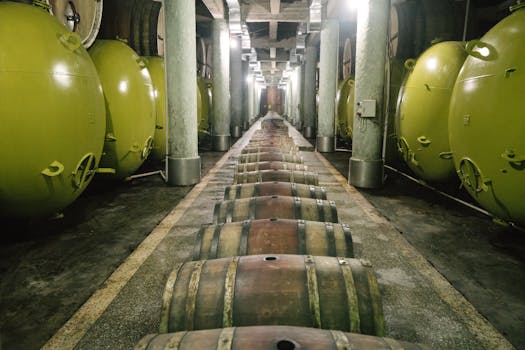
CVNE
Barrio de la Estación, Haro
Compañía Vinícola del Norte de España — founded in 1879 and still family-owned five generations later. CVNE's Belle Époque winery in the Barrio de la Estación features an extraordinary barrel room designed by Gustave Eiffel (the same engineer who built the tower in Paris) and a "wine cemetery" of historic vintages dating to the 19th century. Tours are available year-round; the Imperial experience includes access to the oldest cellars and a tasting of their iconic Imperial Reserva and Gran Reserva alongside local charcuterie. TripAdvisor Travellers' Choice 2022 winner.
⏱ Mon–Sun, various tour times · 📍 Av. Costa del Vino 21, Haro, La Rioja · Booking recommended
Visit CVNE → Reviews and book →Ribera del Duero
The great rival to Rioja — a high plateau at 850 metres altitude along the Duero river in Castile, producing some of Spain's most powerful, complex red wines. Vega Sicilia has been here since 1864; it was joined only in the 1980s by a wave of new estates that transformed the region. At its best, Ribera produces Tempranillo-based wines of extraordinary concentration and longevity.
Key grapes: Tinto Fino (Tempranillo) · Cabernet Sauvignon · Merlot · Malbec

Vega Sicilia
Valbuena de Duero, Valladolid
The most prestigious wine estate in Spain — and one of the most respected in the world. Founded in 1864, Vega Sicilia produces Único, a Gran Reserva so patiently aged (between 10 and 20 years in barrel and bottle) that vintages from the 1990s are still being released. The estate also makes Valbuena 5 Año and the Alión label. Visits are by appointment only and extremely limited — but the TEMPOS visitor experience gives access to the cellars and the philosophy of a winery that operates entirely on its own terms.
⏱ Strictly by appointment · 📍 Ctra. N-122, km 323, Valbuena de Duero, Valladolid
Visit Vega Sicilia → Reviews and book →
Bodegas Emilio Moro
Pesquera de Duero, Valladolid
Three generations of the Moro family have been making wine in Pesquera de Duero since 1932 — and Bodegas Emilio Moro has grown into one of the region's most celebrated estates. The visitor experience is exceptional: guided vineyard and winery tours, tastings ranging from their entry-level Finca Resalso to the premium Malleolus de Sanchomartin, and food pairings prepared by the estate chef. Rated #1 of all things to do in Pesquera de Duero on TripAdvisor. The on-site restaurant (4.9 stars) is the best table in the area.
⏱ Mon–Sun 10:00–18:00 · 💰 Tours from €15–75 · 📍 Pesquera de Duero, Valladolid
Visit Emilio Moro → Reviews and book →Jerez — Sherry Country
One of the world's most distinctive wine regions — and one of its most underrated. The sherry triangle (Jerez de la Frontera, Sanlúcar de Barrameda, El Puerto de Santa María) produces a range of fortified wines unlike anything else: bone-dry fino and manzanilla served ice-cold; rich amontillado; deep, nutty oloroso; and the extraordinary sweetness of Pedro Ximénez. The bodegas are vast, cathedral-like, and among the most beautiful in Europe.
Key grape: Palomino Fino (dry styles) · Pedro Ximénez (sweet) · Moscatel

González Byass
Jerez de la Frontera, Cádiz
The most visited winery in Europe — and home of the world's most famous sherry. Founded in 1835, González Byass is the house behind Tío Pepe fino, Lepanto brandy, and some of the most extraordinary old solera sherries still being produced. The bodega sprawls across 374,000 m² of historic cellars including La Concha, a circular pavilion designed by Gustave Eiffel, and Los Apóstoles, where casks signed by Orson Welles, Lady Thatcher and Martin Luther King still age quietly. Daily tours run in Spanish, English and German; the miniature train through the grounds is a highlight.
⏱ Daily tours from noon · 📍 Calle Manuel María González 12, Jerez de la Frontera · Book online
Visit González Byass → Reviews and book →
Bodegas Lustau
Calle Arcos, Jerez de la Frontera
Founded in 1896 and rated the Best Sherry Producer in the World by the International Wine and Spirit Competition in 2016. Lustau's six 19th-century cellars span 20,000 m² and contain some of the most remarkable sherries in Jerez — including their legendary Almacenista series, bottled from individual small-production soleras. Standard visits (€18) include five wines and a vermouth; the complete tasting (€28) covers seven wines and two vermouths. Ranked #7 of all things to do in Jerez on TripAdvisor.
⏱ Mon–Sat 9:30–16:00 · 💰 €18–28/person · 📍 Calle Arcos 53, Jerez de la Frontera · Book ahead
Visit Lustau → Reviews and book →🍷 Practical Wine Tips
- Rioja is labelled by aging: Joven (no oak), Crianza (12+ months oak), Reserva (24+ months), Gran Reserva (36+ months) — always check the back label
- Rioja's top bodegas in the Barrio de la Estación (Haro) are within walking distance of each other — plan a morning visiting three or four in sequence
- Vega Sicilia visits are extremely limited — apply months in advance and expect a waitlist; their wines sell decades before release
- Sherry should be served cold — fino and manzanilla at 7–9°C, like a crisp white wine, not at room temperature
- In Jerez, the city comes alive during the Feria del Caballo (May) — sherry flows in private casetas and the atmosphere is extraordinary
- González Byass and Lustau are within 10 minutes walk of each other in Jerez — visit both on the same day
Wine Bars & Tabernas
Spain's taberna tradition is built for standing up, drinking seriously, and going nowhere fast. A copa of fino from the cask, a plate of jamón, a bar that hasn't changed in 60 years — this is the best drinking Spain offers.

La Venencia
Calle Echegaray, Madrid
The most atmospheric bar in Madrid — a sherry-only taberna on Calle Echegaray that has not changed since it opened in 1922. Fino, manzanilla, palo cortado, amontillado, oloroso — all poured directly from the cask into small glasses chalked up on the bar. The rules are strict: no photographs, no tips, no nonsense. Bullfighting posters peel from the walls; barrels age silently behind the counter. Arrive before 8pm or expect a queue. One of the great bars of Europe.
⏱ Mon–Sun 13:00–15:30 & 19:30–01:00 · 📍 Calle de Echegaray 7, Barrio de las Letras, Madrid · No photos
Visit La Venencia → Reviews and book →
El Xampanyet
Carrer de Montcada, El Born, Barcelona
Barcelona's most beloved cava bar — a lively, chaotic, utterly charming taberna directly across from the Museu Picasso on one of the city's most beautiful medieval streets. The house cava (white and rosé) is served at a ridiculous price and is the point of the whole place. Marble-topped tables, wine barrels as decoration, zinc bar, and a rapid-fire service that somehow still feels warm. Tapas — anchovies, croquettes, pa amb tomàquet — arrive quickly. Close at lunch (1pm) and after dinner (11pm). One of the true Barcelona classics.
⏱ Mon–Sat 12:00–15:30 & 19:00–23:00 · 📍 Carrer de Montcada 22, El Born, Barcelona · Walk-in only
Visit El Xampanyet → Reviews and book →
Bodega La Ardosa
Calle de Colón, Malasaña, Madrid
Founded in 1892 in the heart of Malasaña — one of Madrid's oldest and most genuinely local tabernas, with the oldest Guinness tap in Spain and some of the best vermouth on tap in the city. The tortilla de patatas is legendary (regularly voted one of the best in Madrid); the wine list focuses on Rioja and Ribera del Duero at cellar-door prices. The original engraved glass sign, tiled skirting and vintage fan are all intact. The kind of bar that holds a neighbourhood together.
⏱ Mon–Thu 8am–2am · 📍 Calle de Colón 13, Malasaña, Madrid · Metro: Tribunal (L1/L10)
Visit La Ardosa → Reviews and book →Know Your Spanish Wine
Spain's wine classification system is unique — based primarily on oak aging rather than geography. Here's what the labels actually mean before you visit a bodega.
Spain has the largest area under vine of any country on earth — over 960,000 hectares — yet produces less wine per hectare than France or Italy. Low yields in the arid interior create concentrated, structured wines built to age. The best Rioja Gran Reservas and Ribera del Duero wines comfortably last 30–50 years.
Spirits, Brandy & Vermut
Spain produces some of Europe's finest brandies — aged in ex-sherry casks in the Jerez solera system, with a richness entirely unlike Cognac or Armagnac. And then there's the vermut ritual: on tap at noon on a Sunday, with olives, served without ceremony in a bar that's been doing it the same way for 80 years.
Penedès, Jerez & the G&T Revolution
Three of Spain's most important addresses for spirits — from the wine-growing family that perfected Spanish brandy to the sherry house whose by-products created a distilling tradition, and the Barcelona distillery that reinvented gin for a global audience.
Key spirits: Brandy de Jerez · Orujo · Pacharán · Hierbas · Gin Mare · Vermut

Familia Torres
Vilafranca del Penedès, Catalonia
One of Spain's great wine families — the Torres dynasty has been making wine in Penedès since 1870 and has built a wine tourism experience that rivals Rioja. The visitor centre in Pacs del Penedès offers daily winery tours with tastings from €7.80; the Legacy Wine Experience (€640 for up to 4 people) includes a private vineyard walk, vertical tasting and lunch. Their brandy (Torres 10, Torres 20) is one of Spain's most respected — aged in American and French oak for up to 20 years. An excellent half-day from Barcelona.
⏱ Mon–Sat 9:15–18:00, Sun 9:15–14:00 · 💰 From €7.80 · 📍 Pacs del Penedès, 45 min from Barcelona
Visit Familia Torres → Reviews and book →
Bodegas Osborne
El Puerto de Santa María, Cádiz
The house behind Spain's most iconic image — the black bull silhouettes that stand on hillsides across the country, originally advertising Veterano brandy. Founded in El Puerto de Santa María in 1772, Osborne makes sherry, brandy and vermouth in historic cellars using the traditional solera system. Their Brandy de Jerez is aged in ex-sherry American oak barrels; the Conde de Osborne VSOP is one of the finest Spanish brandies available. Guided visits to the historic bodega are available by appointment in English and Spanish.
⏱ By appointment · 📍 Calle Los Moros 7, El Puerto de Santa María, Cádiz
Visit Osborne → Reviews and book →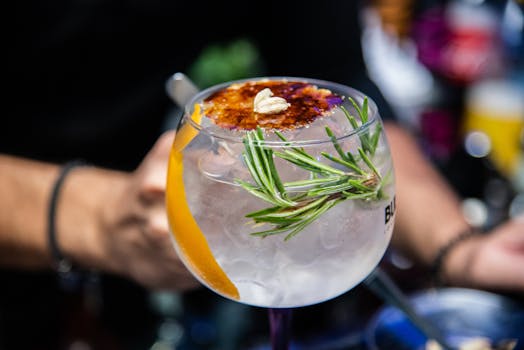
Gin Mare
Vilanova i la Geltrú, Barcelona
Spain reinvented the gin & tonic — and Gin Mare is at the heart of that story. Made in a 200-year-old chapel-distillery near Barcelona, Gin Mare is botanically Mediterranean: Arbequina olives, thyme, rosemary, basil, and hand-picked citrus. Spain now leads the world in gin & tonic culture: served in a large balloon glass, premium gin, premium tonic, and a fresh botanical garnish chosen to complement the spirit. The Gin Mare distillery visitor experience in Vilanova i la Geltrú shows exactly how this thoroughly Spanish obsession works.
⏱ Visits by appointment · 📍 Vilanova i la Geltrú, 45 min from Barcelona
Visit Gin Mare → Reviews and book →Spanish Spirits — What to Know
Beyond sherry and brandy, Spain has a rich tradition of regional spirits that most visitors never encounter. Here's a guide to what's worth seeking out.
Spain consumes more gin per capita than almost any other country in the world — and Spanish bartenders have developed the most elaborate gin & tonic culture on earth. The key rules: a large balloon glass, quality tonic (Fever-Tree or similar), one prominent botanical garnish matched to the gin's character, and always premium ice. Order a copa de ginebra in any decent Madrid or Barcelona bar and the bartender will guide you through the rest.
Craft Beer — Breweries & Taprooms
Spain came late to craft beer — but with characteristic intensity. Barcelona now has a thriving scene of microbreweries and taprooms; Madrid's La Virgen led the capital's revival; the Basque Country's txakoli bars and pintxos culture created the perfect backdrop for small, bold producers. The scene is young and rapidly improving.
Barcelona, Madrid & Beyond
Three of Spain's most important craft beer addresses — from Barcelona's revived 19th-century icon to Madrid's craft pioneer and one of the most creative breweries in the Catalan capital.
Styles to look for: Lager · IPA · Cervoise · Saison · Stout

Fàbrica Moritz
Ronda Sant Antoni, Barcelona
Barcelona's original — Moritz has been brewing since 1856 and is the city's most beloved beer brand. After a long absence, the brewery reopened in 2011 in a stunning space redesigned by architect Jean Nouvel on Ronda Sant Antoni: four interconnected spaces (bar, restaurant, bakery, gift shop) with brewing tanks visible behind glass and tanks flowing directly to the taps. The Master Tast tour (€22, Thu–Sun) includes a 2-hour guided visit with tastings of six beers. The Moritz Beer Lab upstairs produces small-batch, unpasteurised seasonal releases. Open daily from 7:30am.
⏱ Mon–Fri 7:30–02:30, Sat–Sun 7:30–03:30 · 💰 Tours €22 · 📍 Ronda Sant Antoni 39, Sant Antoni, Barcelona
Visit Fàbrica Moritz → Reviews and book →
Cervezas La Virgen
Parque Európolis, Las Rozas (Madrid)
Madrid's first craft brewery — founded in 2011 in Las Rozas, 20 minutes from the city centre by bus. La Virgen started the capital's craft beer scene and remains one of its best: their Madrid Lager, Madrid 360, and seasonal IPAs have won awards across Spain. The taproom has an American brewpub atmosphere — long tables, outdoor terrace, a rotating selection of six or more beers on tap, and bar food (burgers, croquettes, pinchos morunos). Guided brewery tours are available on Wednesdays by reservation. Worth the commute from central Madrid.
⏱ Tue–Thu 12:00–00:00, Fri–Sat 12:00–01:00, Sun 12:00–16:30 · 📍 Calle Turín 13, Las Rozas, Madrid · Bus from Moncloa
Reviews and book →
Garage Beer
Carrer del Consell de Cent, Eixample, Barcelona
One of Barcelona's most creative craft breweries — a compact taproom in the Eixample with an ever-changing list of beers brewed on-site. Garage Beer focuses on American-style IPAs, NEIPAs, and experimental releases alongside their core range. The brewpub feel — exposed pipes, concrete floors, open fermentation tanks visible from the bar — makes it feel like exactly what it is: a serious brewery that happens to serve excellent beer in a very comfortable space. A great stop on any craft beer crawl of central Barcelona.
⏱ Daily from 17:00 · 📍 Carrer del Consell de Cent 261, Eixample, Barcelona · Metro: Urgell
Visit Garage Beer → Reviews and book →Coffee Culture & the Spanish Café
In Spain, coffee is ordered at a marble bar, drunk in two minutes standing up, and costs less than a euro. The café solo (espresso) is the backbone of the day; the café con leche the late-morning ritual. And in certain cities — Madrid, Barcelona, Pamplona — the café terrace is still one of the great institutions of European life.

Gran Café Gijón
Paseo de Recoletos, Madrid
The last surviving literary café of Madrid — open since 1888 and still on the Paseo de Recoletos, where Galdós, Lorca, Hemingway and Ramón y Cajal once argued over coffee. The tradition of the tertulia — the informal gathering of intellectuals, artists and writers around a café table — was born in places like this. The terrace opens on the Paseo de Recoletos in spring and summer; inside, the Belle Époque interior is largely unchanged. Go for the history and the people-watching; the coffee is the excuse to stay.
⏱ Daily 7:00–23:00 · ☕ Café solo, café con leche, carajillo · 📍 Paseo de Recoletos 21, Madrid
Visit Gran Café Gijón → Reviews and book →
Granja Viader
Carrer d'en Xuclà, El Raval, Barcelona
Barcelona's most historic café — open since 1870 on a narrow street in the Raval, barely two minutes from Las Ramblas. Granja Viader is where Cacaolat was invented in 1931 (the world's first bottled cocoa milkshake, still served here today), and where generations of Barcelona families have come for breakfast and merienda. The interior is extraordinary: stained glass windows, worn mosaic floors, marble tables, and vintage photographs that document 150 years of neighbourhood life. Order the suís (hot chocolate with a mountain of whipped cream) and find a table to think in.
⏱ Mon–Sat 9:00–13:15 & 17:00–21:15 · ☕ Suís, Cacaolat, café amb llet · 📍 Carrer d'en Xuclà 4–6, El Raval, Barcelona
Visit Granja Viader → Reviews and book →
Café de Iruña
Plaza del Castillo, Pamplona
The café that made Pamplona famous — open since 1888 on the Plaza del Castillo, the beating heart of the city. Ernest Hemingway came here during the San Fermín festival and wrote about it in The Sun Also Rises (1926); Jake Barnes and Bill Gorton sat at these tables watching the square fill up with revellers. The Moorish-style interior — mosaic tiles, ornate arches, painted ceilings — is one of the most beautiful café rooms in Spain. During San Fermín (7–14 July) it becomes one of the most extraordinary places to drink in Europe.
⏱ Daily from 9:00 · ☕ Café solo, café con leche, cortado · 📍 Plaza del Castillo 44, Pamplona · Extraordinary during San Fermín 7–14 July
Visit Café de Iruña → Reviews and book →💡 Good to Know
- ☕ A café solo is a single espresso; a cortado is espresso with a small amount of milk; a café con leche is half espresso, half hot milk. In Valencia, order a café bombón — espresso with sweetened condensed milk
- 🍷 Sherry is best served cold — fino and manzanilla at 7–9°C, like a white wine. If it arrives warm, ask for a chilled glass (copa fría)
- 🍷 In Sanlúcar de Barrameda (at the mouth of the Guadalquivir), manzanilla is the local speciality — the sea breeze creates a unique, salty freshness that fino from Jerez can't replicate
- 🍻 The vermut ritual happens on Sunday before lunch — typically 12:00–14:00. Vermouth on tap (de grifo), olives, pickled things, and no hurry whatsoever
- 🎸 ¡Salud! (sah-lood) is cheers in Spanish — make eye contact when you clink glasses
- 🍺 Spain has the world's highest gin & tonic culture — always served in a large balloon glass with a botanically matched garnish. Ask the bartender for a recommendation based on the gin
- 🍷 In wine regions, bodegas that offer direct sales (venta directa) will often sell at prices far below retail — bring cash and take wine home