This is your destination guide for Kenya.
This is your destination guide for Lake Naivasha & Hell's Gate
📍 Part of KenyaCycle past zebra in a volcanic gorge, walk among giraffe by the lake, and hear hippos at night.
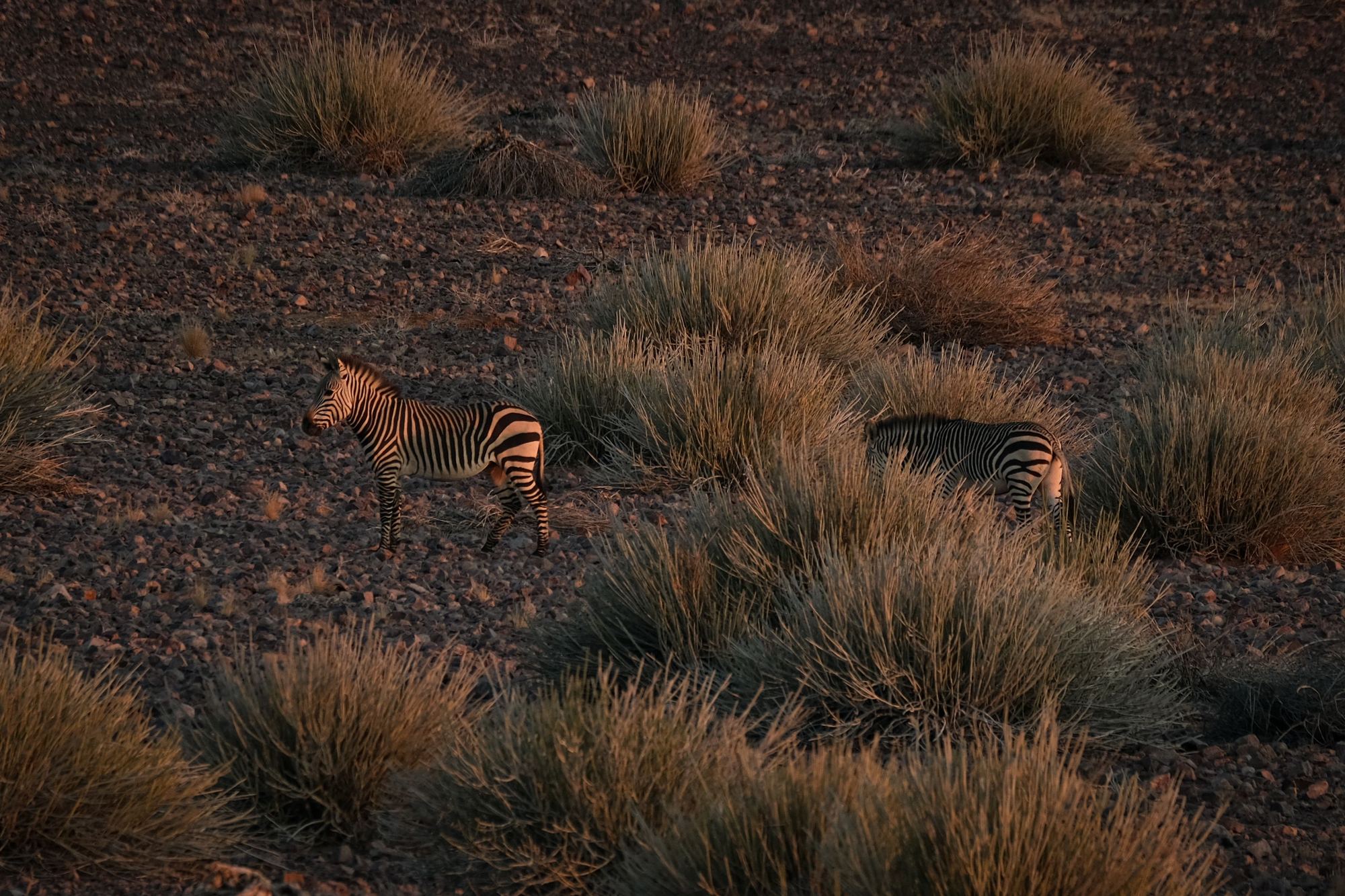

The reality: Lake Naivasha is a freshwater lake in the Great Rift Valley, at about 1,884 metres, a couple of hours' drive north-west of Nairobi. Most visitors see it on a rushed day trip. That's a waste.
Next to it is Hell's Gate National Park, set up in 1984 and one of very few parks in Kenya where you're allowed to walk and cycle among the wildlife. Zebra, giraffe and buffalo graze between volcanic cliffs, and steam rises from the geothermal plants at Olkaria.
Stay two or three nights: one day to cycle Hell's Gate, one for the lake and Crescent Island, and an early start on Mount Longonot if your legs are up to it.
Hell's Gate is small, close and different. You leave the car behind and go in on a bike or on foot.

Cycling the park — rent a bike or e-bike at the shops just before Elsa Gate and ride the main track in. Fischer's Tower, a volcanic plug, rises beside the road early on, and zebra and giraffe often graze close by.
The Lion King connection — the park's cliffs and towers are said to have inspired the scenery of Disney's The Lion King. Stand below them and you'll see why.

The gorge — at the end of the track, the Ol Njorowa gorge cuts deep into the rock, with hot springs and narrow passages. A guide is mandatory down there, and worth every shilling.
Flash floods are real — floods in the gorge killed visitors in 2012 and again in 2019. If it's raining, or rain is forecast in the hills, don't go in.
The lake is the other half of the trip. Get out on it.
Lake Naivasha has grown fast. Its surface went from about 139 to 198 square kilometres between 2010 and 2020, swallowing lakeside land and forcing people to move. The shoreline you see today is new.
Two more reasons to stay an extra night: a volcano you can climb in a morning, and a warm pool heated from below.

Mount Longonot — a dormant volcano rising to 2,776 metres. The trail climbs about 3 km to the rim, and the loop around the crater adds about 7 km. Plan on 4 to 5 hours with breaks.
Start early — the rim is hot and exposed by late morning. Carry more water than you think you need.

Olkaria — geothermal power has been made here since 1981, and the plants sit in and around Hell's Gate. Pipes and steam plumes are part of the landscape.
The geothermal spa — KenGen runs a warm pool fed by geothermal water near the power stations. A good way to end a day on the bike.
Naivasha eats like the Kenyan highlands — grilled meat, maize and greens — with fish from the lake on many menus.

Nyama choma — grilled goat or beef, chopped and eaten with your hands. A weekend at a roadside grill is a Kenyan institution.
Ugali and sukuma wiki — firm maize porridge with sautéed greens. The everyday plate, and good with everything.
Fried fish — lake fish served whole with ugali at simple places near the shore. Ask what came in today.
January to February — dry and warm, good for cycling and the Longonot hike.
June to October — the long dry season. Cooler, with clear mornings — the classic time to visit Kenya.
March to May, and November — the rains. Tracks get muddy and the Hell's Gate gorge can close. Check before you go.
Altitude — at nearly 1,900 metres, nights can be chilly all year. Bring a warm layer.
From Nairobi — the drive takes around two hours, depending on traffic down the Rift Valley escarpment. Hire a driver or rent a car.
Matatus — shared minibuses run from Nairobi to Naivasha town. Cheap, but you'll need a taxi from town to the lake and the park.
Park fees — Hell's Gate and Mount Longonot each charge non-residents around USD 50 (KWS rates from October 2025). Check current rates and pay through the official KWS system.
Compare rental cars →Most places to stay are along the south side of the lake, close to both Hell's Gate and Crescent Island.
A lakeside lodge or camp — for hippos on the lawn, birdsong and boats from the jetty.
Near Hell's Gate — for an early start on the bike, before the heat and the day-trippers.
Naivasha town — cheaper and practical, but not on the water.
A lakeshore campsite — the classic budget option. Ask how it handles hippos at night.
Naivasha is cheaper than Kenya's big safari parks. Park fees, bike hire and boat trips are your main costs.
Approximate prices in Kenyan shillings, based on Numbeo's averages for Kenya. Lodges, beach hotels and tourist restaurants charge more.
Go if you want to be out of the vehicle — cycling, walking, hiking — with zebra and giraffe around you, two hours from Nairobi. Skip if you want big cats and wild emptiness; save that for the big parks.
Found this useful? Share it.
One new way to travel. Every Thursday.
Not deals or destinations — methods. House sitting, night trains, repositioning cruises, and what each one really costs.
Ever thought of travelling this way?
Home Exchange
Live in someone’s home while they live in yours, and nobody pays rent. Your ordinary flat is somebody else’s month abroad — and points mean the dates don’t even have to match.
Read article →Monastery Stays
A room, a bell and dinner at a long table, in a working monastery that has taken in travellers since the sixth century. Around fifty euros a night, and nobody asks what you believe.
Read article →Night Trains
Sleep in one country and wake up in another, having paid once for the journey and the night together. Europe has around 205 sleeper routes and most people have never used one.
Read article →👇 Tap one, or just type