
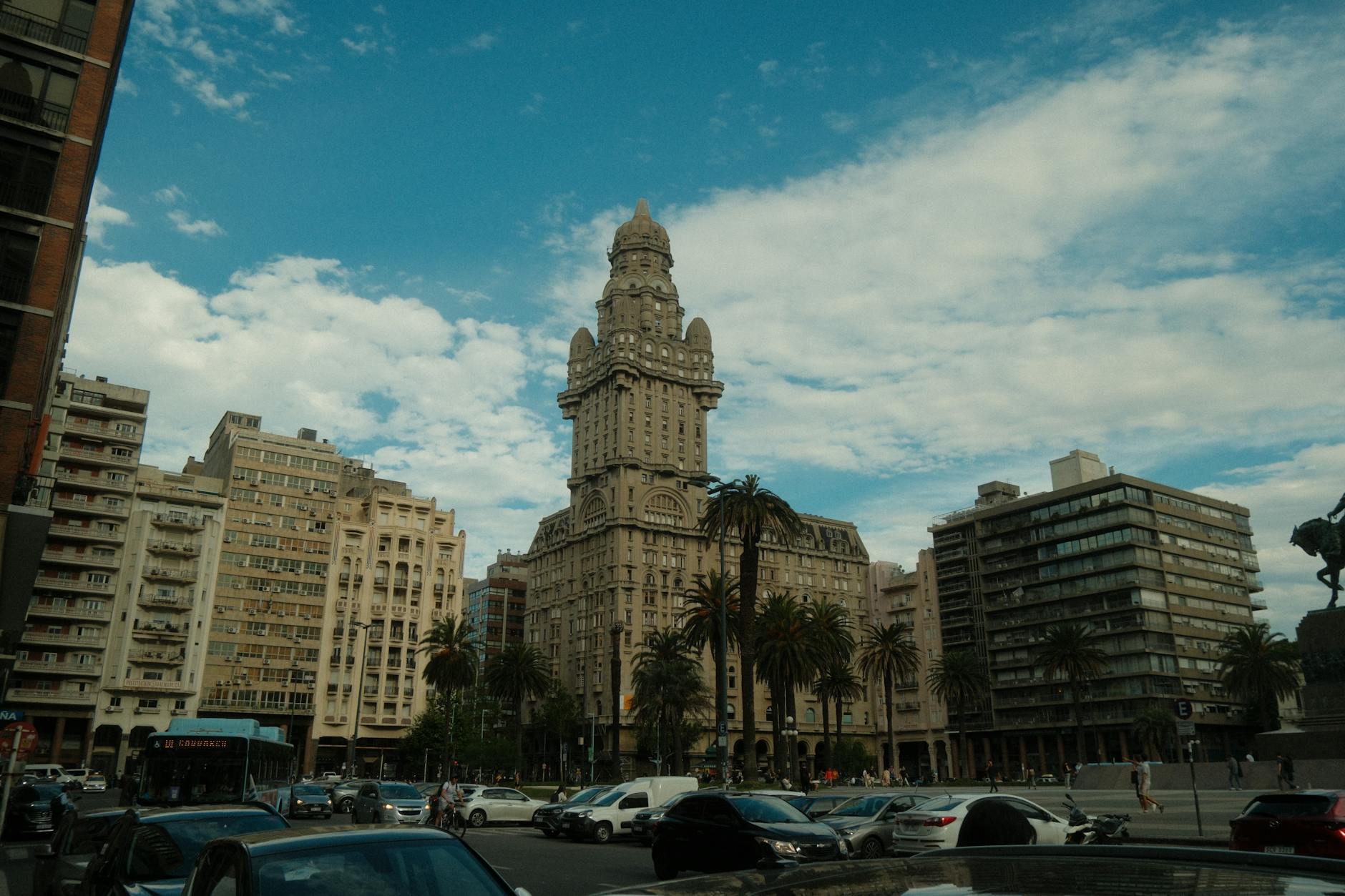
Montevideo wears its size well. A city of 1.4 million on the Río de la Plata, it has the culture of a much larger place and the pace of somewhere that never forgot how to rest. The 22-kilometre Rambla runs the length of the waterfront—Montevideans jog it, cycle it, and sit facing the river at sunset with a thermos of mate tucked under one arm.
The Ciudad Vieja (Old Town) is the starting point. Mercado del Puerto anchors the neighbourhood—a cast-iron market hall built in 1868, now home to parrillas (grillhouses) where sides of beef hang over wood fires. Arrive hungry. Order the asado. Pay less than you expect.
The Teatro Solís, inaugurated in 1856, is one of the finest opera houses in South America. The MAPI (Museo de Arte Precolombino e Indígena) holds a remarkable collection of indigenous art. The Palacio Salvo, once the tallest building in South America, still dominates the Plaza Independencia skyline.
Barrio Sur and Palermo are where Montevideo's nightlife and restaurant scene concentrate. Candombe—the African-influenced drumming tradition born in Uruguay's slave history and now UNESCO-listed—echoes through these streets on weekends. Plan your visit accordingly.
January and February bring Carnival. Montevideo's version is second only to Rio's in South America—longer, in fact, at 40 days. The murga (a satirical chorus tradition unique to Uruguay) performs nightly across the city.
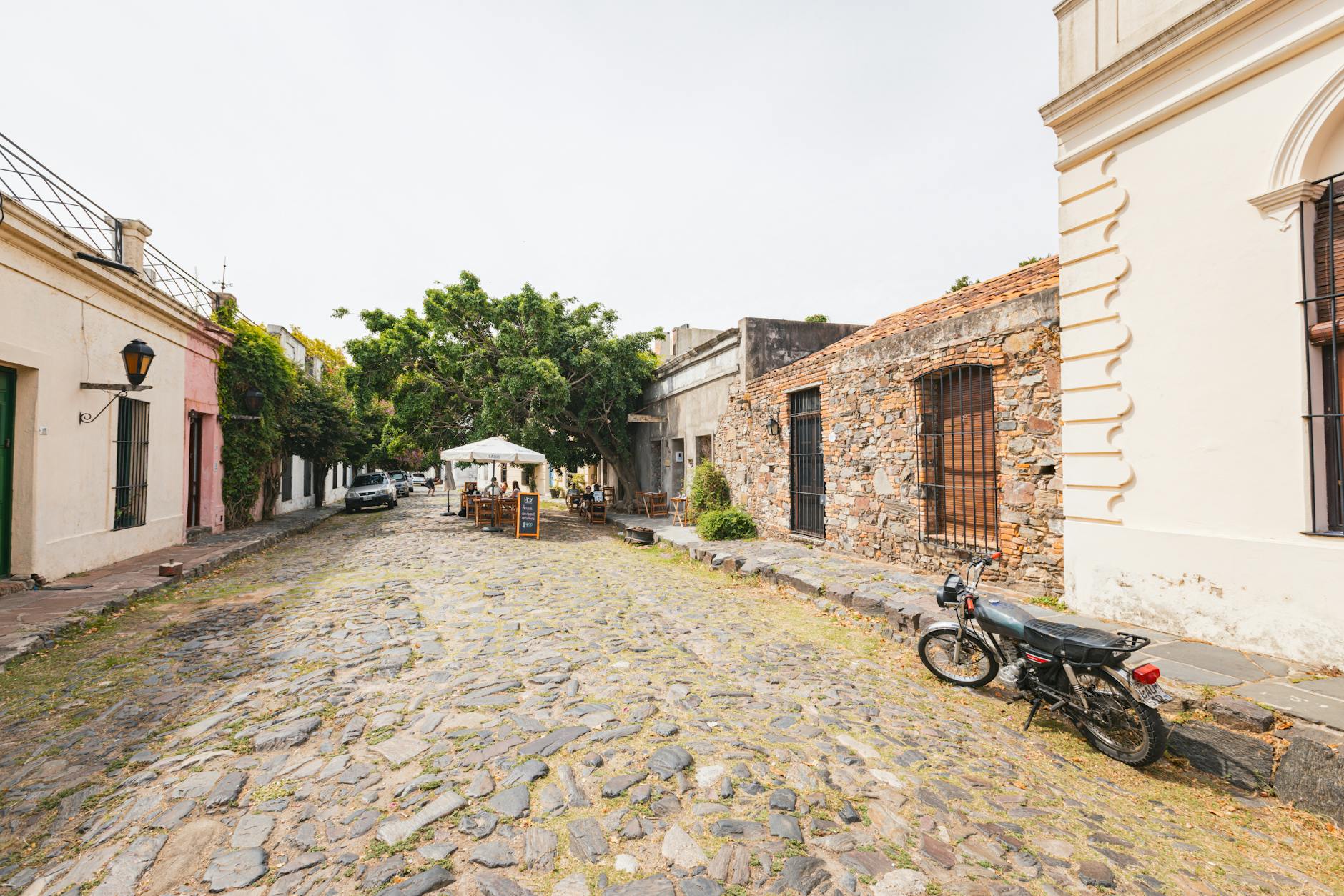
Founded by the Portuguese in 1680, Colonia del Sacramento is Uruguay's most visited town and its most photogenic. The Barrio Histórico (Historic Quarter) is a UNESCO World Heritage Site—a tangle of cobbled lanes, crumbling colonial walls, and whitewashed houses that seems to exist slightly outside of time.
The Calle de los Suspiros (Street of Sighs) is the most photographed corner: a narrow lane of Portuguese colonial buildings running down to the river. The lighthouse at the tip of the old town gives views across the Plata to Argentina on a clear day.
Colonia is 180km west of Montevideo (2.5 hours by bus or 1 hour by fast ferry from Buenos Aires). Most visitors come as a day trip from the Argentine capital—which means the town is busiest in the afternoon and blissfully quiet in the early morning and evening. Stay overnight if you can. The atmosphere after the day-trippers leave is entirely different.
The town has excellent small restaurants, a handful of boutique hotels in colonial buildings, and a wine scene that takes advantage of Uruguay's growing Tannat production in the surrounding Colonia department.
Rent a golf cart or bicycle to explore the streets and the waterfront properly. Electric bikes are available. The town is small enough to cover entirely in an afternoon, but rewarding enough to justify two days.
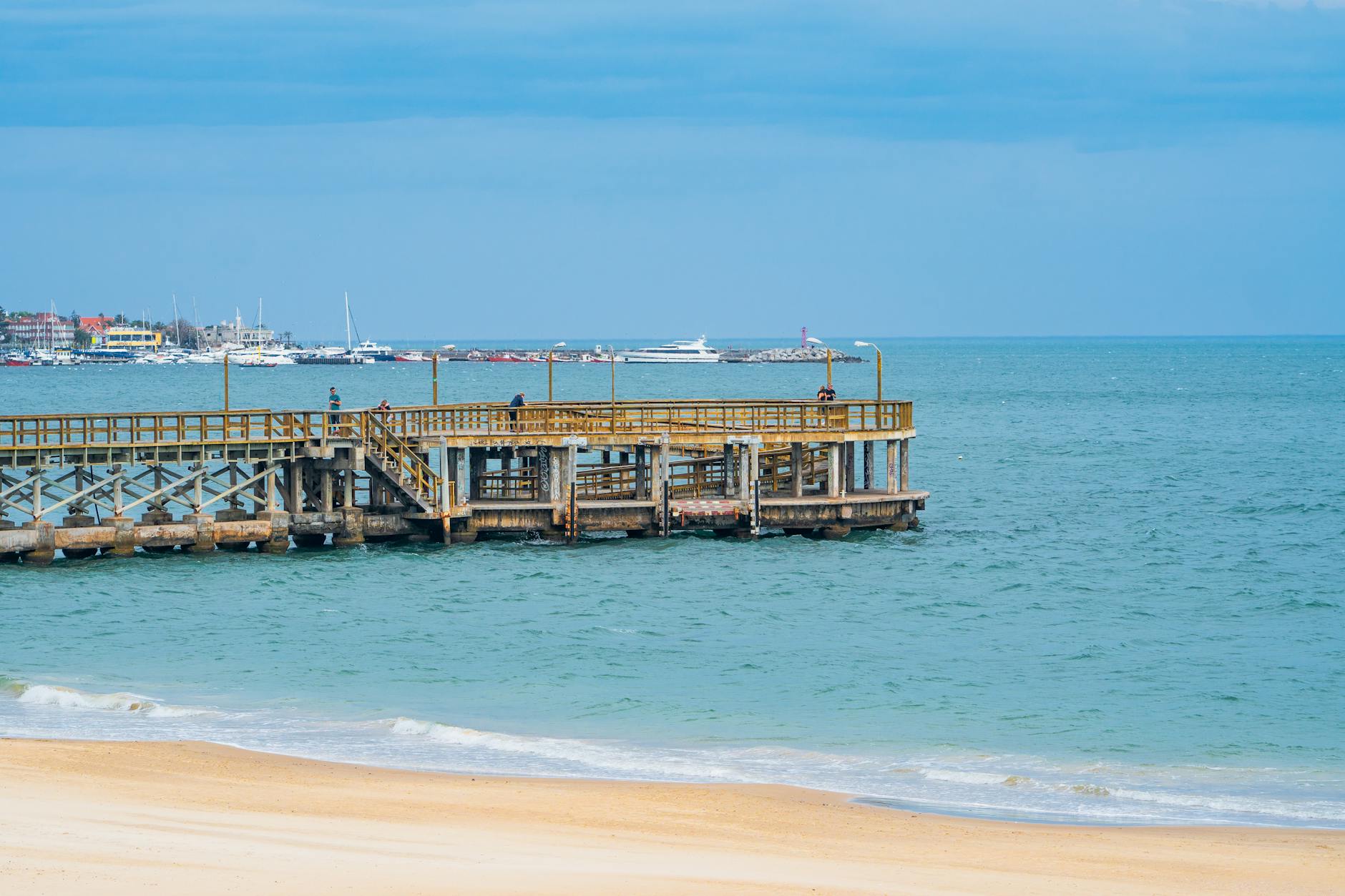
Punta del Este is a peninsula that splits the Río de la Plata from the Atlantic Ocean, 130km east of Montevideo. In January and February it becomes one of the most visited resorts in South America—Argentines, Brazilians, and the South American wealthy descend for summer holidays. Hotels fill six months in advance. Restaurant bookings require connections.
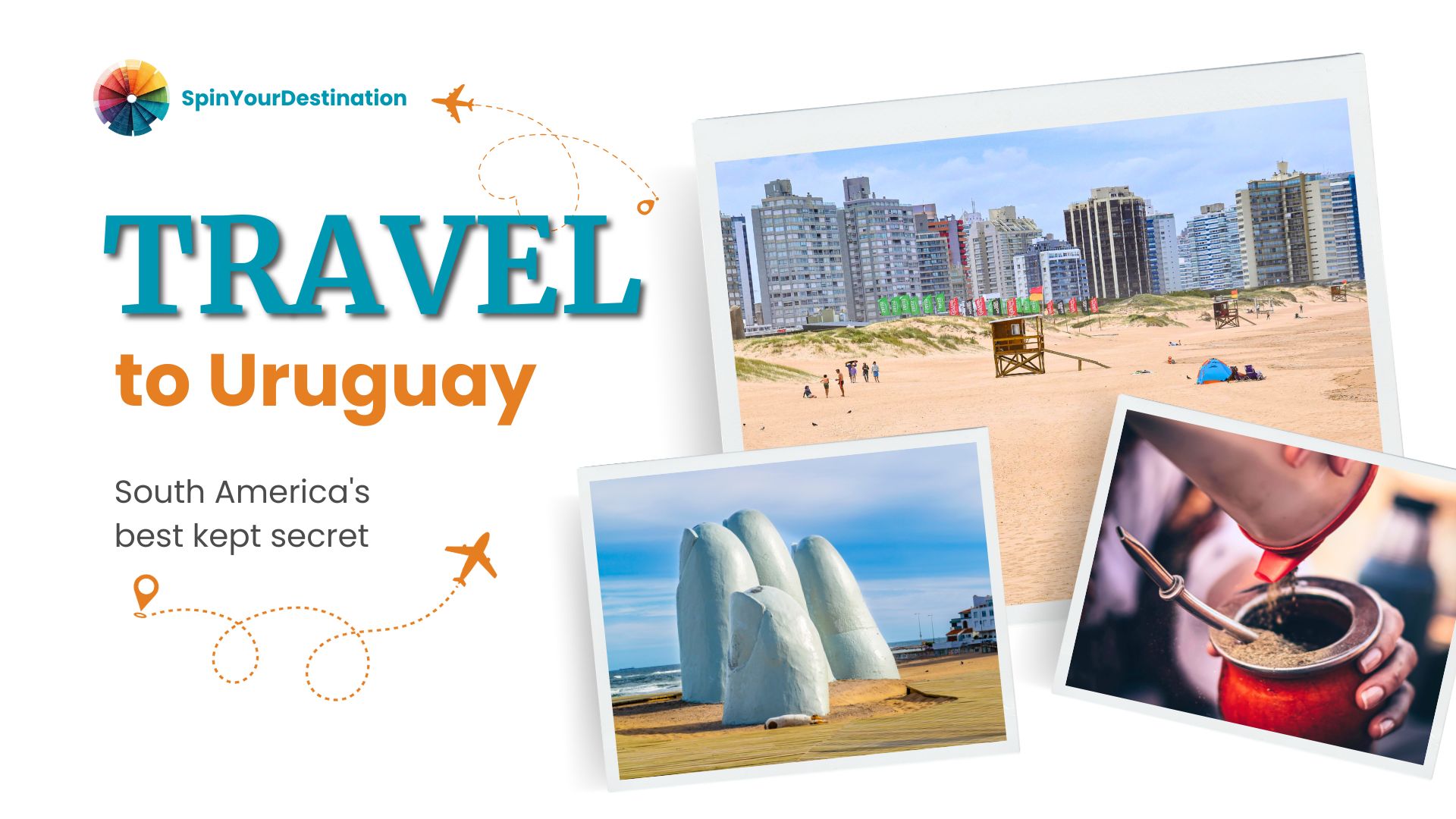
Playa Brava on the Atlantic side is famous for La Mano—the giant sculptural hand emerging from the sand (officially Monumento al Ahogado, 1982). Playa Mansa on the Plata side is calmer. Between them, the port marina holds yachts worth more than most buildings in Montevideo.
Casapueblo, 12km west of the city at Punta Ballena, is the house-museum of artist Carlos Páez Vilaró—a whitewashed Mediterranean fantasy built into a clifftop overlooking the sea. The sunset ceremony here, where the curator times the last light against the building's curves, is genuinely spectacular.
Beyond Punta, the Ruta 10 runs east along the Atlantic coast through La Barra (surf town, drawbridge, gallery scene), José Ignacio (ultra-luxury village with world-class restaurants and A-list summer visitors), and on to quieter beaches at Cabo Polonio and Punta del Diablo near the Brazilian border.
The shoulder season—November, March, and April—brings quieter beaches, bearable prices, and weather still warm enough for swimming. October and May are cool but beautiful for the countryside and Montevideo.
Beyond Montevideo and the coast, Uruguay is grassland. Rolling coxilhas (hills) covered in native pasture, estancias (ranches) dating to the 18th century, and a gaucho culture that is not performance for tourists but a living tradition. Uruguay has more cattle than people—3.5 million people share the country with 12 million head of cattle and 11 million sheep.
Estancia tourism is Uruguay's most authentic experience. Several dozen working estancias welcome guests—some luxury, some rustic. Horseback riding, cattle drives, traditional asado (barbecue cooked slowly over wood fire), and watching a gaucho demonstrate his craft are the core activities. The silence of the interior—no traffic, no crowds, just wind and birdsong—is itself remarkable.
Tacuarembó, in the north-central interior, holds the Festival de la Patria Gaucha each March—the largest gaucho festival in Uruguay, with horsemanship displays, traditional music, and craft markets. The surrounding countryside is dotted with colonial estancias and natural hot springs (thermas) that are enormously popular with Uruguayans.
Bodega Garzón and other wine estates in the Maldonado department (near Punta del Este) offer a different version of rural Uruguay—rolling Tannat vineyards, world-class wine, and fine dining in a landscape that looks like a smaller, warmer version of Tuscany.