This is your destination guide for United States.
This is your destination guide for Kauai
📍 Part of United StatesA coast no road reaches, a canyon they call the Pacific's Grand, and the greenest island in Hawaii.
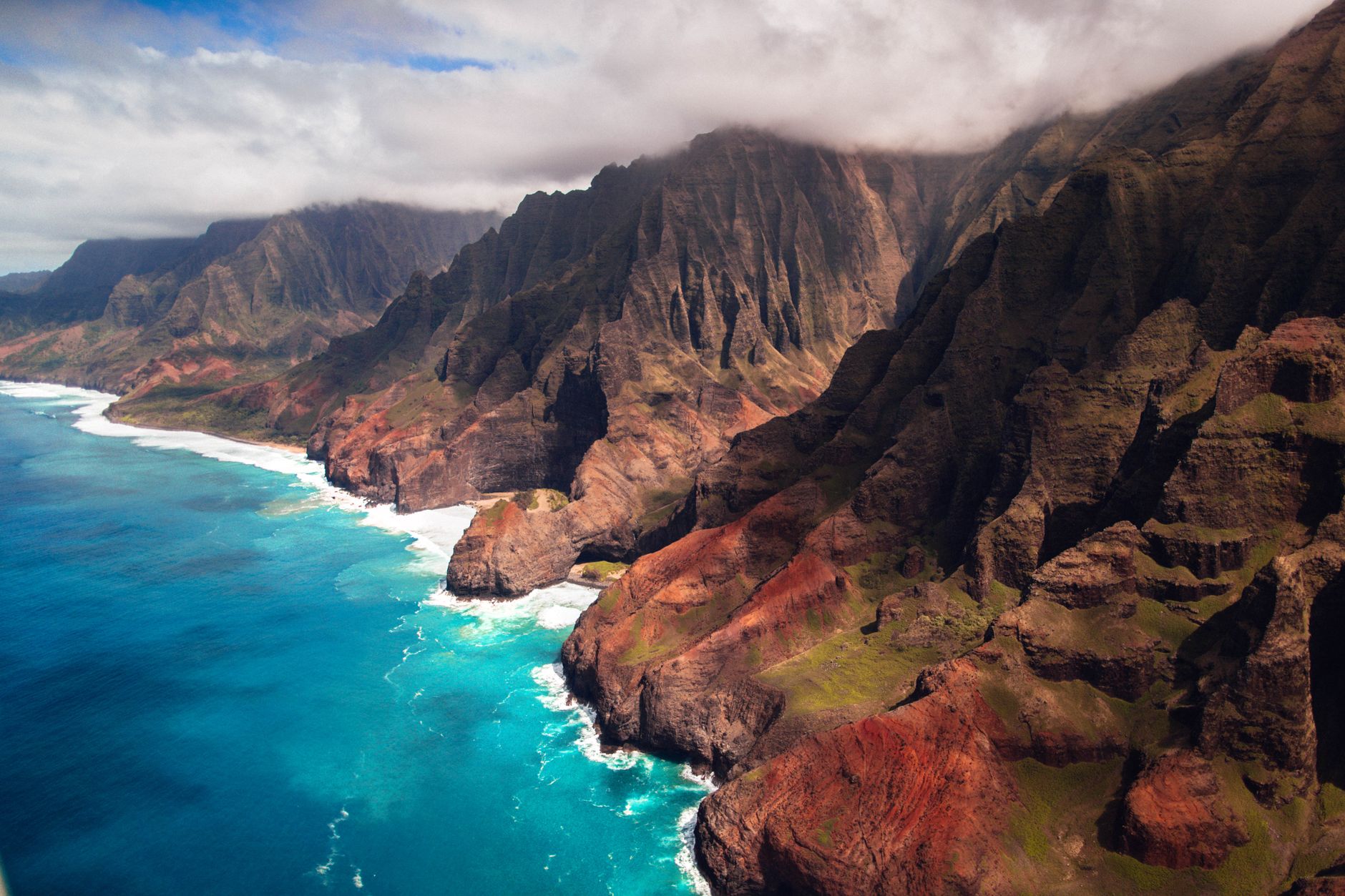

The reality: You drive north until the road stops. Not at a town — at a wall of green cliffs falling into the sea, where the pavement ends at Keʻe Beach. That's the Nā Pali Coast, and the only way past it is on foot, by boat, or in the air. Kauai is the island where the road doesn't go all the way around, and that's the first thing to understand about it.
Poʻipū, on the dry south coast, is where most package holidays land — sun, golf, calm water. It's pleasant, and it's about a tenth of the island. The rest is a canyon 3,600 feet deep, a swamp that's one of the wettest places on the planet, taro fields in Hanalei, and a coastline you have to earn. Kauai is greener than the other islands because it's older and it rains more. Those are the same fact.
Most people come for beaches and leave having hiked into a valley they couldn't drive to. Most come for one Nā Pali boat trip and spend the rest of the week chasing waterfalls. Rent a car — you'll need it — set an early alarm for the north-shore reservations, and accept that the best of Kauai costs you a muddy two-hour walk. That's the deal. It's a good one.
Kauai splits its beaches by season and by side. The south stays swimmable in winter; the north turns into serious surf from October to April. Pick the wrong shore in the wrong month and you'll spend the trip watching waves you can't go in.
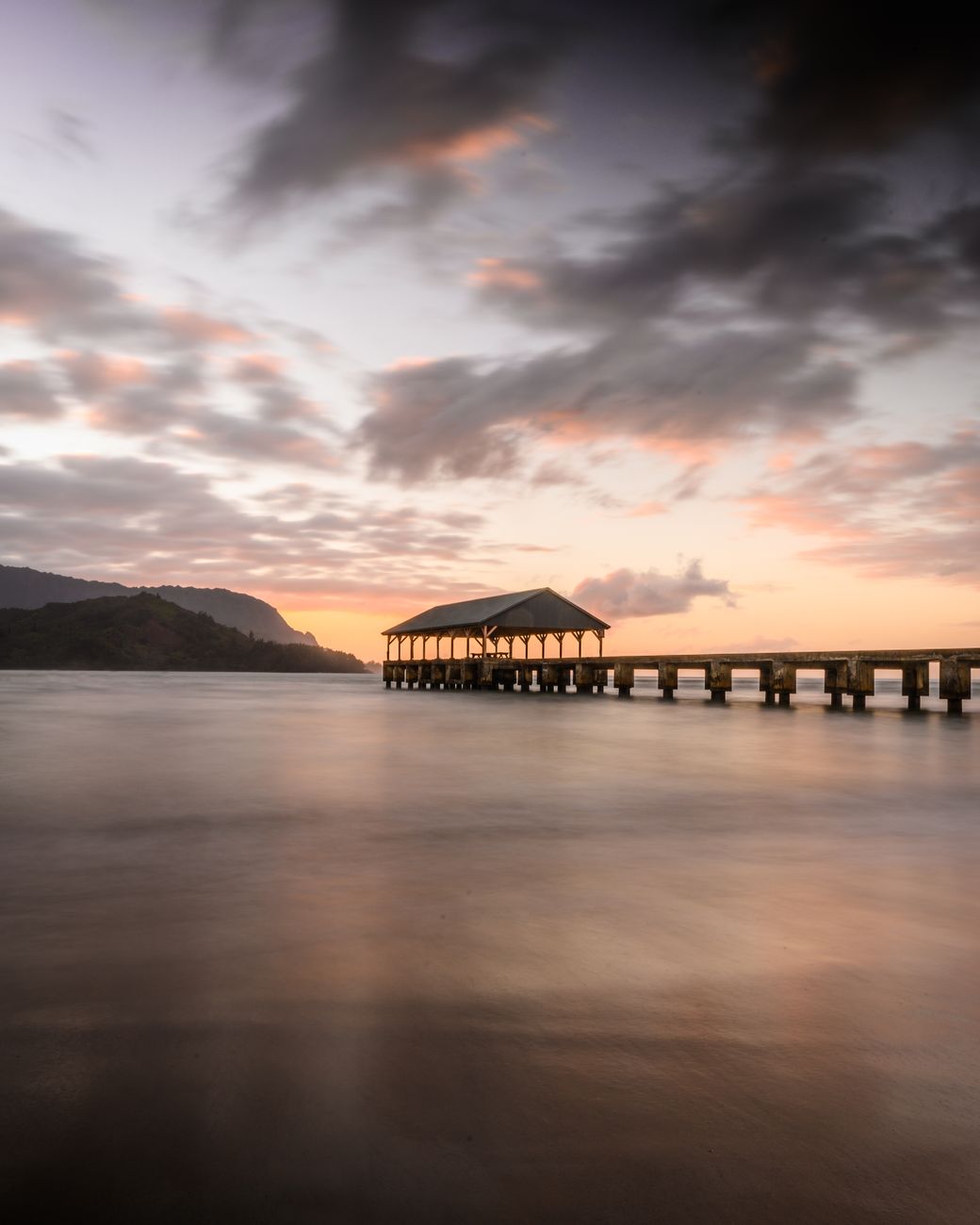
Hanalei Bay — a two-mile crescent under green mountains, with a wooden pier that's been photographed a million times and still earns it. Calm and golden in summer, a surf arena in winter. The town behind it is the north shore's heart.
Tunnels (Makua) & Keʻe — the north shore's snorkelling, both summer-only. Tunnels has the reef; Keʻe sits at the very end of the road inside Hāʻena State Park (reservation required) with a lagoon protected by a fringing reef. Glassy June–September, off-limits when the surf's up.
Poʻipū Beach — the south-shore family pick: a sandbar, a calm keiki side, and Hawaiian monk seals that haul out on the sand and get roped off by volunteers. Sunny when the north is soaked.
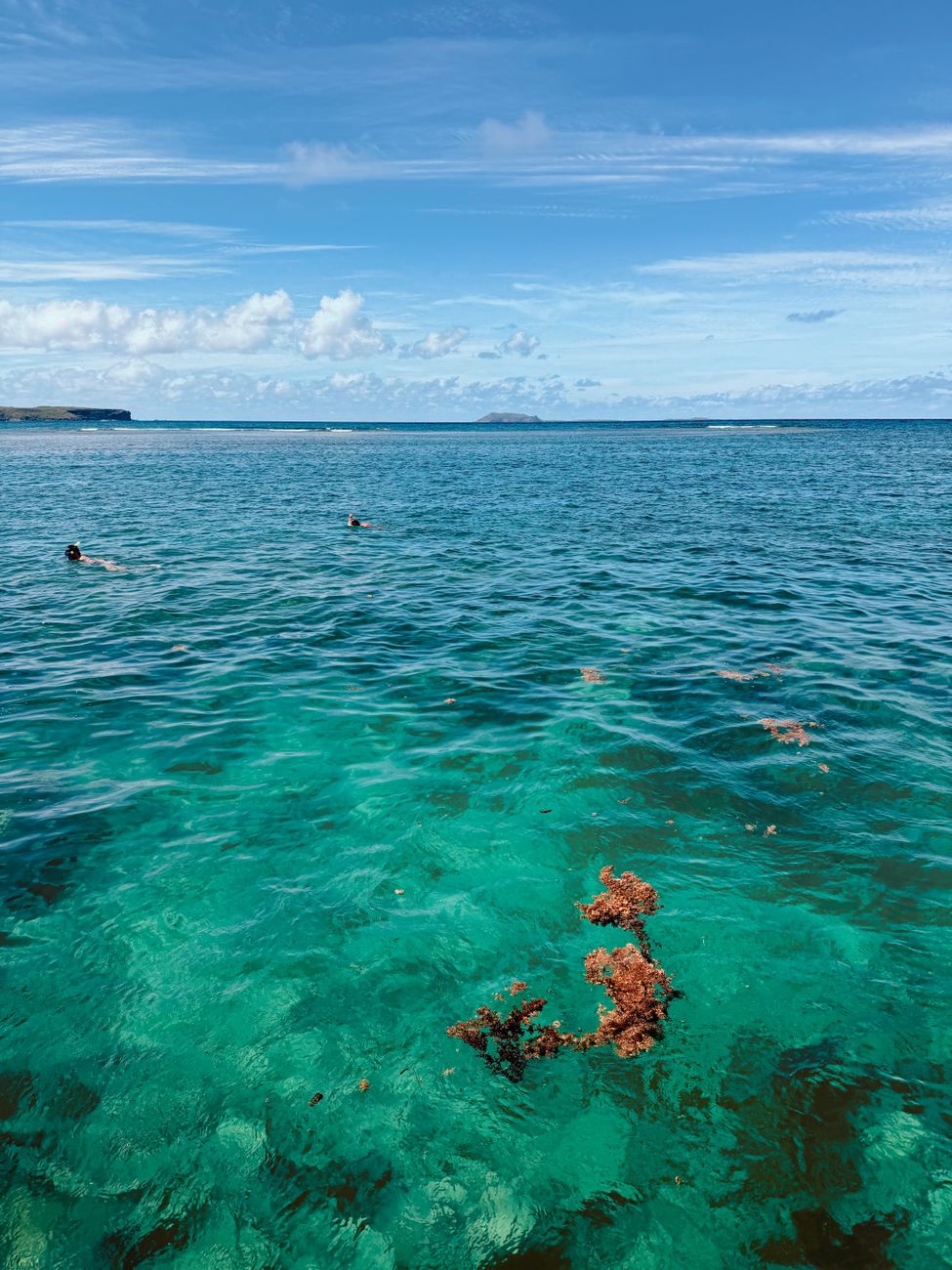
Māhāʻulepū — a wild, undeveloped stretch you walk to from Shipwreck Beach along a sea-cliff trail. No facilities, no resort, often nearly empty. The Kauai that didn't get built on.
Polihale — the longest beach on the island, at the dead-end of the dirt road on the dry west side. Enormous dunes, huge sunsets, and a view straight up the start of the Nā Pali cliffs. The water is dangerous — rips, no lifeguard. Come for the sand and the sky, not the swim.
Kauai's towns are small and do different jobs. None will eat a full day, but each is worth a stop on the way to somewhere.
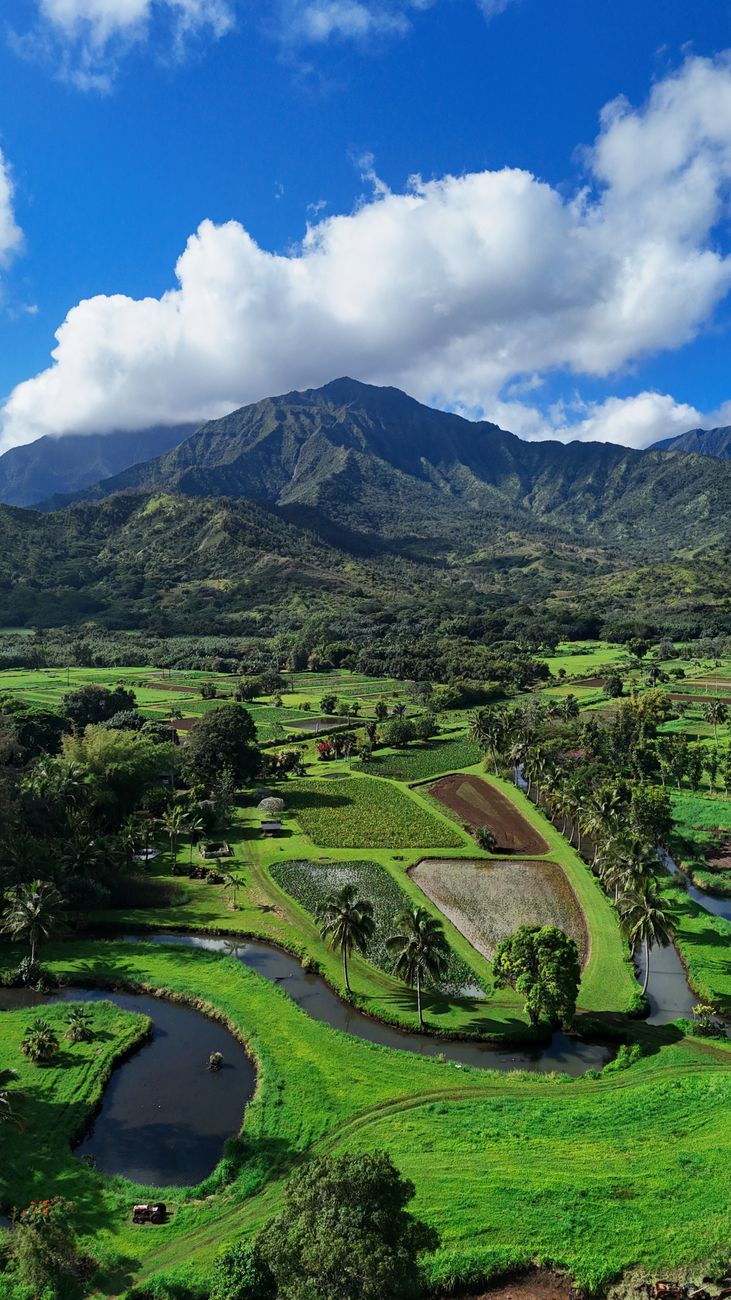
Hanalei — taro fields, a one-lane bridge, surfboards on every porch. The north-shore base, walkable and wet. Lodging is limited, so most people stay in nearby Princeville and drive down.
Kapaʻa — the east-side town where people actually live: food trucks, a coastal bike path, the cheapest beds on the island. Also home to the Kapaʻa crawl, the daily bottleneck on the one main road. Budget extra minutes.
Kōloa & Poʻipū — old sugar town meets resort coast. Old Kōloa Town is a restored plantation strip; Poʻipū down the road is where the south-shore hotels and golf sit. Kōloa Rum is distilled nearby.
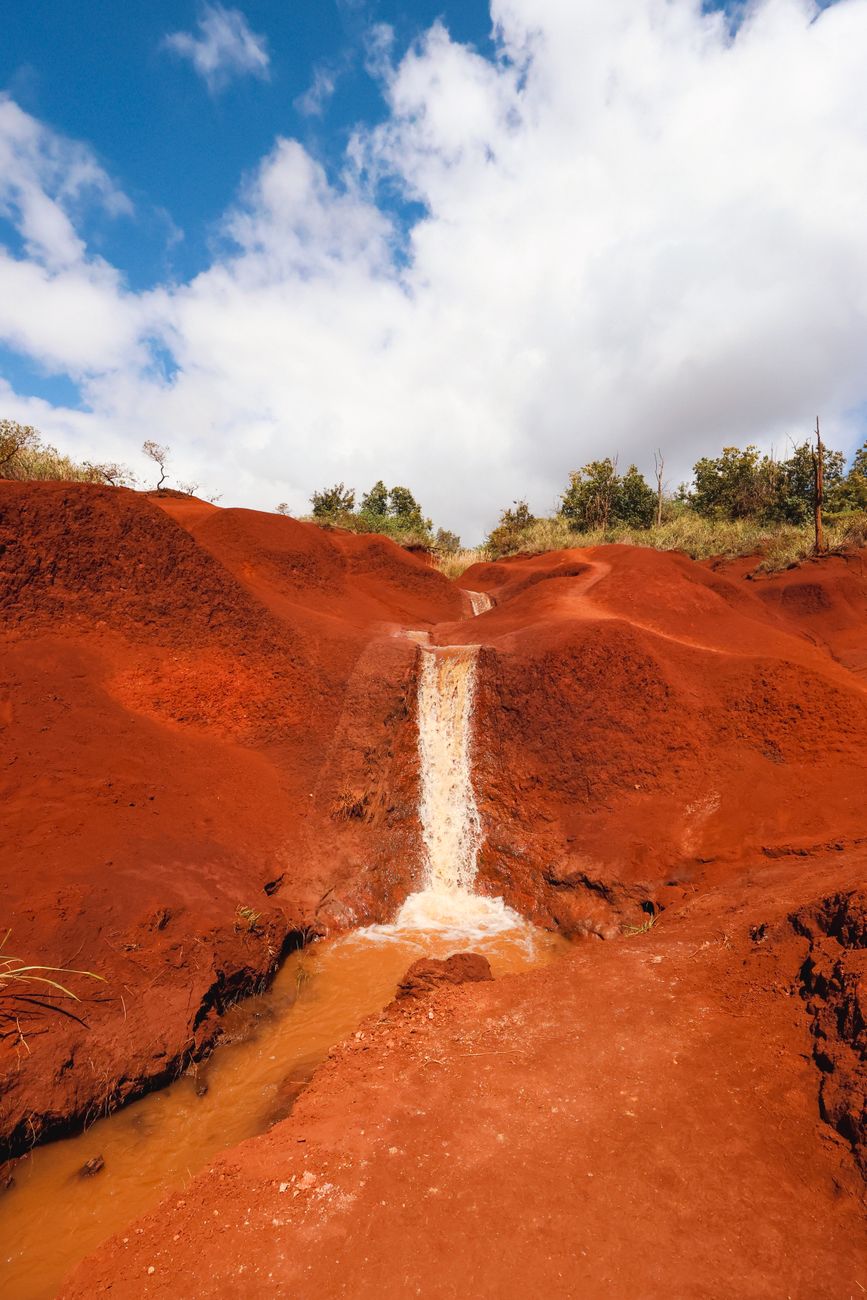
Waimea — the west-side town where Captain Cook first landed in the islands, and the gateway up to the canyon. Low-key, dry, the jumping-off point for Polihale and the Nā Pali boat tours out of Kikiaola.
Hanapēpē — "Kauai's biggest little town," a swinging footbridge, and an art walk every Friday night when the galleries open late. Lappert's ice cream started here.
Līhuʻe — the airport town. Not pretty, but it has the Kauai Museum, Kalapaki Beach, and Hamura Saimin, a Formica-counter noodle institution that's won a James Beard award and deserves the queue.
Fifteen miles of cliffs the road can't follow — and the reason no highway circles Kauai.
Fluted ridges and hanging valleys drop straight into the sea along Kauai's north-west edge. You meet this coast one of four ways, and most people pick two.
By boat — catamaran or raft, mostly out of Port Allen and Kikiaola on the west side (some from Hanalei in summer). A morning snorkel sail runs around five hours; rafts get you lower and into the sea caves. Summer mornings are calmest; winter trips are choppier and skip the snorkel stop. Budget roughly $220–295 per person.
By air — a helicopter loops the whole island in 45–65 minutes, over Waimea Canyon, Manawaiopuna ("Jurassic") Falls and the wet summit near Waiʻaleʻale before tracing the coast. Doors-off is the photographers' choice. Around $300–450, and weather-dependent — the cliffs cloud over fast.
By kayak — the open-ocean paddle along Nā Pali runs in summer only, roughly mid-May to early September. It's a 16-mile crossing with no bail-out partway: a serious undertaking, not a beginner's day on the water.
On foot — the Kalalau Trail, 11 miles of red mud and cliff-edge to a beach with no other way in. The full hike needs a camping permit ($35 per person per night for non-residents, plus a $5 fee, booked months ahead). The day-hike to Hanakāpīʻai Beach is the first two miles and needs only a Hāʻena reservation; carry on inland to Hanakāpīʻai Falls for a four-mile round trip.
And the free version: drive up to the Kalalau Lookout and Puʻu o Kila in Kōkeʻe, at 4,000 feet, and look straight down into the valley the trail ends in.
The island rewards effort more than almost anywhere in Hawaii — the best things here are at the end of a trail or a paddle.
Kauai eats like the rest of Hawaii but quieter and cheaper than the resorts suggest. The good stuff comes off a counter or a truck.

Plate lunch — two scoops of rice, mac salad, and something like kalua pork or a loco moco. The island's working lunch, $13–18 and everywhere.
Poke — by the pound from a market, it beats most sit-down fish. Pono Market in Kapaʻa is the local pick.
Saimin — the islands' noodle soup, best at Hamura Saimin in Līhuʻe.
Hanalei taro becomes poi, and shows up as taro burgers and chips on the north shore. Lilikoi (passionfruit) flavours everything from malasadas to cheesecake, and a proper shave ice — snow-fine, real syrup — cools the rest.
To drink: Kōloa Rum is distilled on the south side and pours at most bars, and Kauai Coffee on the west side is the largest coffee estate in the United States — worth a tasting stop on the way to the canyon.
April–May and September–October are the sweet spots: warm, drier, fewer people, better rates. This is where you want to be.
June–August is the driest stretch on the north shore and the only reliable season for Nā Pali by boat or kayak — but it's hot (highs near 31°C in August), busy and pricey.
November–March is the wet season, January the rainiest. The north shore gets surf and showers while Poʻipū and the south stay sunny and calm — the winter fallback. Temperatures sit between roughly 21°C and 31°C all year. Humpback whales pass offshore December–March if you're here then.
The rule of thumb: if Nā Pali by water or the Kalalau Trail is the point of the trip, come May–September, when the ocean lets boats run and the north-shore mud dries out.
Rent a car — there's no real alternative. One main belt road wraps most of the island and then simply stops: at Hāʻena in the north and Polihale in the west, both against the Nā Pali cliffs. There's no loop, so you'll backtrack a lot, and the Kapaʻa stretch clogs at rush hour.
The Kauai Bus exists but is built for residents, not trailheads. For Hāʻena specifically, the North Shore Shuttle from Waipā ($40/adult) is the easiest legal way in if parking's sold out — and your shuttle ticket includes park entry.
Rideshare works around Līhuʻe and Poʻipū and thins out fast everywhere else. Rough drive times from Līhuʻe: Poʻipū about 30 minutes, Hanalei about an hour, the Waimea Canyon lookouts about an hour and a half.
Pick a base for the weather you want and the side you'll spend most time on — there's no quick hop between the north and west ends.
Poʻipū (south) — sun, resorts, golf, the most winter-proof base. Best for families and anyone allergic to rain.
Princeville (north) — clifftop hotels and big views above Hanalei. Wetter and cooler, closest to the north-shore beaches and the Nā Pali trailhead.
Hanalei (north) — surf-town charm, walkable, limited and restricted lodging. Wet, but you're in the thick of it.
Kapaʻa or Wailua (east) — central and the cheapest base, good for reaching both ends of the island. The trade-off is the traffic.
Waimea (west) — quiet and dry, the gateway to the canyon, Polihale and the Nā Pali boats. Far from the north shore.
Hawaii isn't cheap, and Kauai sits at the upper end of it — close to Maui, dearer than Oahu or the Big Island, with little budget inventory to soften the blow.
Prices in 2026 US dollars. Drive to Hāʻena instead of taking the shuttle and it's $10 per vehicle plus $5 per person — and the slots sell out 30 days ahead. Waimea Canyon is $5 per person plus $10 to park, one ticket for both parks.
Go if you want Hawaii's wildest island — a coast no road can reach, a canyon in the clouds, and beaches you hike red mud to earn. Skip if you need guaranteed sun, a night out past 10, or a holiday that doesn't ask you to book a parking slot a month ahead.
Found this useful? Share it.
Still planning?
We don't stop at "here's the country." Real places to stay, what to do, apps that matter, even how to find someone to travel with — plus guides for whatever vibe you're after, from beach days to wine country to slow weekends. All up top. Spin for somewhere new when you're done with this one.