This is your destination guide for Greece.
This is your destination guide for Crete
📍 Part of GreeceMountains, gorges, ferry-only beaches, and the food and raki that made the Cretan diet famous.

The reality: People book "a week in Crete" the way they'd book a week on a small island, then realise the drive from Chania in the west to the palm beach of Vai in the east is over three hours — and that's just the motorway. Crete is the size of a small country, with its own mountains, its own dialect, and a sense of itself that predates the rest of Greece.
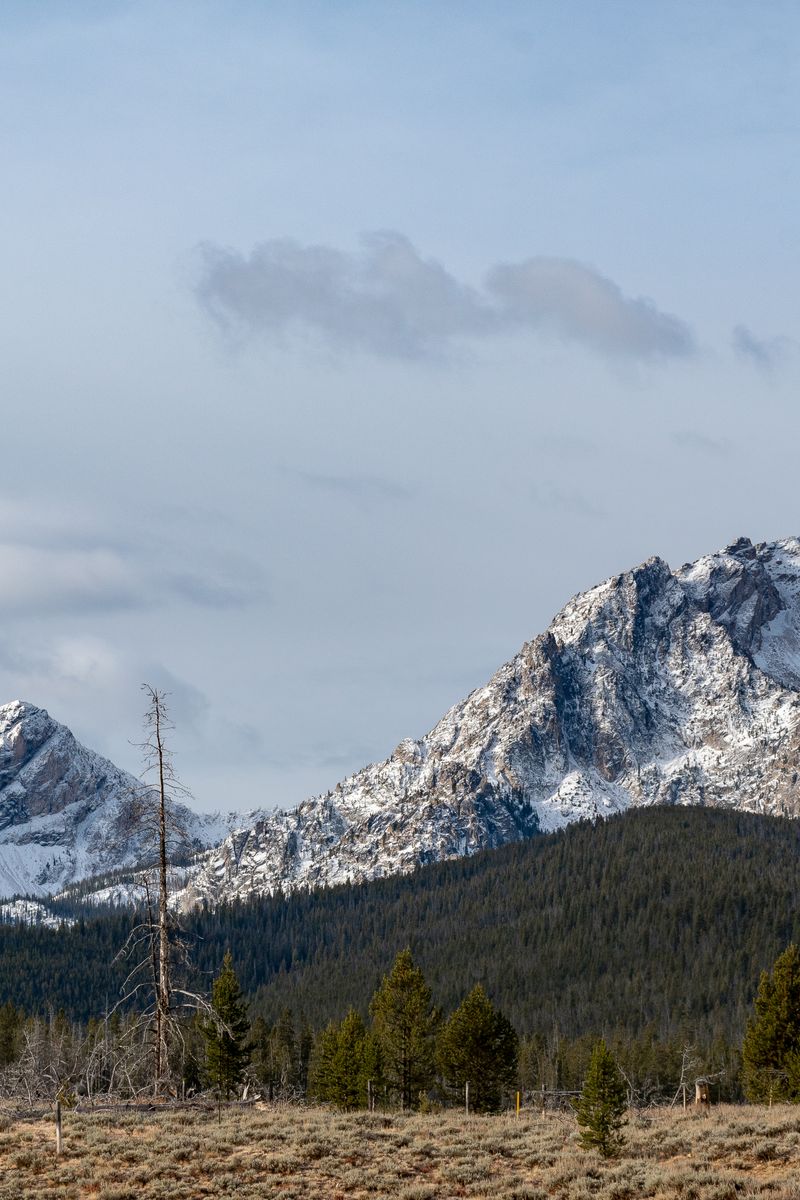
The north coast carries the resorts and the package strips — Hersonissos, Malia — and the cruise-day crowds at Knossos. But turn south, over the mountains, and the island changes completely: deep gorges, villages where lunch is whatever the kitchen made that morning, and a roadless south coast where you reach the next beach by boat or not at all.
So pick a half and commit. West for Chania, Samaria, and the wild south-west beaches; east for Heraklion, Knossos, and the palm coast. Either way: rent a car, eat where the menus are handwritten, and don't refuse the raki — it's the point, and it's free.
Crete's best beaches aren't the easy ones. The famous lagoons take a dirt road or a boat; the south-coast gems take a drive over the mountains. The reward is sand and water that don't look quite like anywhere else in Greece.
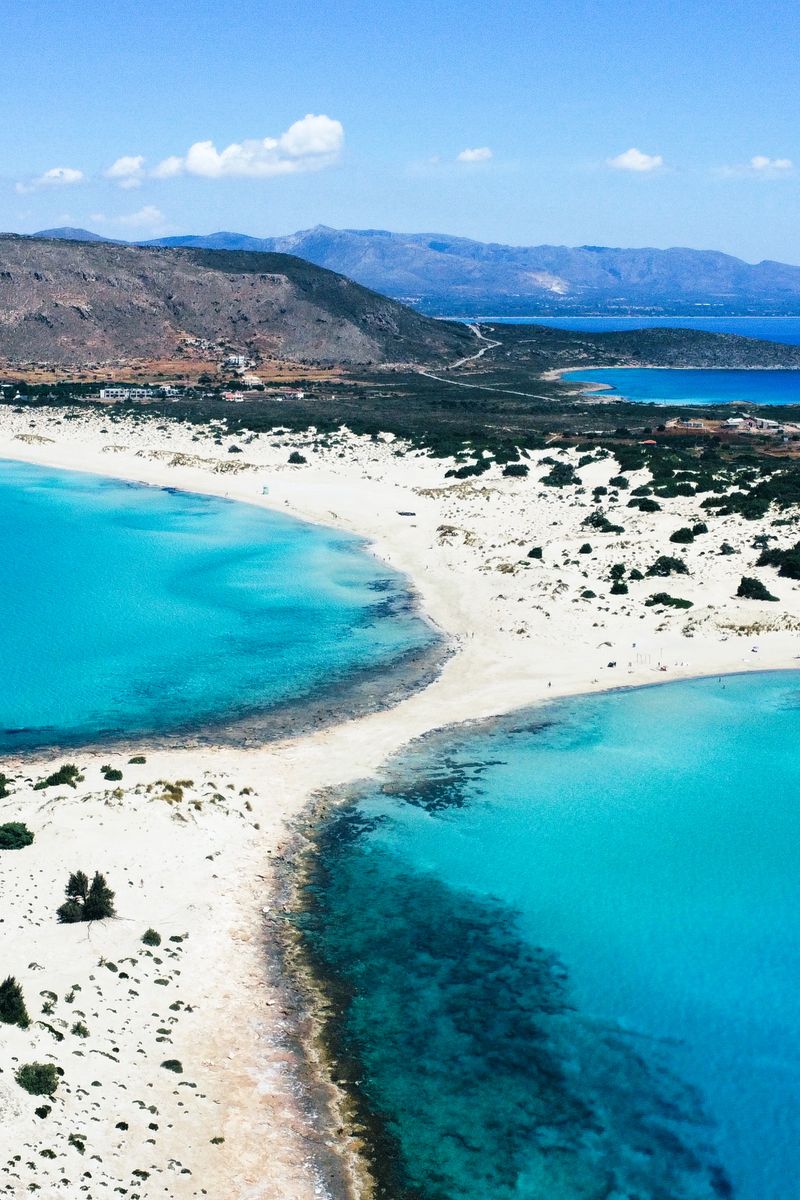
Elafonissi — the pink-sand lagoon in the far south-west. Shallow, warm, and ankle-deep enough to wade to the islet. Beautiful, and in August, very full.
Balos — a white lagoon on the north-west tip, reached by a long dirt road and a walk down, or a boat from Kissamos. The effort is the filter.
Falassarna — a long west-coast sand beach famous for its sunsets and easier to reach than the lagoons. The sane alternative on a busy day.
Preveli — a south-coast beach where a palm-lined river meets the sea. Walk up the freshwater gorge behind it; few do.
Vai — Europe's largest natural palm forest, on the far east coast. A long drive, a genuine oasis at the end of it.
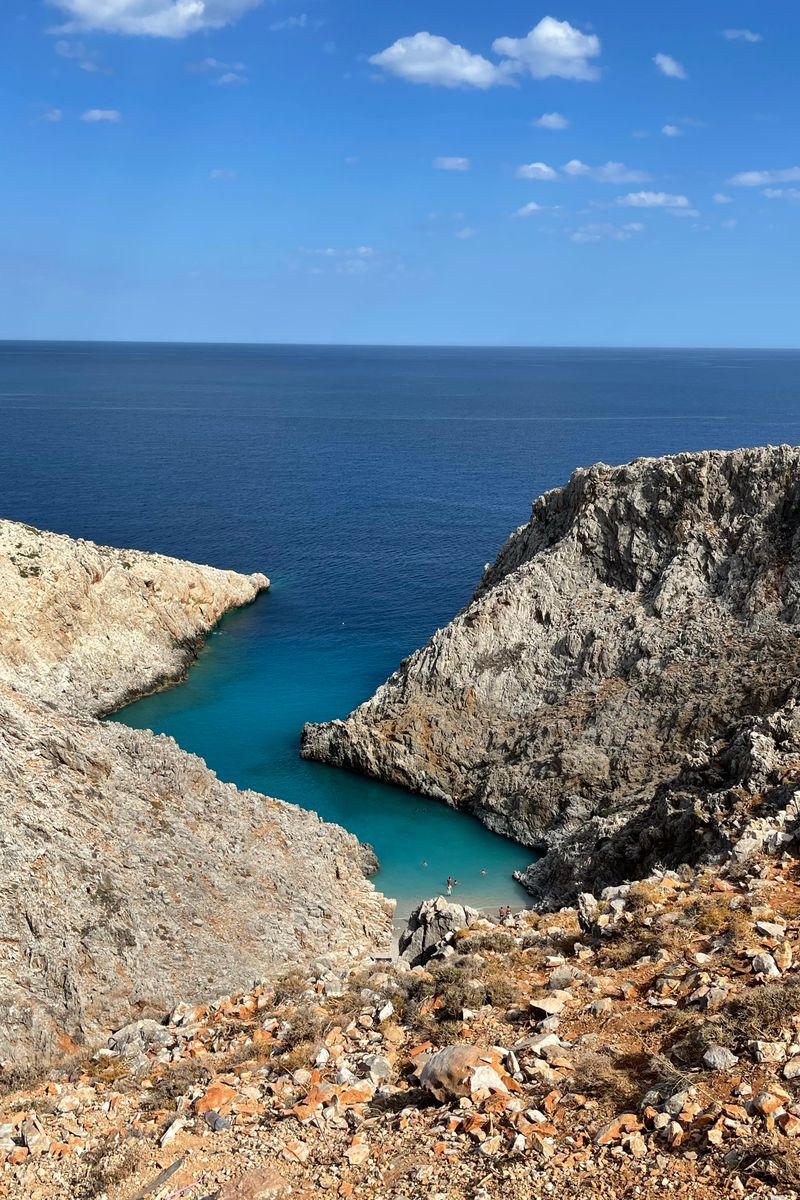
Seitan Limania — a dramatic, narrow fjord-like cove near Chania. A steep scramble down, no facilities, jaw-dropping water.
Crete has three real cities on the north coast and a scatter of villages that are the actual point of the island. See one city, then head inland or south.
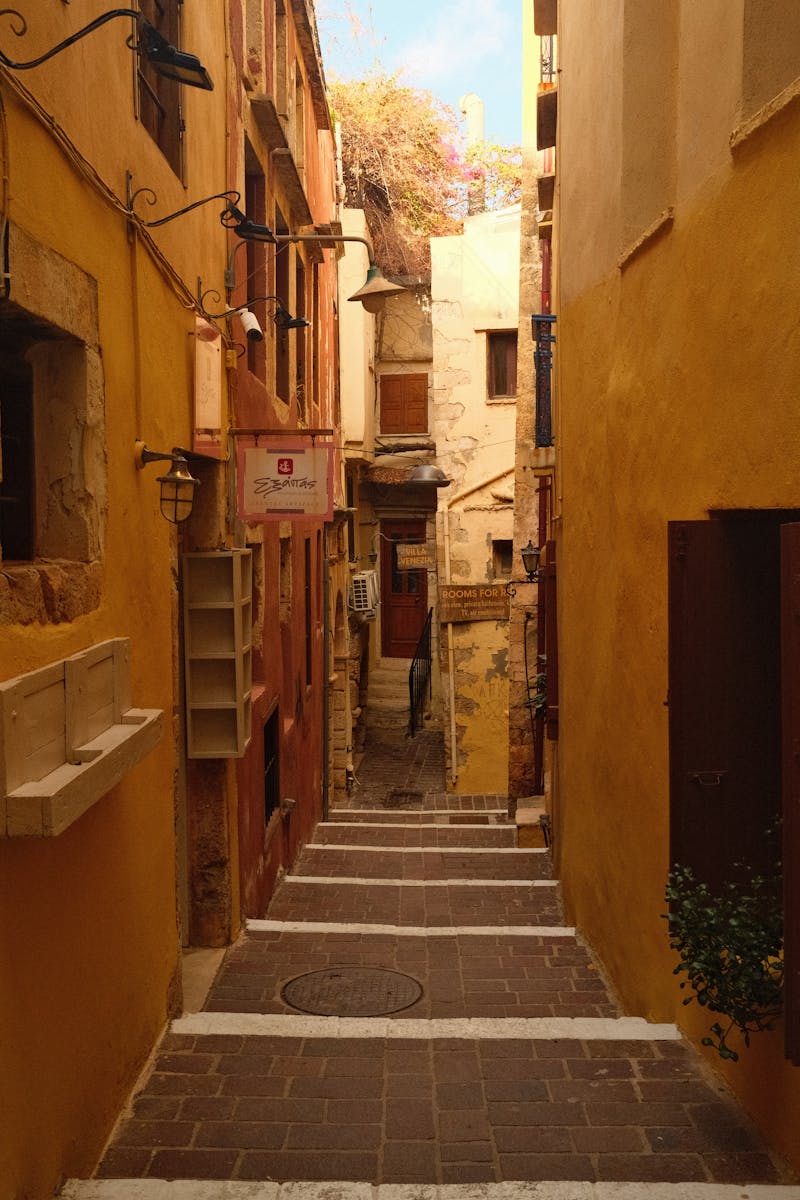
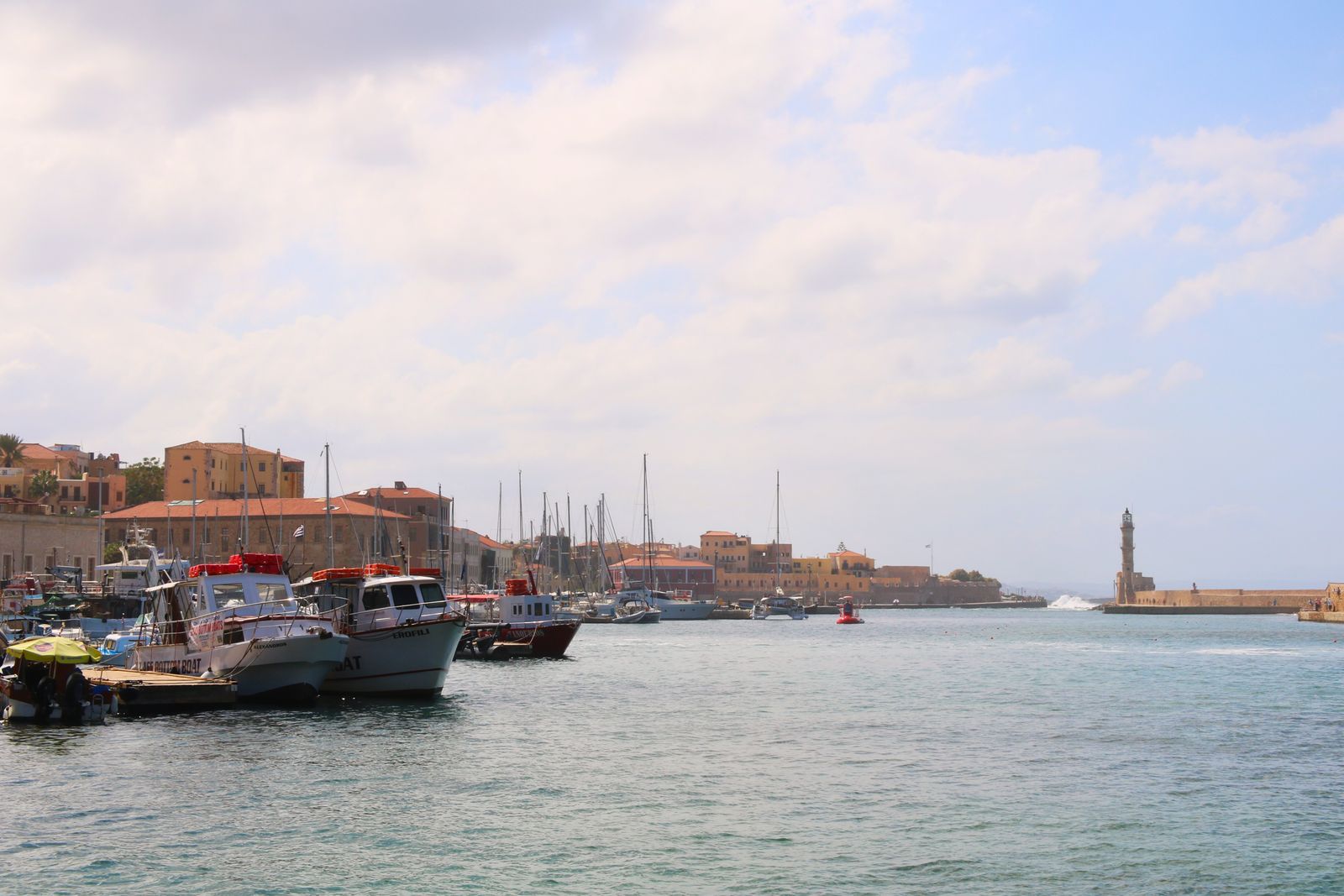
Chania — the prettiest base on the island. A Venetian harbour ringed by faded waterfront houses, an old-town tangle of lanes behind it, and the best food scene in Crete. The west's natural home.
Rethymno — a smaller Venetian-Ottoman old town, midway along the north coast, crowned by a huge fortress (the Fortezza). Quieter than Chania, central for reaching both ends.
Heraklion — the capital and the gateway to Knossos. Grittier and more working-city than Chania, but with a serious archaeological museum and a real, un-touristy daily life. Worth a day on the way east.
Loutro — a south-coast village with no road in. You arrive by boat or on foot, and that's exactly why it stays calm. White houses, a blue bay, and nowhere to be.
Anogeia & the mountain villages — high on Psiloritis, fiercely proud places where the old music, weaving, and meat-roasting traditions are still living habits, not shows.
A big, mountainous island that rewards getting out of the car.
This is where Crete pulls ahead of the smaller islands. Real mountains, walkable gorges, a roadless coast you hike between villages, and Europe's oldest civilisation under your feet.
Crete gave its name to a way of eating the rest of the world now studies. Wild greens, olive oil by the bucket, cheese, slow-cooked meat, and a drink that arrives free whether you ordered it or not.

Dakos — a barley rusk soaked just enough, piled with grated tomato, mizithra cheese, and oil. The Cretan plate you'll order every day.
Kalitsounia — small pies of soft cheese or wild greens, sometimes drizzled with honey. Breakfast, snack, anytime.
Antikristo — lamb arranged in a ring around an open fire and roasted slowly, a mountain-village tradition.
Chochlioi — snails, fried with rosemary (boubouristi). Stranger to read than to eat. Try them.
Raki (tsikoudia) — the clear pomace spirit that ends every Cretan meal, brought to the table free with a little something sweet. Refusing it isn't an option so much as a missed opportunity. It's hospitality, not a digestif.
Wine: Crete has been making wine for four thousand years and grows grapes found almost nowhere else — crisp white Vidiano and Vilana, red Liatiko and Kotsifali. The vineyards around Dafnes and Peza south of Heraklion do tastings; the Chania hills have a younger scene worth seeking out.
May, June, September, October are the best months. Warm but not punishing, the sea swimmable from June, the gorges open and comfortable, the villages going about their business. Spring brings wildflowers and green mountains; autumn brings the grape and olive harvests.
July and August — hot, especially in the south and the lowlands, where it can push past 35°C. The famous beaches and Knossos are crowded, and the north resorts are at full volume. The mountains stay cooler if you head up.
The Samaria season: the gorge is typically open from around May to October and closed in winter and after heavy rain — check before you plan a trip around it.
November to April — unlike Santorini or Mykonos, Crete doesn't shut down. The cities live year-round, the mountains get snow (skiers and snowshoers do go up), and the coast is mild and empty. Many south-coast and resort businesses close, but Chania, Rethymno, and Heraklion stay open and real.
Rent a car — there's no way around it. The island is 250 km long, and almost everything worth seeing sits off the main road. The north-coast highway is fast; the mountain and south-coast roads are slow, narrow, and the whole reason you came. Budget more driving time than the map suggests.
The south-coast ferries are part of the transport network, not just excursions. Villages like Loutro and Agia Roumeli have no road — small boats link them along the coast, and that's how you reach them.
Buses (KTEL) are good and cheap along the north coast and between the cities, and reach many beaches in summer. They thin out fast once you head inland or south.
Distances, honestly: Chania to Heraklion is about 2.5 hours on the highway; Chania to the eastern palm beaches is the better part of a day. Don't try to base in one town and day-trip the whole island.
Choose your end of the island first, then your base. Trying to "centre" yourself for all of Crete just means long drives in both directions.
Chania — the best all-round base for the west: old-town beauty, food, Samaria, and the south-west beaches.
Rethymno — central and characterful, a reasonable compromise if you want to see a bit of both ends.
Heraklion or Agios Nikolaos — for the east: Knossos, the palm coast, and the Lasithi region.
The south coast (Plakias, Loutro, Paleochora) — for remoteness, walking, and ferry-only calm.
A mountain village — for the real interior, with a car and a few unhurried days.
Crete is the affordable side of Greece — a fraction of Santorini or Mykonos prices, closer to the mainland. The north-coast resorts are the cheapest beds; the south coast and mountain villages cost you more in driving time than in euros. You can eat extremely well here for very little.
Prices in 2026 euros. Off-season knocks 30–40% off the beds; food and raki stay cheap year-round.
Go if you want a near-country of mountains, gorges, ferry-only villages, and food worth the drive — and you'll give it a week, a car, and the patience to pick one end. Skip if you've only got a long weekend, you want everything walkable from a single resort, or the package strips of the north coast are all you came for.
Found this useful? Share it.
Still planning?
We don't stop at "here's the country." Real places to stay, what to do, apps that matter, even how to find someone to travel with — plus guides for whatever vibe you're after, from beach days to wine country to slow weekends. All up top. Spin for somewhere new when you're done with this one.