
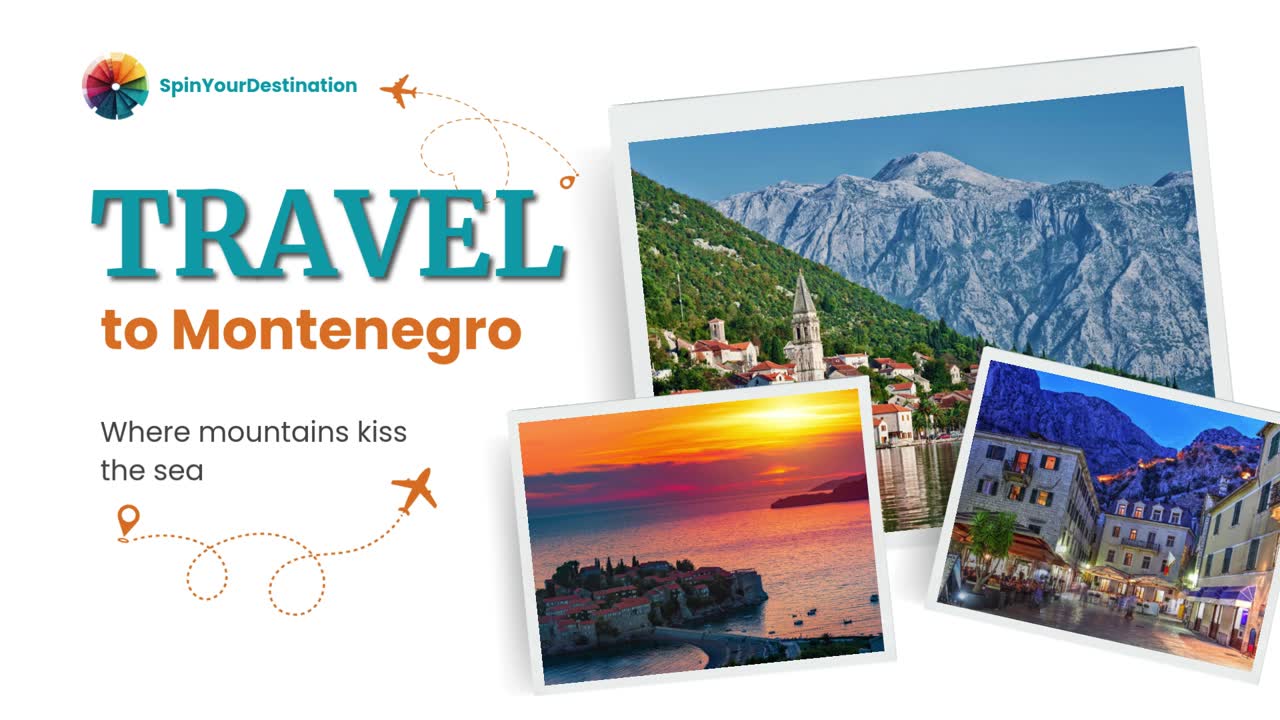
Montenegro Drink Guide
From the underground hangar-cellars of Plantaže to the family wineries of Crmnica, the rakija stills of the highlands and the specialty coffee bars of the Adriatic coast — Montenegro drinks like a country much bigger than its borders.
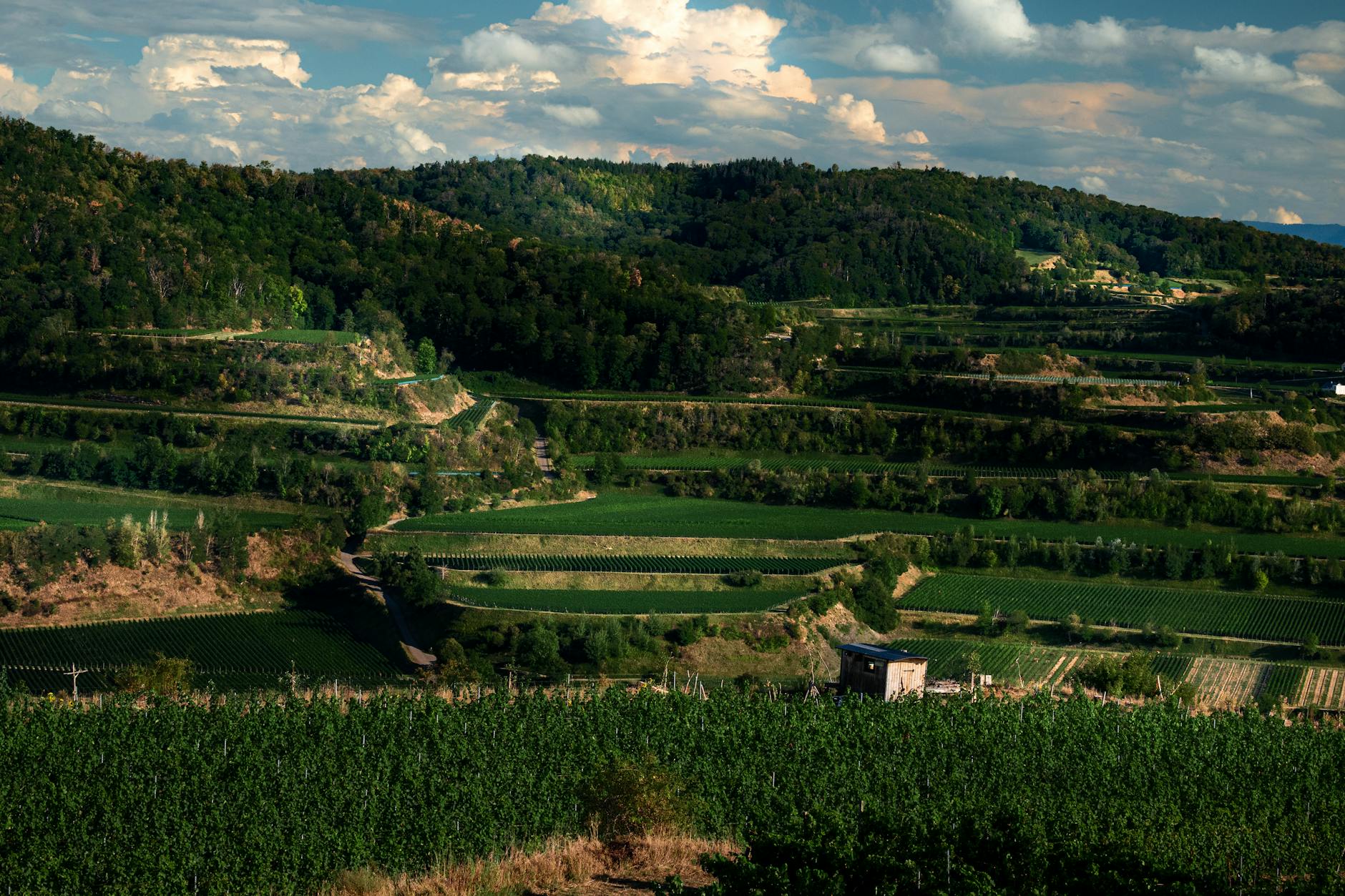
Drive ten kilometres south of Podgorica and the landscape changes. The Ćemovsko polje opens out — one of the largest single vineyards in Europe, 2,300 hectares of stony Mediterranean soil planted overwhelmingly with one grape: Vranac. This is the dark, peppery red that Montenegro made its own, and the country that built an entire wine identity around it.
Around Lake Skadar, in the Crmnica valley, family wineries have been pressing the same grape for five centuries in cellars carved into stone houses. Higher up, in the mountains, every village makes its own rakija — loza from grapes, kruška from pears, šljiva from plums — double-distilled in copper stills the way grandfathers taught. On the coast, Italian-style espresso bars fill the marble squares of Kotor and Budva from dawn.
This guide picks out the places that are actually worth going to in person — from the cathedral-scale Šipčanik cellar to the smallest organic estate above Rijeka Crnojevića, the underground craft brewery in Nikšić and the specialty coffee roasters of the Bay.
This guide contains information about alcoholic beverages and is intended for adults of legal drinking age in their country.
Wine — Vineyards & Cellars
Montenegro's wine country runs from the giant Ćemovsko polje plateau near Podgorica down to the Crmnica valley and the shores of Lake Skadar — a region defined by two indigenous grapes: Vranac (the black horse) and the white Krstač. Visit one big producer and one tiny family cellar to understand the full story.
Lake Skadar — Crmnica & Podgorica
The historic heartland of Montenegrin wine. Crmnica, the rural area inland from Bar around the village of Virpazar, has been growing Vranac and Kratošija since at least the 15th century. North of Skadar, around Rijeka Crnojevića and on the great stony plain of Ćemovsko polje, sit both the country's largest producer and a wave of new boutique estates working at the other end of the scale entirely.
Key grapes: Vranac · Kratošija · Krstač · Malvazija · Cabernet Sauvignon
Plantaže 13. Jul — Šipčanik Cellar
Ćemovsko polje, Podgorica
The flagship of Montenegrin wine and one of the most extraordinary cellars in Europe. Plantaže's Šipčanik wine cellar was a 356-metre underground military aircraft hangar until 2007, when it was converted into a wine cathedral holding over two million litres in barrel and bottle. Above it sprawls the Ćemovsko polje vineyard — 2,300 hectares, 60% planted with Vranac, the largest single vineyard in Europe. Their three tasting programmes (Bouquet, In Vino Veritas, Power of Terroir) take you through the indigenous Krstač and Vranac Pro Corde alongside Montenegrin prosciutto and Njeguši cheese. About 10 km from central Podgorica.
⏱ Mon–Fri 9:00–16:00 · 🍷 Three tasting programmes · 📍 Šipčanik cellar, Tuzi (Ćemovsko polje) · Book in advance
Visit Plantaže →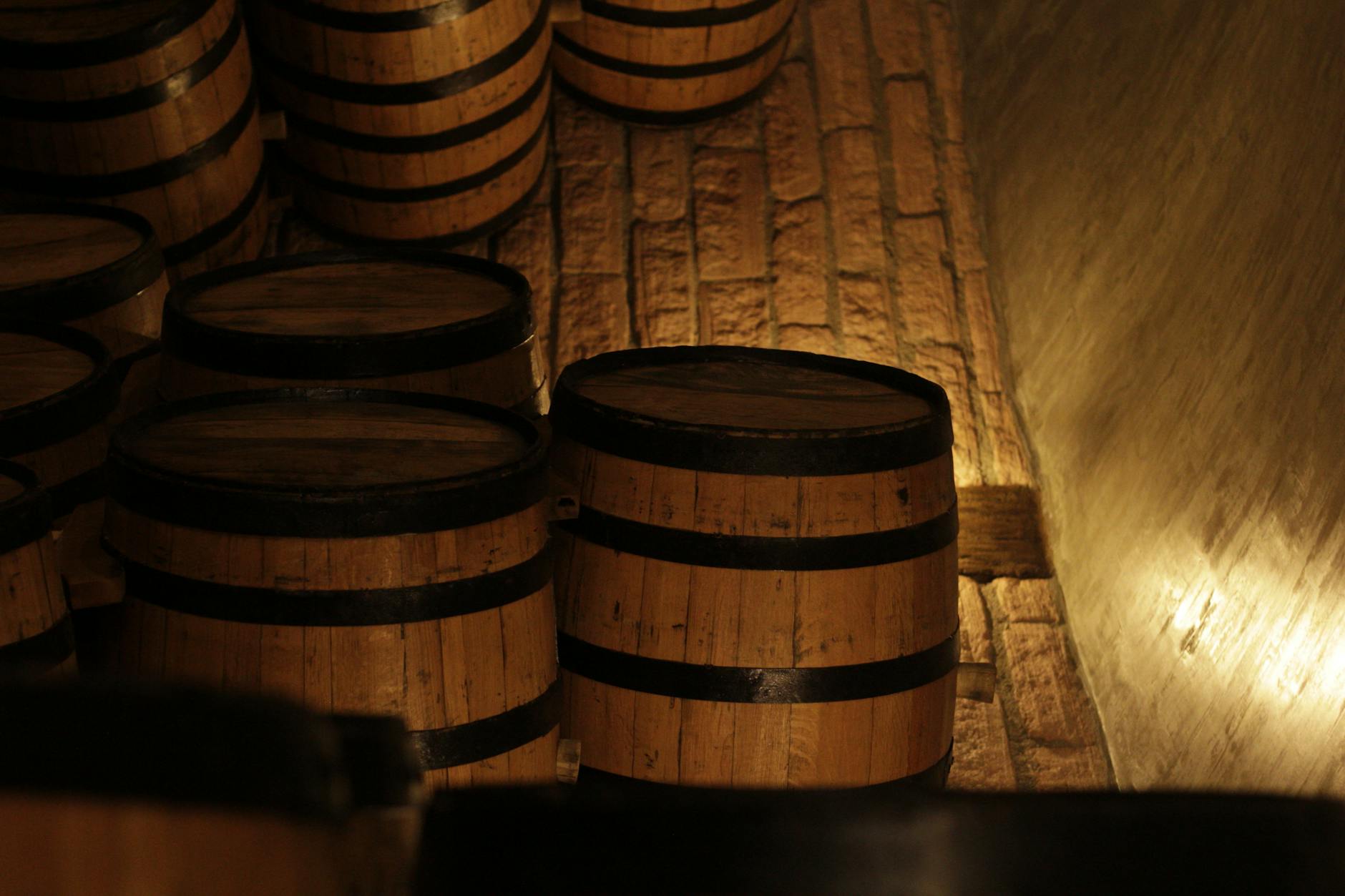
Vinarija Kopitović
Donji Brčeli, Crmnica
The Kopitović family settled in Donji Brčeli in the 15th century and has been growing vines and producing red wine from indigenous varieties ever since. Their 300-year-old stone cellar still holds barrels of Vranac, Kratošija and Lisičina, alongside the homemade rakija they're equally famous for. The 1.5-hectare vineyard sits at 300 metres above Lake Skadar, on terrain that is roughly halfway between the Adriatic and the continental plateau. Wines are made in limited quantities only; tastings happen at an authentic-style family tasting room beside the house, paired with traditional Crmnica home cooking.
⏱ By prior arrangement · 🍷 Wine + rakija + traditional Crmnica meal · 📍 Donji Brčeli, 7 km from Virpazar
Visit Kopitović →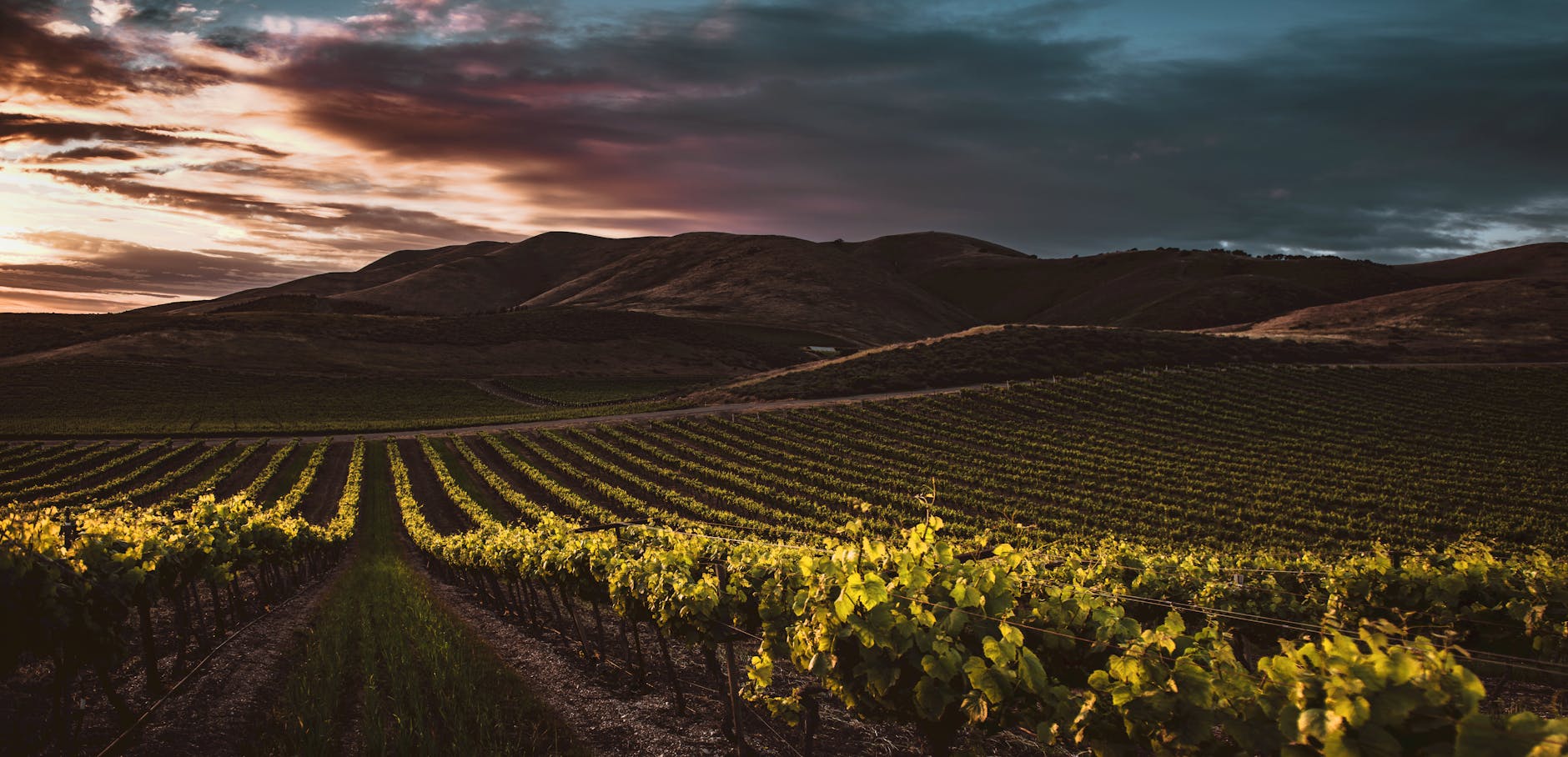
Jablan Winery
Rvaši, Skadar Lake National Park
The most ambitious of Montenegro's new-wave producers — a family estate on a hillside above the historic village of Rvaši, where Borislav and Angelika Jablan have been working since 2020 on native grapes and minimal-intervention winemaking. Some of the vines are over a hundred years old. The reds and oranges age in Georgian Qvevri amphoras rather than oak, producing wines with a distinctive savoury, skin-contact character. The 2025 vintage was the first to be EU-certified organic, and Jablan is the first Montenegrin winery to earn Demeter biodynamic certification. Tastings are paired with e-bike tours through the surrounding vineyards and stone villages of the northern lake shore.
⏱ By appointment · 🚴 Wine tasting + e-bike tours · 📍 Rvaši, 30 min from Podgorica
Visit Jablan →Boutique Family Wineries
Beyond Plantaže, the entire Montenegrin wine scene is built on family estates working a few hectares each. The villages around Cetinje, Rijeka Crnojevića and Beri (in the hills west of Podgorica) are full of them. These are the places to taste indigenous varieties at their most personal — sat around the family table, with homemade rakija to finish.
Key grapes: Vranac · Kratošija · Malvazija Aromatica · Marselan
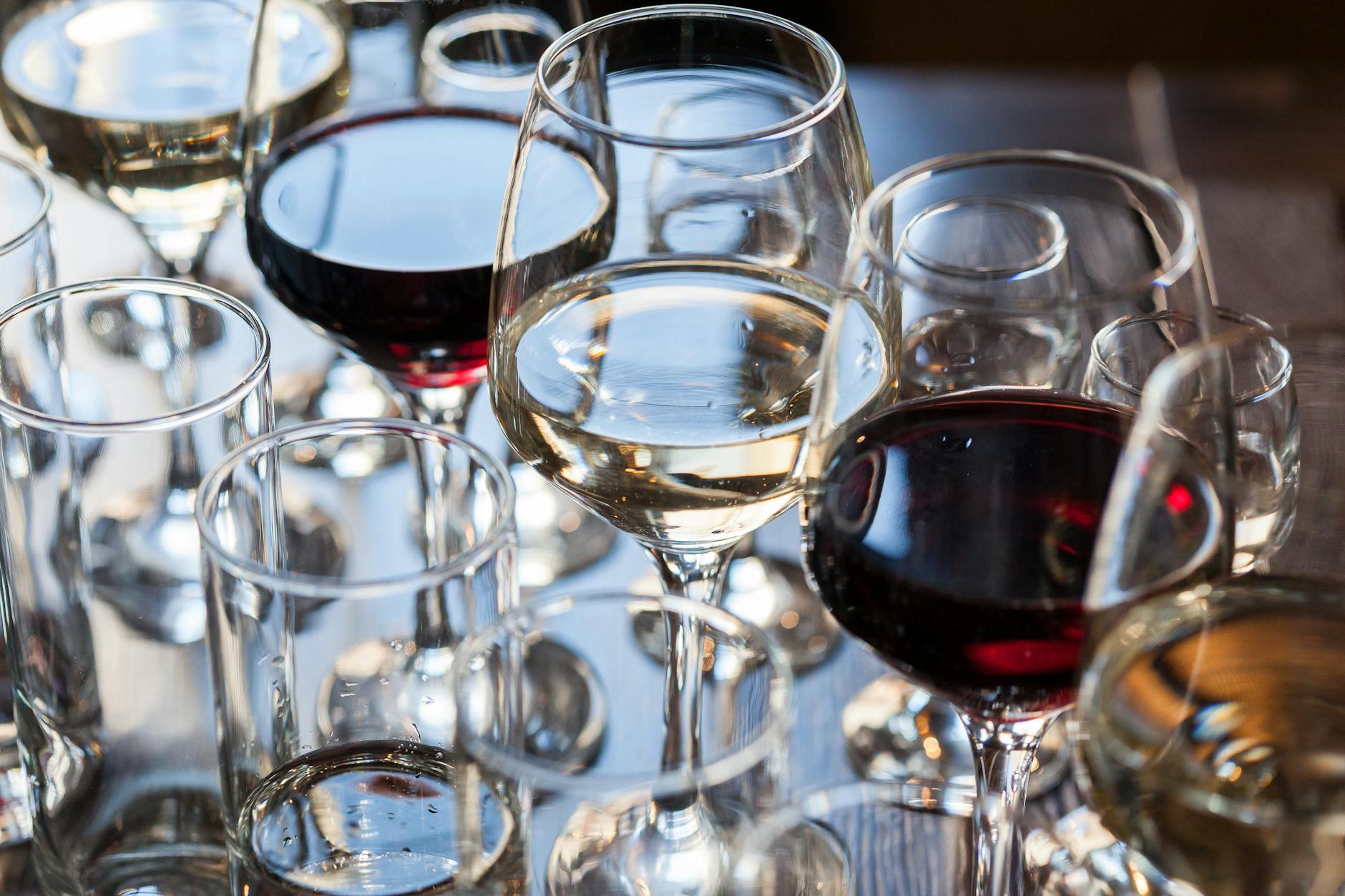
Mrkan Winery
Rvaši, Cetinje
The Šofranac family has been making wine and rakija in the hamlet of Suvodoli — just above Rvaši inside Skadar Lake National Park — for so many generations that no one remembers exactly when it started. The vineyard covers half a hectare; annual production is about 3,000 litres. Tastings happen either in a small dedicated tasting room or out on the family terrace overlooking the vineyards, paired with homemade Crmnica specialities. The winery has rooms for guests who want to stay overnight in the village; visits are by prior arrangement only. 22 km from Podgorica, 20 km from Cetinje.
⏱ By appointment, spring & autumn best · 🍷 Wine + rakija tasting + local meze · 📍 Rvaši, Cetinje
Visit Mrkan →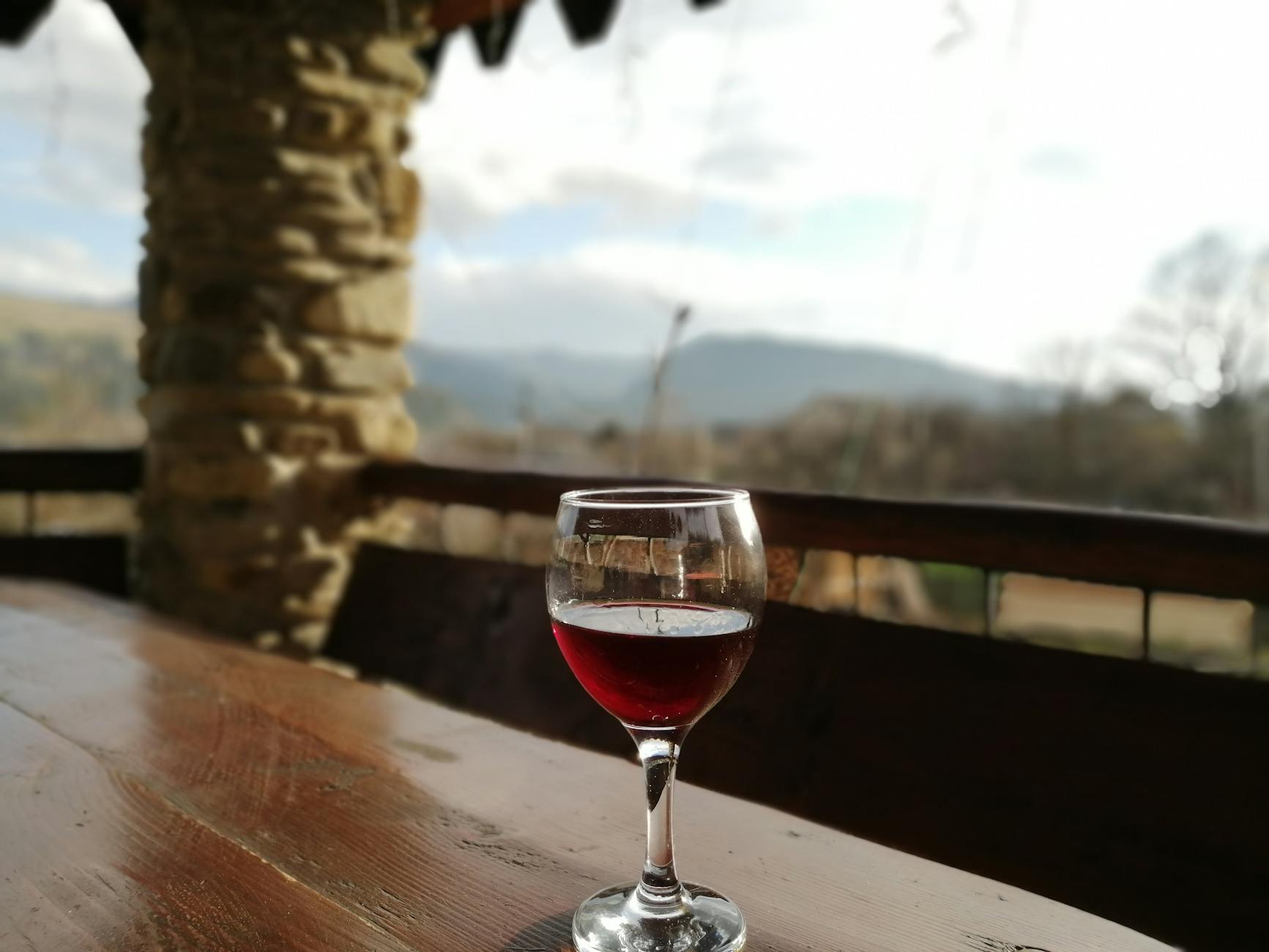
Vinarija Vukićević
Beri, Podgorica
In the Lješkopolje valley west of Podgorica, the Vukićević brothers run a four-hectare family estate that has grown from a hobby into one of the most awarded boutique wineries in the country. Their Vranac Barrique has medalled at the International Wine Challenge in Vienna and the Paris Wine Cup; the two-wolves logo is now a fixture of better Montenegrin wine lists. Tours of the production hall, ageing room and vineyard end at the tasting room (or, in summer, out under the vines), with Vranac, Marselan, an aromatic Malvazija and rosé alongside their own rakija and homemade Montenegrin specialities. Roughly 10 minutes from central Podgorica.
⏱ By appointment · 🍷 4–6 wine tasting + rakija + local meze · 📍 Beri, 81000 Podgorica
Visit Vukićević →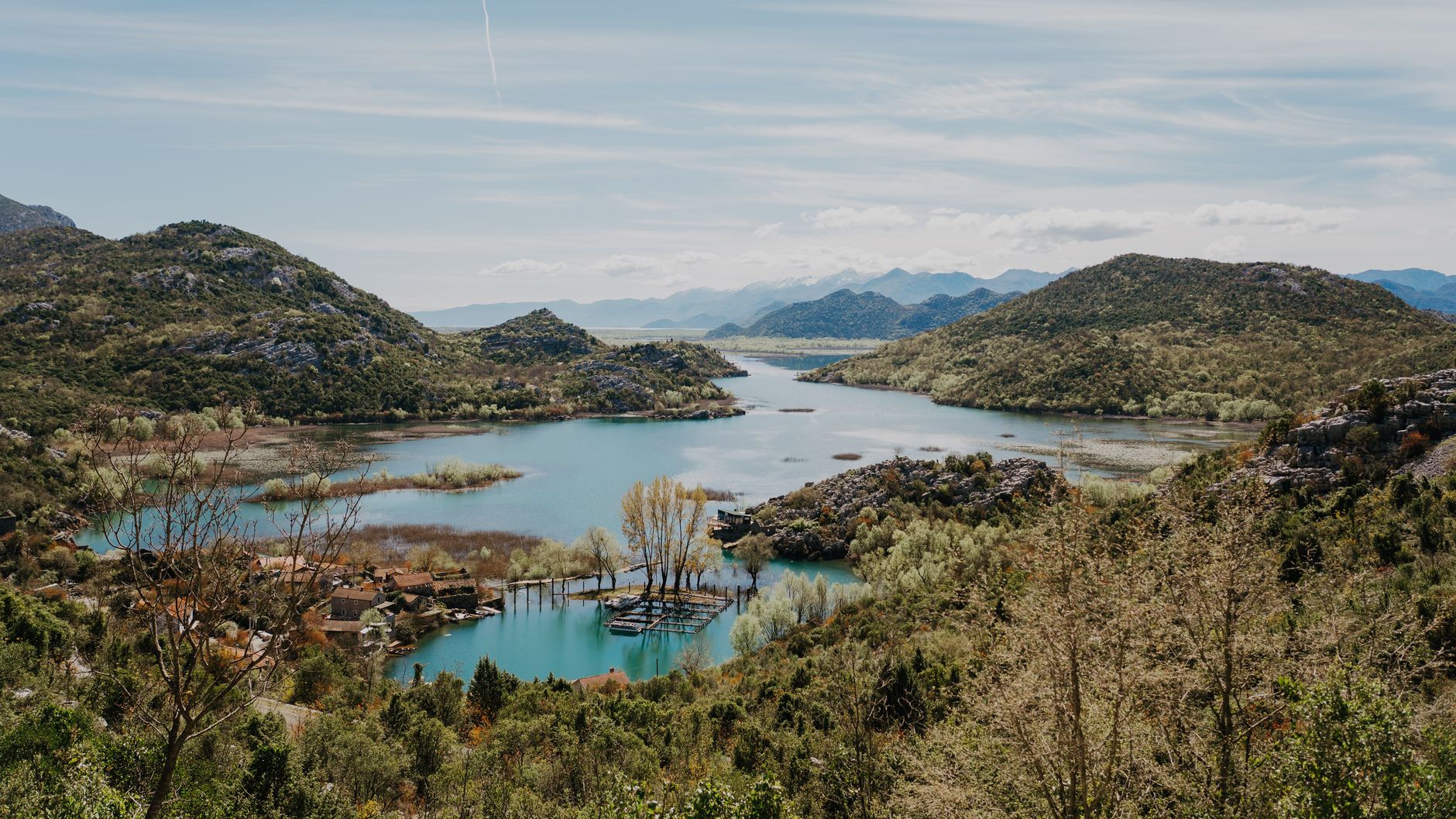
Skadar Lake Winery & Safari Tour
From Podgorica
A full-day private tour that strings the wine country together with the dramatic landscapes around it. Pick-up in Podgorica, then on to the abandoned Žabljak Crnojevića fortress, the Biševina savanna with its herd of wild horses, the Fort Besac viewpoint over the lake, the famous Pavlova strana panorama above Rijeka Crnojevića, and a long tasting and meal at Mrkan winery in Rvaši. Run as a private tour, so a useful option if you don't have a car and want to see Crmnica properly without piecing together half a dozen separate bookings. Rated 4.9 / 5.0 on GetYourGuide.
⏱ About 7 hours · 📚 English-speaking guide · 📍 Pickup from Podgorica · Private group
Book a tour →🍷 Practical Wine Tips
- Vranac is the country's signature red — dark, peppery, savoury, food-friendly. The name means "black horse". Expect more grip than New World reds and serve at cool cellar temperature, not warm
- Krstač is the indigenous white — aromatic, mineral, much better than its limited international reputation suggests. Plantaže's Montenegrin Krstač is the easiest place to start
- The Šipčanik cellar is the only big-scale wine experience in the country; for boutique family estates (Kopitović, Mrkan, Vukićević), always book a day or two in advance — these are working farms, not drop-in tasting rooms
- Crmnica wineries are clustered around Virpazar (the main village of the wine region) and reachable by car from Podgorica in 45 minutes, or by train from Bar in 20
- The Plantaže visitor centre is in Tuzi, about 10 km from Podgorica — take a taxi, drive yourself, or arrange transport when you book your tasting
- Look for the "Vranac Pro Corde" line at Plantaže — one of their most awarded reds, marketed (with a wink) as the wine "for the heart"
Wine Bars — Kotor & the Coast
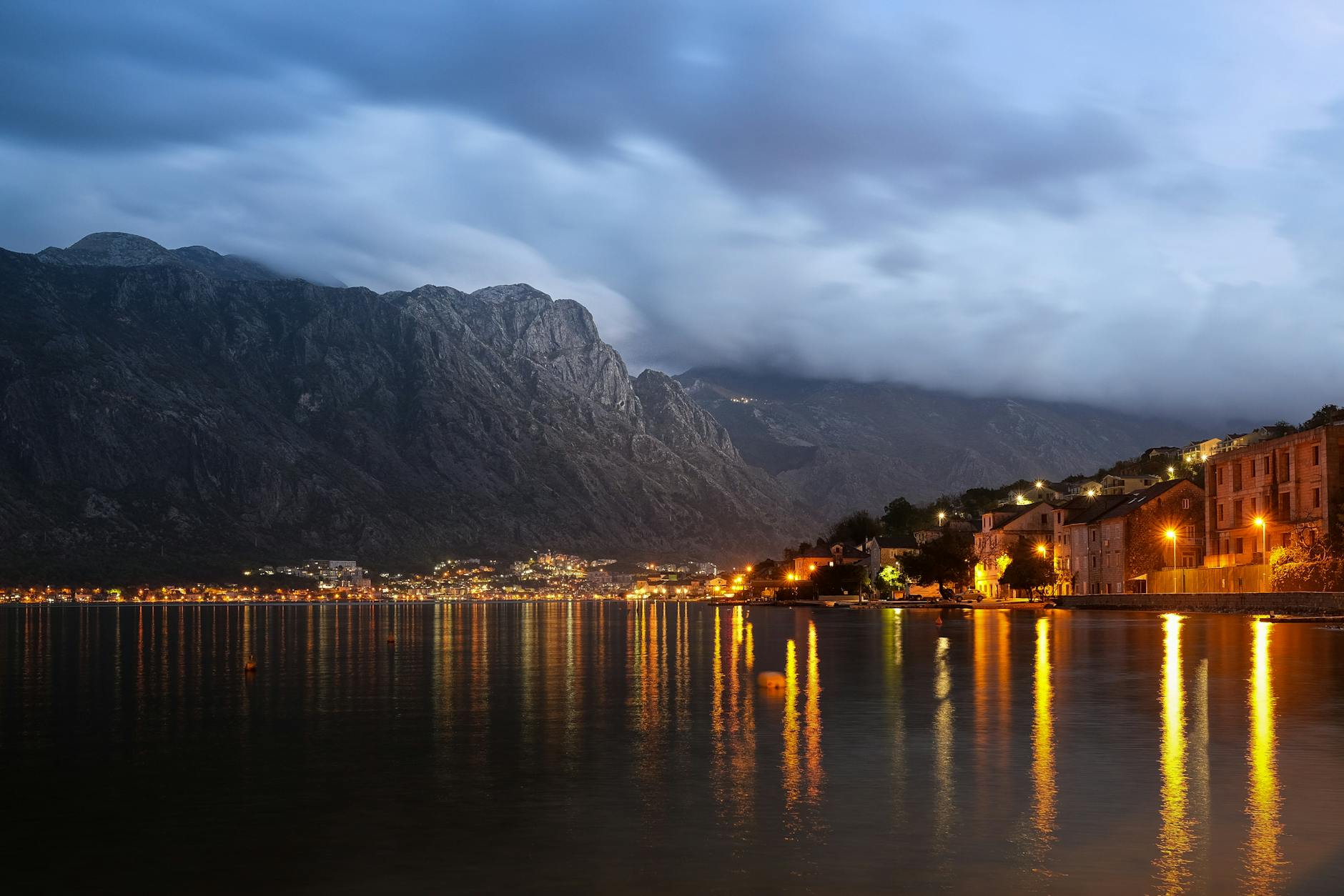
Montenegro's wine-bar scene is concentrated in the Bay of Kotor — old stone rooms inside the UNESCO walls of Stari Grad, where you can sit with a glass of Vranac and watch the medieval streets fill up at dusk. Three places worth seeking out.
Old Winery Wine Bar
North Side, Old Town Kotor
A rustic wine bar tucked into the north end of Kotor's walled Old Town — jazz on the speakers, stone walls, a covered courtyard with plenty of tables, and one of the best curated lists of Montenegrin and regional wines in the city. They run a nightly six-wine degustation paired with charcuterie that's a perfect introduction to local Vranac and Krstač for visitors. Open from morning to 1 a.m., so it doubles as a quiet daytime cafe and a serious evening tasting room. Fast Wi-Fi makes it a favourite of digital nomads working through the off-season.
⏱ Daily 9:00–01:00 · 🍷 Nightly six-wine tasting from 21:00 · 📍 Stari Grad, Kotor
Visit Old Winery →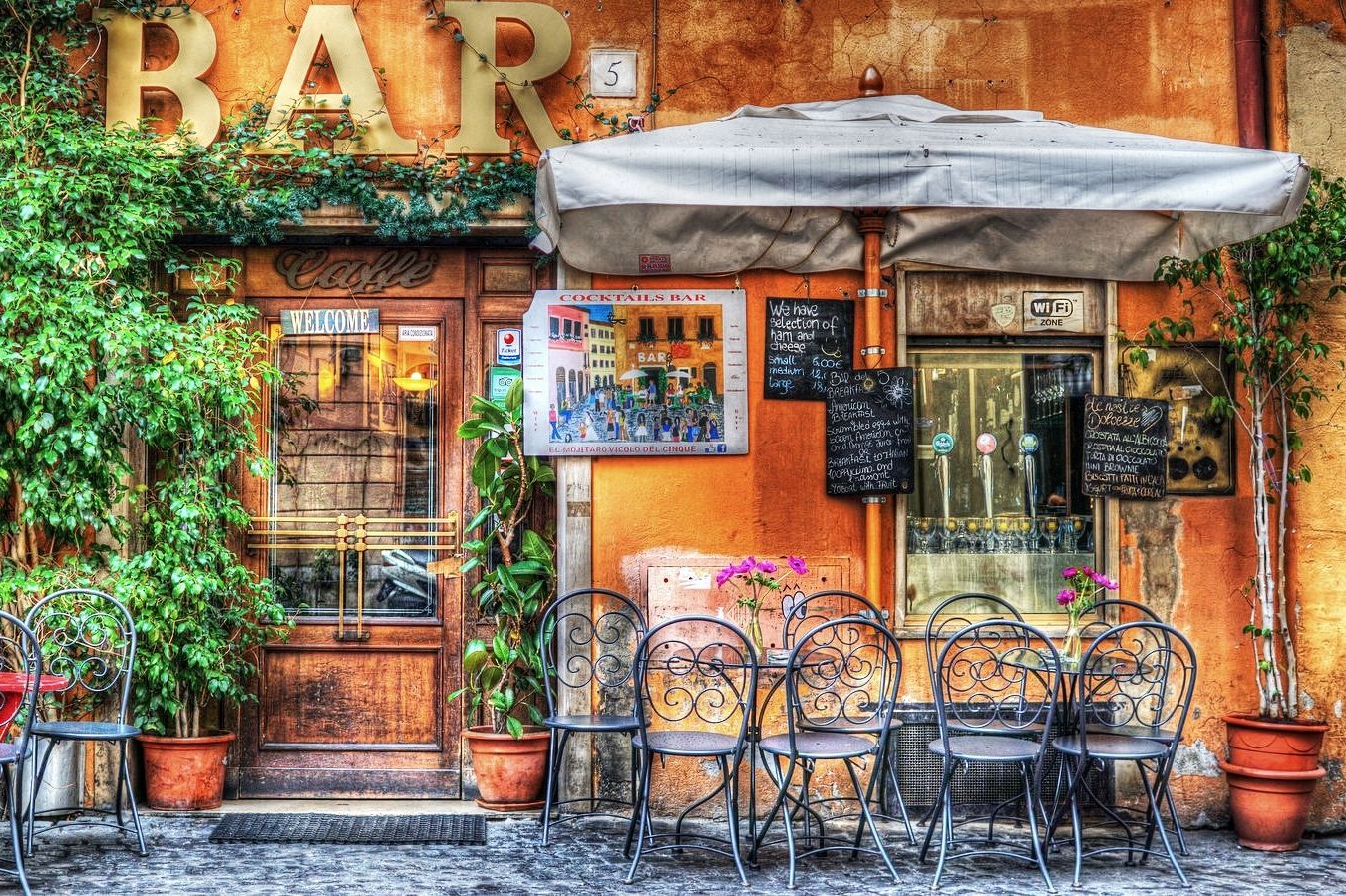
Ladovina Kitchen & Wine Bar
Njegoševa, Kotor
A short walk outside the Old Town walls, behind an ancient stone wall and under the shade of mature trees — one of the most relaxed wine terraces in Kotor and a fixture of the local dining scene. The wine list runs deep through Montenegrin boutique wineries (Plantaže, Vukićević, Mrkan and others) alongside regional and international labels, and the kitchen turns out modern Mediterranean cooking built around local seafood. Their sister venue, BUTIGA wine & deli on Put prvoborca, is a small tasting and bottle shop for taking Montenegrin wine home. 4.5 average on Google over 700+ reviews.
⏱ Mon–Sun 8:00–23:00 · 🍷 Deep Montenegrin wine list + Mediterranean food · 📍 Njegoševa 206, Kotor
Visit Ladovina →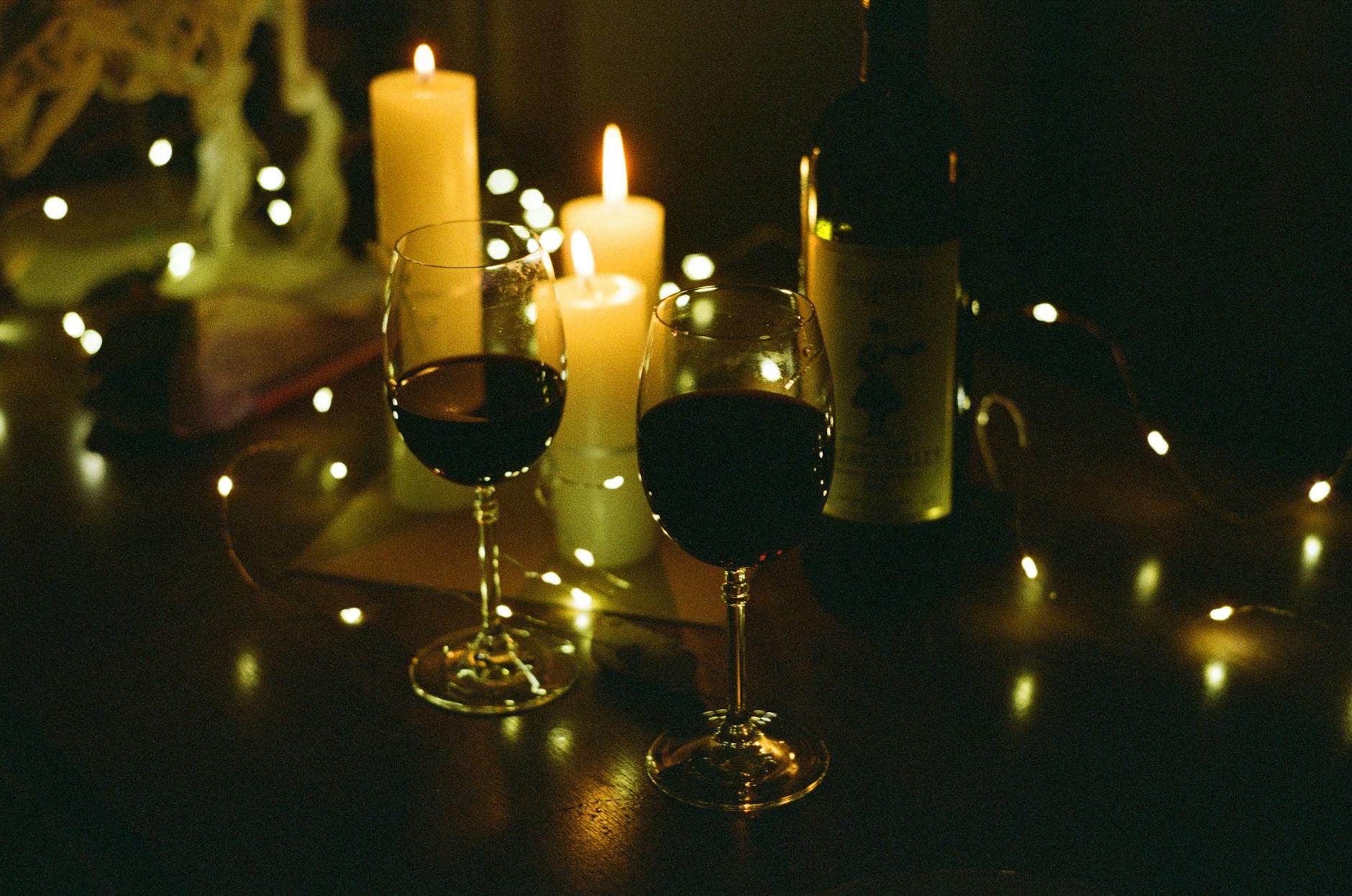
Patisserie by Wine House
Stari Grad, Kotor
A tiny but properly serious wine and patisserie spot inside Wine House — a 12th-century stone building in Kotor's Old Town that was originally a wine and olive-oil warehouse, and where Prince Danilo Petrović Njegoš is recorded as a regular taster in the 19th century. The walls and exterior are original; the interior was carefully restored in 2010. Beyond the morning pastries and espresso, the bar opens through the day for tasting flights of Montenegrin wine, champagne and beer, plus coffee cocktails (an espresso martini is the local favourite). One of the most atmospheric small rooms in Kotor.
⏱ All day from breakfast · 🍻 Wine flights, champagne, espresso cocktails · 📍 Stari Grad 488, Kotor
Visit Wine House →Rakija — Loza, Kruška & the Mountain Stills
Rakija is the spirit of Montenegro — literally. Almost every house in the highlands has a copper still in the back; almost every village can name the producer with the best šljiva. Made from the country's fruit (grapes, plums, pears, quinces, apples), double-distilled, served cold in a small glass before the meal — this is the national drink before the wine arrives.
Distillers & Brandy Houses
Most Montenegrin rakija is still made at small scale by families, often as a sideline to their winemaking. Two producers worth seeking out by name: a dedicated family distillery in the highlands, and the brandy range from Plantaže that anchors the country's commercial output.
Key spirits: Loza / Lozovača (grape) · Kruška (pear) · Šljiva (plum) · Dunja (quince) · Medovina (honey wine)
Naša Vasojevka
Novović family, Montenegro
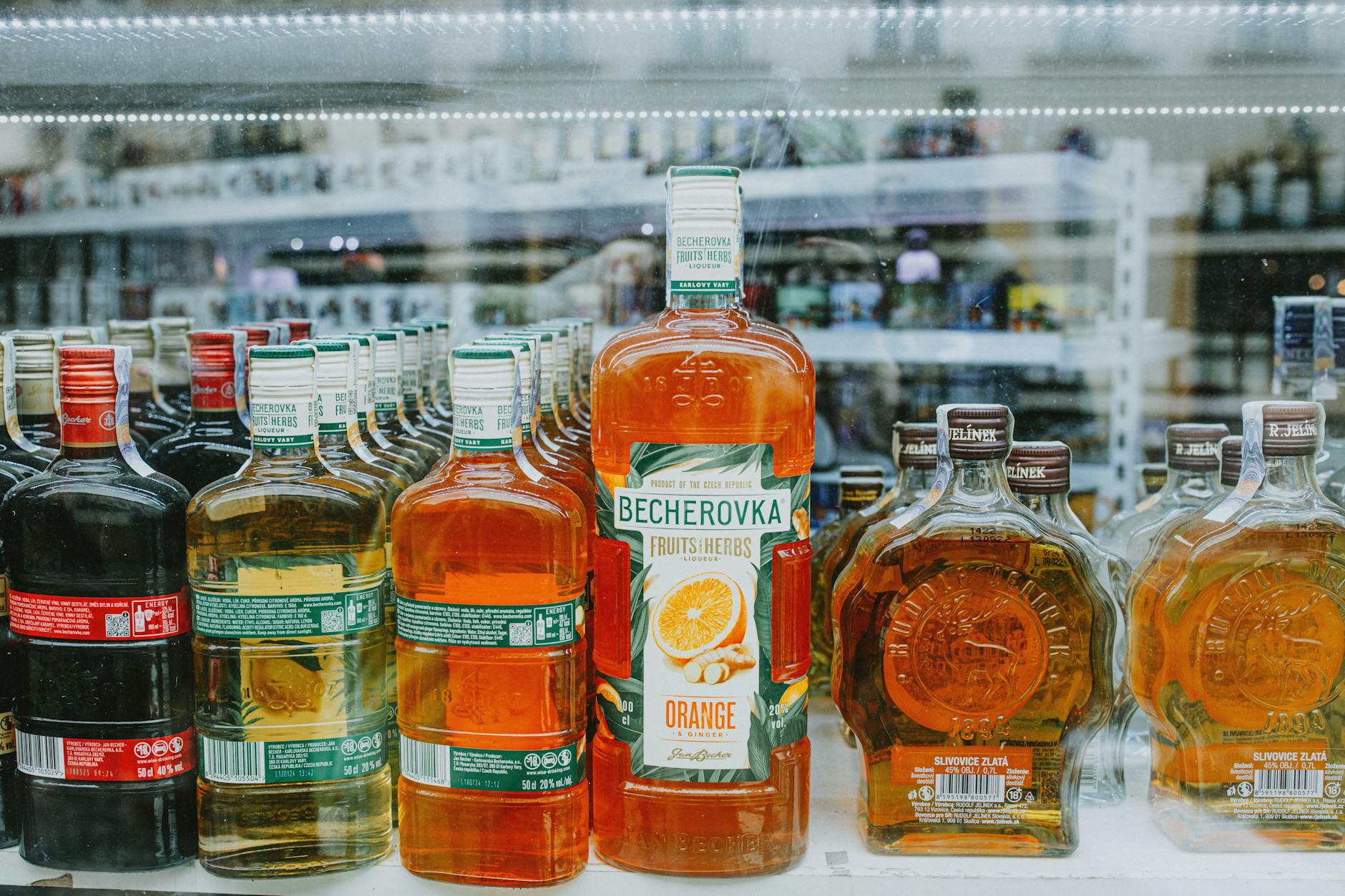
Named after the Vasojević tribe of the northern highlands — the Novović family's range of double-distilled fruit brandies is one of the cleanest expressions of the Montenegrin rakija tradition. They make four core spirits: plum (the classic, soft and aromatic with a touch of vanilla), apple (fresh and orchard-bright), quince (intense, refreshing, citrusy) and pear, plus a Premium aged plum. No additives, no colouring, no shortcuts — just ripe Montenegrin fruit, copper stills and time. Their signature cocktail, the Vasojevička četvorka (the "Vasojević four"), combines all four spirits in one glass.
🎀 Plum · Apple · Quince · Pear · Premium plum · Online shop & gift packaging
Visit Naša Vasojevka →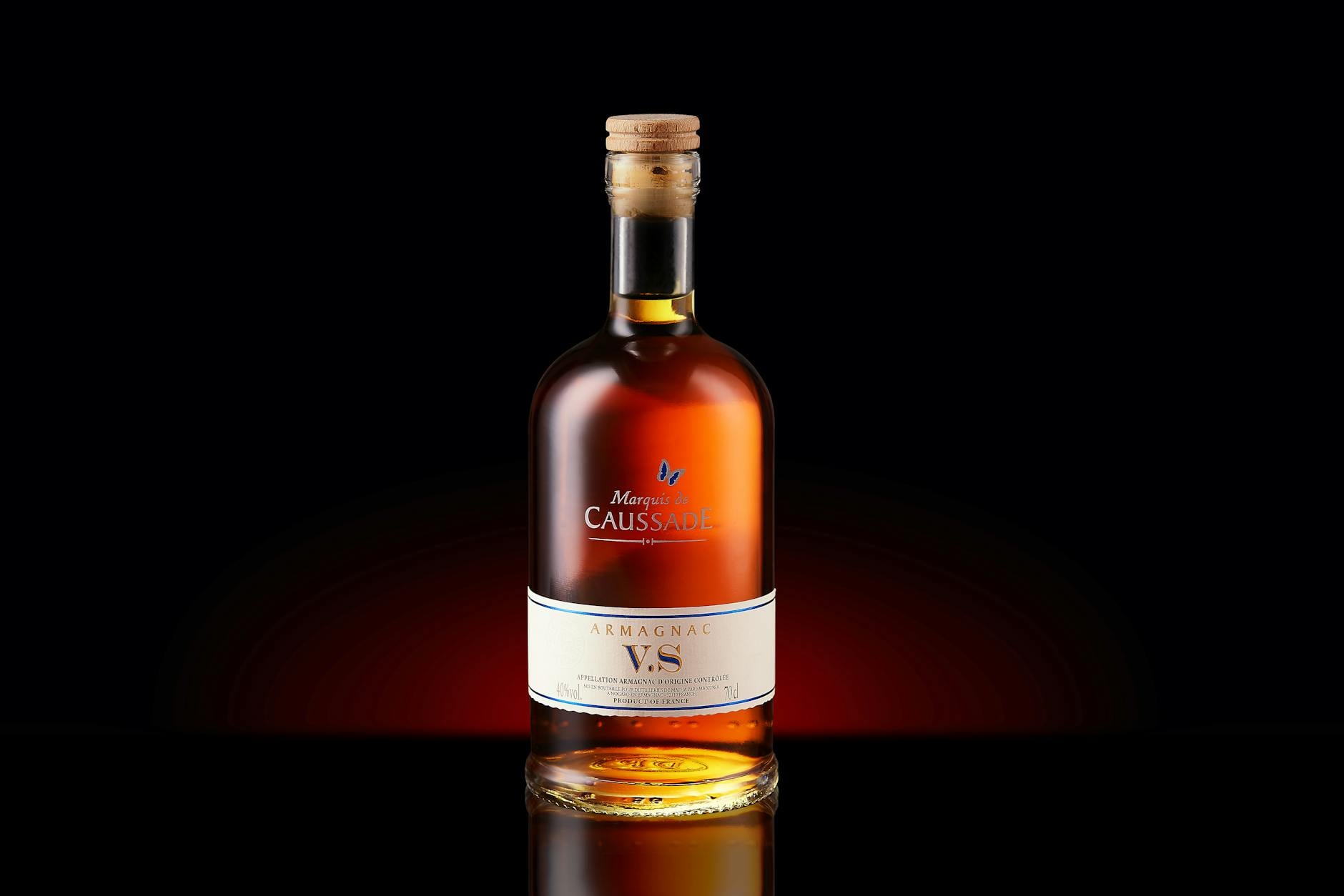
Plantaže — Loza & Kruna
Ćemovsko polje, Podgorica
Alongside their wines, Plantaže produces the country's most widely available brandies: a classic Montenegrin grape brandy distilled from Vranac and Kratošija; the aged Prvijenac; the rich, oak-aged Kruna; and a fruit brandy from peach grown on Plantaže's own orchards. Almost every restaurant in the country pours one of these as the welcome drink. If you've taken the Šipčanik wine tour, this is the brandy range you'll already have tasted — available in their shops on-site and across Podgorica, and worth bringing home in a way that survives the flight better than wine does.
🎀 Montenegrin grape brandy · Prvijenac · Kruna · Peach brandy · Available at the cellar shop
Visit Plantaže →Know Your Montenegrin Rakija
Rakija is the umbrella term for all fruit brandies across the Western Balkans. In Montenegro, you'll meet a handful of regional variants worth telling apart before you order.
In Montenegro rakija is treated as a welcome drink, an aperitif and an after-dinner digestif — rarely all three on the same visit. The expected toast is "Živjeli!" (long live us). Always make eye contact when you clink the glass, and never put the glass back on the table before the first sip — it's considered bad luck.
Beer — Breweries & Taprooms
Montenegrin beer is overwhelmingly one brand — Nikšićko, the pale lager from the central Montenegrin city of Nikšić, available everywhere from Budva to Žabljak. But around it, a small craft scene has taken root in the last few years, led by an underground brewery in a hotel basement and a family taproom on a bend in the Zeta river.
Nikšić, Podgorica & Beyond
Three breweries that between them cover the entire Montenegrin beer story: the 125-year-old industrial giant, the pioneering underground craft brewery, and the family micro-brand that has spread quietly across the country's better restaurants and bars.
Styles to look for: Pilsner / Lager · IPA · Red Lager · Stout · Mosaic-hopped Pilsner
Nikšićko Pivo (Trebjesa)
Nikšić
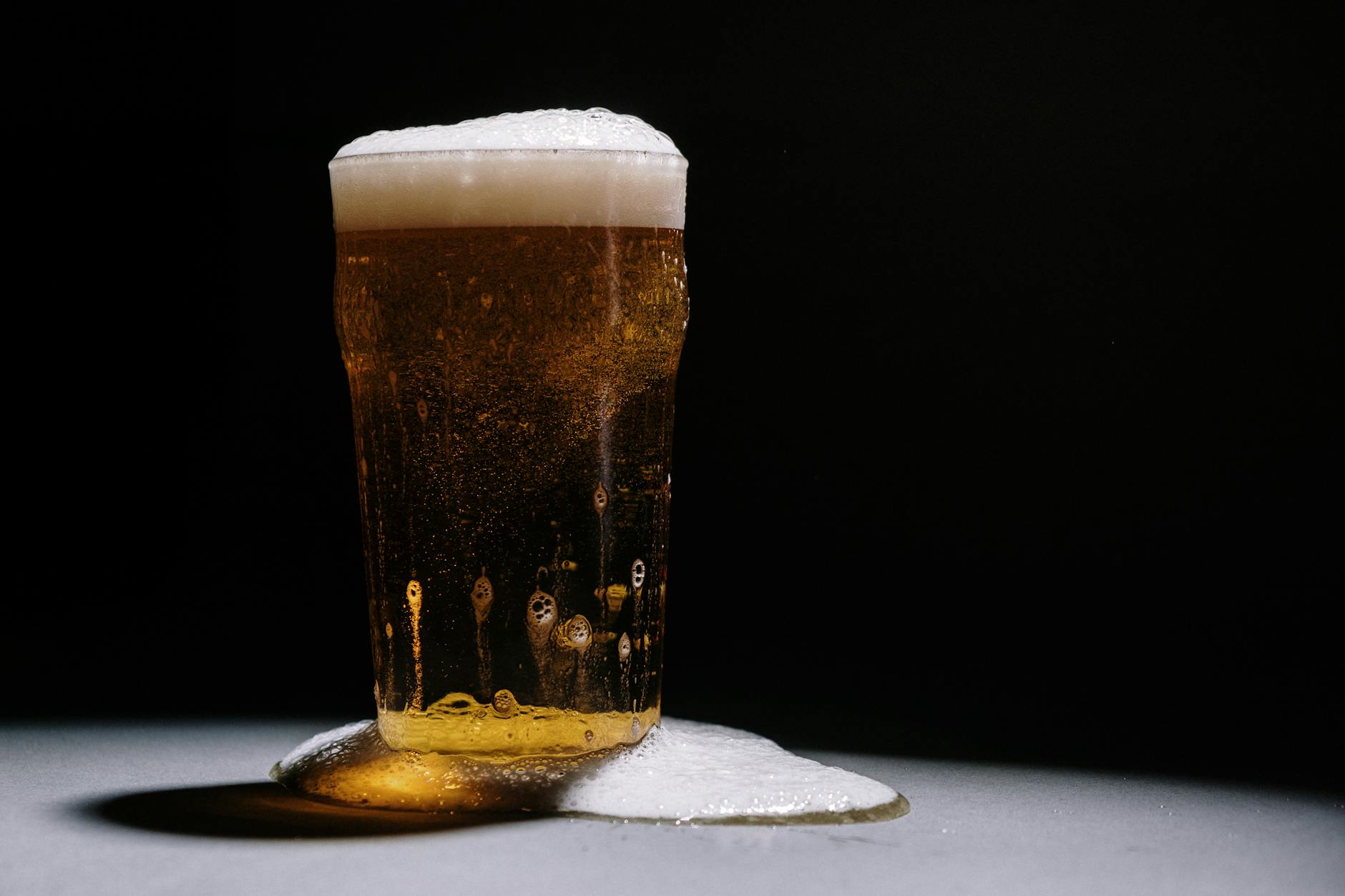
The defining beer of Montenegro. Trebjesa brewery was founded in Nikšić in 1896 under Prince Nicholas I, using Czech pilsner techniques that still define the house style 125 years later. Today it covers more than 90% of the Montenegrin market and is part of Molson Coors; the brand has won international awards as far back as the 1932 Paris Exhibition. Order a Nikšićko in any bar in the country and you're drinking the national lager. The brewery itself doesn't run public tours, so the experience is on the table rather than at the source — ideally in a Nikšić garden bar in the shadow of Trebjesa Park.
🍺 Nikšićko Pivo · Nik Gold · Nik Cool · Nikšićko Tamno · 📍 Available nationwide
Visit Nikšićko →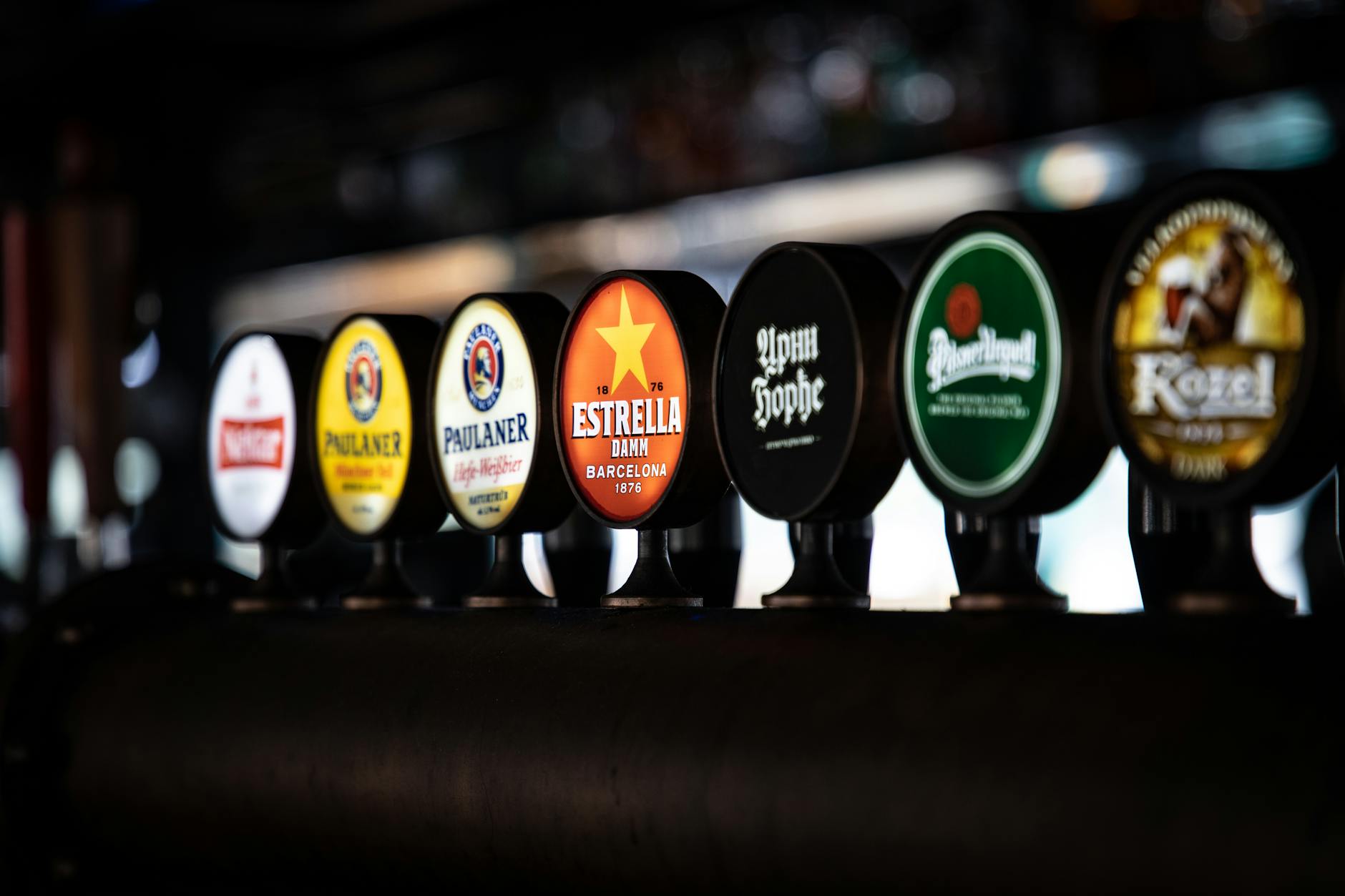
Mammut Brewery (Hotel Onogošt)
Nikšić
Founded in 2018 in the basement of Hotel Onogošt in central Nikšić, Mammut was the first proper craft microbrewery in Montenegro — and the only one in the country with its own underground water source. The Jovović family put serious money into the build (twelve fermenters, automated CIP system, hygiene standards matching the best international microbreweries) and the result is twelve rotating beers across pilsner, IPA, stout and specialty styles, all unfiltered and unpasteurised. Their Mosaic-hopped Hoppy Pilsner is the easiest entry point. Drink them in the hotel restaurant downstairs, or look for the green Mammut tap handles in better bars across Nikšić and Podgorica.
🍺 Mosaic Hoppy Pilsner · IPA · Stout · Prime · 📍 Hotel Onogošt, Njegoševa 24, Nikšić
Visit Hotel Onogošt →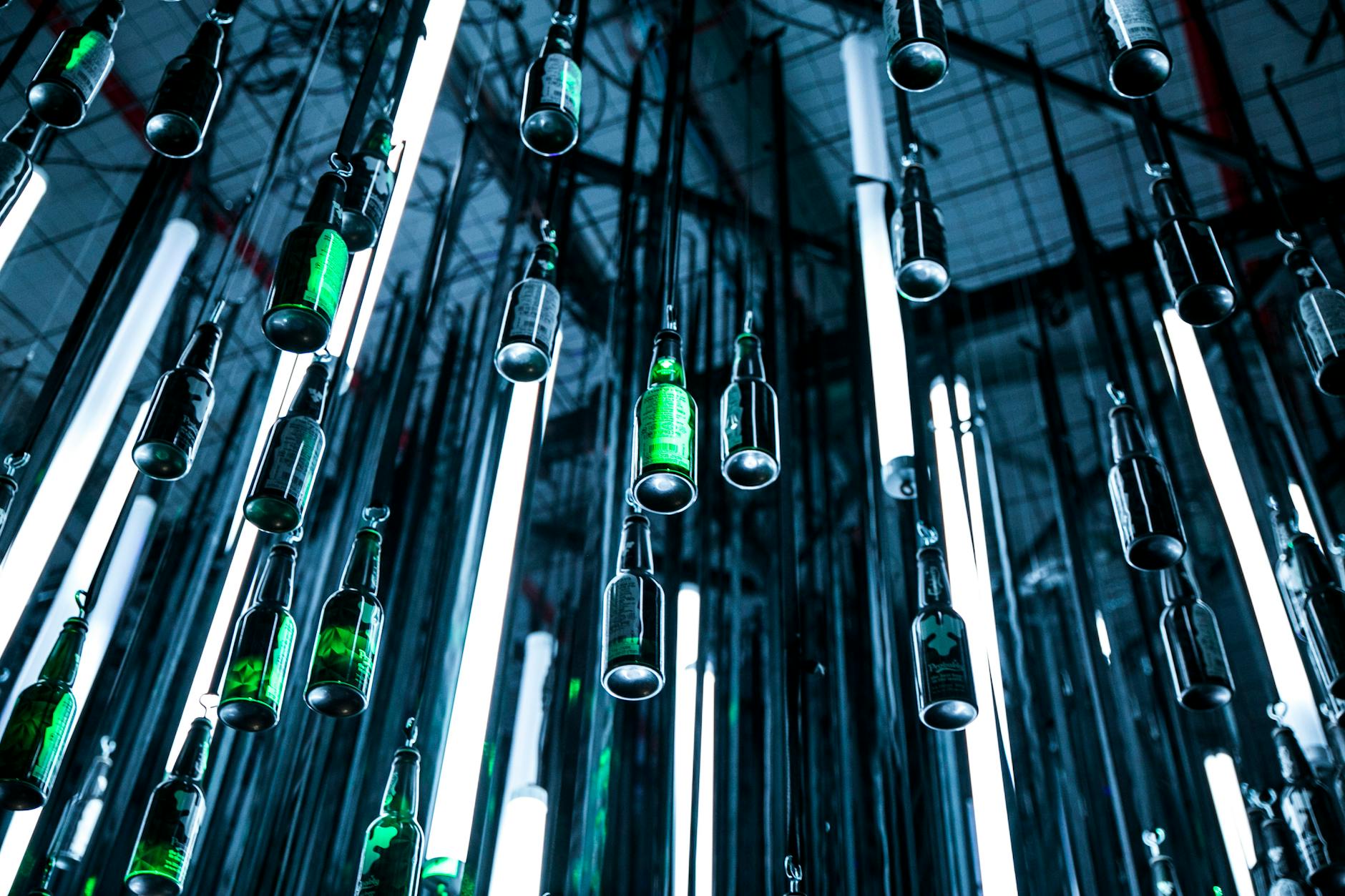
Paun Pivo
Lužnica, Podgorica
The Paunović family started Paun Pivo — literally "Peacock Beer" — from a kitchen conversation in Stockholm in 2016 and now produce one of the most polished craft lagers in the Western Balkans. The brewery sits in farmland on a bend of the Zeta river at Lužnica, about 20 minutes west of Podgorica. The standard Paun Lager is a clean, crisp Saaz-hopped pilsner; the Red Lager (four-malt blend, distinctive amber colour, caramel notes) is the more interesting bottle. Their high production volume means Paun is widely available in craft-leaning Podgorica bars and quality restaurants throughout Montenegro.
🍺 Paun Lager · Paun Red Lager · 📍 Lužnica, near Zeta river, Podgorica
Visit Paun Pivo →Coffee Culture & Specialty Roasters
Coffee in Montenegro lives two parallel lives: the traditional kafa ritual — a tiny cup of strong, Turkish-style ground coffee taken slowly with friends — and a fast-growing specialty roasting scene along the Adriatic coast, where Italian-style espresso bars and third-wave roasters now sit side by side. Three places worth seeking out.
Akacia Coffee & Roastery
Blaža Jovanovića, Budva
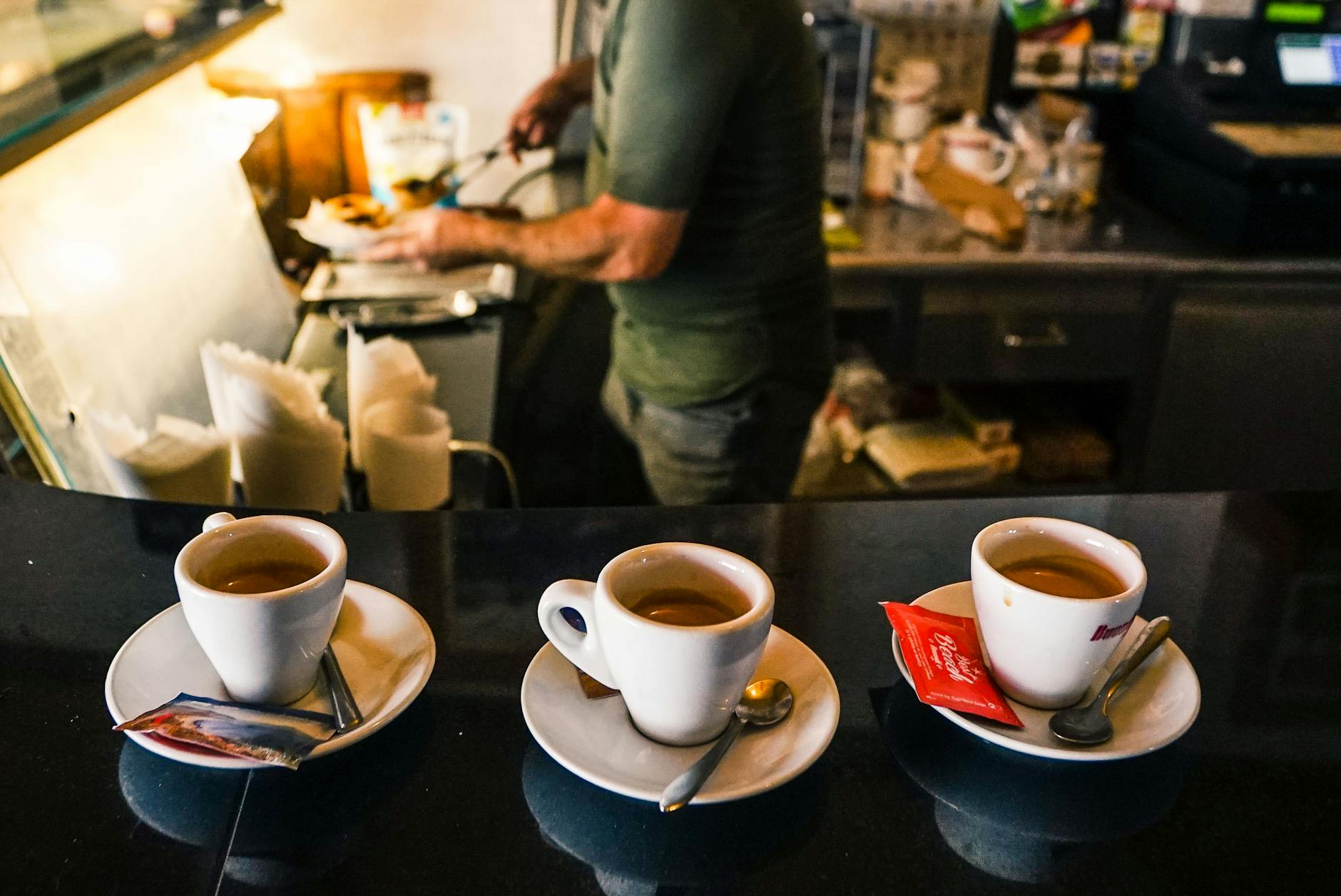
The serious coffee address on the Budva Riviera — a roastery and café roasting their own beans in-house and pulling some of the best espressos in Montenegro on a proper Italian set-up. The menu covers everything from a clean espresso through Aeropress, V60 and Chemex, cold brew (summer only), an espresso tonic and an excellent bumble (espresso + orange juice + syrup, served cold). The seasonal Thai mango coffee and yuzu matcha tonic are worth ordering once. Plant-based milk, decaf and laptop-friendly seating — a serious all-day stop on the coast. Open daily 8:00–21:00.
☕ Espresso · Filter · Cold brew · Bumble · 📍 36 Blaža Jovanovića, Budva
Visit Akacia →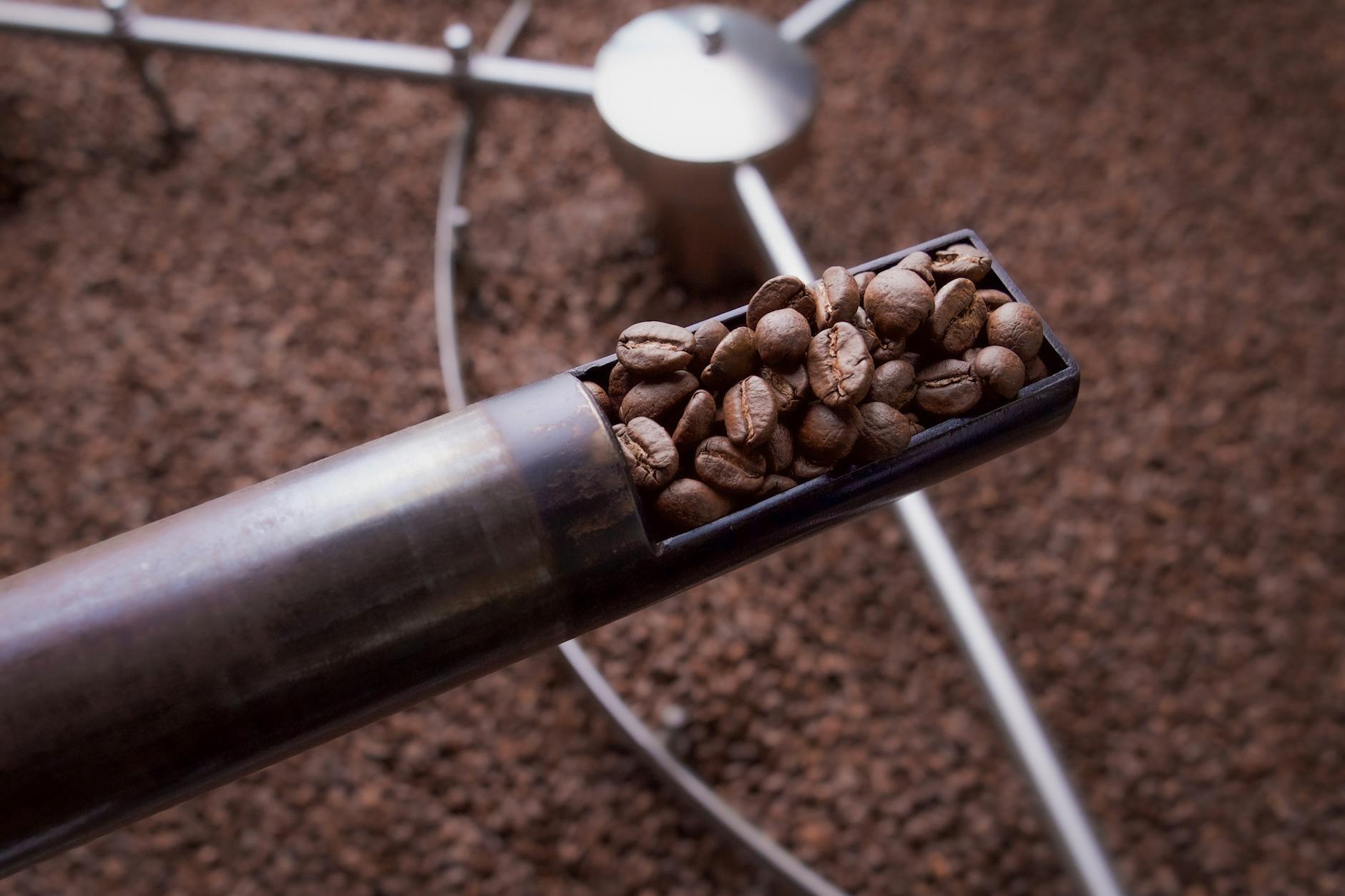
Ionoff Roasting
Herceg Novi, Bay of Kotor
The first roastery in Montenegro working exclusively with specialty-grade beans — based in Herceg Novi at the entrance to the Bay of Kotor. Their signature Bokeljski Blend (70% Colombian Arabica, 30% Brazilian Canilon Robusta) was created specifically to match Montenegrin espresso habits: dense crema, full body, low acidity, but enough sweetness and aromatics to satisfy a third-wave drinker too. They roast to order rather than for stock, have a Q-grader on the team, and quietly supply the better cafés along the coast. Order coffee for collection at the roastery or via their online store.
☕ Bokeljski Blend · Colombian & Brazilian microlots · 📍 Herceg Novi (online + collection)
Visit Ionoff Roasting →
Kaffa Kaffa Coffee Shop
Budva
A friendly all-day café and bar in central Budva that's become one of the genuine local favourites — especially in the off-season when the coast quietens down. The menu is broader than a pure specialty shop: the morning starts with proper espresso, flat whites and a long list of teas (rosehip, ginger-lemon, mulled spice), eases into Moritz Eis gelato and freshly squeezed juices in the afternoon, and finishes with espresso martinis, gin tonics and rakija-based "Balkan Twist" cocktails after dark. Free Wi-Fi, breakfast served, and welcoming to families and remote workers alike.
☕ Espresso · Tea menu · Gelato · Coffee cocktails · 📍 Central Budva
Visit Kaffa Kaffa →💡 Good to Know
- 🍷 Montenegro's wine country is small and the best estates are family-run — always book a winery visit a day or two in advance, ideally by email, not by walking in
- 🍷 Vranac and Krstač are the two grapes worth learning to spell — everything else is a side note. Most boutique wineries will pour both in any tasting flight
- 🫘 Rakija is poured as a welcome drink almost everywhere; it's polite to accept at least a small one. Toast with "Živjeli!" (long live us) and always make eye contact when clinking glasses
- 🍺 Order a Nikšićko anywhere in the country and you'll be drinking the local lager. For something more interesting, ask for Mammut or Paun — they're stocked in better bars in Kotor, Budva, Podgorica and Nikšić
- ☕ Coffee in Montenegro is usually Italian-style espresso, ordered at a marble bar and drunk standing up. Order a kafa for traditional ground coffee with grounds at the bottom of the cup — let it settle before sipping
- 🍷 The Crmnica wine villages cluster around Virpazar; from Bar there's a 20-minute train and from Podgorica a 45-minute drive — both let you skip the rental-car drink-drive problem
- 🚬 Drink-drive limits are zero-tolerance for new drivers and 0.03% otherwise — if you're tasting at a winery, take a taxi, hire a private driver, or stay overnight in the village