
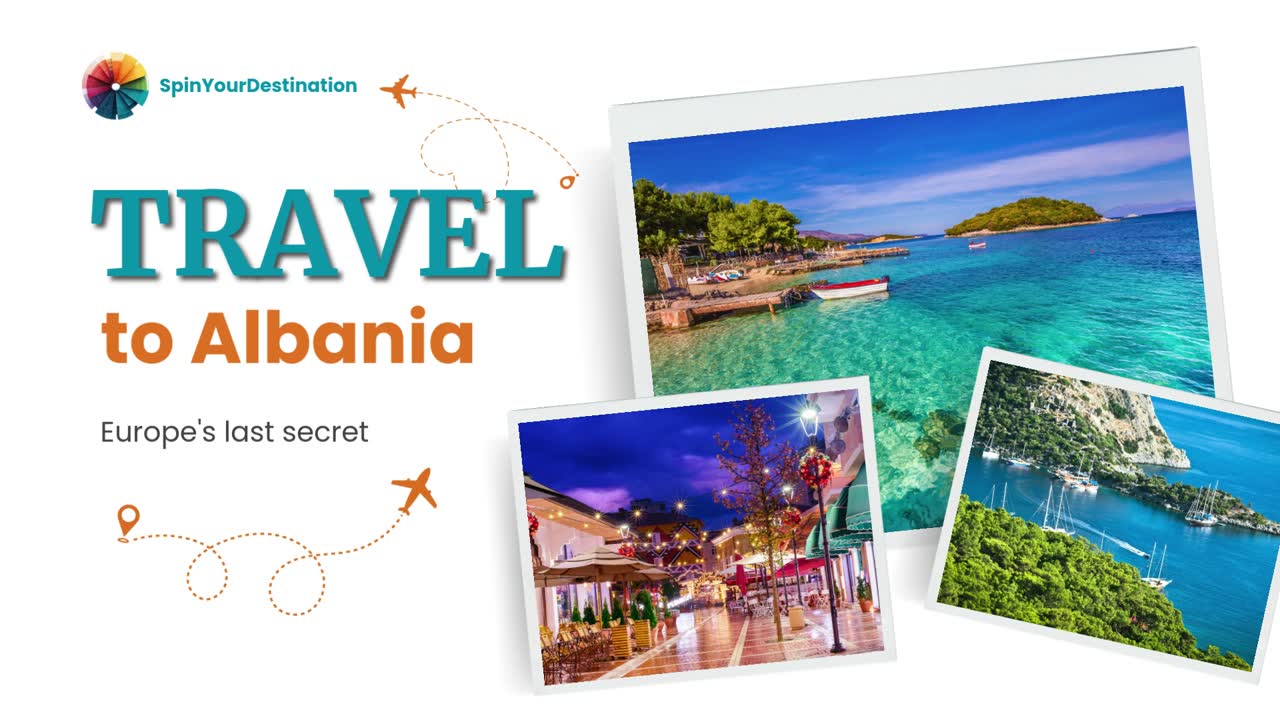
Albania Drink Guide
From the hillside vineyards of Berat at the foot of Mount Tomorr to the kallmet hills of Mirdita, the Skënderbeu cognac cellars of Tirana and the museum-cafés of the Blloku district — Albanian drinking culture is older than most countries in Europe and rapidly finding its modern voice.
The Illyrians were planting vines on these slopes when Rome was a hill town. Archaeologists have dated grape pips at sites near Lezhë and Apollonia to roughly 4,000–6,000 BC, putting Albanian winemaking among the oldest continuous traditions on the European continent. Two and a half millennia later, after Ottoman rule, two world wars and four and a half decades of one of the most isolated communist regimes in Europe, the vines are still here — and a new generation of Albanian winemakers is finally giving them the attention they deserve.
For most of the 20th century, Albania's drinks landscape sat behind a closed border. Inside it, things kept moving: a handful of state cooperatives kept the wine flowing, a 1928 brewery in the southeastern city of Korçë produced the country's first lager, and in 1967 the Skënderbeu distillery in Tirana began making the cognac-style brandy that would become Albania's most famous spirit. Underpinning all of it — quietly, ferociously, in every village and on every coast — was raki: the clear fruit brandy that is offered to guests before they have taken off their coats, distilled in copper stills from grapes, plums, mulberries, figs or whatever the orchard surrendered that year. There is no Albanian welcome without it.
What you can drink today is shaped by all of that history. Berat (a UNESCO city of "a thousand windows") is the heart of a small but serious wine revival, with family-run estates pouring wines made from indigenous Sheshi i Zi, Pulëz, Kashmer, and the rare Kallmet grape from the northern hills. Tirana has one of the highest concentrations of cafés per capita in the world, a Blloku cocktail scene that now appears on the World's 50 Best Bars list, and a museum-café in a former secret-police neighbourhood that pours forty kinds of raki under shelves of communist-era radios. Here is where to drink in Albania.
This guide contains information about alcoholic beverages and is intended for adults of legal drinking age in their country.
Wine — Vineyards & Cellars
Albania has roughly 10,000 hectares of vineyard and a small but rapidly growing scene of family-run estates. The heartland is Berat — under the snow-capped slopes of Mount Tomorr — with a second hub in the northern hills of Mirdita and Lezhë. Most of the serious work is being done with autochthonous grapes you have probably never heard of: Sheshi i Zi, Pulëz, Kallmet and Vlosh.
Berat & Mount Tomorr
The country's wine capital. Berat — the UNESCO-listed "city of a thousand windows" — sits in a wide valley between the Osum river and the 2,400-metre mass of Mount Tomorr, with vineyards strung across calcareous foothills at 200 to 600 metres. The combination of long warm summers, cool nights coming down off the mountain, and a continental-Mediterranean climate makes Berat the most natural fit for the country's indigenous grapes. Three of Albania's most important family estates are within a short drive of each other, and the region is comfortably the simplest place to spend an afternoon tasting Albanian wine.
Key grapes: Sheshi i Zi (red) · Sheshi i Bardhë (white) · Pulëz (white) · Kashmer · Vlosh · Cabernet Sauvignon · Merlot · Syrah

Çobo Winery
Ura Vajgurore, near Berat
The benchmark estate of Albanian winemaking. The Çobo family has tended vineyards under Mount Tomorr since the early 1900s, and after decades of communist-era restrictions revived the estate as a private operation. Today it is a working winery built around a traditional Berati kulla (tower-house): tours combine vineyard walks, cellar visits, and tastings of their flagship reds — the powerful Sheshi i Zi-led "E Kuqja e Beratit" and the Kashmer Grand Reserve, alongside the rare sparkling Shëndeverë (made from autochthonous Pulëz, refined in bottle for 48 months). Pair with house-made charcuterie, sheep cheese and olives. Booking ahead by email is essential.
🍷 Native Sheshi i Zi, Pulëz, Kashmer · 🍾 Sparkling Shëndeverë · 📍 Ura Vajgurore, 13 km from Berat
Visit Çobo Winery →
Alpeta Winery & Agroturizem
Roshnik, 10 km from Berat
Established in 1994 by the Fiska family in the Roshnik valley, Alpeta is the most developed wine-tourism address in the country: a working estate, a small distillery, a guesthouse and a restaurant, all on the same hill above Berat. The standard tasting tour walks visitors through the vineyards, the still where they make their classic, Muscat and oak-aged rakis, and the cellar where the wines are produced. Three wines and two rakis are tasted over a board of fruits, olives and local cheeses. The flagship wines are the Pulëz-based "a'Roshniku" white, the rosé-leaning "Trëndafil" and the Merlot-Cabernet "Xha Beqo" red. Stay for lunch.
⏱ Daily 11:00–22:00 · 🍷 Wine tasting tour with raki · 🍔 Restaurant + guesthouse · 📍 Roshnik Qendër 4012
Visit Alpeta Winery →
Nurellari Winery
Fushë-Peshtan, 12 km from Berat
Founded in 1995 in a former communist-era warehouse, Nurellari has grown into one of Albania's most awarded estates — 100% organic, focused on indigenous grapes, with vineyards spread across four sites between Mount Tomorr and the Osum river. Family-led tours move from the vineyards into the cellar and finish in a tasting room with sweeping views over the vines. Pulëz, Serina and the flagship Rezervë Superiore (a red blend with 25 to 30 years of aging potential) are the wines to look for. The estate also produces "Arrabon" — a traditional walnut raki aged in French oak. The on-site guesthouse rates 9.5/10 on Booking.com.
🍷 Three tasting tiers (Classic, Full, Premium) · 🌿 100% organic · 📍 Fushë-Peshtan, 5017 Berat
Visit Nurellari Winery →
Guided Berat Winery Tour
Berat (with transfers and tastings)
For visitors based in Berat without a car — or who simply want someone else to handle the logistics — this small-group tour collects you in town and drives you out to one of the region's top family-run wineries (Edoni, Alpeta or Pupa, depending on availability). The 2.5- to 3-hour visit covers a vineyard walk, a cellar tour, three premium wines, a glass of Albanian raki and a board of seasonal local snacks — then drops you back in Berat. The simplest possible introduction to the Berat wine scene if you are short on time, and the highest-rated way to taste serious Albanian wine on a single afternoon.
⏱ Approx. 2.5–3 hours · 🍷 3 wines + raki · 🚗 Pickup in Berat · 📍 Berat region
Book a tour →Mirdita & the Kallmet Hills of the North
The second great Albanian wine region. The hills of Bukmira and Këlëmend in Mirdita and Lezhë sit between 400 and 650 metres above sea level, with the long warm summers and mineral schist-and-limestone soils that Kallmet — Albania's most distinctive indigenous red grape — needs to fully ripen. Vines were planted on these slopes by the late 1960s, and a single family estate has done the work of putting Kallmet wines on tables in Germany, Switzerland, Denmark, the United States and Hong Kong.
Key grapes: Kallmet (red, indigenous) · Sheshi i Bardhë (white) · Cabernet Sauvignon · Merlot

Kantina Arbëri
Rubik, Mirditë (Lezhë County)
Founded in 2003 by Fran and Rigers Kacorri — a father-and-son team rebuilding a centuries-old family tradition of grape-growing in the hills above Rubik. Rigers studied oenology at the University of Bologna and has built Arbëri into Albania's most internationally recognised winery, with around 90% of production based on indigenous varietals and 60% of that focused on Kallmet from old vines planted between 1969 and 1972 in the hills of Bukmira. The architecture of the new winery is inspired by the traditional kulla tower-houses of the north; the Kallmet Rezervë is the wine to seek out. Roughly 125,000 bottles a year, exported to six continents.
🍷 Kallmet Rezervë flagship · 🏮 Tower-house architecture · 📍 rruga Rrëshen-Kurbnesh, km 1, Rubik
Visit Kantina Arbëri →🍷 Albanian Wine Tips
- The four Albanian grapes worth knowing: Sheshi i Zi (the powerful red, the country's "Tempranillo"), Pulëz (a delicate aromatic white from Berat), Kallmet (the structured northern red from Mirditë) and Vlosh (a rare red from the southern coast)
- Berat is the easiest base for wine tourism — Çobo, Alpeta and Nurellari are all within a 15-minute drive of the old town and can be combined into a single day
- All three Berat estates require advance booking — email is the fastest channel, ideally a few days ahead; weekends fill up first
- Many Albanian wineries also distill their own raki and sell it bottled at the cellar door — it is genuinely cheaper than at any supermarket
- Restaurant wine lists across Albania still lean heavily on imports from Italy, Macedonia and Croatia — if you want to taste the country's best wines, the cellar door is by far the most reliable place
- For Kallmet wines, Tirana's better wine bars and a handful of restaurants in Lezhë and Shkodër are the easiest places — or visit Kantina Arbëri directly on the way north toward Theth or Valbonë
Where to Drink Albanian Wine in Tirana
Outside of the cellar door, the easiest place to taste serious Albanian wine is Tirana — specifically a small handful of dedicated wine bars and enotecas, all within walking distance of Skanderbeg Square. A specialist sommelier-led vinoteka in Blloku, a 300-label list inside a classic Tirana villa, and a hidden bar attached to an Albanian wine-shop chain.

Vena Vinoteka
Rruga Komuna e Parisit, Blloku, Tirana
The serious wine address in Tirana — and the only specialist vinoteka in the country with a deliberate focus on Albanian wine. Founded by sommelier Fation Tila in 2023, Vena holds a working cellar of more than 500 labels, including a deep selection from the country's best estates: Çobo, Alpeta, Nurellari, Kantina Arbëri, Belba, Bardha and Caco. The format is intimate — tastings of historic vintages by the glass (using Coravin so older bottles can be opened safely), wines paired with Italian-Albanian small plates of pasta, risotto, charcuterie and cheese, and a sommelier on the floor every evening to talk you through what is in the bottle. The single best place in the country to taste a wide range of Albanian wines in one sitting; book ahead at weekends.
🍷 500+ wine labels · 🍳 Italian & Albanian small plates · 🍾 Coravin tastings · 📍 Blloku, Tirana
Reviews and book →
Padam Wine Bar
Rr. Mustafa Matohiti, central Tirana
The most elegant place to drink wine in Tirana. Padam is a boutique hotel and restaurant set inside a restored classic villa just south of Skanderbeg Square — high-ceilinged Victorian-vintage chambers, a colourful garden, and verandas that work in every season. The wine bar lists around 300 carefully sommelier-curated labels from across the world, including a respectable Albanian selection alongside the usual Italian, French and Spanish heavyweights. Lead chef Fundim Gjepali, named one of the top 10 foreign chefs in Italy, runs a refined nouvelle-cuisine kitchen that pairs precisely with the list. The garden Lounge Bar serves classic cocktails and small plates if you want something less formal. The most adult wine address in Tirana — book a corner table indoors in winter, or the garden in summer.
🍷 300 sommelier-selected labels · 🍽 Nouvelle-cuisine kitchen · 🌿 Garden lounge · 📍 central Tirana
Visit Padam →
Bonaparte Wine Bar
Rruga Ibrahim Rugova, Blloku, Tirana
A small, deliberately hidden wine bar tucked above an Italian patisserie on Blloku's busy Rruga Ibrahim Rugova — Coccolatini Italiani is the landmark, then a discreet staircase on the right takes you up to a quiet, low-lit room favoured by Tirana's office crowd at lunch and a more intimate cocktail-glass crowd after dark. The list is described as classical: a wide selection of Albanian wines (the bar is directly attached to an Albanian wine-shop chain) alongside French, Italian and other European labels. The kitchen does French-leaning sandwiches, cheese and charcuterie boards, and freshly pressed orange juice for the daytime crowd. International magazines on the rack and discreet jazz on the speakers. The kind of place locals still call \"my hidden bar\" — ideal for a quiet glass after a long day in the city.
🍷 Albanian + French/Italian wines · 🍔 Cheese & charcuterie boards · 🌲 Hidden upstairs entry · 📍 Rruga Ibrahim Rugova, Blloku
Reviews and book →Spirits — Skënderbeu Konjak & the Many Rakis
Albania's distilling tradition is anchored in two things: an oak-aged "konjak" brandy that has been the country's premium spirit since 1967, and an ocean of homemade raki distilled from grapes, plums, mulberries, walnuts and figs in copper stills across every region. Together they describe Albanian hospitality more accurately than any other drink.

Skënderbeu Konjak
Kantina Skënderbeu, Tirana
Albania's national brandy and the country's most exported spirit. Produced for the first time on 1 September 1967 at the state-owned Kantina Skënderbeu in Tirana, named after the 15th-century national hero Gjergj Kastrioti Skanderbeg. It is a cognac-style brandy made from local white wine, double-distilled and matured exclusively in oak (only vats, tuns and barrels), and labelled "konjak" outside the EU because the term cognac is reserved for the French region. The blend includes mountain plant extracts, processed fruits (grapes, lemon, black plum) and flower honey — giving it a richer, slightly sweeter profile than French Cognac. Now exported to Germany, Italy, the United States and across the Balkans by ADOL Ltd., the company that took over the distillery after privatisation.
🥃 40% ABV · 🍋 Oak-aged in vats, tuns and barrels · 📍 Kantina Skënderbeu, Tirana
Visit Konjak Skënderbeu →
Raki Skrapari
Skrapar, southern Albania
If konjak is the bottle on the supermarket shelf, raki is what comes out of the kitchen cupboard at home. The most celebrated regional version is from Skrapar — a mountainous district south of Berat, considered the country's spiritual home of raki. Skrapari raki is distilled from local grape varieties in copper stills, slow-cooked over wood fires and aged naturally in the producer's cellar; it sits between 40% and 55% ABV, with a long, clean finish that locals proudly compare to a young Cognac. It is offered to every guest, sipped from small glasses with a plate of sheep cheese and pickled vegetables, and almost never sold outside Albania. The simplest way to taste a serious one is to ask in any Skrapari, Berat or Përmet restaurant for "raki shtepie" — house raki.
🥃 40–55% ABV · 🍇 Grape distillate, often double-distilled · 📍 Skrapar, Përmet, Berat region

Raki Mani & Raki me Mjaltë
Albanian Riviera & northern highlands
Beyond the workhorse grape raki, two regional variations are worth seeking out. Raki mani — mulberry raki — is the great speciality of the southern Riviera (Himarë, Saranda, Vlora) and Tropoja in the north, distilled from the dark mulberries that grow on every village street. The result is fragrant, fruit-forward and slightly softer than grape raki. Raki me mjaltë (honey raki) is the gentler cousin: grape or fig raki sweetened with mountain honey, served as a digestif and often offered to women who find the standard pour too fierce. Both are home production at heart — ask your guesthouse owner or restaurant where the bottle behind the counter came from, and expect a long, friendly answer.
🥃 35–45% ABV · 🥕 Mulberry, fig, walnut, honey variations · 📍 Riviera (Himarë, Saranda) & Tropoja
Know Your Albanian Spirits
A short field guide to the bottles you will actually see in Albania — on supermarket shelves, behind bar counters, and on the kitchen tables of every guesthouse owner.
Homemade raki is everywhere — offered freely as a welcome drink. Commercial raki and Skënderbeu konjak are both stocked in every supermarket (Conad, Spar, Carrefour) and at Tirana airport duty-free. The cleanest way to drink raki is well-chilled, in a small glass, alongside meze: white sheep cheese, olives, pickled vegetables, fresh tomatoes.
Beer — Birra Korça, Birra Stela & the Annual Festival
Albanian beer is dominated by two long-established lagers: a 1928 pioneer from the southeastern city of Korçë that is the country's oldest brewery, and a 1994 Tirana newcomer that quickly became its second-favourite pour. Together they cover most of what you will see on tap, alongside the licensed local production of Tirana, Norga and Kaon and a slowly emerging craft scene.

Birra Korça
Bulevardi Republika, Korçë
The country's oldest and most beloved beer. The brewery was designed by an Italian architect by decision of King Zogu I's parliament in 1928, and built that same October by Italian investor Umberto Umberti and the Mborja family on the outskirts of Korçë. The water comes from the springs of nearby Mount Morava; the German-engineered brewing process has run continuously since 1928, surviving World War II, nationalisation in 1946 and the €15 million modernisation by businessman Irfan Hysenbelliu in 2004. Production today is around 120,000 hectolitres annually and the brand — "the only 100% Albanian beer" — is exported to the United States. Korçë's Birra Korça Beer Festival each August is the largest in the region, drawing well over 100,000 visitors with 40+ breweries on tap.
🍺 Pilsner-style lager · 🎉 Annual beer festival in August · 📍 Bulevardi Republika, Korçë
Visit Birra Korça →
Birra Stela
Stefani & Co., Tirana
Albania's second-favourite beer and the country's most internationally distributed brand. Founded in 1994 by Stefani & Co. with the explicit ambition of bringing authentic Czech-style brewing to Albania, Birra Stela today produces around 250,000 hectolitres annually and holds 15 to 18% of the domestic market — second only to Birra Korça. A 2025 partnership with Italy's Roberto Cavalli (formerly of Birraria Peroni) produced a refined recipe and new packaging while keeping the original European-style pilsner backbone. The brand also makes a halal-certified 0.0% alcohol version that is increasingly visible across the Balkans. Stela's distinctive turquoise can is the easiest way to spot it on supermarket shelves.
🍺 European-style pilsner · 🌿 Halal-certified 0.0% version · 📍 Stefani & Co. brewery, Tirana
Visit Stefani & Co. →🍺 Drinking Beer in Albania — Practical Tips
- Birra Korça is the default in the south and east; Birra Stela and Birra Tirana lead in Tirana and the centre — ask for the local pour and you will get the right one
- The Birra Korça Beer Festival runs in mid-August in Korçë (around Sun, 17 Aug 2025) at the city's bus terminal — over 100,000 visitors, 40+ breweries on tap, free entry, live music every night
- The original brewery in Korçë runs its own Birrari Korça tavern next door — arrive at lunch for unfiltered draft beer and traditional spit-roasted chicken
- Beer is freely sold and consumed across Albania — supermarkets, kiosks, restaurants, beach bars — and it is one of the cheapest places in Europe to drink a 0.5L bottle
- Craft beer is still small but growing — Hops Bar in Tirana and the Brauhaus on Rruga Ismail Qemali are the easiest places to taste smaller Albanian and imported beers
- "Një birrë" (a beer) and "Edhe një" (one more) are the two phrases you actually need
Coffee Culture — Kafe Turke, Espresso & the Albanian Café
Albanians drink more coffee per capita than almost anyone else in Europe. Tirana alone is reckoned to have one of the highest densities of cafés in the world. The split is generational: kafe turke (Turkish-style, sludgy, served in a small cup with a glass of water) was inherited from four centuries of Ottoman rule and survives in older neighbourhoods; the Italian espresso and macchiato dominate everywhere else. Both are excuses to sit for hours.

Mulliri Vjetër
Multiple locations across Tirana
"The Old Mill" — the homegrown Albanian coffee chain that did the most to push the country's café culture beyond the kafe turke and into the modern espresso era. Founded in Tirana, Mulliri Vjetër now operates around 25 locations across Albania, Kosovo and North Macedonia, with a Cairo outpost as of 2024. The flagship is the original on Rruga e Elbasanit; the prettiest sit on Rruga e Barrikadave and Rruga Dëshmorët e 4 Shkurtit, near Skanderbeg Square. Reliable, affordable, and a favourite stop of locals who grab a macchiato before work. The Mulliri-branded Pazari Kafe Turke ground-coffee packs are now distributed across the Balkans, Greece and the United States — the easiest souvenir to take home.
☕ Espresso, macchiato, cappuccino · 🍆 Pastries & sandwiches · 📍 Tirana, Kosovo & N. Macedonia
Visit Mulliri Vjetër →
Komiteti Kafe Muzeum
Rruga Fatmir Haxhiu, near the Pyramid, Tirana
A café-bar that doubles as a small private museum of Albania — founded by collector Arbër Çepani, who has spent more than a decade gathering over 25,000 everyday objects from Albanian history (vintage radios from the 1930s onward, enamel signs, communist-era posters, a coffee grinder dated 1719). The menu covers all of Tirana's drinking traditions in one room: properly slow-brewed kafe turke from a copper cezve, espresso and macchiato, mountain teas, and around forty different rakis sourced from small producers across the country. Order a coffee in the morning to read the room's vintage radios and antique plates, or come back in the evening for a raki tasting flight with live music. The single most atmospheric café in the capital. Daily 07:00–midnight.
⏱ Daily 07:00–00:00 · ☕ Kafe turke, espresso & mountain tea · 🥃 ~40 raki varieties · 📍 Rruga Fatmir Haxhiu, Tirana

Bohemian Sophie Korçë
Pazari i Vjetër (Old Bazaar), Korçë
Korçë — the southeastern "Albanian Paris", home to the country's first beer brewery and the famous Korça serenades — centres on its restored Ottoman bazaar, one of the most beautiful in the Balkans. In the middle of the Old Bazaar, Bohemian Sophie is the city's most atmospheric café-with-rooms: stone-paved courtyards, big windows looking out across the market, a unique bohemian interior style, and a small accommodation wing for guests who want to linger. Order an espresso or a Birra Korça in the warmer months, ask for a copy of the day's serenade programme, and use the café as a base to walk the bazaar's antique shops, the First Albanian School museum and the resurrection cathedral. The gentlest possible introduction to slow Korçë.
☕ Coffee, beer & light meals · 🏠 Café with guest rooms · 📍 Old Bazaar, Korçë
Visit Bohemian Sophie →💡 Good to Know
- 🍷 The best Albanian wines almost never leave the country — visiting the estates in Berat (Çobo, Alpeta, Nurellari) and Mirditë (Kantina Arbëri) is genuinely the most reliable way to taste the top cuvées
- 🥃 Raki is offered to every guest — refusing politely is fine, but accepting at least a small sip is a gesture of respect; clink glasses with eye contact and say "Gëzuar!" (cheers, pronounced GUH-zoo-ar)
- 🍺 "Një birrë të ftohtë, ju lutem" (a cold beer, please) is enough Albanian to order anywhere — Birra Korça in the south and east, Birra Stela or Tirana in the centre
- 🎉 The Birra Korça Beer Festival in mid-August is the largest beer event in the western Balkans — free entry, 40+ breweries, live music for five nights at the Korçë bus terminal venue
- ☕ Order "kafe turke" for the traditional Ottoman-style brew, "espresso" or "makiato" (macchiato) for the Italian one — both rarely cost more than the price of a postcard
- 🍸 For Tirana's cocktail scene, Radio Bar in Blloku built the country's most famous house drink — the Konjakito, a mojito made with Skënderbeu Konjak; Hemingway Bar runs a serious rum collection on the city centre's pedestrian social street
- 🍋 Albanian raki is unrelated to Turkish anise rakÿ or Greek ouzo — it has no anise, and is closer to Italian grappa or any other Balkan rakija
- 🍌 Skënderbeu Konjak makes the best souvenir — available at every supermarket and at Tirana Mother Teresa airport duty-free, ranging from the standard 5-year to limited reserves