
Bucharest surprises. The Old Town brings cobblestone streets, outdoor cafes, and a thriving bar scene. Specialty coffee shops and craft breweries have multiplied.
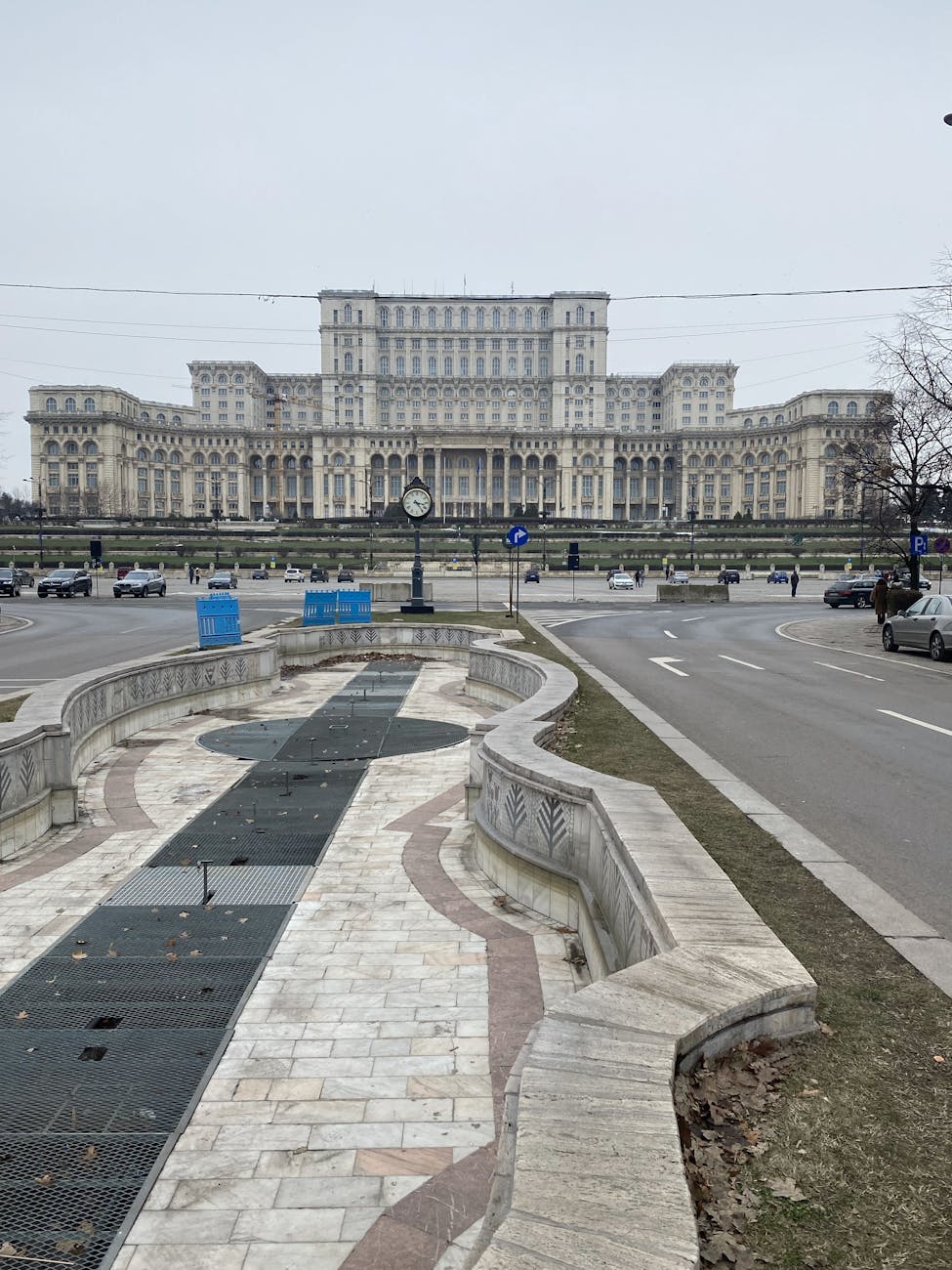
The Palace of Parliament dominates the city. Second-largest administrative building in the world after the Pentagon. Built by Ceaușescu. Massive. Heavy. Communist excess made concrete.
Stavropoleos Church sits tucked in the Old Town—delicate Byzantine architecture, gorgeous icons. A counterpoint to the communist architecture.
Bucharest works as a base. But Romania's real draw is Transylvania and the mountains.
The city has energy. It's not polished like Prague. That's part of the charm.
Transylvania is forested valleys, Gothic architecture, and the Carpathian Mountains. The Dracula legend brings tourists. The medieval towns and castles keep them.
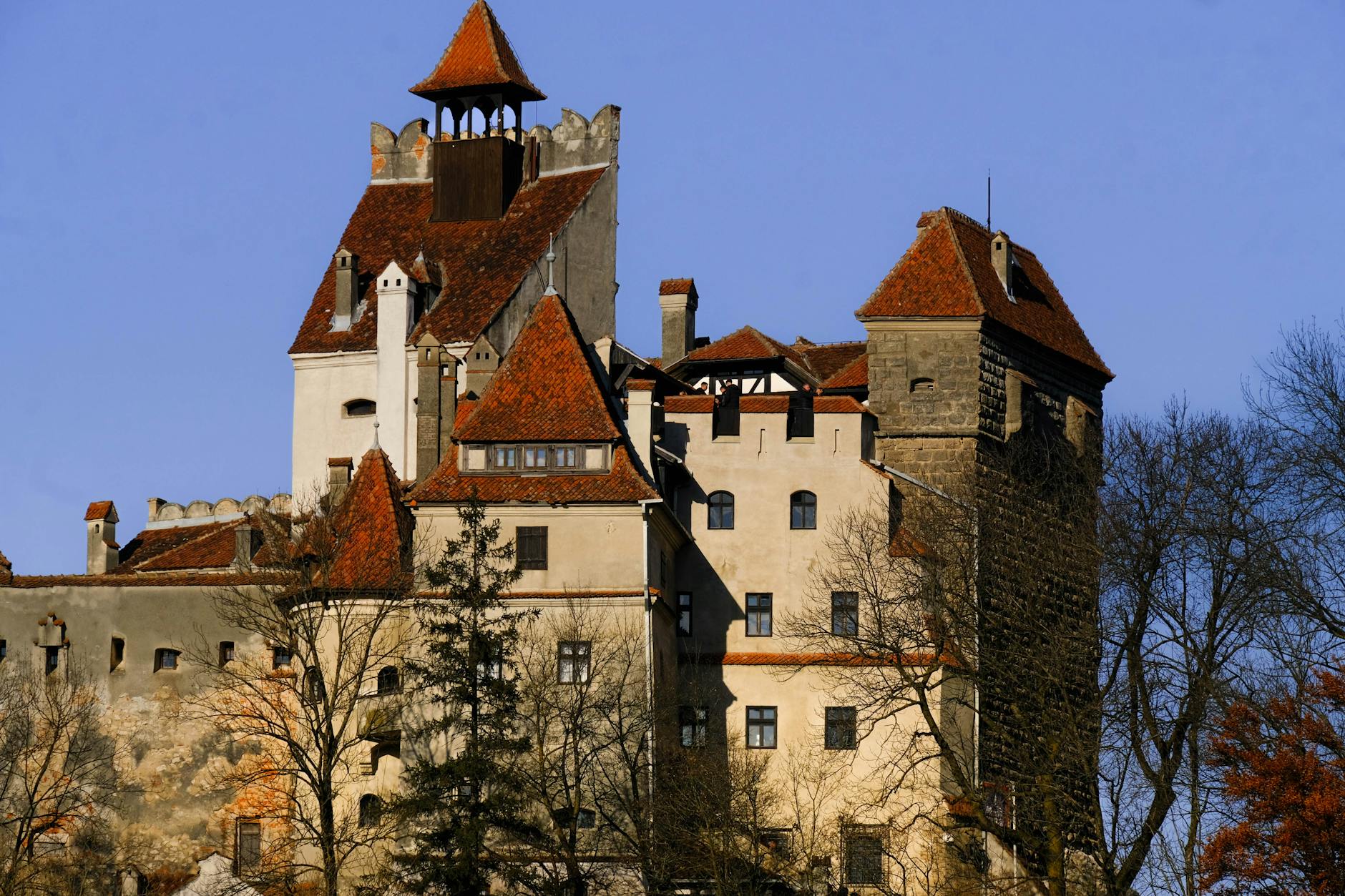
Bran Castle is the famous one—the Dracula castle. It's a medieval fortress on a cliff. Atmospheric. Crowded. Worth seeing despite the tour groups.
Brașov is the best base—a UNESCO-protected medieval town with the Black Church (Romania's largest Gothic church), cobblestone streets, and mountain backdrop. Cable car up Tampa Mountain gives views over red rooftops.
Sighișoara is prettier and quieter. Birthplace of Vlad the Impaler. The citadel has medieval towers, a clock tower museum, and winding streets. Less touristy than Brașov.
Peleș Castle near Sinaia is neo-Renaissance perfection—ornate interiors, mountain setting. Many prefer it to Bran.
The Carpathians cover 55% of Romania. They're the largest mountain range in Eastern Europe and home to 65% of Europe's remaining ancient forests.
The wildlife is real. An estimated 6,400 brown bears live here—more than anywhere else in Europe. Also wolves, lynx, red deer, European bison. Hiking means actual wilderness.
The Transfăgărășan Road cuts through the Făgăraș Mountains. Built by Ceaușescu. Top Gear called it the best driving road in the world. Open June to October only.
Via Transilvanica is an 870-mile hiking trail running north to south through Romania, passing 12 UNESCO World Heritage sites. Alpine meadows, wildflowers, traditional villages.
June to September is best for hiking. Snow melts above 2,000 meters by mid-June. The trails are less developed than the Alps. Bring proper gear.
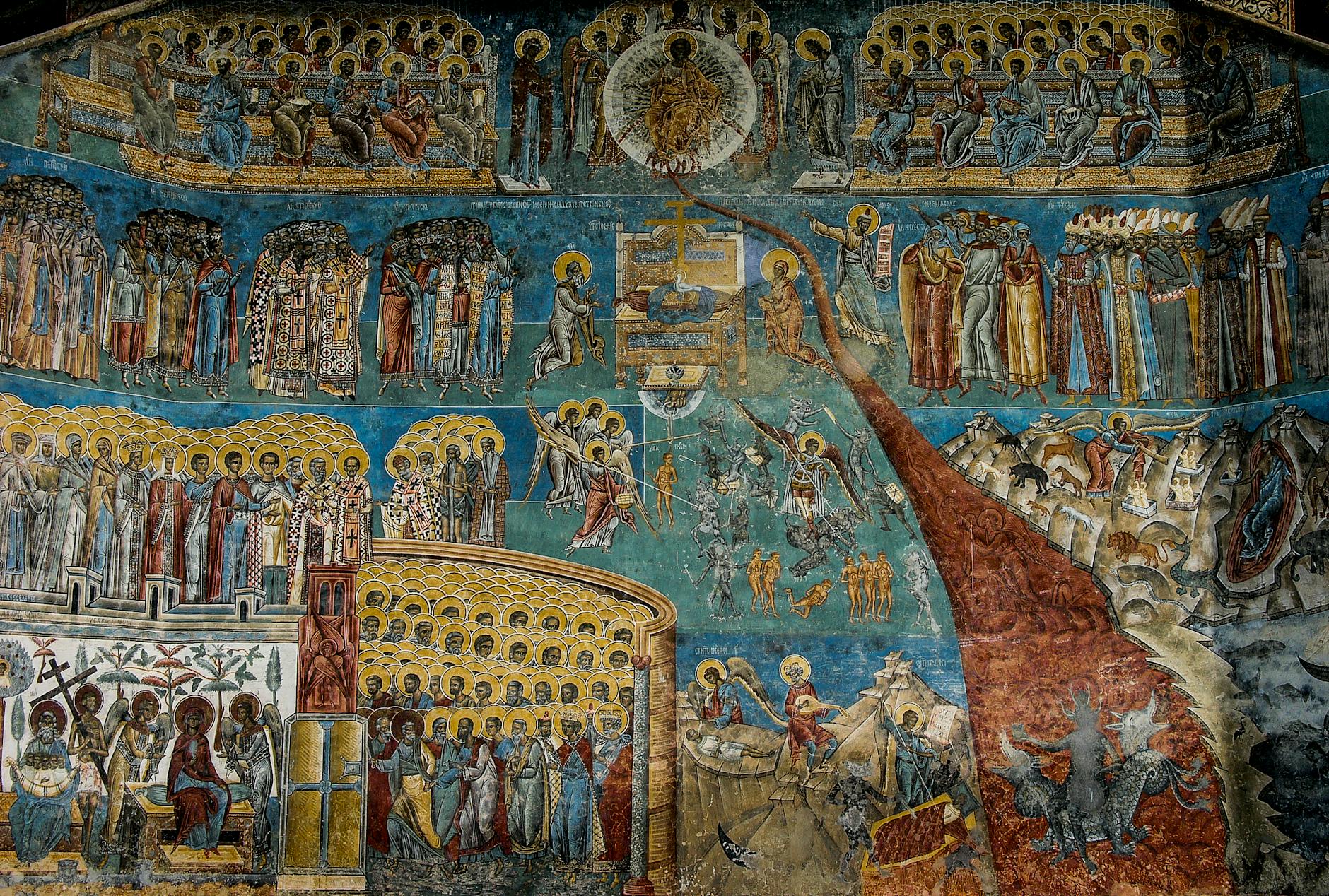
Bucovina in northeastern Romania has eight UNESCO World Heritage monasteries covered in elaborate 15th and 16th-century frescoes—inside and out.
Voroneț is the most famous. Nicknamed the "Sistine Chapel of the East." The Last Judgment scene covers the entire west wall. The distinctive "Voroneț Blue" hasn't faded in 500 years.
Moldovița was founded in 1532. The siege of Constantinople fresco wraps the exterior walls. The colors—reds, blues, greens—remain vibrant.
Sucevița has the brightest pigments, made from crushed minerals and semiprecious stones. The color layers are only 0.25cm thick but have survived over 400 years of weather.
Stephen the Great commissioned most of these monasteries after military victories. They were biblical picture books for peasants who couldn't read. Now they're art.