
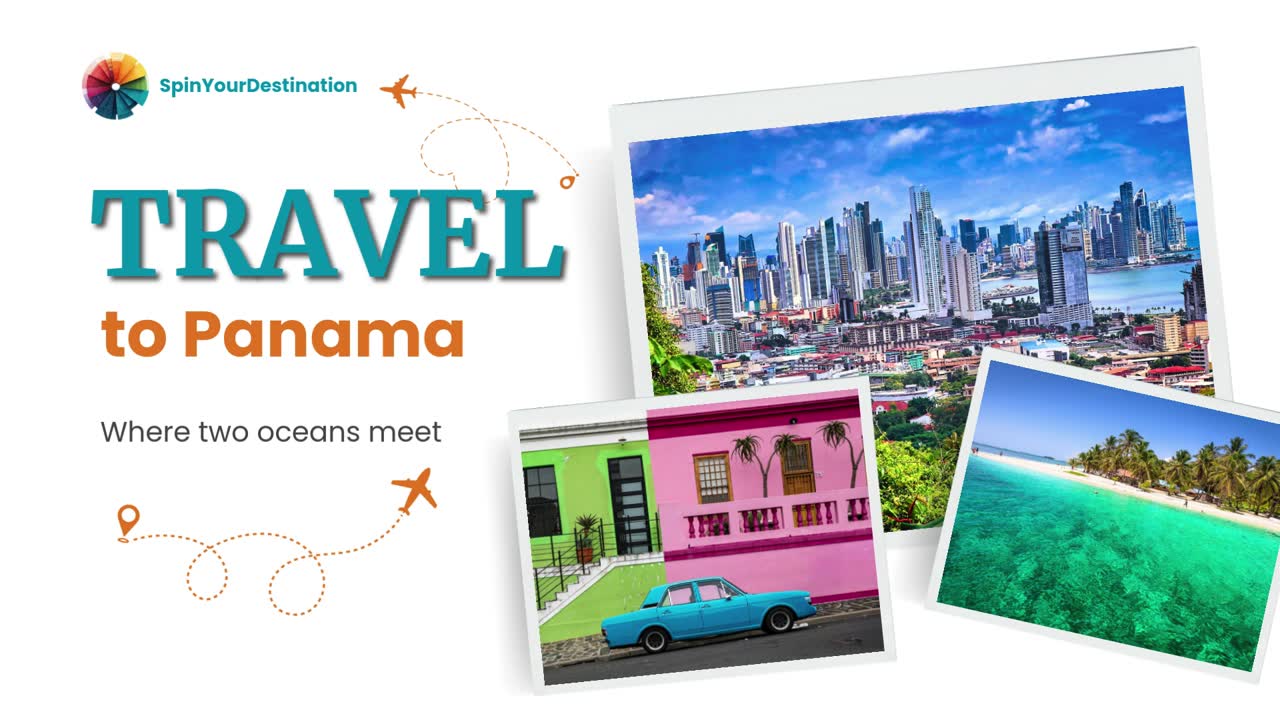

Casco Viejo sits on a peninsula jutting into Panama Bay. UNESCO-listed since 1997, the neighbourhood layers Spanish colonial architecture, French baroque churches, and crumbling mansions being slowly restored into boutique hotels and rooftop bars.
The Iglesia de San José holds the Golden Altar—a baroque masterpiece the locals hid from the pirate Henry Morgan by painting it black. It worked. The altar gleams today exactly as it did in the 17th century.
Plaza de Francia overlooks the Bay. Plaques honour the 22,000 workers who died building the French canal in the 1880s—most from yellow fever and malaria. The square is sobering and beautiful in equal measure.
Panama Viejo, 5 kilometres east, are the ruins of the original city founded in 1519—the first European settlement on the Pacific coast of the Americas. The stone tower is climbable. The views across the bay are spectacular. Entry is $15.
At night, Casco Viejo transforms. Rooftop bars, live jazz, farm-to-table restaurants, and cocktail lounges fill former convents and colonial mansions. It is one of the most atmospheric neighbourhoods in Central America after dark.

The Panama Canal took 10 years to build (1904–1914), cost the lives of over 5,000 workers, and remains one of the greatest feats of engineering in history. It cuts 80 kilometres through the isthmus, saving ships a 12,800-kilometre detour around Cape Horn.
The Miraflores Visitor Center is the best place to watch ships transit the locks. Giant container vessels, cruise ships, and tankers pass daily from 8am to 6pm. Admission is $17.22 for non-residents, which includes an IMAX film narrated by Morgan Freeman about the canal’s history.
The Agua Clara Visitor Center on the Atlantic side shows the newer, larger Neopanamax locks—opened in 2016 to accommodate the massive post-Panamax ships that the original locks could not fit. The scale of the expansion is staggering.
The Panama Canal Railway runs parallel to the canal from Panama City to Colón in about one hour. The train crosses Gatun Lake—an artificial lake created by damming the Chagres River—with views of the canal and dense jungle on both sides.
Gatun Lake itself covers 425 square kilometres and is home to howler monkeys, caimans, sloths, and over 300 bird species. Boat tours leave from Gamboa, 30 minutes from Panama City. The jungle begins the moment you leave the road.
Bocas del Toro is Panama’s Caribbean escape—an archipelago of nine main islands reached by a 45-minute flight from Panama City or a five-hour bus-and-boat combination from the highlands. The moment you step off the water taxi, the pace changes completely.
Isla Colon is the main island, with Bocas Town at its heart: colourful wooden Caribbean houses on stilts over the water, reggae music from open-sided bars, surf shops, and restaurants serving fresh seafood and rice and beans. It is cheerful, unhurried, and entirely itself.
The reef system around Isla Bastimentos hosts outstanding snorkelling—sea turtles, nurse sharks, spotted eagle rays, and vast coral gardens in clear turquoise water. Parque Nacional Marino Isla Bastimentos protects the most biodiverse section. Day tours from Bocas Town cost around $25–35.
Playa Bluff on Isla Colon’s eastern coast is a leatherback sea turtle nesting beach between April and September. Guided night walks to watch turtles nest are arranged through local guides—ask at the tourist office in Bocas Town. The experience is genuinely moving.
Red Frog Beach on Isla Bastimentos is named for the brilliant red poison dart frogs in the surrounding jungle—tiny, vividly coloured, and completely harmless to touch unless swallowed. The beach itself is wild, wave-washed, and backed by palm jungle. Worth the water taxi fare.

Boquete sits in the Chiriqui Highlands at 1,200 metres, six hours west of Panama City by bus. The valley is always mild, always misty in the mornings, and smells of coffee and flowers. Lonely Planet named Chiriqui Province one of the world’s best regions to visit in 2025.
Volcán Barú at 3,474 metres is Panama’s highest peak and only volcano. The summit—reached by a tough 8–10 hour round-trip hike or 4WD truck—is the only place in the world from which you can see both the Atlantic and Pacific oceans simultaneously on a clear day.
The Quetzal Trail through Parque Internacional La Amistad passes through cloud forest at altitude. Resplendent quetzals nest here between January and May. The trail connects Boquete to the village of Cerro Punta on the other side of the mountain—a full-day trek of extraordinary beauty.
Geisha coffee—grown on the highlands around Boquete—is among the most prized and expensive in the world. The Elida Estate and Hacienda Escondida offer farm tours and tastings. A cup of properly prepared Geisha costs $10–20. It tastes like nothing else.
White-water rafting on the Río Chiriqui and Río Chiriqui Viejo offers everything from family-friendly Class II to serious Class IV rapids. Boquete Outdoor Adventures and Chiriqui River Rafting run daily trips. The river cuts through jungle-clad gorges that are accessible only by water.