
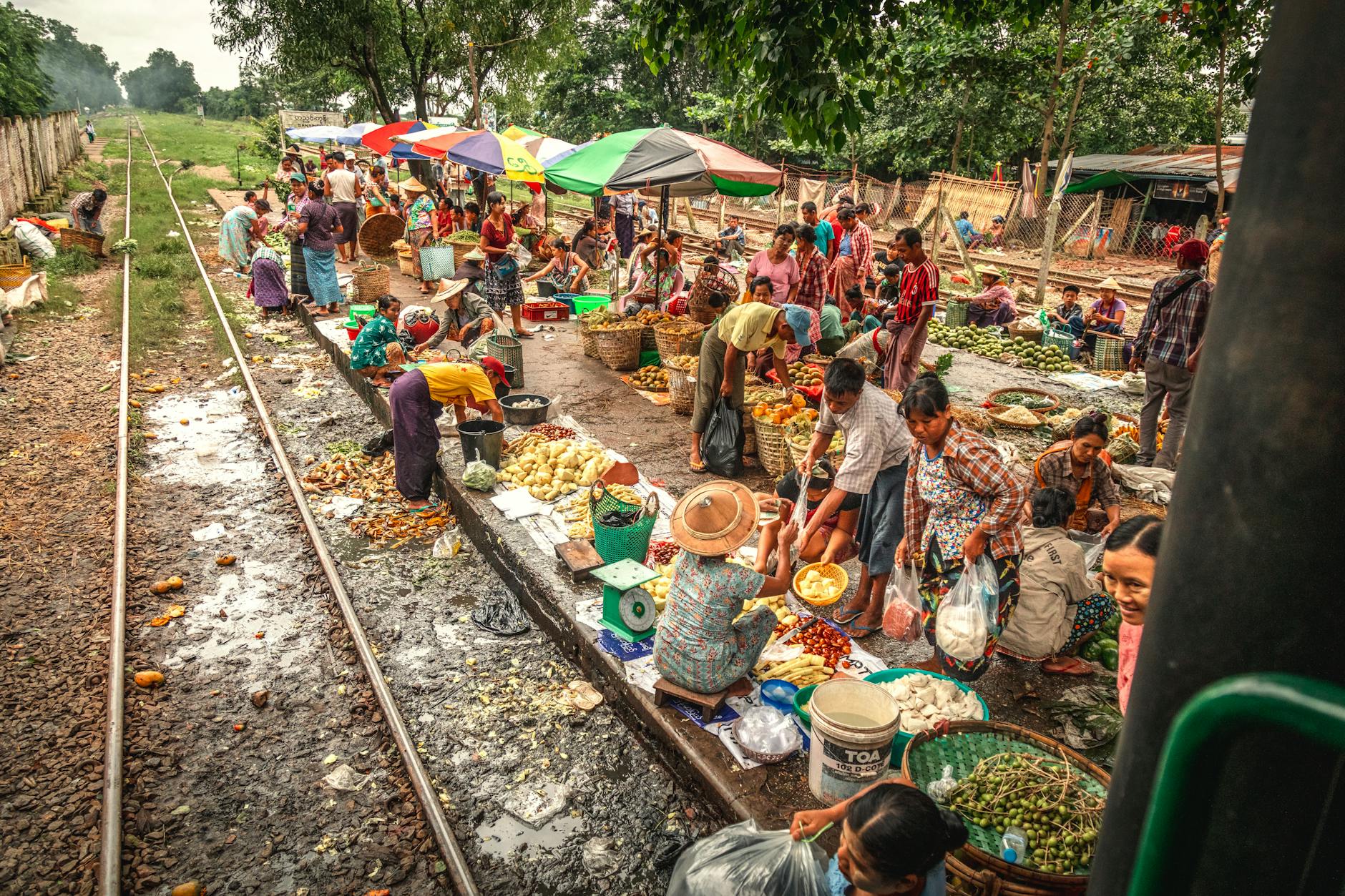
Yangon (Rangoon) was capital until 2006. Colonial buildings line downtown streets. British-era architecture crumbles gracefully. Markets overflow. Teahouses fill with locals.
Shwedagon Pagoda dominates the skyline. 99 meters tall. Covered in gold—nearly 60 tons of it. Pilgrims circumambulate. Monks chant. Candles flicker. It's Myanmar's holiest Buddhist site, over 1,000 years old.
Street food appears at sunset. Mohinga (fish noodle soup) is the national dish. Tea leaf salad surprises first-timers—fermented leaves mixed with nuts, beans, lime. Unusual. Addictive.
Kandawgyi Lake offers respite. Walk the boardwalk. Watch Shwedagon's reflection shimmer on water. Yangon moves slowly. That's intentional.
Most travelers start here. It's the perfect introduction—sacred sites, colonial history, Myanmar's rhythm.
Bagan is why people come. Over 2,000 ancient Buddhist temples cover 40 square kilometers. Built between 9th-13th centuries. Nothing else compares—not Angkor Wat, not anywhere.
Rent an e-bike. Explore dirt paths between temples. Some temples are tiny. Others are massive—Ananda, Dhammayangyi, Shwesandaw. Climb wooden stairs inside. Murals cover walls. Buddha statues in every niche.
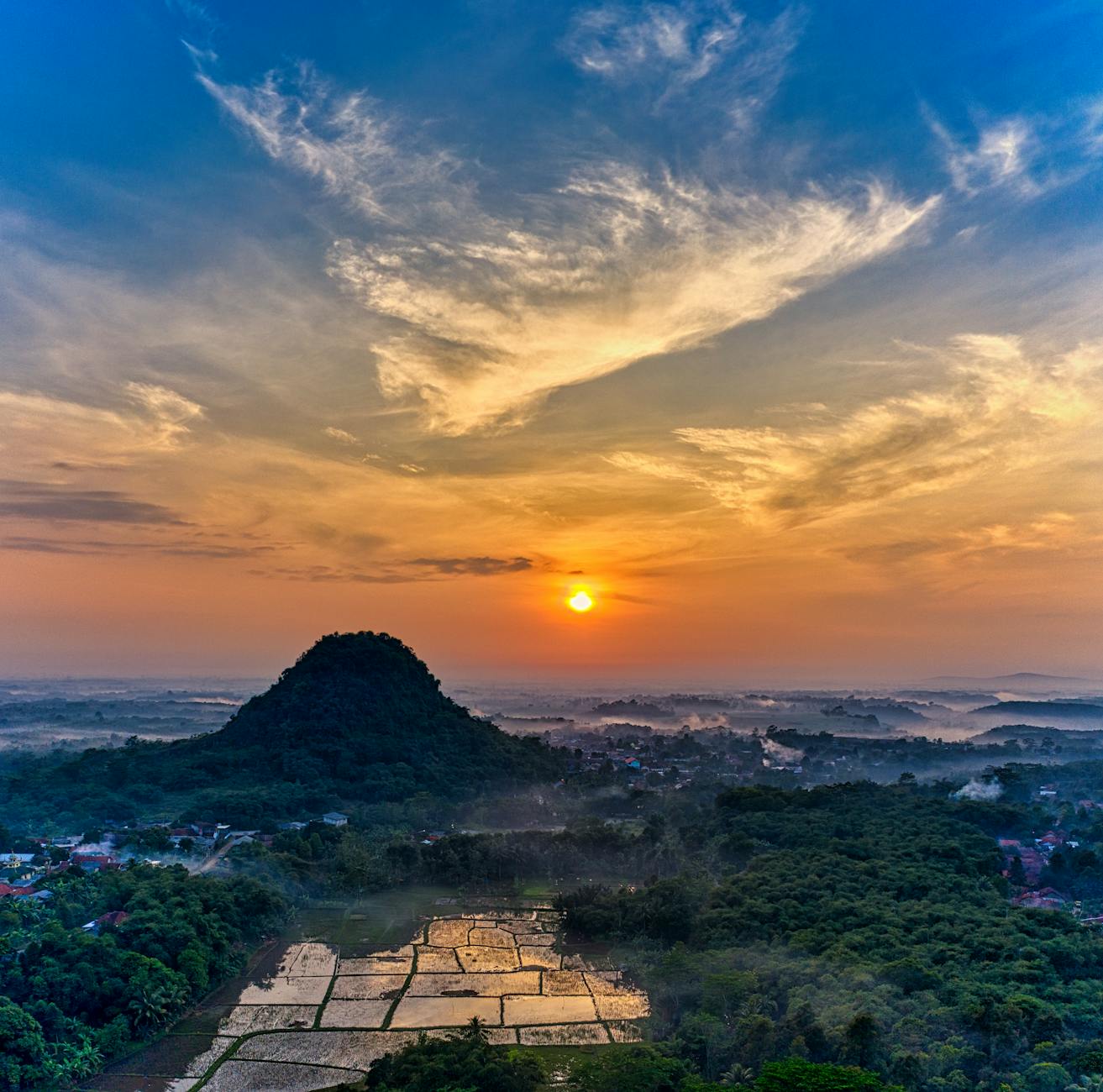
Sunrise and sunset are sacred here. Visitors gather on temple terraces. The plains glow. Balloons float overhead (expensive but unforgettable). Photography is almost too easy.
The area is a UNESCO World Heritage Site. Entry fee: 25,000 kyat (~$12 USD). Valid for multiple days. Stay at least three days—there's that much to see.
Bagan rewards slow exploration. Get lost. Find your own temple. Watch farmers work rice fields. This is Myanmar's soul.
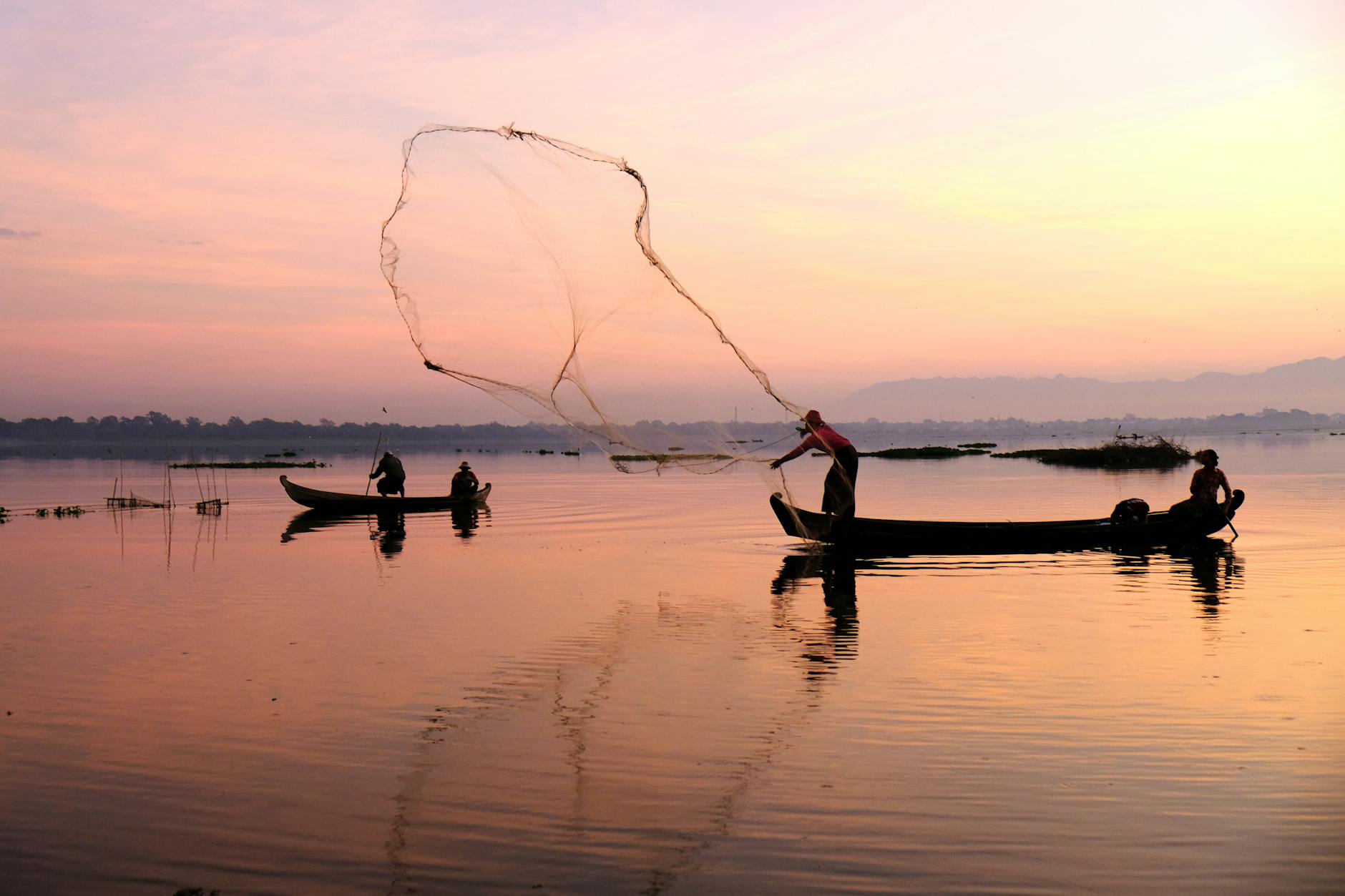
Inle Lake sits in Shan State hills. The Intha people live here—literally on the water. Houses on stilts. Gardens float. Fishermen balance on one leg, rowing with the other. It's a technique passed through generations.
Longtail boats take you everywhere. Visit stilted monasteries. Watch silk weavers work traditional looms. See lotus fiber being spun—only happens here. Tomato gardens grow on floating rafts.
Kalaw is the trekking gateway. Two-to-three day hikes pass through hill tribe villages—Pa-O, Danu, Palaung. Nights in village homestays. Tea plantations cover hillsides. The walk to Inle Lake is one of Myanmar's highlights.
Nyaung Shwe town is the base. It's where boats depart. Small. Walkable. Full of guesthouses and restaurants serving Shan noodles.
Inle offers something different—mountain air, ethnic diversity, village life. It's quieter than Bagan. More intimate.
Mandalay is Myanmar's second city. The last royal capital before British rule. Less touristy than Bagan. More functional. But culturally rich.
Mandalay Hill offers sunset views over the city. Kuthodaw Pagoda holds "the world's largest book"—729 marble slabs inscribed with Buddhist scriptures. Each slab has its own white stupa. Walk through this forest of stupas. It's mesmerizing.
U Bein Bridge is 15 minutes outside town. The world's longest teak bridge—1.2 kilometers. Built in 1850. Still used daily by locals crossing Taungthaman Lake. Sunset here draws crowds. For good reason.
Mandalay is also Myanmar's cultural heart. Traditional arts thrive—puppet making, gold leaf hammering, marble carving. Watch workshops. Buy directly from artisans.
The city works as a hub. Day trips reach ancient capitals—Amarapura, Ava, Sagaing. All within 30 kilometers. All worth exploring.