
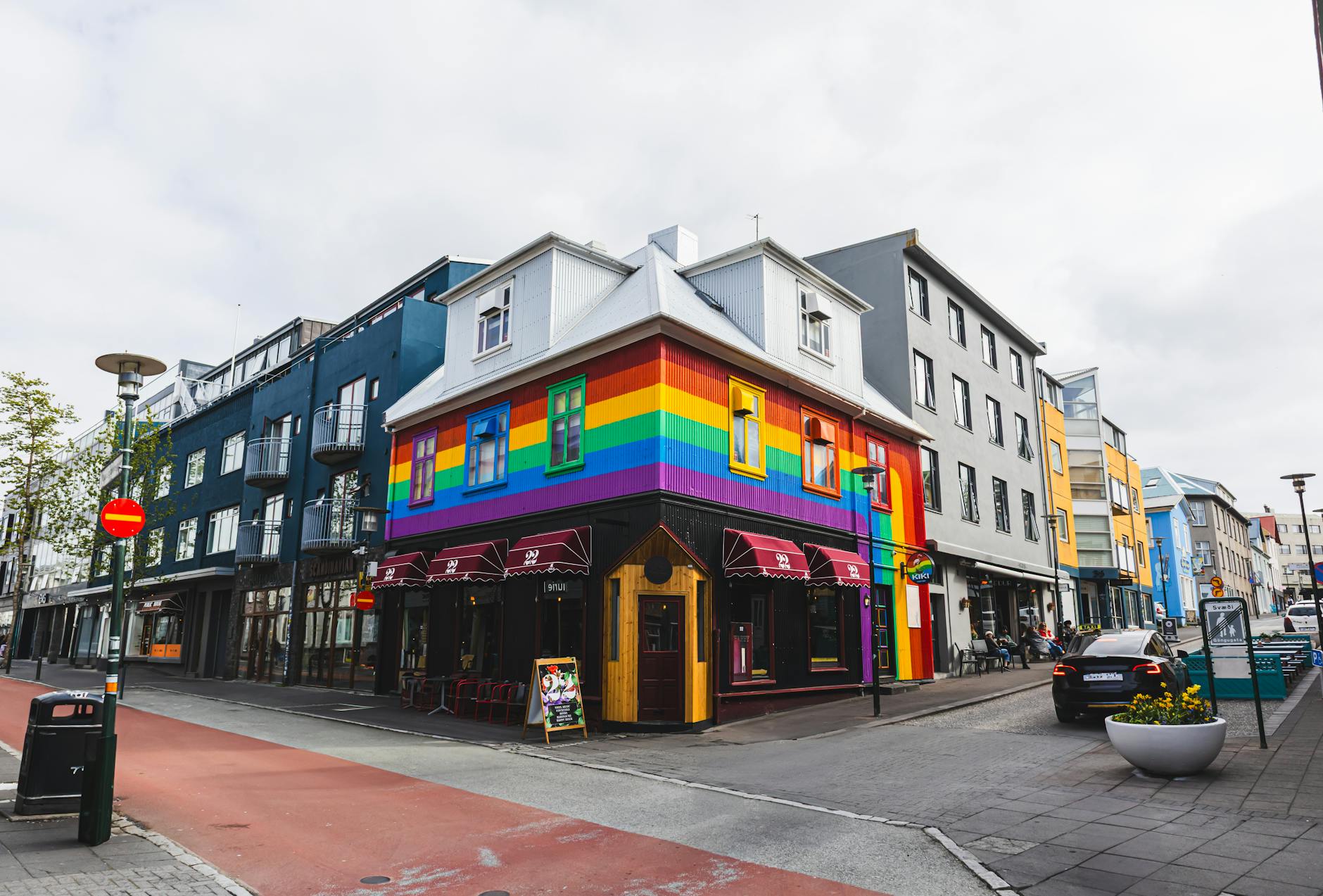
Reykjavik is compact. 130,000 people. Colorful houses. Modern design. Distinctly Icelandic.
Hallgrímskirkja church dominates the skyline. Concrete. Brutalist. Iconic. Take the elevator up for city views.
The harbor area brings whale watching tours, seafood restaurants, and the Harpa concert hall—modern glass architecture reflecting the water.
Icelandic design shows everywhere—wool sweaters (lopapeysa), minimalist fashion, volcanic rock jewelry. Form meets function. Nothing unnecessary.
Reykjavik works as a base. But the real Iceland is the landscapes—the Golden Circle, south coast, and highlands.
The Golden Circle is Iceland's classic day trip—three major sites within 300km of Reykjavik.
Þingvellir National Park sits on the rift between North American and Eurasian tectonic plates. UNESCO-listed. Historic parliament site. You can walk between continents.
Geysir area has Strokkur—erupts every 5-10 minutes, shooting water 20-30 meters high. Predictable. Impressive. Free to watch.
Gullfoss waterfall is two-tiered, massive, powerful. Glacial meltwater thunders into a canyon. Gets crowded. Still worth it.
The Golden Circle is touristy. Do it anyway. It's popular for good reason. Go early morning or late evening to avoid crowds.
Iceland's south coast delivers dramatic landscapes—waterfalls, glaciers, black sand beaches, and ice caves.
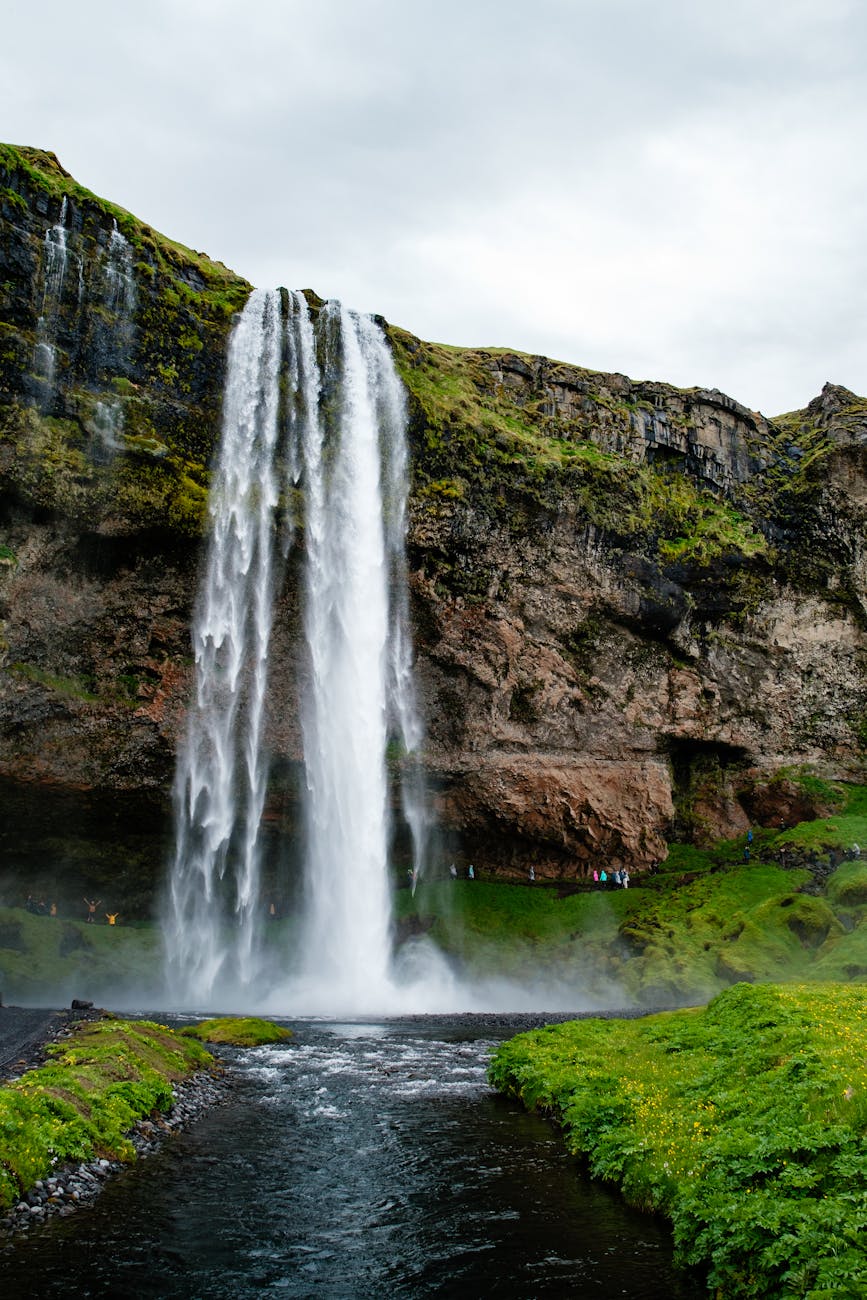
Seljalandsfoss lets you walk behind the waterfall. Bring waterproof gear. You will get wet. The view is worth it.
Reynisfjara black sand beach has basalt columns and powerful waves. Beautiful but dangerous—never turn your back on the ocean. Sneaker waves kill tourists.
Jökulsárlón glacier lagoon shows icebergs floating in black water. Seals swim nearby. Diamond Beach across the road has ice chunks on black sand.
South coast weather changes fast. Rain, wind, sun, repeat. Layer clothing. Check forecasts. Roads can close suddenly in winter.
Northern lights appear September through March. Dark skies required. Never guaranteed. Check aurora forecasts. Chase them or book a tour.
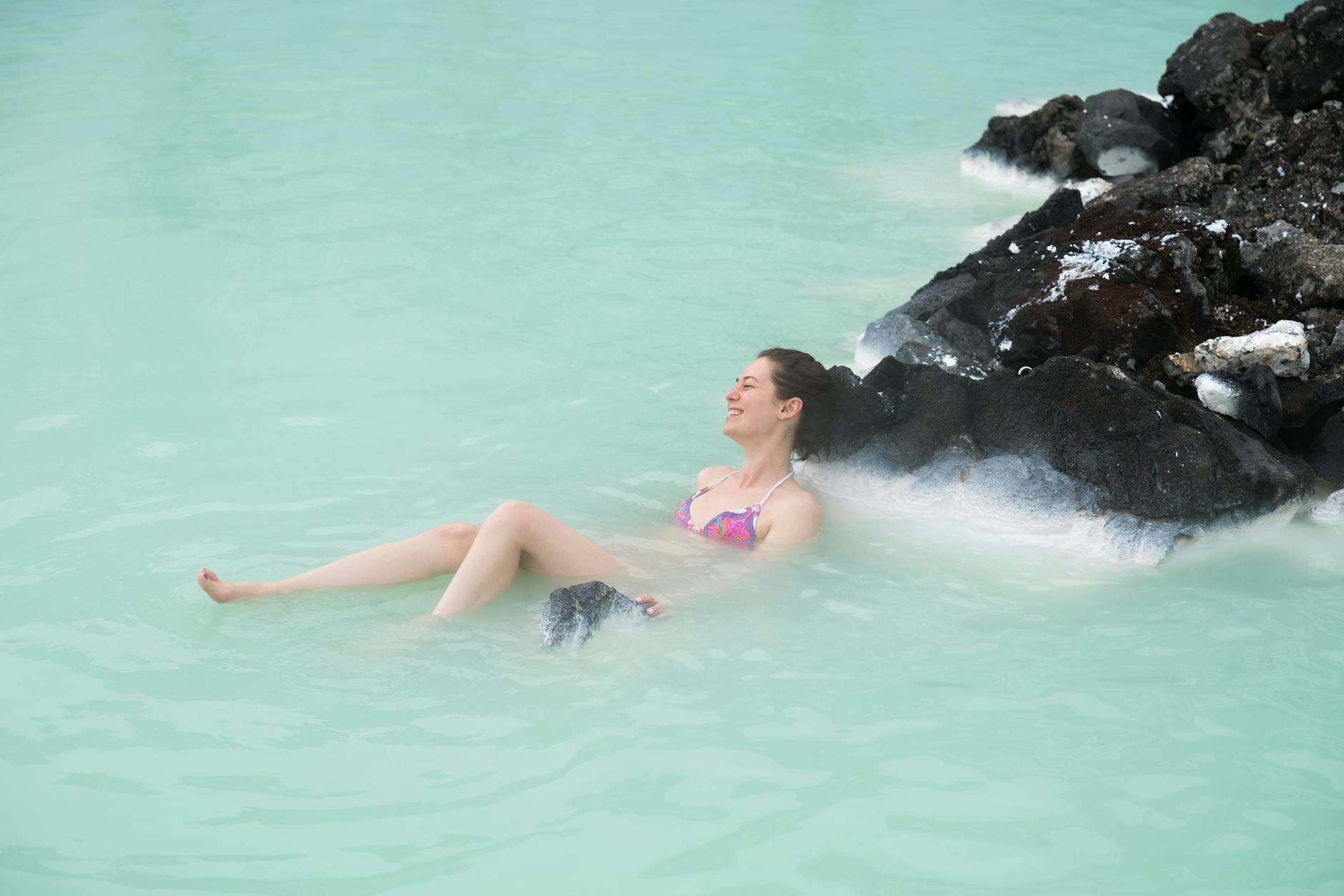
Blue Lagoon is expensive (€50-100) and touristy. Still worth it. Milky blue water, silica mud masks, lava field views. Book weeks ahead.
Local alternatives exist—Sky Lagoon in Reykjavik, Mývatn Nature Baths in the north. Cheaper, less crowded, equally good water.
Geothermal pools (hot pots) dot the countryside. Some are free. Locals know them. Ask around or use apps to find secret spots.
Iceland runs on geothermal power. Hot water is abundant, cheap, and sustainable. Every accommodation has great showers. It's a national treasure.