

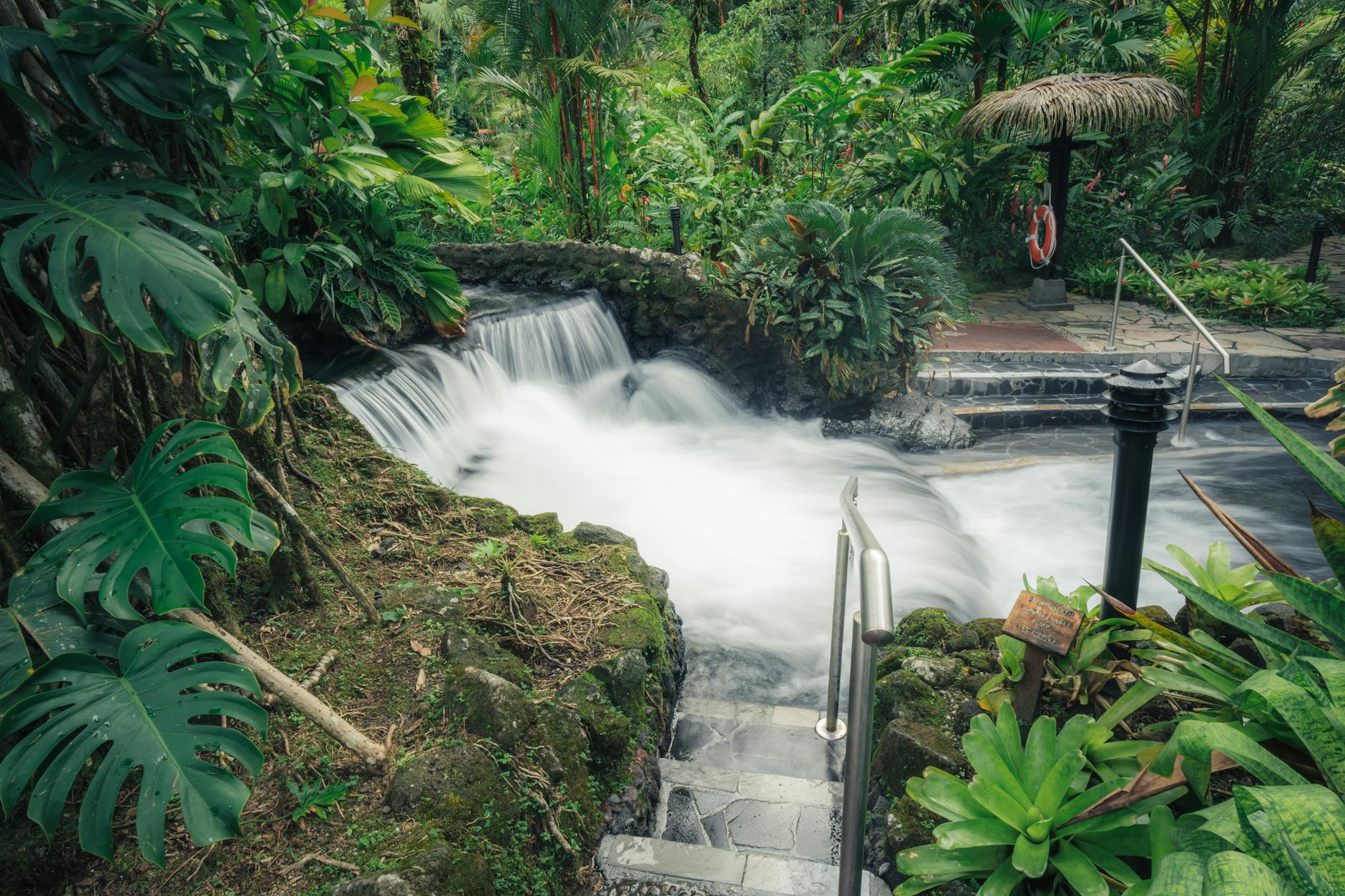
Morne Trois Pitons National Park is Dominica's crown. A UNESCO World Heritage Site covering 6,857 hectares of volcanic peaks, crater lakes, fumaroles, and ancient rainforest. It's one of the Caribbean's most biologically rich protected areas.
The park centres on the volcano complex above Roseau. Five distinct peaks rise above the canopy, the tallest at 1,387 metres. Cloud forest clings to the upper slopes—mossy, dripping, alien in quality. Below, hot springs and boiling mud pools mark the volcanic ground.
Boiling Lake sits at the park's heart. The second-largest boiling lake in the world, flooded with superheated water bubbling at over 90°C. The hike is 13 km return—six to eight hours through the Valley of Desolation, past fumaroles and sulphur vents that make the landscape feel primordial.
Middleham Falls drops 60 metres through pristine rainforest. Freshwater Lake and Boeri Lake sit in volcanic craters. Emerald Pool is a short forest walk to a perfect grotto—cool, green, and hushed. The park contains nearly 300 km of maintained footpaths.
A certified guide is required for the Boiling Lake trail and strongly recommended for others. Local guides know the forest, the birdlife, and the safe crossing points. Expect mud. Expect rain. Expect something you won't find anywhere else in the Caribbean.
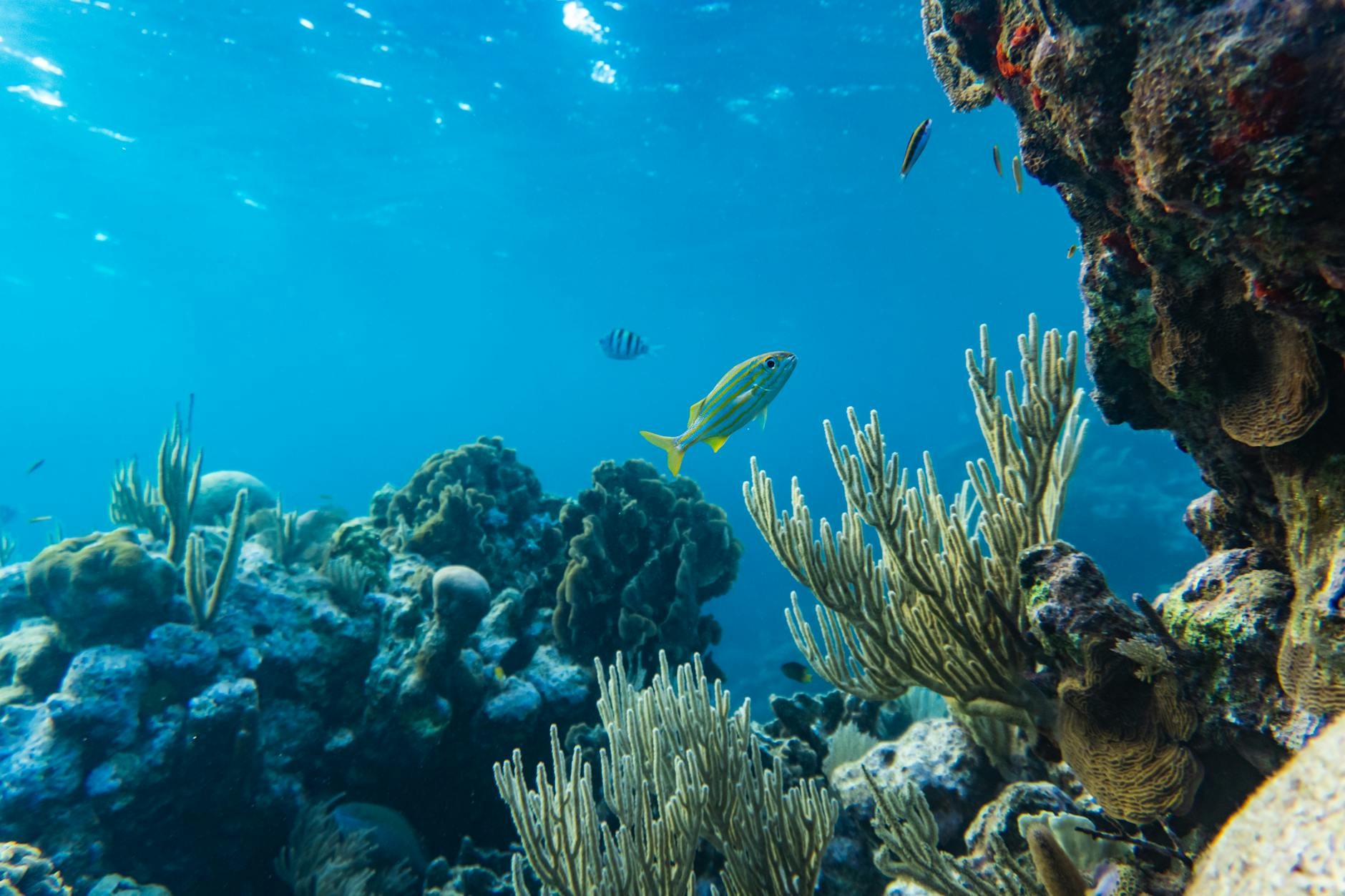
Champagne Reef earns its name. Thermal vents on the seafloor release a continuous stream of warm bubbles through the sand and coral. Snorkelling through them feels exactly like swimming inside a glass of sparkling water—an effect found almost nowhere else on earth.
The reef sits near Soufriere on the southwest coast, within the Soufriere Scott's Head Marine Reserve. Black volcanic sand surrounds the site. The water is clear, warm, and teeming with colour—trumpetfish, parrotfish, spotted moray eels, and sea turtles cruise the shallower areas.
Dominica's deeper dive sites are among the Caribbean's finest. Steep volcanic walls drop 30 metres into submarine canyons. Pinnacles rise from the ocean floor thick with black coral, sponges, and sea fans. Scott's Head Pinnacle, Coral Gardens, and Danglebens Pinnacles are established favourites among serious divers.
Dominica is also one of the world's best places to see sperm whales year-round. The deep water close to shore provides ideal feeding conditions. Whale-watching boats leave from Roseau—surface sightings are common, and the sound of echolocation clicks underwater during dive boats is a frequent bonus.
Several dive operators work out of Roseau and Portsmouth. Equipment rental is widely available. Certification courses run throughout the year. The best diving season runs November to May, when trade winds keep seas calm and visibility peaks above 30 metres.
The Waitukubuli National Trail is the Caribbean's longest hiking route. 115 miles across 14 segments, running from Scotts Head in the south to Cabrits National Park in the north. It traverses virtually every landscape Dominica contains—coast, river gorge, volcanic peak, village, and deep rainforest.
Waitukubuli is the island's original Kalinago name, meaning "tall is her body." The trail was designed to cross Dominica end to end, revealing an island that most Caribbean visitors never see. Villages with no road access. Hot spring pools in stream beds. Cloud forest ridges where clouds roll in and out every few minutes.
The full trail takes 14 days. Individual segments range from two to seven hours. Segment 1 near Scotts Head is dramatic—coastal headland, volcanic beach, coral views. Segment 6 through the Syndicate parrot reserve is essential bird territory: Dominica's two endemic parrot species, the Sisserou and the Jacquot, inhabit this forest.
Accommodation along the trail includes village guesthouses, forest lodges, and community homestays. The trail was devastated by Hurricane Maria in 2017 and has been substantially rebuilt. Trail conditions vary—check with the Dominica Tourism Authority for current segment status before setting out.
Dominica's rivers provide natural swimming throughout the route. The island has 365 rivers—one for every day of the year, as the locals say. After a long trail segment, dropping into a cold mountain river feels like the most natural reward in the world.
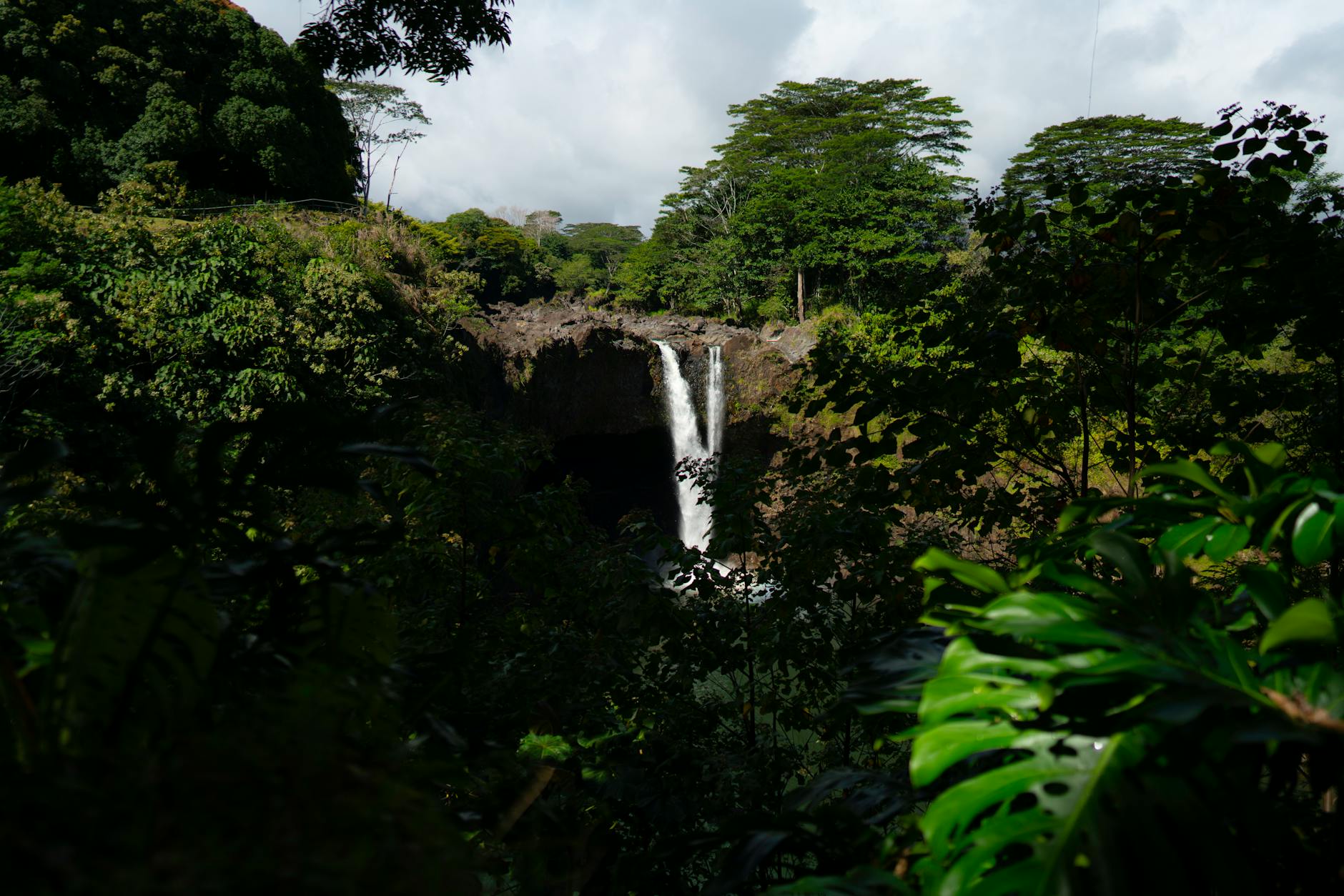
Roseau is compact, friendly, and genuinely Caribbean. The capital sits on the west coast between the mountains and the sea. Colonial wooden buildings with wraparound verandahs line the streets. The waterfront is breezy and relaxed. Nobody is in a hurry.
The Old Market Plaza at the centre of Roseau has existed for 300 years. Once a site of political meetings and, earlier, the slave trade, it's now a craft market and gathering point. Local vendors sell spice baskets, handmade jewellery, and Dominican hot sauce. The Saturday Farmers Market on the bay is where the island feeds itself—stalls piled with dasheen, christophene, plantain, soursop, and every shade of chilli.
Dominican food is Creole in character—African, European, and indigenous Kalinago traditions layered over each other. Callaloo soup thick with greens and crab. Mountain chicken—actually the giant Dominican tree frog, crapaud, once common and now protected. Pelau, a slow rice and meat dish cooked in one pot. Fresh fish at the waterfront—snapper, mahi-mahi, and flying fish.
The Kalinago Territory on Dominica's northeast coast is the only remaining indigenous Kalinago (Carib) community in the Caribbean. Around 3,000 people maintain traditional basket weaving, canoe building, and cultural practices. Community tourism projects offer guided visits, craft workshops, and Kalinago cultural experiences directly from the community.
Dominica uses the Eastern Caribbean dollar (XCD). USD is widely accepted. The island has no international airport—fly via Antigua, Barbados, San Juan, or Martinique and connect to Douglas-Charles Airport by inter-island flight. The slow pace of arrival suits the island. Dominica doesn't rush, and you shouldn't either.