

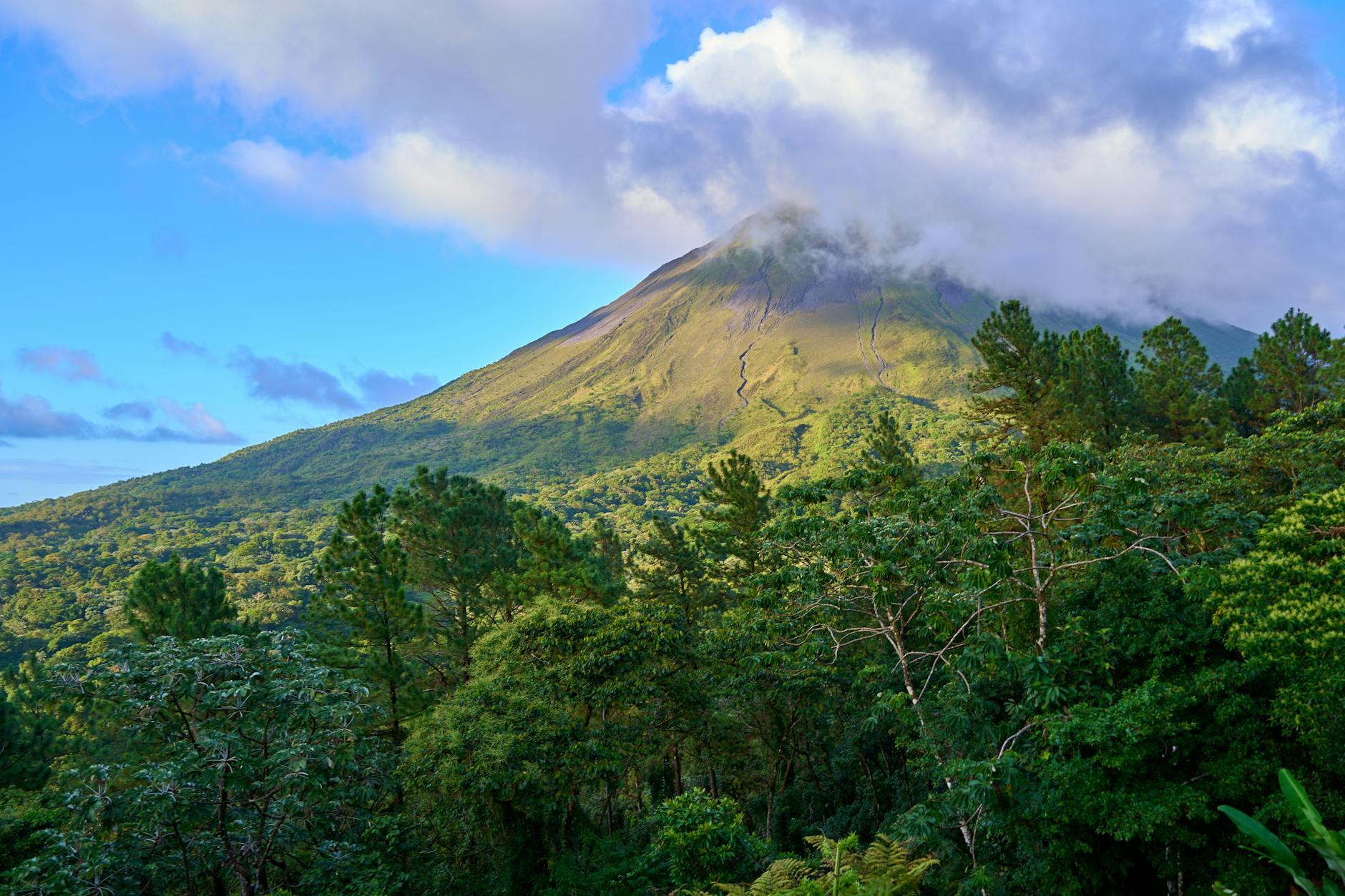
Arenal Volcano rises 1,670 metres from the flat plains of northern Costa Rica. It was one of the world’s most active volcanoes from 1968 to 2010. Today it broods in cloud, occasionally revealing its perfect cone at dawn.
La Fortuna de San Carlos at the volcano’s base is the adventure hub. White-water rafting on the Rio Toro, canyoning down waterfalls, kayaking on Lake Arenal—all within 30 minutes of town.
The Arenal 1968 lava trail leads through hardened volcanic rock fields from the 1968 eruption. On clear days, the summit appears suddenly above the jungle. Guided walks start at around ῢ8,000 (about $15).
La Fortuna Waterfall drops 70 metres into a turquoise pool. You hike 500 steps down through dense jungle, swim in the cold water, and wonder how this exists. The climb back up reminds you it exists.
Tabacón Hot Springs, fed by geothermal water from Arenal’s slopes, sits inside a tropical garden. Pools range from lukewarm to properly hot. It’s touristy. It’s also genuinely wonderful after a day of hiking.
Monteverde Cloud Forest Reserve sits at 1,440 metres in the Tilaran Mountains. Clouds move through the canopy constantly—which is exactly the point. Cloud forests only form where clouds regularly immerse the trees. The ecosystem it creates is extraordinary.
Over 400 bird species live here, including the resplendent quetzal—Guatemala’s national bird but more reliably spotted in Monteverde. The iridescent green tail feathers grow up to a metre long. Seeing one is a highlight of Central American wildlife watching.
Sky Adventures Monteverde offers zip-lines, hanging bridges through the canopy, and a gondola ride above the reserve. The hanging bridges give the clearest view into the three-dimensional world of the cloud forest ecosystem.
Santa Elena Cloud Forest Reserve, slightly higher and less visited than Monteverde, has better quetzal sightings and fewer crowds. It’s managed by the local community and admission fees fund Santa Elena schools.
The road to Monteverde from the Pan-American Highway is unpaved and rough—2.5 hours of dust and potholes. Many visitors take a 2-hour boat–bus combination via Lake Arenal instead. Worth it from any direction.
Costa Rica’s Pacific coast runs from the dry northwest Nicoya Peninsula down to the wild Osa Peninsula in the south. The scenery and character shift completely every hundred kilometres.
Manuel Antonio National Park is the country’s most visited: 683 hectares of rainforest meeting white-sand beaches. White-faced capuchin monkeys, sloths, scarlet macaws, and iguanas share the beach with swimmers. Entry is timed and limited—book online in advance.
Tamarindo on the Nicoya Peninsula is the surf capital. Consistent breaks for beginners at Playa Tamarindo, heavier reef breaks at Playa Grande next door. Surf schools charge around ῢ25,000–35,000 ($45–65) for a two-hour lesson including board.
Santa Teresa and Mal País at Nicoya’s southern tip attract a more independent crowd: yoga retreats, organic restaurants, world-class surf. The road from Cobano is rough and slow. The reward is a coastline that feels genuinely wild.
Corcovado National Park on the Osa Peninsula holds the largest primary rainforest in Central America. Jaguars, tapirs, giant anteaters, and four species of sea turtle live here. Access requires a licensed guide—mandatory since 2014. The biological richness is unmatched in the Americas.
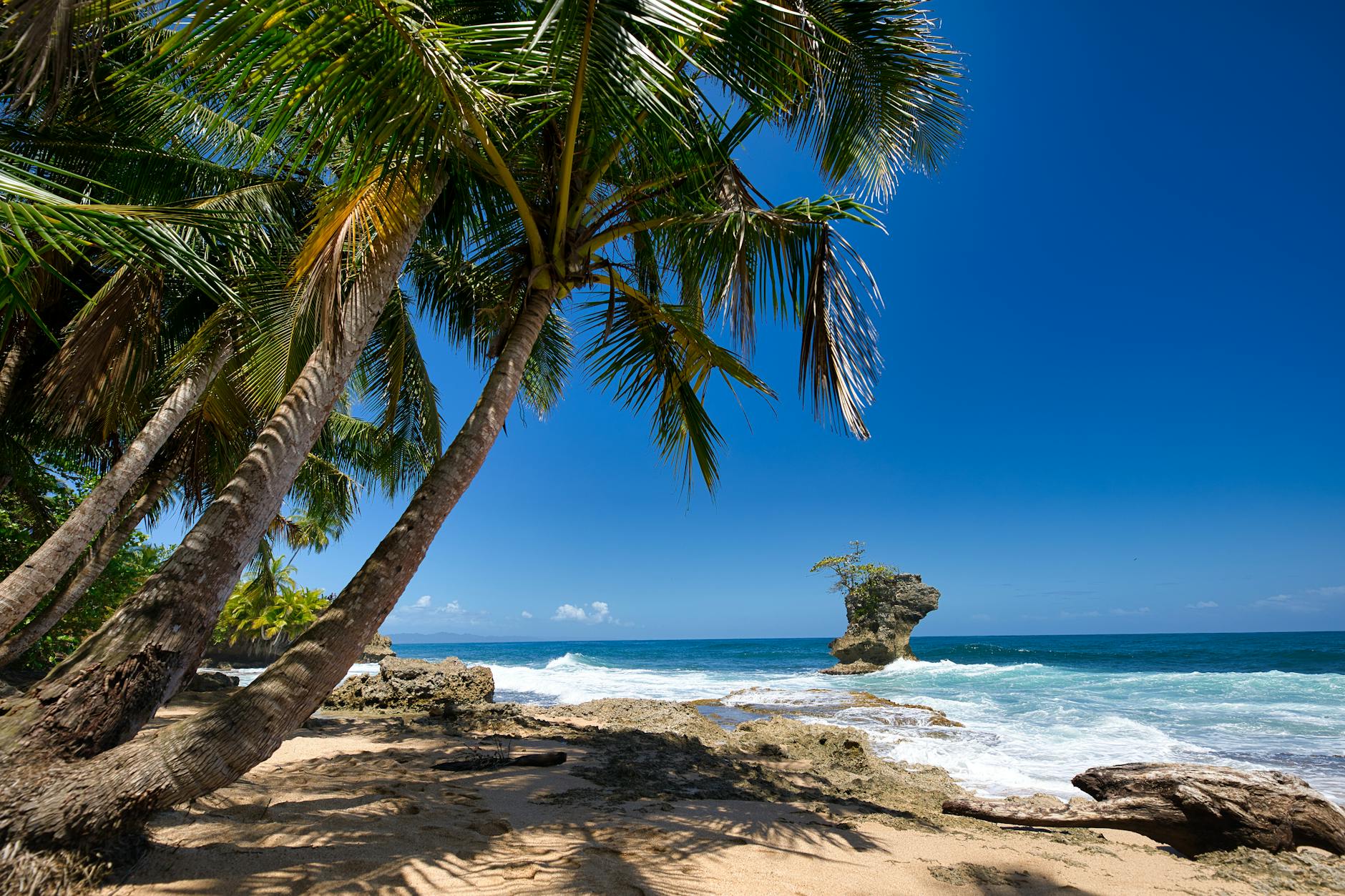
Cross the mountains to Costa Rica’s Caribbean coast and the country changes: reggae replaces Latin pop, rice and beans replace casado, English Creole mixes with Spanish, and the pace slows to something closer to Jamaica than San José.
Puerto Viejo de Talamanca is the social centre of the Caribbean coast—a small town with a strong surf culture, Afro-Caribbean food traditions, and the Salsa Brava break, one of Central America’s most powerful reef waves.
Cahuita National Park protects the country’s most significant coral reef—around 600 hectares of reef with over 120 fish species. Snorkeling tours leave from the park entrance. Entry is by suggested donation of ῢ5,000 (about $9).
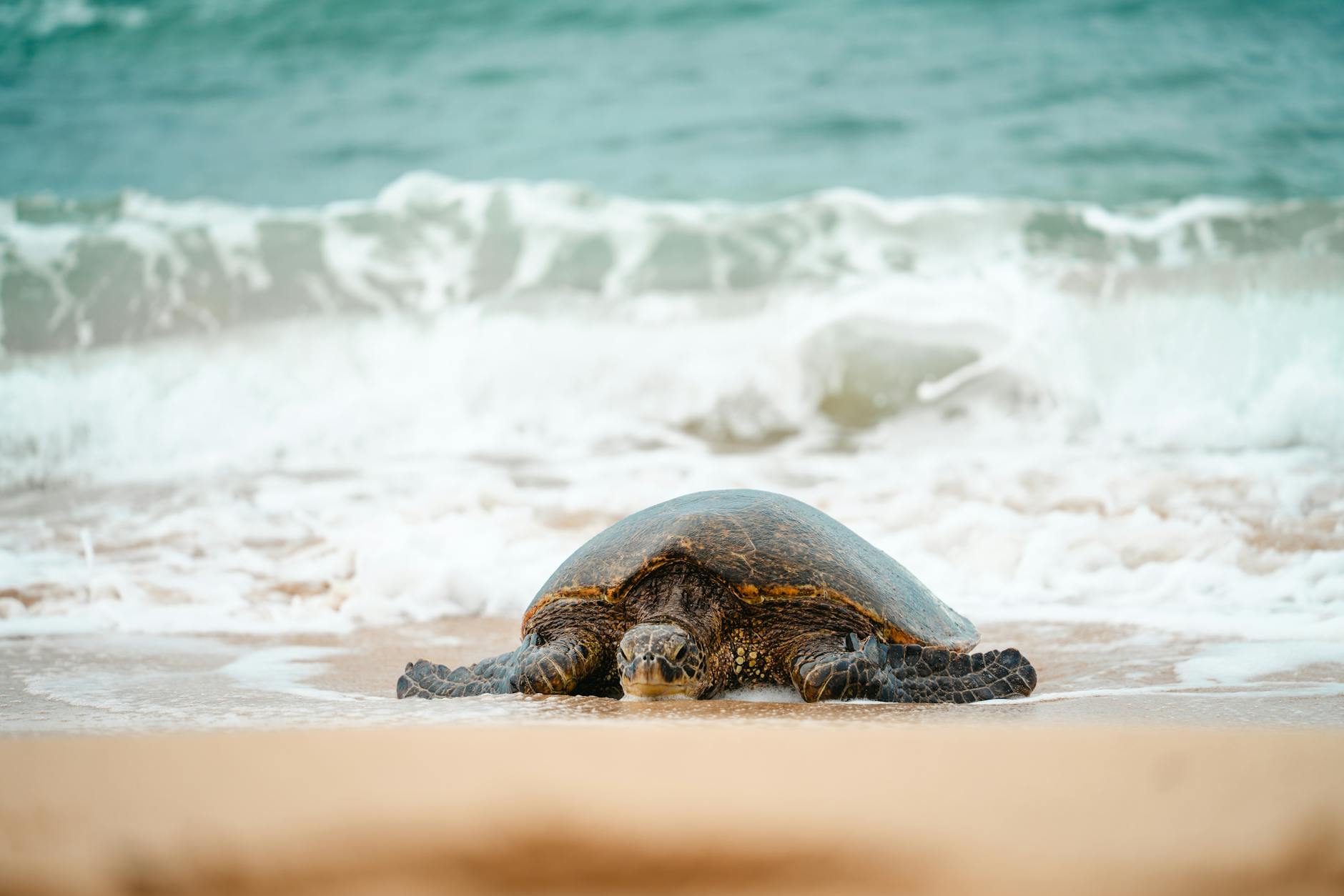
Tortuguero on the northern Caribbean coast is one of the world’s most important green sea turtle nesting sites. Between July and October, turtles come ashore at night to lay eggs. Guided night tours—essential for protection of the turtles—cost around ῢ25,000 ($45). The town is accessible only by boat or small plane.
The Caribbean coast receives more rain than the Pacific, especially from June to August. But even in the rain, the jungle is magnificent, the beaches are empty, and the food—rondon seafood stew, pati pastries, rice and beans cooked in coconut milk—is unlike anything else in Costa Rica.