
Tongatapu—literally “sacred south”—is the largest island and the heart of the kingdom. It’s flat coral-platform land covered in coconut palms and small villages, with the capital, Nuku‘alofa, stretched along the north coast.
Nuku‘alofa is small by capital-city standards, around 23,000 people in town. The Royal Palace, a white wooden Victorian building set on the seafront, is closed to the public but easy to view through its iron fence—coral walls, red roof, Norfolk pines. The Mala‘e Kula royal tombs sit a few blocks inland; Tongan kings since George Tupou I have been buried there. The Talamahu Market in the center of town sells taro, breadfruit, woven baskets, and fragrant tapa cloth to the smell of frying island bread.
Twenty minutes west of the capital, the Mapu ‘a Vaea Blowholes line several kilometers of coral coast at Houma. When the swell is up, hundreds of holes in the ancient reef shoot seawater 20–30 meters into the air at once. Locals call it “the chiefs’ whistles.” Best at high tide on a windy day.
At the eastern end of the island stands Ha‘amonga ‘a Maui—a trilithon of three coral stones weighing roughly 40 tons each, raised around AD 1200 by the 11th Tu‘i Tonga. Theories about its function range from royal gateway to ancient solstice marker. A little further west, the langi at Lapaha—the stepped-pyramid royal tombs of the Tu‘i Tonga dynasty—cover an entire hillside in dressed coral blocks. Both are on UNESCO’s tentative list.
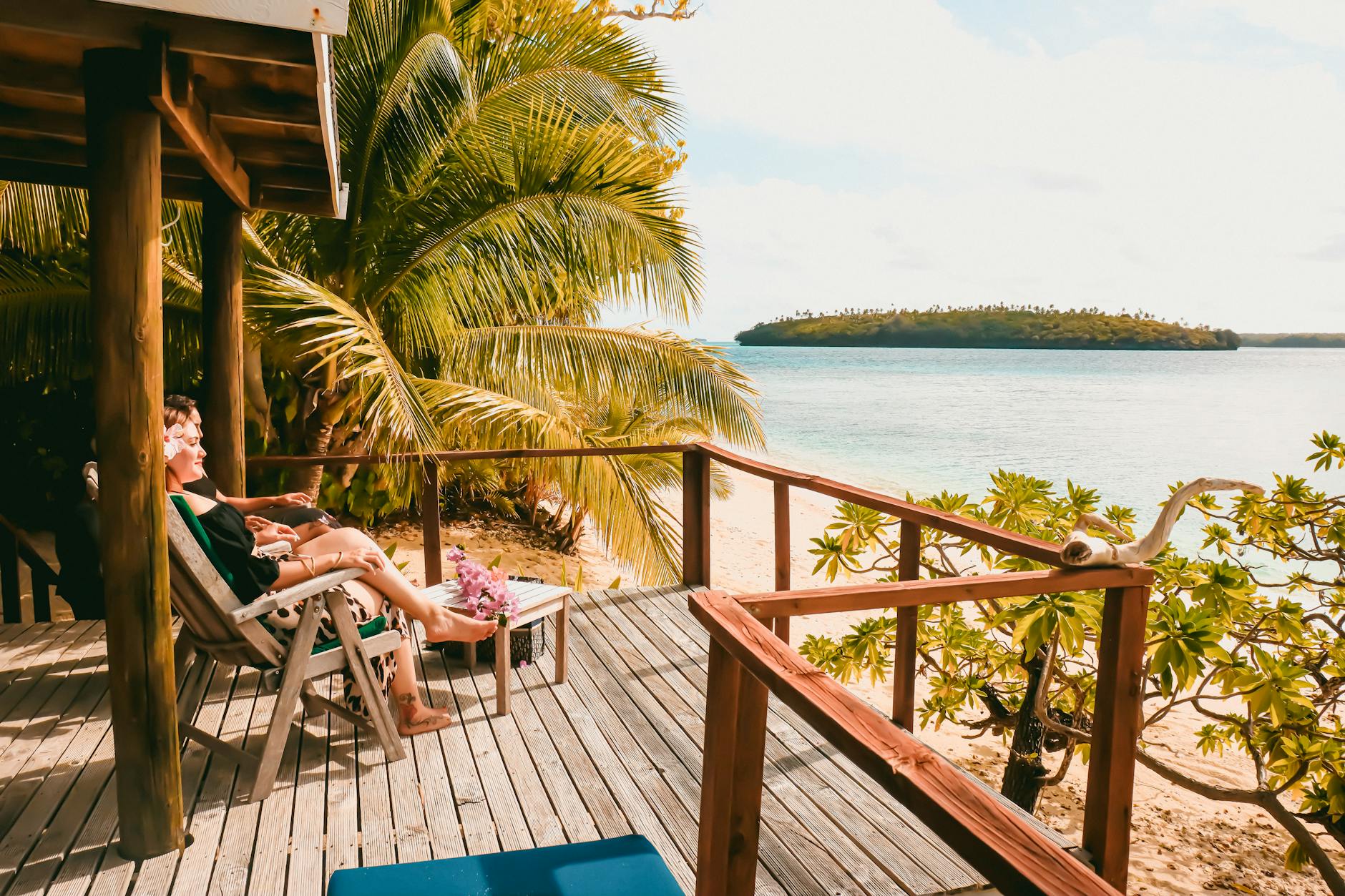
Tongatapu’s northern lagoon shelters small islands that make perfect day trips. Pangaimotu is closest—a ten-minute boat from Nuku‘alofa harbor, with a beach bar and a half-sunken shipwreck offshore for snorkelers. Fafa and ‘Atata sit further out, both with low-key resorts and reefs that are almost untouched.
Vava‘u is the cluster of 61 islands at Tonga’s northern end—the country’s adventure heart and one of the great sailing grounds in the South Pacific. Sheltered channels, calm anchorages, deep blue water, and almost no chop. The Moorings runs a charter base out of Neiafu; you can pick up a yacht here and disappear into the islands for a week.
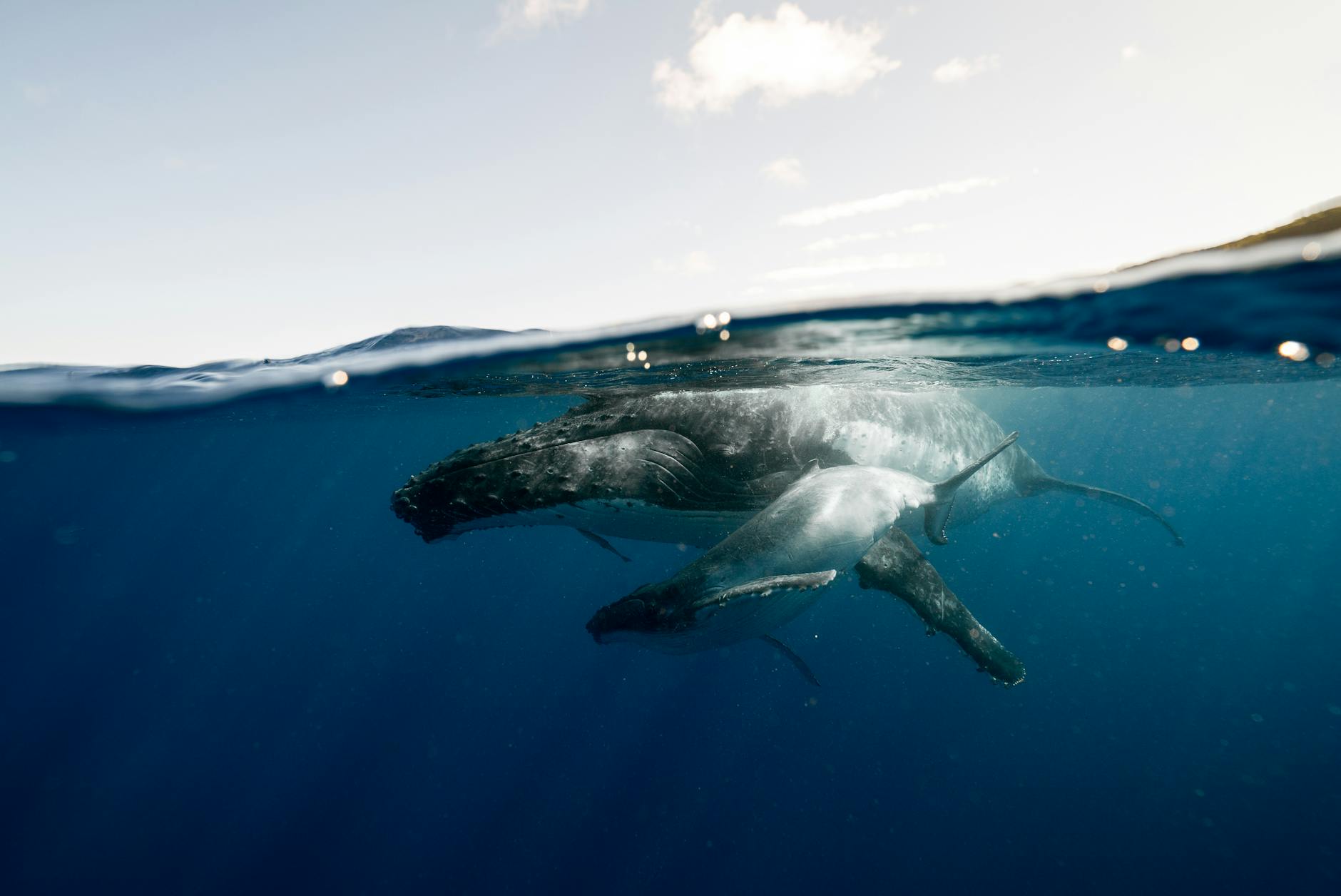
From July to October, humpback whales arrive from Antarctica to calve and nurse in Vava‘u’s warm channels. Tonga is one of only a handful of countries in the world that allows licensed in-water swims with these whales. Operators take small groups out by boat, drop quietly into the water, and let the whales decide whether to come close. Many do. The encounters can last seconds or twenty minutes; both feel like a lifetime.
Neiafu, Vava‘u’s main town, sits on the shore of the Port of Refuge harbor—ranked among the best-protected anchorages in the Pacific. The waterfront has a string of cafes, dive shops, and moorings full of long-haul cruising yachts. Wednesday and Saturday night yacht races out of the local sailing scene draw the whole expat community.
Swallows Cave, on Kapa Island, is a sea cave you enter by dinghy: high vaulted ceilings, sun beams cutting down through holes in the rock, schools of small fish circling in the green light. Mariner’s Cave is harder—the entrance is two meters underwater and you have to free-dive through a short tunnel to surface inside. The chamber air pulses up and down with the swell, fogging on the inhale and clearing on the exhale. It’s otherworldly.
Vava‘u’s ‘Ene‘io Botanical Garden, on the eastern shore, is Tonga’s only botanical garden—over 550 plant species across hilly grounds that drop to a private lagoon. Diving and snorkeling around the islands is consistently excellent: coral walls, reef sharks, occasional dolphins, and visibility often 25–30 meters.
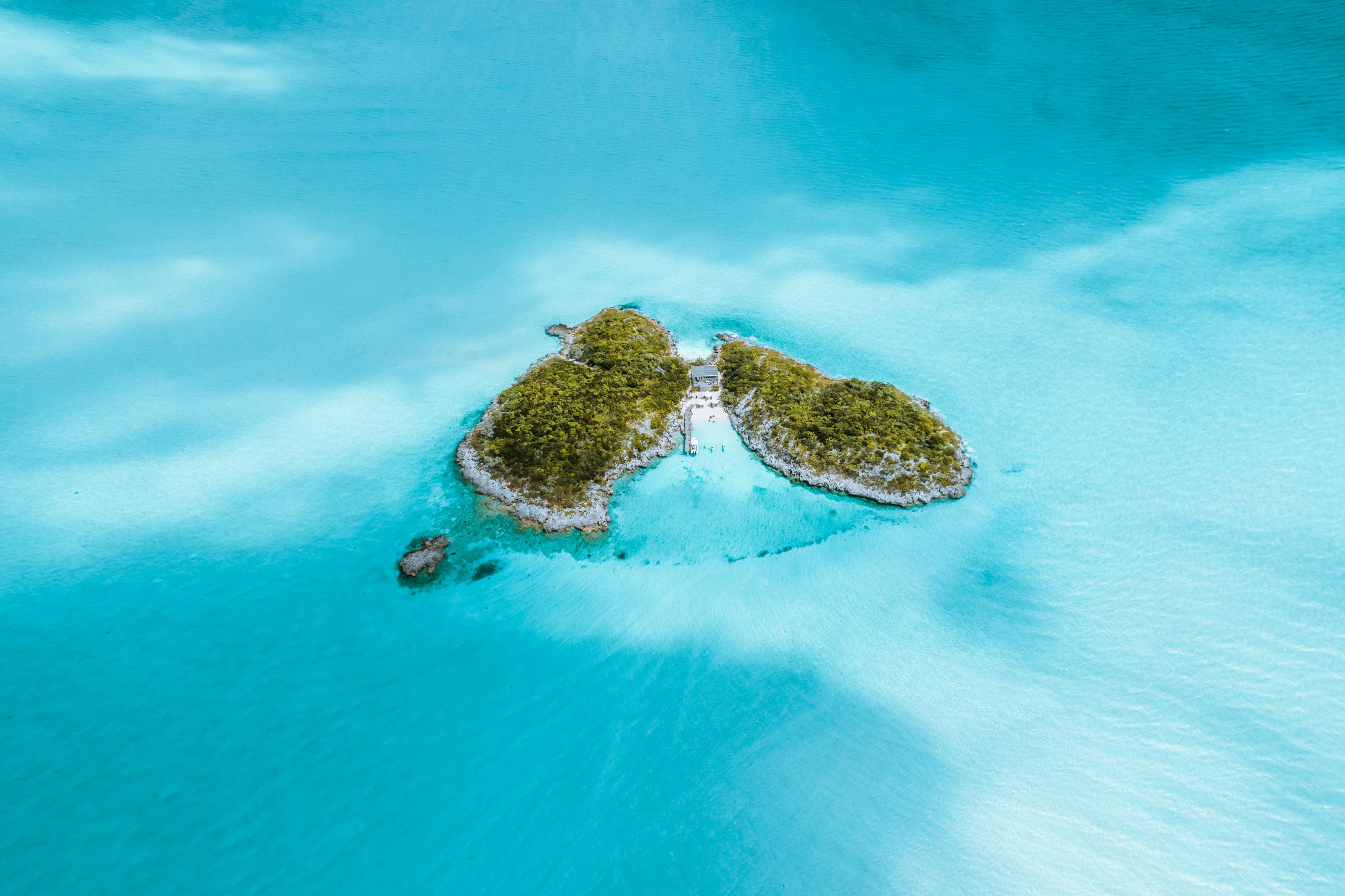
Ha‘apai is the middle group—62 small islands strung in a north-south line between Tongatapu and Vava‘u. Almost all of them are coral atolls a few meters above the sea, ringed in white sand and clear water. The pace here drops below anywhere else in Tonga. There are no traffic lights and no traffic to control.
Lifuka and Foa, joined by a causeway, are the most accessible. Pangai, the regional capital, sits on Lifuka’s west coast—a quiet grid of two streets, a small market, a few churches, and a wharf where the ferry from Nuku‘alofa ties up once a week. Captain Cook anchored here in 1777 and called Tonga “the Friendly Islands.” Local oral history says the chiefs were planning to kill him; they couldn’t agree on the timing. He never knew.
Whales pass through Ha‘apai on the same migration as Vava‘u, and a small number of operators run swim-with-whales trips out of Pangai and Foa. The boats see fewer whales but the encounters are even more remote—often it’s you, the whales, and nothing else for miles. Outside whale season the islands are about beaches, snorkeling, kayak-camping between sand cays, and total silence.
Westward across the deep, the volcanic peaks of Tofua and Kao mark the edge of the group. Tofua is still active—a steaming caldera with a crater lake; Kao is a near-perfect 1,030-meter cone, the highest point in Tonga. Adventurous travelers charter local boats to land and climb, but conditions are unpredictable. Most people are happy just to watch the smoke from a distance.
Tonga is the only Pacific nation never colonized, and it shows. The kingdom has run continuously since 1875 under a constitutional monarchy with a king, royal princes and princesses, and 33 hereditary nobles whose lands and titles still shape island life. The monarchy is genuinely loved. People stand when the king passes, and Tongan flags fly in even the smallest village.
Anga fakatonga—literally “the Tongan way”—is the cultural code that everything else hangs from. At its center is faka‘apa‘apa, respect: respect for elders, for the king, for women, for visitors. You’ll see it in the way younger people lower their bodies to walk past elders, in the slow handshakes, in the gentle voices. It is real, not performed.
Sunday is sacred. The constitution itself preserves it. From midnight Saturday until midnight Sunday, almost every shop is closed, planes don’t land, ships don’t sail commercially, and there is no organized sport. Families dress in their best and walk to church—Free Wesleyan, Catholic, Latter-Day Saints. Tongan choirs are extraordinary; if you do nothing else on a Sunday, sit at the back of any church and listen.
The kava ceremony is central to Tongan life. The Taumafa Kava—the royal kava ceremony—is the most formal version, performed only in the king’s presence. The everyday version is the faikava: men sitting in a circle, sharing a bowl of muddy, mildly numbing kava, talking quietly through the night. Visitors are usually welcome to join; ask permission, drink with both hands, and don’t be in a hurry.
Tongan crafts are remarkable. Ngatu—tapa cloth pounded from mulberry bark and stamped with deep-brown geometric patterns—is still used in funerals, weddings, and royal occasions. Pandanus mats are woven in long ceremonies that take months. Both are easiest to find in Talamahu Market in Nuku‘alofa, often direct from the women who made them.