

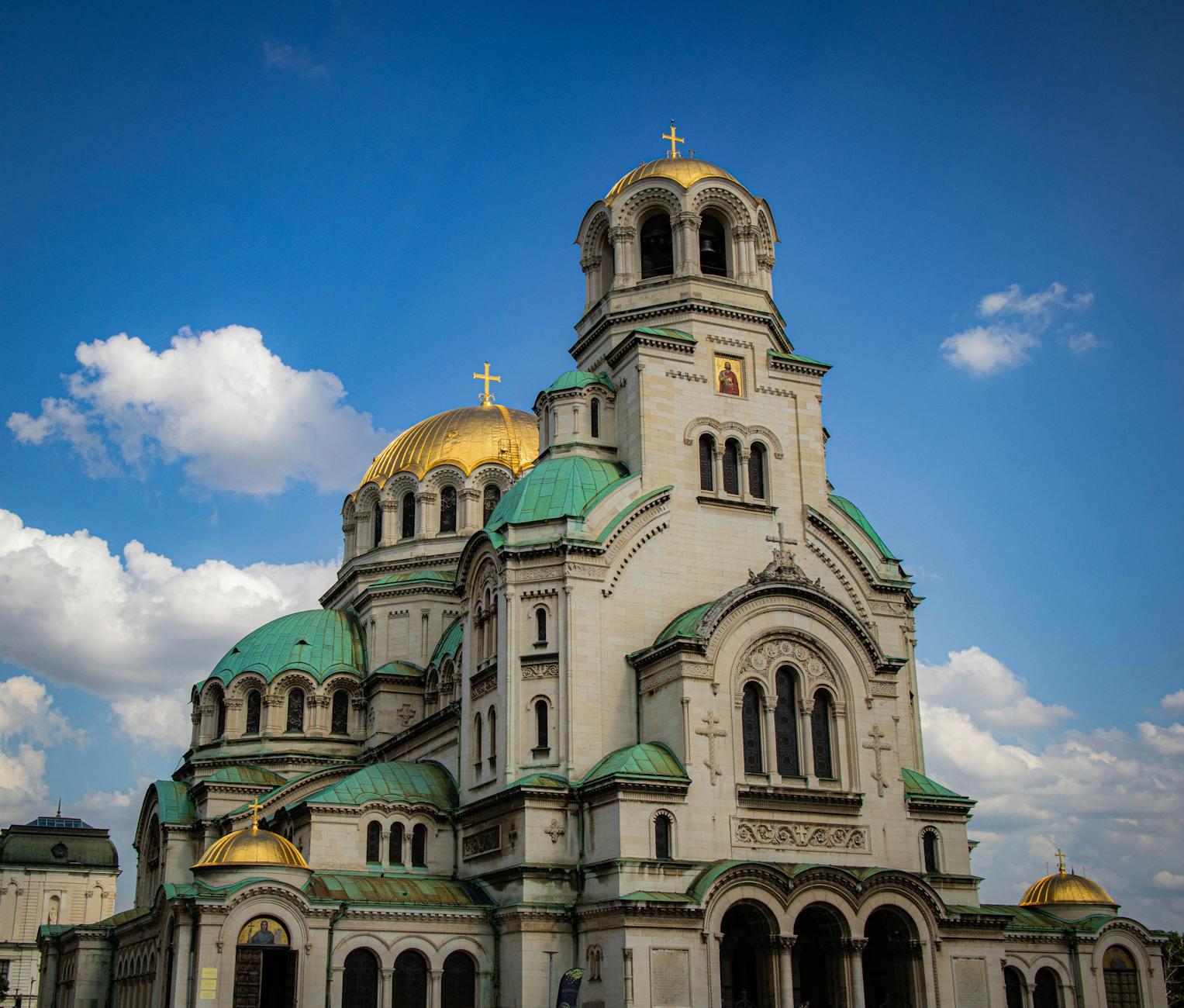
Sofia sits in a valley surrounded by mountains. The city mixes 4th-century Roman ruins with Soviet-era architecture and contemporary cafes.
Alexander Nevsky Cathedral dominates the skyline. Built 1904-1912 to commemorate Russian soldiers who died liberating Bulgaria from Ottoman rule, its golden domes reach 52 meters high. Inside, the crypt houses one of Bulgaria's finest icon collections.
The Rotunda of St. George dates from the 4th century—Sofia's oldest building. Byzantine frescoes layer the walls. It stands surrounded by modern government buildings.
Vitosha Boulevard offers pedestrian shopping and dining. The mountain Vitosha looms close—Sofia is one of few European capitals with a ski resort 30 minutes from the center.
Sofia works well as a starting point. Trains and buses connect to the rest of Bulgaria affordably.
Plovdiv has been continuously inhabited for 8,000 years. Greeks, Thracians, Romans, Byzantines, Ottomans—all left their mark.
The Roman Amphitheater from the 2nd century AD still hosts concerts. Discovered accidentally in 1972, it seats 7,000. The marble terraces overlook the modern city below.
Old Town Plovdiv features 19th-century National Revival houses—painted in vibrant blues, yellows, and reds. Many now house museums and galleries. Balabanov House and Atanas Krastev House showcase the architectural style perfectly.
The Kapana district ("The Trap") has transformed from abandoned workshops to Sofia's creative quarter. Street art covers walls. Independent cafes and galleries fill renovated buildings.
Plovdiv was European Capital of Culture in 2019. The energy remains. The city balances ancient history with a young, artistic population.
Rila Monastery sits 1,147 meters up in the Rila Mountains, 117 kilometers south of Sofia. It's Bulgaria's largest and most famous Orthodox monastery.
Founded in the 10th century by hermit Saint Ivan of Rila, the monastery became central to Bulgarian cultural identity during Ottoman rule. Fire destroyed the complex in 1833. Rebuilding finished in 1862, creating the striped arches and vivid frescoes visible today.
The monastery is UNESCO-listed. Its distinctive architecture—striped black and white arches surrounding a central courtyard—makes it unmistakably Bulgarian. The church interior glows with gold leaf and religious paintings.
The site drew 900,000 visitors in 2008. It remains an active monastery. Monks still live and worship here. Visitors must dress modestly (covered shoulders and knees).
Rila Monastery sits in a deep valley surrounded by peaks. The setting is as impressive as the building itself. It's a day trip from Sofia, though staying overnight in nearby Rila village offers more peaceful morning visits.
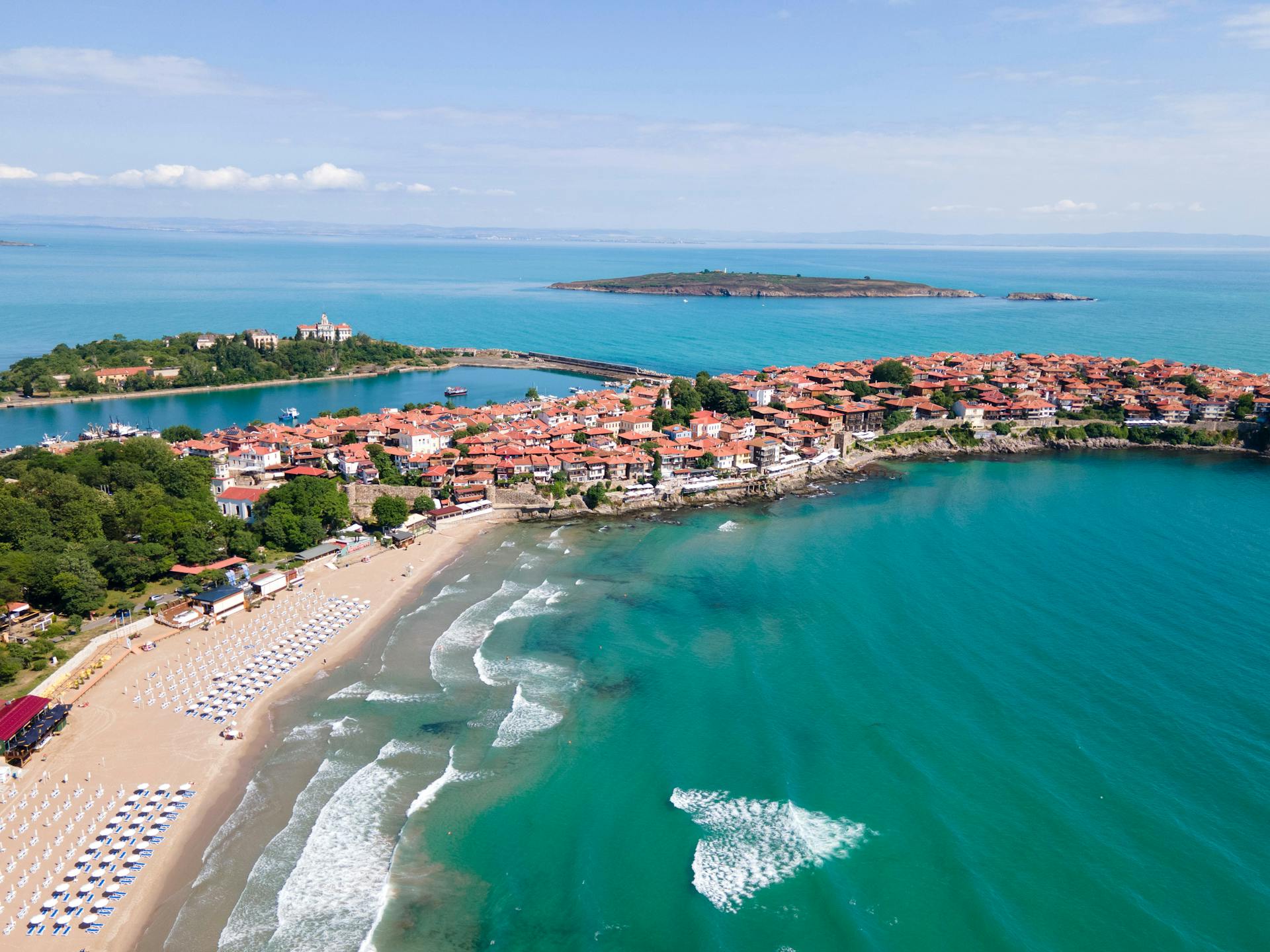
Bulgaria's Black Sea coast stretches 378 kilometers. Summer runs late May through early October. Water temperatures average 26°C.
Sunny Beach is Bulgaria's largest resort—8 kilometers of golden sand, high-rise hotels, and lively nightlife. It attracts party crowds and families. Across the bay, medieval Nesebăr (UNESCO-listed) offers Byzantine churches and cobbled streets.
Sozopol to the south balances history with seaside charm. The old town features traditional wooden houses. The newer area has beaches and seafood restaurants. It's calmer than Sunny Beach.
Varna in the north serves as Bulgaria's maritime capital. The Archaeological Museum houses Thracian gold. The Sea Garden park runs along the coast—locals stroll here at sunset.
Bulgaria's coast offers European beach holidays at a fraction of Western Mediterranean prices. In 2019, 65% of Bulgarian beaches tested as "Excellent" water quality by EU standards.