
🌟 What to Do & Local Tips
Explore experiences and tips to get the most from your trip in Zambia
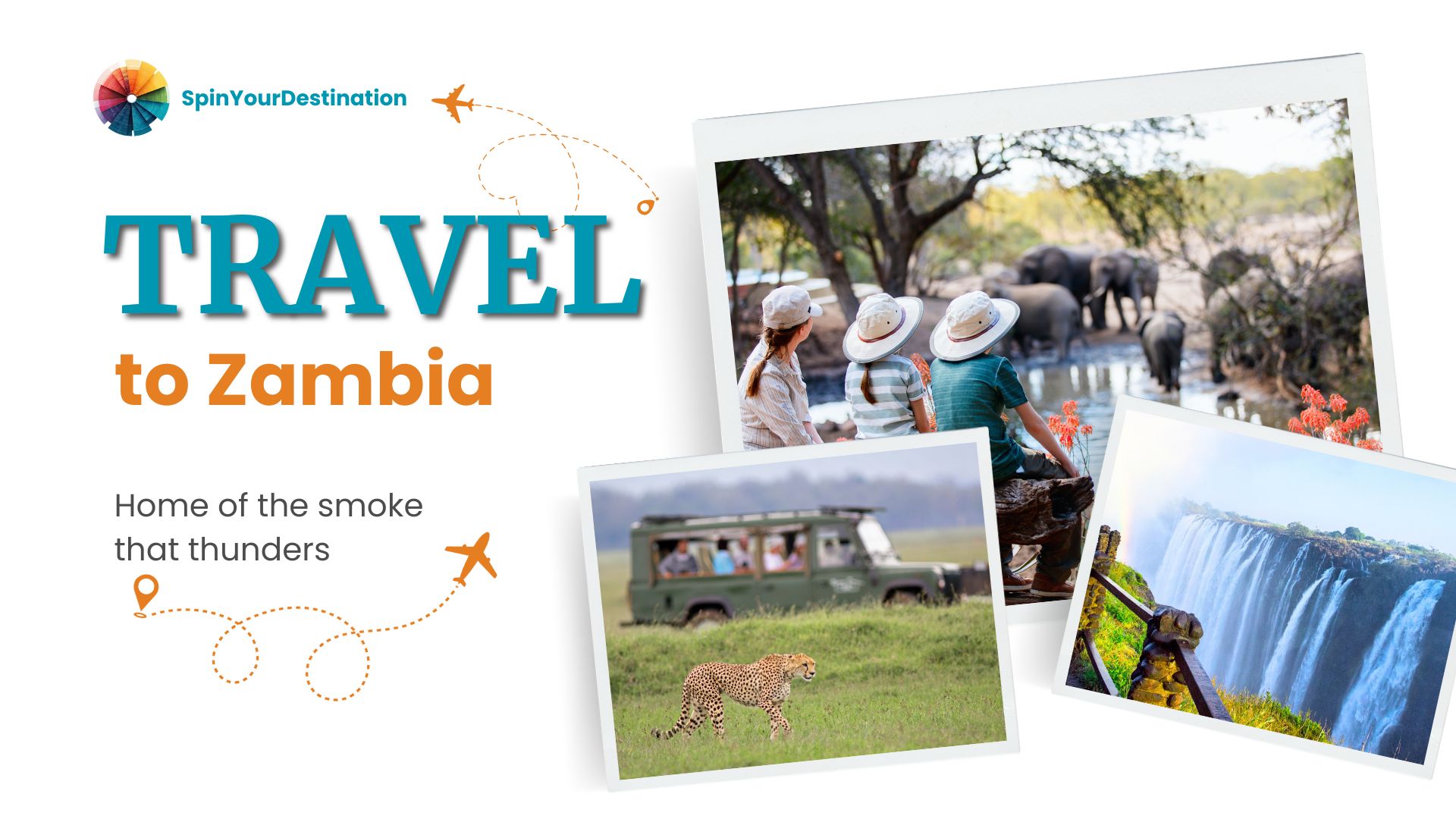
Zambia is one of Africa's great wildlife destinations — raw, remote, and defined by walking safaris, river experiences, and wild spaces that feel genuinely untouched. Victoria Falls and the Batoka Gorge deliver some of the continent's most intense adventure activities. The Luangwa Valley is widely considered the birthplace of the walking safari. The Lower Zambezi's canoe safaris put you at water level with elephants and hippos.
The country divides clearly: Livingstone for adventure and falls, the national parks for wildlife immersion. The best Zambia trips combine both — a few days at the falls followed by a walking safari camp in South Luangwa or a canoe camp on the Lower Zambezi.
Best time: May–October for wildlife safaris (dry season, animals concentrate at water sources). Year-round for Victoria Falls and Livingstone activities. November–April for the dramatic green season — lush, dramatic skies, baby animals, and significantly lower rates.
📍 Book Activities & Experiences
White Water Rafting — Batoka Gorge
The Zambezi below Victoria Falls is rated among the world's top 5 rafting rivers. 25 rapids (Grade 3–5) in the Batoka Gorge — full day from Livingstone, includes gorge hike in/out. Season: July–January for full intensity, February–June for high-water half-day. Minimum age 15. Around $220 per person.
More info →Victoria Falls Guided Walking Tour
Walk through the Mosi-oa-Tunya National Park rainforest on the Zambian side to the Knife-Edge Bridge viewpoints. Direct views of the Eastern Cataract and the Batoka Gorge. Bring a raincoat April–August (spray soaks you). Entry fee applies. Multiple guided tour operators in Livingstone.
More info →South Luangwa Walking Safari
Africa's premier walking safari destination. Multi-hour guided walks through the park with experienced ZAWA-certified guides and armed scouts. Lions, leopards, elephants at close range on foot. South Luangwa National Park — fly in to Mfuwe Airport (40 min from Lusaka). Season: May–October.
More info →Lower Zambezi Canoe Safari
Paddle the Lower Zambezi in Canadian canoes, threading between islands while elephants wade and hippos surface. Half-day or multi-day canoe safaris through some of Africa's most dramatic wilderness. Combined with game drives at dedicated Lower Zambezi camps. Best May–November.
More info →⭐ Top Experiences in Zambia
⭐ Victoria Falls
One of the Seven Natural Wonders of the World — 1.7 km wide, 108 metres tall. Best views from the Zambian side at Knife-Edge Bridge. Entry approximately $31. April–August for full spray; September–December for clearest views into the gorge.
More info →⭐ Bungee jump — Victoria Falls Bridge
111-metre freefall from the bridge on the Zambia–Zimbabwe border. One of the world's most scenic bungee jumps. Registration office on Zambian side. Year-round, weather permitting. Around $264.
More info →⭐ Walking safari in South Luangwa
the original walking safari — pioneered in the Luangwa Valley in the 1950s. Multi-hour guided walks with armed scout. Encounter lion, leopard, and elephant on foot in genuine wilderness. Season May–October. Fly in to Mfuwe.
More info →⭐ Canoe safari — Upper Zambezi
paddle the upper Zambezi above the falls through Mosi-oa-Tunya National Park. Elephants wading between islands, hippos at water level. Half or full day. Hotel pickup from Livingstone. Year-round.
More info →⭐ Livingstone Island & Devil's Pool
swim in the natural infinity pool at the lip of Victoria Falls during low water season (August–January). Boat to Livingstone Island (where Livingstone first saw the falls), guided swim with guide in the Devil's Pool. One of Africa's most exhilarating experiences.
More info →⭐ Tiger fishing — Lower Zambezi
Africa's most aggressively fought freshwater game fish. Guided sport fishing charters on the Lower Zambezi. Catch-and-release. Best March–April and October–November. Multi-day lodge packages available from Lusaka (2 hours) or by light aircraft.
More info →⭐ Rhino walking safari — Mosi-oa-Tunya
walk with white rhinos on foot in Mosi-oa-Tunya National Park, guided by armed park rangers. One of the few places in southern Africa where rhino walking is permitted. Combined with a game drive for elephant, giraffe, and zebra. From Livingstone. Year-round.
More info →⭐ Microlight flight over Victoria Falls
15–30 minute open-cockpit microlight flight from Livingstone gives an unobstructed aerial view of Victoria Falls, the Batoka Gorge, and the Zambezi. Livingstone called it the 'Flight of Angels' — from a microlight you understand why. Year-round; best April–August at full water. Departs from Batoka Sky near Livingstone.
More info →⭐ Kasanka bat migration
November to December: 8–12 million straw-coloured fruit bats swarm Kasanka National Park in northern Zambia — the world's largest mammal migration by biomass. Dawn and dusk flights are spectacular. Kasanka Camp provides access; fly in from Lusaka or drive 6 hours.
More info →⭐ Kafue National Park safari
Africa's largest park (22,400 km²) — enormous variety, from Busanga Plains lions and wild dogs to Kafue River hippo pools. Far fewer visitors than South Luangwa. Self-drive access on the main road; fly-in to Busanga for top camps. Best May–October.
More info →⭐ Mutinondo Wilderness hiking
granite inselbergs, crystal streams, wild swimming, 70+ km of hiking trails, and extraordinary botanical diversity in northern Zambia's most hidden wilderness area. Ten Peak Challenge: 28 km over the 10 highest inselbergs. Self-drive from Lusaka (5 hours via Serenje); own lodge on site.
More info →⭐ Zambezi sunset cruise
2-hour sunset cruise on the upper Zambezi above Victoria Falls — elephant, hippo, and extraordinary birdlife watched from a river boat as the sun sets. Drinks and snacks included. Departs Livingstone waterfront. Year-round; year's most spectacular October–April sunsets.
More info →📋 Booking Tips
- Book safari camps 6–12 months ahead: Premium camps in South Luangwa, Lower Zambezi, and Kafue fill completely for June–October. Last-minute availability is rare for quality properties.
- Check cancellation policies: African weather and circumstances can change — ensure your booking has flexibility, especially for fly-in activities.
- Use specialist safari operators: For multi-camp Zambia itineraries, a specialist operator (Remote Africa Safaris, Robin Pope Safaris, Time + Tide) will handle logistics, flights, and transfers that are difficult to arrange independently.
- Compare Victoria Falls activity packages: Livingstone-based operators often offer multi-activity discounts. Bundu Adventures, Livingstone's Adventure, and Shearwater all offer combo packages.
- Read recent reviews: Guides and game quality change season to season — check recent TripAdvisor and Google reviews before booking smaller operators.
💡 Essential Info
ZMW — Zambian Kwacha
Cards accepted at major hotels, lodges, and supermarkets. ATMs available in Lusaka and Livingstone. USD widely accepted in lodges and major activity operators. Bring some USD cash for national park entry fees and tips.
English (official)
72 local languages — Nyanja and Bemba most widely spoken. English is used in business, government, and tourism nationwide. In rural areas, basic Nyanja phrases are appreciated.
+260
Emergency: 999 (police), 991 (ambulance), 993 (fire)
MTN and Airtel are the main networks. Coverage is good in towns and along main roads; absent in remote national parks. Buy a local SIM at the airport or in town for data.
Malaria risk is HIGH throughout Zambia. Prophylaxis strongly recommended — consult a travel medicine clinic before departure. Yellow fever vaccination required if arriving from an endemic country. Tap water is not safe to drink; stick to bottled or filtered water.
🤝 Cultural Tips
💵 Tipping
Expected in the tourism sector: $2.9–$8.6 per person per activity for guides; $5.7–$17 per person per day for safari camp staff (usually left as a communal camp tip at the end of your stay). At restaurants, 10% is appreciated.
👋 Greetings
Zambians greet warmly and at length. A handshake with the left hand supporting the right wrist shows respect. "Mulibwanji?" (How are you?) in Nyanja is greeted enthusiastically. Never rush a greeting — taking a moment to ask about someone's day is culturally important. Rushing past is considered rude.
🍽️ Dining
Always eat with the right hand when eating traditional nshima. Wait to be invited to eat, and accept food with both hands or right hand. Finishing what is on your plate is appreciated. Compliment the cook — food is a point of pride. Refusing offered food can be seen as rejection.
📸 Photography
Always ask before photographing people — especially in villages and markets. Many Zambians are happy to be photographed but asking first shows respect. Photographing government buildings, military installations, and border posts is prohibited. At Victoria Falls, cameras in spray zones can be damaged — a waterproof case is essential.
👔 Dress Code
Modest dress outside tourist areas. In Livingstone and safari camps, relaxed clothing is fine. In villages and traditional areas, avoid shorts and sleeveless tops, especially for women. In Lusaka's business and government areas, smart casual is expected. Neutral colours (khaki, olive, tan) are practical for safari.
🚨 Safety & Health
- Malaria is the most serious health risk — start prophylaxis before departure and use DEET repellent and long sleeves at dawn and dusk
- Yellow fever vaccination certificate required if arriving from an endemic country — carry the original certificate
- Drink only bottled or filtered water — never tap water in Zambia
- In Livingstone and Lusaka, petty theft and bag snatching occur — keep valuables concealed and avoid displaying expensive items in markets
- Never walk alone at night outside hotel compounds in Lusaka — use taxis for all evening transport
- On safari, follow your guide's instructions exactly — the bush is a genuinely dangerous environment
- Wildlife warnings: never approach hippos near water, never get between an elephant and water or an elephant and her calf, never leave a safari vehicle without guide permission
- Purchase comprehensive travel insurance covering emergency evacuation — medical facilities outside Lusaka are limited
💰 Money-Saving Secrets
- Visit in November (green season start) — rates drop 20–40% and wildlife is still excellent; babies are born, vegetation is dramatic
- Stay in Livingstone rather than at falls-facing lodges — equivalent quality at significantly lower rates with a short taxi ride to activities
- Use local taxis (negotiate price upfront) rather than hotel transfers for most Livingstone movements
- Buy park entry tickets in ZMW — some parks accept local currency at lower prices than the published USD rate
- Combine Livingstone activities into packages — multi-activity operators give better rates than booking each activity separately
- Eat at Livingstone market food stalls and local restaurants — nshima lunches from $2.0 to $4.6; lodge meals cost 10–15x more
📅 Best Time to Visit
Dry Season — Peak Safari
May–October ~ 15–28°C; dry, clear skies; wildlife concentrates at water sources
✅ Pros: Best wildlife viewing (animals visible at waterholes), walking safaris in full operation, white water rafting at full intensity (July–January), comfortable temperatures, no malaria risk reduced
❌ Cons: Peak prices (30–50% higher June–August), books out 6–12 months ahead, Victoria Falls spray reduced (September–December for best gorge views), dusty and dry landscape
Hot Dry Season
September–November ~ 28–38°C; extremely hot, dusty; wildlife excellent
✅ Pros: Outstanding wildlife at waterholes (animals desperate for water), fewer visitors than peak months, Victoria Falls gorge at clearest (September–October), tiger fishing peak (October–November), Devil's Pool swimming begins
❌ Cons: Extreme heat (38°C+ in Luangwa Valley), uncomfortable midday conditions, malaria risk rising, camps start closing October–November
Green Season
November–April ~ 24–32°C; rains (often afternoon thunderstorms); lush, dramatic
✅ Pros: Rates drop 20–40%, dramatic skies and photography light, baby animals (November–February), Victoria Falls at maximum volume (April–June), lush green landscape, Kasanka bat migration (November–December), birding excellent
❌ Cons: Most safari camps close November–May, roads become impassable in national parks, malaria risk highest, heavy afternoon rain (most days December–March), wildlife more dispersed across landscape
Shoulder Season
April–May ~ 20–28°C; rains ending; Victoria Falls at peak
✅ Pros: Victoria Falls at full volume (best photography), camps reopening, rates slightly below peak, landscape still green and beautiful, good wildlife viewing as dry season approaches
❌ Cons: Some camps still closed early April, occasional heavy rain, roads can be muddy in early April, high water makes white water rafting top-section only