
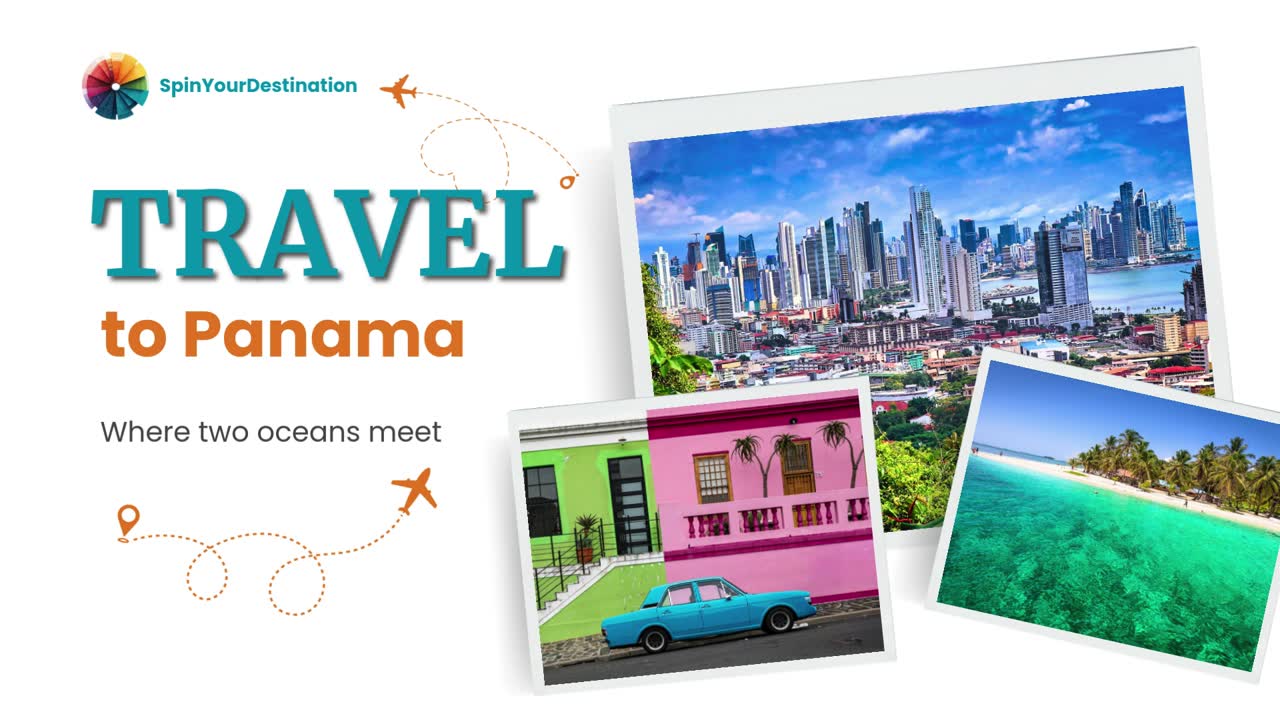
Beach & Sun Panama
Your complete guide to Panama's Caribbean shores, Pacific surf, and island paradise
The water taxi pulls into Bocas Town. Wooden stilted bars extend over turquoise Caribbean water. Reggae drifts across the bay. The air smells of salt and ripe fruit. Welcome to Panama's other side.
Panama sits between two oceans — the Caribbean to the north, the Pacific to the south — giving it extraordinary beach variety. Bocas del Toro delivers Afro-Caribbean vibes and surf. The San Blas archipelago offers 370 pristine islands controlled by the Guna people. The Pacific coast serves Playa Venao, Santa Catalina, and world-class surfing.
Water temperatures hover around 27°C (81°F) year-round on both coasts. Dry season runs December to April on the Pacific; the Caribbean coast has its own rhythm with fewer defined seasons.
From backpacker hostels over the water in Bocas to overwater huts in San Blas to surf camps in Venao — Panama's beaches cover every style and budget.
Bocas del Toro — Caribbean archipelago
Nine islands, thousands of islets, crystal-clear water at 26°C. Bocas del Toro is Panama's most beloved Caribbean destination, just a 45-minute flight from Panama City.
Isla Colón hosts the main town — Bocas Town — with wooden buildings on stilts, a buzzing waterfront, and easy access to nearby beaches. Playa Bluff on the north shore has powerful surf and nesting sea turtles (June–September). Boca del Drago beach is calm, ideal for snorkeling with starfish.
Isla Bastimentos is the wild one. Red Frog Beach, named for the tiny poison dart frogs in the forest behind, offers spectacular swimming and Caribbean reef diving. Playa Larga stretches empty for kilometers.
The Smithsonian Tropical Research Institute operates here, and Bocas has been declared a Hope Spot for coral conservation. Dive or snorkel at over 40 sites to see dolphins, rays, and technicolor reef fish.
Accommodation ranges from $15 hostel dorms to overwater bungalows. Water taxis ($1–3) connect all islands. Internet is patchy — that's kind of the point.
San Blas Islands — Guna Yala paradise
378 islands in the Caribbean, controlled entirely by the indigenous Guna people. San Blas is raw, undeveloped, and extraordinary. No big hotels, no chains — just white sand, palm trees, and clear warm water.
Getting there requires effort: a 4x4 drive from Panama City over a mountain road (about 2 hours) then a short boat ride, or a light plane from Albrook airport (30 minutes). The journey makes the arrival more dramatic.
You sleep in basic eco-lodges — bamboo huts on tiny islands, some with nothing but sand and sea. Meals are fresh fish, lobster, and coconut rice prepared by Guna families. Electricity is limited or solar.
Isla Perro (Dog Island) has a sunken shipwreck you can snorkel through. Star Island sits so low to the water that waves nearly wash across it. Isla Pelicano offers hammocks between palms 10 meters from open sea.
Entrance fees go directly to the Guna community ($30–40/person for multi-day visits). Respect local customs — no topless sunbathing, ask permission before photographing people.
Pacific Coast — surf, sea, and seclusion
Panama's Pacific coast is a different world: dramatic cliffs, powerful surf breaks, and long empty beaches stretching toward Costa Rica and Colombia.
Playa Venao in the Azuero Peninsula is the surf hub — a horseshoe bay with consistent waves year-round, warm water at 27°C, and a laid-back surf village vibe. Beginners learn in the bay's gentler sections; experienced surfers ride the outer breaks.
Santa Catalina, further west in Veraguas province, is the launch point for Coiba Island expeditions — a UNESCO World Heritage Site with some of the Pacific's most spectacular snorkeling and diving. The reef here is the second largest on the Pacific coast of the Americas.
Pedasí is a charming colonial town near Playa Venao — low-key, friendly, a good base for whale watching (August–October, when humpbacks migrate through).
Taboga Island sits just 30 minutes by ferry from Panama City — a flower-covered volcanic island with calm swimming beaches and the second-oldest church in Latin America, built in 1524.
🌟 Top Beach & Sun Experiences
🏝️ Bocas del Toro Archipelago
Nine Caribbean islands with turquoise water, tropical reef, surf breaks, and Afro-Caribbean culture. Isla Bastimentos National Marine Park protects spectacular coral. Water taxis connect everything. Party in town, escape to remote beaches. More info →
🏖️ San Blas Islands, Guna Yala
370+ Caribbean islands in indigenous hands — pristine, undeveloped, unforgettable. Sleep in a bamboo hut on a deserted island. Eat fresh lobster. Snorkel through a sunken ship. One of the most authentic beach experiences in the Americas. More info →
🏄 Surf Lessons, Playa Venao
Panama's Pacific surf capital in the Azuero Peninsula. Year-round waves, warm 27°C water, ISA-certified coaches. Venao Surf School offers private coaching and video analysis. Beginners and advanced surfers welcome. From $70 per session. More info →
🤿 Coiba Island Snorkeling
UNESCO World Heritage marine park — second largest Pacific coral reef. Full-day tours from Santa Catalina to see whale sharks, sea turtles, reef sharks, and dolphins. Park entry $20. Tour from $60pp. Best December–April. More info →
🏡 Red Frog Beach Island Resort
Luxury overwater villas on Isla Bastimentos in Bocas del Toro. Private beach, canopy zip-line, spa, two restaurants. Accessible only by 15-minute water taxi through Caribbean mangroves. Named for the tiny red poison dart frogs in the surrounding forest. More info →
⛵ Taboga Island Day Trip
The Island of Flowers — 30 minutes by ferry from Panama City. Calm swimming beaches, jungle hiking, the 1524 church of San Pedro, and fresh ceviche at seafront restaurants. Five daily ferries from Amador Causeway. From $25 round trip. More info →
💡 Insider Tips
- 💵 San Blas requires cash only — bring enough for your entire stay, including entrance fees ($30–40), meals, and boat trips. No ATMs on the islands
- 🌤️ Bocas del Toro has two rainy seasons but tourism never fully stops. October–November is the wettest period; December–March is driest on the Pacific side
- 🐸 Red frog dart frogs near Red Frog Beach are beautiful but toxic — admire without touching. The brightly colored frogs use poison for defense, not offense against humans
- 🌊 Coiba's water visibility exceeds 30 meters December–April. July–October brings humpback whales migrating through the Gulf of Chiriquí — an entirely different spectacle
- 🕛 Water taxis in Bocas del Toro run until around 9pm. After dark, you need to pre-arrange transport back to your accommodation — plan ahead or stay in Bocas Town